
Shire horse price Breakdown: Purchase Costs & Advice
When you’re deciding on a shire horse price, you quickly realize these gentle giants are more than just big horses. Many buyers focus on asking price without digging into the hidden costs that come after the sale. One often overlooked factor is how age and training levels shift their market value dramatically. Have you ever wondered why a two-year-old, untrained shire sometimes sells for much more than an older, seasoned horse?
It turns out understanding the influence of age and training on price can save you from sticker shock. By grasping these details early, you’ll make better buying decisions, negotiate more confidently, and avoid surprises down the line. Let’s explore how these elements shape overall cost and what to watch for when you shop.
Shire Horse Price Breakdown
| Category | Price Range (USD) | Details |
|---|---|---|
| Foals (6 months – 1 year) | $3,000 – $6,000 | Untrained, pedigree impacts price; cheaper if not registered |
| Yearlings (1–2 years) | $4,500 – $8,000 | Some handling; potential for show or work animals |
| Trained Adults (3–10 years) | $8,000 – $18,000 | Professionally trained for riding, driving, or showing |
| Breeding Stock (Mares/Stallions) | $10,000 – $25,000+ | Registered with strong bloodlines; show-quality or proven breeders |
| Senior Horses (10+ years) | $2,000 – $6,000 | Often retired or light work only; price varies with health and temperament |
| Show Champions | $20,000 – $50,000+ | Award-winning bloodlines and extensive training |
Regional Price Variation
| Region | Typical Price Range | Notes |
|---|---|---|
| USA | $5,000 – $20,000 | Prices higher for registered/trained stock |
| UK | £3,000 – £12,000 | Strong market, especially for show/breeding horses |
| Europe (Germany, Netherlands) | €4,000 – €15,000 | Some export-ready options at lower rates |
| Australia | AUD 6,000 – 20,000+ | Limited availability, high demand for stud horses |
| Pakistan/India | Rare/Imported only | Import costs (shipping, quarantine) add $10k–$20k |
Price Range Overview
Shire horses stretch a wide spectrum of values, depending on factors like age, lineage, and training. Here’s a quick comparison:

| Category | Price Range |
|---|---|
| Unbred Foals | $3,000 – $6,000 |
| Yearlings | $5,000 – $8,000 |
| Adult, Untrained | $7,000 – $12,000 |
| Trained and Registered | $10,000 – $15,000+ |
This table highlights core ranges, but regional supply and demand can push numbers up or down. For instance, in areas with high interest in draft work or riding events, prices often climb. Seasonal factors matter too—sales slow in winter, so prices might dip slightly. Conversely, spring and summer see peak demand, as buyers prepare for shows and farm work.
Practical tip: track local classifieds or breed society listings for a few months. That gives you a realistic sense of what sellers actually accept, not just their asking price. You may even spot a trend—like a sudden spike in trained broodmares—letting you time your purchase for the best deal.
Breeder Versus Rescue
Choosing between a reputable breeder and a rescue organization shapes your budget significantly. Breeders typically invest heavily in lineage, vet checks, and early training. These upfront costs get reflected in their asking prices. Rescues, on the other hand, may ask less but carry unknown histories or deferred vet needs.
When you work with a breeder, ask about health screenings, registration details, and previous performance events. A good breeder shares full records and invites you for a farm visit. You’ll often find references to registration papers or pedigree records that confirm lineage and breeding goals.
Rescues sometimes have less paperwork, but they may include initial vet exams or behavior training in the adoption fee. It’s wise to read adoption agreements carefully and budget for follow-up exams, dental care, or specialized handling if the horse has past trauma.
For more on core care practices, you might explore the breeder’s recommended routine in our breed history and care guide. It details nutrition, stall setup, and early handling steps that influence long-term value. Ultimately, decide if you prefer the predictability of a breeder’s records or the heartwarming rescue story, then align your budget accordingly.
Age and Training
Age plays a major role in price. Foals are cheaper but need years of training and care. Yearlings command higher rates because they’re more mature and easier to socialize. Fully grown shires with baseline training or ready for riding and light draft work fetch the highest prices.
Training level adds value unexpectedly. A horse that’s been exposed to basic groundwork, lunging, and halter work can save buyers thousands. Conversely, an unhandled adult horse may require professional help, tacking on extra costs each month. Always ask for a training log or video demonstrations if possible.
Practical tip: list the skills you want—desensitization to noise, trailer loading, or basic riding—and compare horses based on those. That approach reveals which sellers have invested in training and which still need work. When you know exactly what you’re buying, you avoid hidden training bills.
Also, factor in how flexible you are with time. If you’re willing to invest months in training a younger horse, you can save money up front. If you need a reliable partner right away, prioritize horses with confirmed skills, even if their price tag is higher.
Health and Maintenance
Initial health checks are non-negotiable. A pre-purchase exam by a qualified vet can cost $300–$500, but it’s a small price to identify issues like joint problems or dental work. Always budget extra for vaccines, deworming, and routine dental care within the first year.
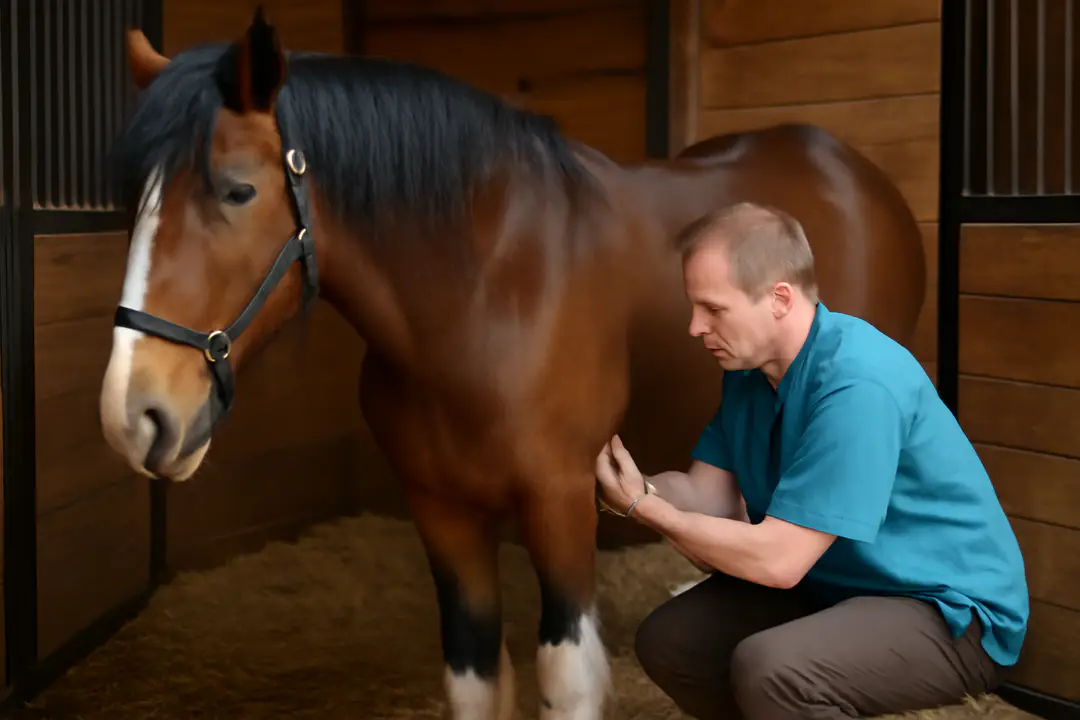
Farrier visits every 6–8 weeks average $50–$100 per session, depending on region. Over a year, that’s $300–$600. Add in feed—shires eat up to 2% of their body weight daily—so plan for 20–25 pounds of hay a day, roughly $1,500–$2,000 per year. Bedding, if you use shavings or straw, adds another $500–$800 annually.
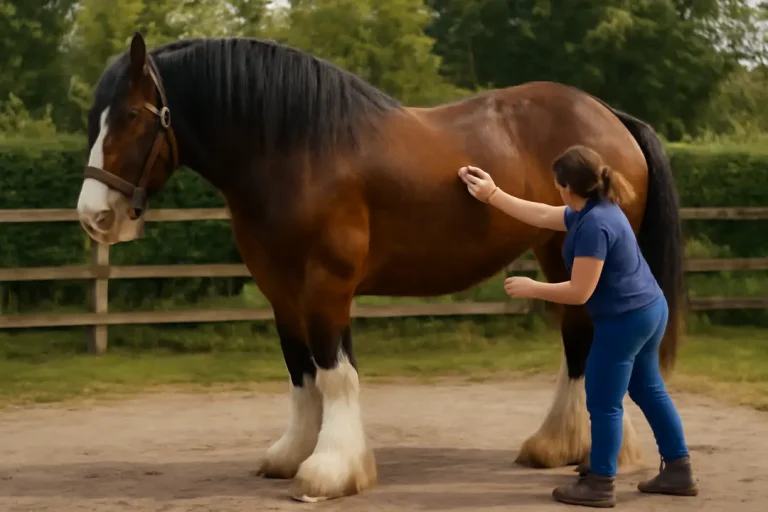
Grooming is crucial for these heavy-coated horses. Regular sessions prevent skin issues and improve circulation. For step-by-step advice on managing their thick feathers and mane, see the grooming guide. It covers tools, techniques, and a simple schedule you can follow.
Insurance is another factor. Mortality and major medical coverage runs about $400–$800 a year, based on horse value. If you skip insurance, set aside an emergency fund for vet bills. Unexpected injuries or colic surgeries can easily exceed $2,000.
Long Term Costs
Owning a shire horse extends beyond purchase price. Stall or pasture rental averages $300–$600 per month. Over a year, that’s $3,600–$7,200. If you board full-care, expect to pay at the higher end for daily feeding, stall cleaning, and turn-out.
Don’t forget tack and equipment. A sturdy draft saddle costs $800–$1,200, and quality harness gear can be $600–$1,000. Replacing worn items every few years adds to your budget. Add basic supplies like buckets, grooming kits, and fly sheets—estimate $200–$400 annually.
Training or lessons, if you hire a professional, run $40–$80 per session. Even if you ride seldom, occasional tune-up lessons help maintain safe handling and riding skills. Factor in travel costs for shows or hauling, which might add $200–$500 each trip.
Practical tip: create a monthly spreadsheet itemizing boarding, feed, farrier, and vet clinic expenses. Reviewing this helps you spot areas to trim, such as switching feed brands or negotiating lower boarding fees when possible.
Negotiating Your Price
When you’ve assessed all costs, negotiation can secure a better deal. Start by asking for a thorough walk-through of the horse’s records. Use any gaps—like missing training logs or incomplete vet notes—as leverage for a lower price.
- Offer to pay in full if the seller is open to a small discount.
- Propose a trial period: if the horse doesn’t meet expectations, you return it for a partial refund.
- Bundle extras—like tack or initial farrier work—into the purchase price.
Stay courteous and transparent. Sellers appreciate buyers who understand the horse’s worth. If you show an understanding of feed costs, training timelines, and medical fees, they’ll see you as a serious buyer rather than someone lowballing without reason.
Lastly, consider financing plans or layaway arrangements. Some breeders offer payment schedules, letting you spread payments over several months. Just confirm interest rates or extra fees before signing any agreement.
Conclusion
Knowing the full picture behind shire horse price keeps your budget healthy and your expectations realistic. You’ve seen how age, training, health checks, and ongoing costs shape real market value. By comparing breeders versus rescues, mapping out maintenance fees, and sharpening negotiation tactics, you set yourself up for a smooth purchase.
Keep tracking local listings, build relationships with trusted vets and farriers, and be clear on what skills you need from your horse. That groundwork ensures you avoid surprise expenses and select a shire that fits both your wallet and your goals. Now you’re ready to find your gentle giant with confidence and excitement.