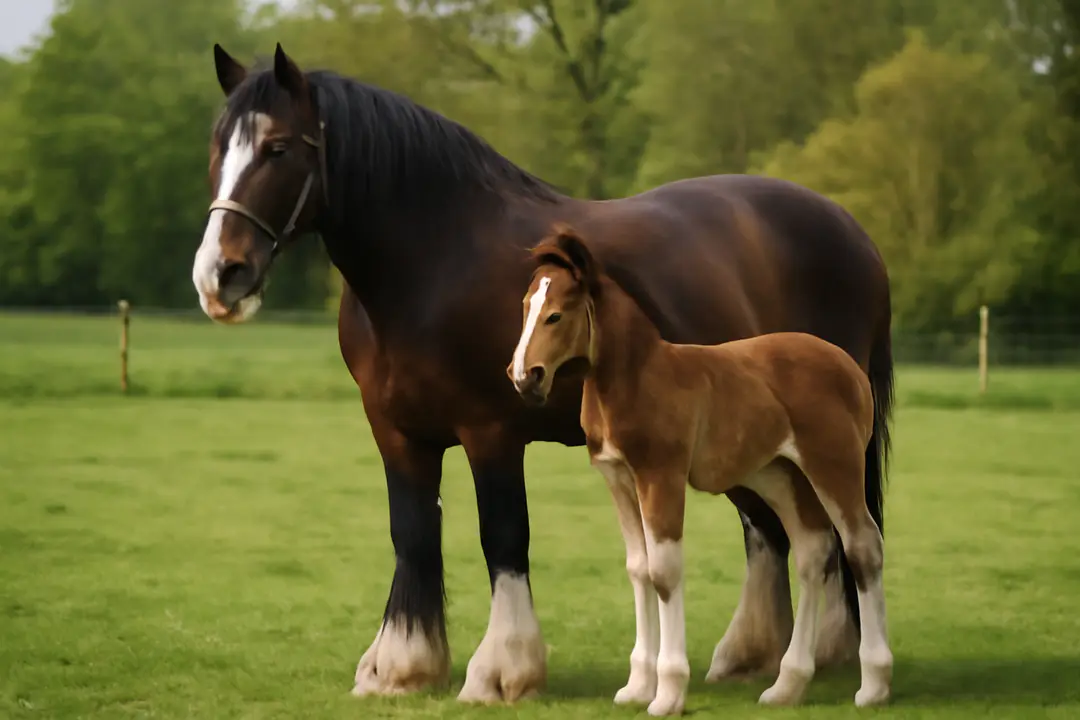
Best Age to Breed Shire Horses: A Comprehensive Guide
Breeding Shire horses is a rewarding but complex journey that starts long before the stallion meets the mare. Many breeders focus on genetics and pedigree, yet they often overlook the critical window of physical maturity that influences fertility and foal health. Ignoring this can lead to lower conception rates or increased risks during pregnancy. So when exactly is the best age to breed Shire horses to ensure a healthy outcome?
The ideal breeding age balances skeletal growth and reproductive readiness, generally between four and eight years. Recognizing this window means you can plan matings that support mare wellness and produce vigorous foals. Understanding these age markers helps you make informed decisions and avoid unexpected setbacks in your breeding program.
Breeding Age Basics
Shire horses reach skeletal maturity around four years old, when their bones and joints can handle the demands of pregnancy. Breeding before this age risks stunting growth and overtaxing immature systems. On the other hand, mares over eight or nine may face declining fertility and higher chances of complications.
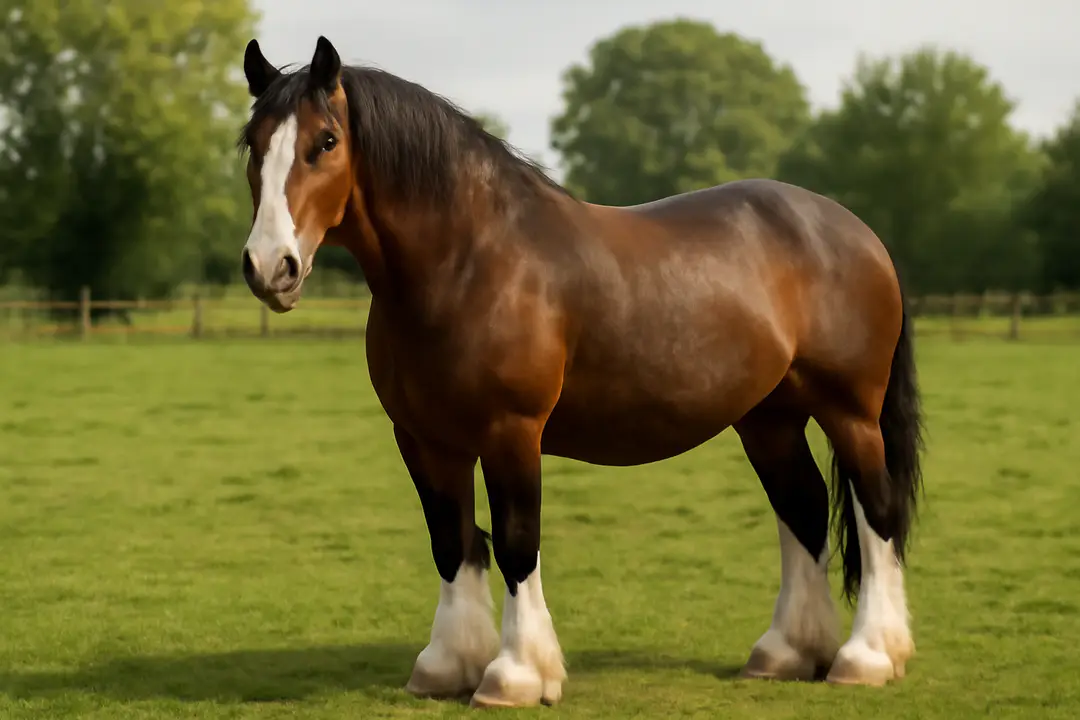
Most experts recommend starting at age four or five, once the mare has filled out and shown soundness under saddle or work. Stallions follow a similar timeline, though strong fertility can last into their teens. Keep records of foaling dates, and track reproductive exams so you know when each animal peaks in performance.
Practical tip: Schedule a vet check at three years to confirm your mare’s reproductive organs and bone health are ready. Early evaluation can catch subtle issues and let you adjust nutrition or exercise before breeding begins. This foundation will pay off with smoother pregnancies later on.
Mare Readiness Signs
Not every four-year-old mare is ready to breed. Look for a healthy body condition score (BCS) between 5 and 6, consistent estrus cycles, and strong vitality. A mare in poor weight or with irregular cycles may struggle to conceive or carry a foal to term.
Watch her heat patterns: ideally she should cycle every 21 to 23 days. Keep a notebook of signs—swollen vulva, tail-flicking, mild appetite changes. Digital tools or apps can help track your mare’s cycle with reminders for ultrasounds or progesterone tests.
Tip: Perform a breeding soundness exam before the first planned mating. A palpation or ultrasound can reveal uterine health, ovarian follicles, and any scars or adhesions. Addressing these issues early keeps your mare on track and saves costs down the road.
Stallion Selection Age
Choosing the right stallion age is just as important as picking the mare’s prime window. Younger stallions (four to six years) often have high libido and energy but may lack proven fertility records. Older stallions (nine to twelve years) bring experience but could show reduced sperm quality.
| Age Range | Pros | Cons |
|---|---|---|
| 4–6 years | High vigor, fresh genetics | Limited fertility history |
| 7–9 years | Peak fertility, proven results | Potential for latent health issues |
| 10+ years | Veteran bloodlines, predictable | Declining sperm quality |
Pro tip: Collect and freeze semen from your best stallions in their peak years. This practice ensures you have viable doses even as fertility wanes. It also lets you plan for unexpected health setbacks.
Health and Nutrition
Proper feeding and care set the stage for successful breeding. Mares need balanced energy—hay and pasture, plus a formulated grain mix rich in protein, vitamins A, E, and minerals like calcium and phosphorus. Overweight mares may suffer from metabolic issues; underweight mares struggle to support embryo growth.
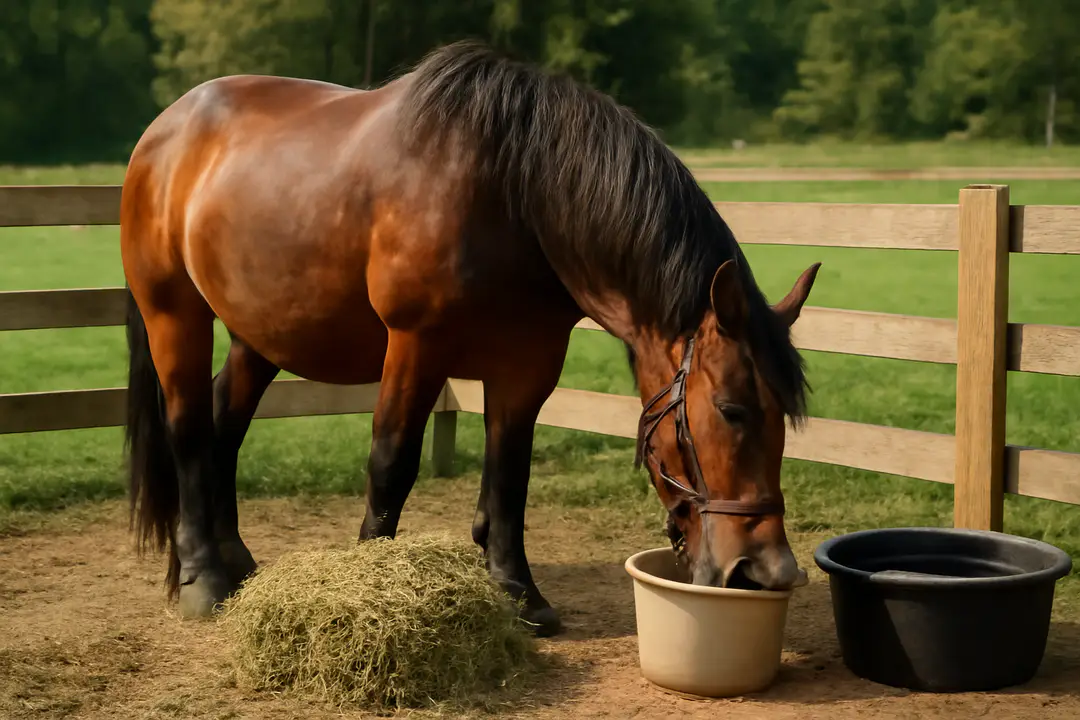
- Forage: 1.5–2% of body weight daily
- Concentrates: Adjust based on BCS (5–6 target)
- Supplements: Omega-3 oils, biotin, trace minerals
- Fresh water: Unlimited access at all times
Alongside feeding, maintain a consistent exercise plan to support muscle tone and circulation. Grooming routines help spot skin issues or swelling early. For a deeper look at daily upkeep, see our guide on daily care routines for Shire horses.
Seasonal Timing Tips
Shire horses are long-day breeders, meaning they come into heat as daylight increases in spring. Aim to begin breeding when daylight hours reach 12 per day—usually March or April in temperate zones. This timing gives your mare the best chance of conceiving early and foaling in late winter or early spring, when grass returns.
Artificial lighting in stalls can trick your mare’s cycle into starting sooner. Providing 16–18 hours of light daily for 60 days before planned breeding can bring her into heat by February. But use a timer and consistent bulbs to avoid stress.
Understanding your breed’s history helps refine timing. The heritage of the Shire horse shows they thrived on cool climates and seasonal work rhythms. Aligning your program with these instincts supports natural fertility and reduces hormonal disruptions.
Planning the Foal
Once you’ve selected partners and timing, set a clear plan. Book your vet for breeding exams, vaccinations, and semen collection or live cover scheduling. Confirm barn stalls are clean, deep-bedded, and at a comfortable temperature for early gestation.
Prepare foaling kits: disinfectant, clean towels, iodine, and emergency contacts. Train staff or family to recognize early labor signs. Late in gestation, watch for udder development and ligament relaxation around the tailhead.
After breeding, maintain balanced care just as described under ongoing maintenance routines. Keep nutrition steady, minimize stress, and track mare weight and behavior. Good planning turns a breeding date into a healthy, thriving foal in due season.
Conclusion
Breeding Shire horses at the right age is a blend of science, experience, and timing. By waiting until mares and stallions are between four and eight years old, you tap into peak fertility and robust physical maturity. Detailed health checks, proper nutrition, and respect for seasonal cycles all play vital roles.
Every breeding program benefits when you track readiness signs, vet exam results, and environmental factors. Early planning—from barn prep to light therapy—reduces surprises and sets your mare up for a smooth gestation. In the end, understanding the best age to breed Shire horses gives you confidence to produce strong, healthy foals and safeguard breeder investments.
Takeaway: Respect biological windows, support your horses with top-notch care, and schedule breedings in harmony with nature. Your attention to age and readiness pays off in happy mares and lively foals.