How to Groom a Shire Horse
Grooming is an essential aspect of maintaining the overall health of a Shire horse. As a breed known for its immense size and majestic coat, regular grooming helps prevent skin conditions, reduces the risk of infections, and promotes circulation. Additionally, grooming is a prime opportunity to inspect the horse for injuries, parasites, or other concerns that may go unnoticed in daily handling. Beyond physical health, the grooming process fosters trust and companionship between the horse and its handler, making interactions smoother and more enjoyable.
Understanding the Unique Grooming Needs of a Shire Horse
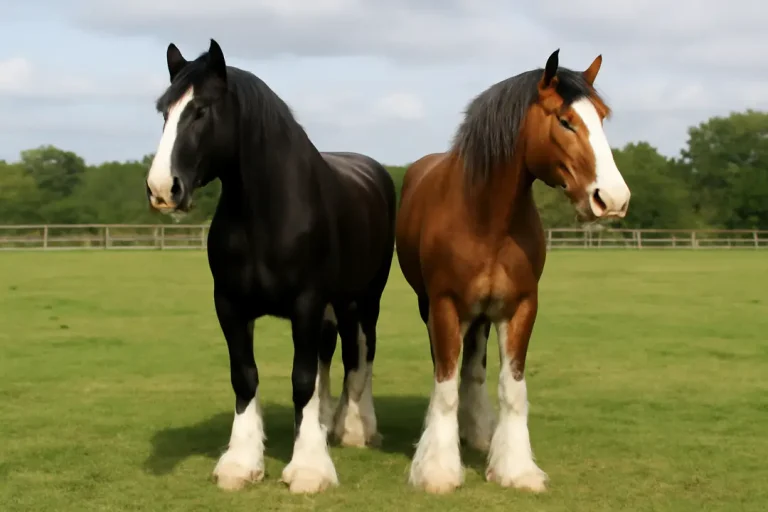
Unlike smaller equines, the Shire horse possesses a dense coat, thick mane, and heavily feathered legs, all of which require specialized care. Their sheer size means that grooming sessions take longer and demand more effort. Their feathering is particularly prone to accumulating mud, debris, and moisture, making them susceptible to conditions such as mud fever. Understanding these unique grooming needs ensures that a Shire horse remains in peak condition year-round.
Essential Grooming Tools and Equipment
Grooming a Shire horse requires a well-stocked toolkit, including a sturdy curry comb for loosening dirt, stiff and soft brushes for cleaning, a detangling comb for the mane and tail, and a hoof pick to maintain healthy hooves. Additional essentials include feather brushes, mild equine shampoo, and specialized conditioners to keep the coat glossy and skin moisturized. A step stool may also be necessary to reach the upper portions of the horse comfortably.
Preparing for Grooming
Creating a Safe and Comfortable Grooming Environment
A calm and controlled environment is crucial for a successful grooming session. The area should be free from distractions, loud noises, or sudden movements that might startle the horse. A well-lit, well-ventilated space with secure footing prevents slipping and ensures the safety of both the horse and the handler. Grooming ties or cross ties can help keep the horse in place without restricting its movement.
How to Properly Secure a Shire Horse for Grooming
Given the horse’s large stature, securing it properly is vital. Using a sturdy halter and lead rope ensures control, while cross-tying provides stability without causing discomfort. Some Shire horses may prefer to be held by an assistant rather than being tied up. Always allow some slack in the lead rope to prevent panic should the horse pull back suddenly.
Building Trust: Establishing a Positive Grooming Routine
Horses thrive on routine, and grooming is no exception. Establishing a consistent approach by beginning with the same steps each time fosters a sense of familiarity and comfort. Speaking in calm, reassuring tones and offering treats or positive reinforcement makes the experience enjoyable for the horse. Spending time gently handling sensitive areas like the face and legs gradually builds trust over time.
Brushing and Cleaning the Coat
Choosing the Right Brushes for a Thick and Long Coat
Shire horses require brushes designed for deep cleaning due to their thick coats. A rubber curry comb helps lift dirt and loose hair from the skin, while a stiff-bristled brush removes debris effectively. A soft-bristled brush is ideal for sensitive areas like the face and legs, ensuring a thorough yet gentle clean.
Step-by-Step Guide to Brushing a Shire Horse
Start by using the curry comb in circular motions across the horse’s body to loosen dirt and hair. Follow up with a stiff brush to remove debris, working in the direction of hair growth. Use a soft brush for delicate areas, paying special attention to the belly, face, and legs. Finish by wiping the coat down with a damp cloth for added shine.
Removing Dirt, Debris, and Loose Hair Effectively
The thick coat of a Shire horse can trap significant amounts of dirt and sweat. Regular brushing, especially after exercise or turnout, prevents matting and buildup. For stubborn dirt, a damp sponge or cloth can be used to lift debris without irritating the skin.
Managing Seasonal Shedding and Coat Maintenance
Spring and fall are peak shedding seasons for Shire horses. A shedding blade or grooming gloves can help remove excess hair efficiently. During winter, additional care is needed to ensure the coat remains clean and free of excess moisture, which could lead to fungal infections.
Mane and Tail Care
Keeping the Shire Horse’s Mane Tangle-Free and Neat
Shire horses boast long, flowing manes that require regular attention to prevent knots and tangles. Using a wide-toothed comb and detangling spray makes the process smoother and reduces breakage.
Proper Techniques for Detangling Without Breaking Hair
Start at the ends and work upwards using gentle strokes to avoid pulling. Spraying a leave-in conditioner helps keep the mane manageable and reduces static. Never forcefully tug at knots; instead, work them out patiently with fingers or a comb.
Braiding vs. Leaving It Loose: What’s Best for Your Horse?
Braiding the mane can protect it from tangles and breakage, particularly for horses frequently turned out in the field. However, leaving it loose allows natural movement and airflow. The decision depends on the horse’s lifestyle and owner preference.
Washing and Conditioning for a Healthy Shine
Occasional washing with a mild shampoo keeps the mane and tail clean and soft. Follow up with a deep-conditioning treatment to maintain moisture and prevent dryness. Always rinse thoroughly to avoid product buildup.
Feathered Legs and Hoof Care
Understanding the Challenges of a Shire Horse’s Feathered Legs
The hallmark feathering on a Shire horse’s legs adds to their majestic appearance but requires special attention. Feathered legs trap dirt, moisture, and debris, making them prone to skin conditions such as mud fever.
Daily Maintenance to Prevent Dirt Build-up and Skin Irritations
Regular brushing and washing keep the feathering clean. Drying thoroughly after exposure to mud or rain is essential in preventing bacterial and fungal infections.
How to Prevent and Treat Mud Fever and Other Skin Conditions
Applying a barrier cream or powder to the feathered legs helps protect against moisture-related skin issues. At the first sign of irritation, washing with an antimicrobial shampoo and applying medicated ointment can help prevent worsening conditions.
Cleaning and Checking Hooves: A Step-by-Step Guide
Using a hoof pick daily removes dirt, stones, and debris that could cause discomfort or lameness. Checking for cracks, thrush, or signs of infection ensures early intervention when necessary.
Choosing the Right Hoof Oil and Conditioning Products
A quality hoof oil or conditioner strengthens the hooves and maintains hydration, preventing cracking and brittleness. Applying these products after cleaning locks in moisture and enhances hoof durability.
Conclusion
Regular grooming is an indispensable aspect of Shire horse care. Beyond enhancing their majestic appearance, it plays a crucial role in maintaining their health and well-being. A well-groomed horse is a happy, comfortable, and confident companion. Grooming also serves as a bonding experience, strengthening the connection between horse and handler. By incorporating a thorough and consistent grooming regimen, owners ensure that their Shire horses remain in peak condition for years to come.
FURHTER READING