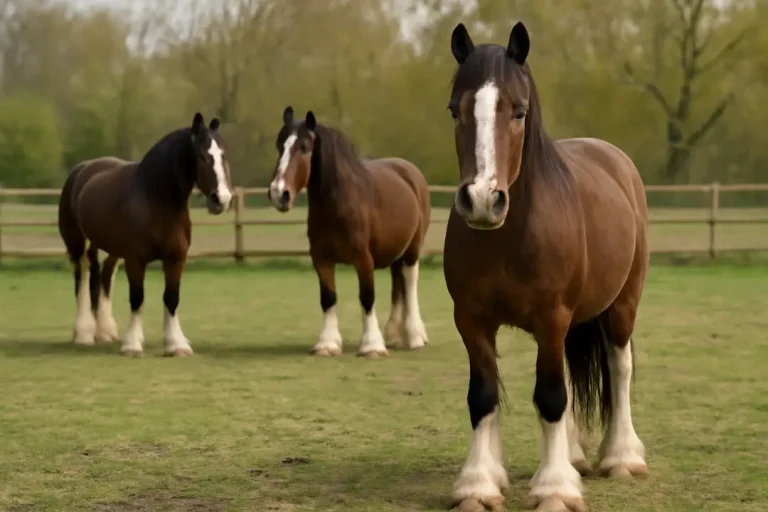

Shire Horse Breed: History, Traits, and Care Guide
Shire horses have long captivated horse enthusiasts with their sheer size and gentleness. This British breed is steeped in history, recognized not only for its remarkable height and strength but also for its pivotal role in agriculture and transportation. Shire horses once pulled heavy loads, supporting a wide range of rural and urban industries, earning them renown as powerful and reliable draft horses.
These majestic animals are as impressive in temperament as they are in stature. Known for their calm and patient nature, Shire horses make excellent companions and working partners. Their unique combination of strength and docility has secured their place in both historical and modern settings, from pulling plows on farms to competing in shows.
The Shire horse continues to inspire admiration and respect across the globe. With careful breeding and dedicated care, the future of this noble breed remains secure. Preservation efforts by enthusiasts and organizations ensure that the Shire horse will continue to be appreciated for generations to come.
Key Takeaways
- Shire horses are famed for their size and strength.
- Their calm demeanor makes them ideal working partners.
- Preservation efforts support the breed’s future.
History of the Shire Horse Breed
The Shire horse is a remarkable breed known for its size and strength, with roots in England. This breed has played a crucial role in agriculture and transport and continues to be a focus of conservation efforts today.
Origins and Development
The Shire horse traces its lineage back to the medieval “Great Horse.” These horses were known for their strength and size, used in battle to carry knights in heavy armor. As time progressed, the need for large, strong horses remained, especially in England.
The modern Shire evolved from these historic horses, with significant development occurring in the 18th and 19th centuries. The breed was further refined to enhance its capacity for heavy work. Official records like the Shire Stud Book documented breeding efforts and helped standardize the breed.
Role in Agriculture and Transport
Shire horses were indispensable in agriculture, renowned for their ability to pull plows and heavy loads. These horses became a familiar sight on farms, contributing significantly to agricultural productivity. Their strength allowed them to handle demanding tasks that were crucial for farming operations.
In the industrial era, Shires were also used to transport goods. In cities like London, they pulled carts and wagons, serving delivery and waste management needs. With around 19,000 horses employed, their impact on transport infrastructure was immense.
Conservation Efforts
Despite their historical importance, Shire horses faced decline as mechanization reduced the need for draught animals. By the 20th century, their numbers had dwindled significantly. Conservation groups and breed societies dedicated efforts to preserve this remarkable breed.
Organizations such as the American Shire Horse Association work to maintain genetic diversity and promote awareness. Breed enthusiasts have also contributed to these efforts, ensuring that the Shire horse remains a living symbol of heritage and tradition. Their ongoing dedication helps to keep the Shire breed vibrant and sustainable for future generations.
Breed Characteristics
The Shire horse is known for its towering height and strong build, making it ideal for heavy work. It’s recognizable for its calm disposition and sporty colors.
Physical Description
Shire horses stand out due to their impressive height. Stallions typically measure between 17 and 19 hands tall, while mares are slightly shorter. This breed possesses a sturdy build with a wide chest and muscular hindquarters. Their legs are long and powerful, adorned with feathering—long hair along the lower regions.
Shires have a straight profile and a broad forehead, with expressive eyes. This combination of physical traits contributes to both their strength and grace, allowing them to excel in various heavy tasks while maintaining a gentle appearance.
Temperament
Shire horses exhibit a calm and gentle demeanor, making them ideal for various roles. Their patient nature allows them to work efficiently alongside others. They are known for being good-natured and friendly, quick to bond with their handlers.
Their temperament also makes them suitable for beginners and experienced riders alike. Despite their large size, Shires are surprisingly nimble, exhibiting obedience and willingness that appeal to horse enthusiasts and owners looking for a reliable and steady companion.
Color Variations
The Shire horse displays a range of striking colors. Common coat colors include black, bay, and grey. Black Shires are particularly popular, with their rich, dark coats and contrasting lighter feathering. Bay Shires have a mix of brown and black tones, while grey Shires can vary from light grey to nearly white.
Some Shires may even showcase small white markings on their faces and legs, adding to their distinct appearance. These color variations, paired with their impressive size, make Shires truly captivating to observe.
Habitat and Distribution
Shire horses thrive in various environments but are predominantly found in certain regions. They have adapted to different climates and terrains, making them versatile animals.
Geographical Range
Shire horses originate from England and are primarily distributed across the United Kingdom. They are also prevalent in the United States, where they have become popular for both agricultural work and leisure riding. Smaller populations can be found across Europe, Australia, and Canada, largely due to breeding programs aimed at preserving this historic breed.
In the United Kingdom, Shire horses are often seen in local fairs and working on farms. The climate and landscape in these regions suit their needs, allowing them to thrive.
Adaptation to Environments
Shire horses have adapted to a range of climates and terrains over time. Their thick coat keeps them warm in colder regions, while their strong build allows them to work on various types of land. Despite their size, Shire horses manage well in both rural and semi-urban environments.
They are known for their calm demeanor, which helps them adjust to different settings, from bustling city parades to quiet farm life. Their ability to adapt has helped maintain their role as valuable working horses in many communities.
Breeding and Genetics
Breeding Shire horses involves maintaining genetic diversity while ensuring desirable traits. Genetics play a key role in producing healthy, strong, and well-tempered horses.
Breeding Practices
Shire horses are bred with careful consideration to preserve their size, strength, and gentle nature. Breeders often use pedigree analysis to select compatible mates, reducing the risk of genetic disorders. Recording ancestry helps trace lineage and assess breeding potential.
The Shire Horse Society employs structured programs to oversee breeding initiatives. These programs aim to balance the population and prevent inbreeding, which can harm genetic diversity. Breeding practices are vital for sustaining the Shire horse’s unique characteristics and historical lineage.
Genetic Health Considerations
Genetic health is crucial for the longevity and vitality of Shire horses. Risks such as inbreeding can cause health issues like immune system weaknesses and genetic diseases.
Monitoring breeding lines helps identify potential genetic problems. Breeders often use genetic testing to detect disorders early and ensure healthy offspring. Maintaining a wide gene pool reduces risks, promoting overall health and sustainability for the Shire breed.
Ensuring genetic variety helps protect individual horses and the breed’s future.
Uses and Roles Today
Shire Horses are known for their large size and gentle nature, making them suitable for a variety of roles. From modern work tasks to recreational activities, they contribute to society in numerous ways.
In Modern Work
Today, Shire Horses continue to play an important role in farming and forestry. They are often used for tasks that require strength and endurance, such as plowing fields and hauling logs. Their ability to work in environments where machinery might struggle, such as uneven or rocky terrain, makes them invaluable.
In urban settings, Shire Horses are sometimes seen pulling carriages, providing a nostalgic transportation option. Their presence in cities is often linked with sightseeing tours, adding a traditional touch to urban experiences.
Recreational and Competitive Riding
In the realm of recreation, Shire Horses are appreciated for their calm demeanor. Many equestrians enjoy riding them for pleasure, as these gentle giants are easy to handle. They also participate in competitive events that test their strength and agility.
Shire Horses compete in pulling competitions, where their natural power is showcased. In these events, they demonstrate their ability to pull heavy loads over specified distances. Additionally, they are featured in show competitions that highlight their size and grace.
Cultural Significance
Culturally, Shire Horses hold a place of honor in many communities. They are often a part of ceremonies and celebrations, representing history and heritage. Their appearance at festivals and parades makes these events more colorful and traditional.
Communities that have historical ties with Shire Horses actively celebrate these connections. Events and festivals are organized to showcase the breed, drawing attention to its importance in local history and ensuring the Shire Horse remains a cherished icon of the past and present.
Care and Management
Proper care and management of Shire horses involve attentive practices in feeding, grooming, and healthcare. Their large size requires specific consideration in each of these areas to maintain their health and well-being.
Feeding and Nutrition
Shire horses have significant dietary needs due to their size. They require a balanced diet rich in high-quality hay and grains. It’s vital to ensure that their diet contains sufficient calories to support their energy requirements.
A typical feeding program includes a balance of fibers, proteins, and vitamins. Fresh water should always be available, as hydration is crucial. Additionally, overfeeding can lead to obesity, so portion control is essential. Monitoring their weight and adjusting their diet according to their activity levels help maintain optimal health.
Grooming and Hoof Care
Regular grooming is essential for Shire horses to maintain healthy coats and skin. Brushing helps remove dirt and promote blood circulation. It also provides an opportunity to check for skin issues like sores or parasites.
Their hooves need regular attention. Hoof care includes routine cleaning to remove debris and inspection for signs of damage or infection. A professional farrier should trim their hooves every six to eight weeks to ensure proper hoof health. Proper hoof care prevents common problems like cracking or thrush.
Healthcare and Veterinary Needs
Healthcare is an important aspect of caring for Shire horses. Regular veterinary check-ups are necessary to track their overall health and address any emerging issues early. Vaccinations and deworming protocols should be strictly followed to protect them from diseases.
Shire horses are prone to certain health problems like joint issues due to their size. A veterinarian can suggest supplements to support joint health. It is crucial to establish a relationship with a knowledgeable vet familiar with large draft breeds, ensuring specialized care when needed.
Organizations and Registries
Organizations play a significant role in maintaining breed standards and supporting the preservation of Shire horses. Key aspects of these organizations include regulation, standards, and dedicated efforts to ensure the longevity of the breed.
Regulation and Standards
The American Shire Horse Association (ASHA) focuses on maintaining accurate registries and adhering to established breed standards. Founded in 1885, it has a long history of commitment to the Shire breed.
Breed standards involve size, conformation, and markings, crucial for sustaining breed identity. The ASHA ensures all registered horses meet these standards. Pedigree records are detailed and trace back to the Shire Horse Society in the U.K. Horses born in Europe have specific registration processes, ensuring a standardized and recognized lineage.
Supporting Breed Preservation
The preservation of the Shire breed is a core mission for organizations like ASHA. Efforts include promoting breed awareness, organizing events, and educating potential breeders and owners.
Membership in ASHA offers access to resources like breeder listings and events, fostering community participation. The association also highlights the versatility of Shire horses in various roles, encouraging broader interest and engagement in preserving this historic breed.
By conducting outreach and maintaining a strong member community, ASHA ensures that these draft horses continue to have a presence in agriculture and leisure activities, safeguarding their future for generations.
Frequently Asked Questions
Shire horses are known for their impressive size, strength, and calm demeanor. This section addresses common questions about their price factors, physical traits, and differences from similar breeds.
What factors influence the price of a Shire horse?
The price of a Shire horse can vary based on age, training, health, and pedigree. Horses with proven ancestry or show potential often command higher prices. Market demand and location also play a role.
What is the average height and weight range for a Shire horse?
A Shire horse typically stands between 16.2 to 19 hands tall. They usually weigh between 1,800 to 2,400 pounds, making them one of the largest horse breeds.
What color variations are common in Shire horses?
Shire horses are commonly seen in black, bay, and gray. These color variations are traditional and widely accepted in the breed standards.
What are the notable differences between Shire horses and Clydesdales?
Shire horses are generally larger and heavier than Clydesdales. Shires often have solid colors and thicker legs, while Clydesdales are famous for their distinctive feathering around the hooves.
What characteristics distinguish Shire horses from other breeds?
Shire horses are distinguished by their massive build and exceptional strength. Their gentle temperament and willingness to work make them unique among large breeds, as they are both powerful and easygoing.
How prevalent are Shire horses in the United States?
There are relatively few Shire horses in the United States, with less than 1,500 reported worldwide. Efforts are ongoing to preserve and increase their numbers through selective breeding programs.
FURTHER READING