Shire Horse Size Insights: Key Guide to Gentle Giants
When you first meet a Shire horse, it’s hard not to be amazed by its size and strength. These gentle giants have long been prized in agriculture, parades, and shows for their towering presence. Yet amid the focus on their power and elegance, one detail often slips under the radar: just how big do Shires really get? What should you expect if you’re planning to bring one of these colossi into your stable?
Shire horse size might seem straightforward, but understanding their exact height and weight ranges is vital for proper care, equipment fit, and facility planning. Knowing these figures ahead of time helps you choose the right tack, design stalls that fit, and avoid surprises in feed costs or handling challenges. Let’s dig into the numbers, growth factors, and practical tips every owner should know.
Average Height and Weight
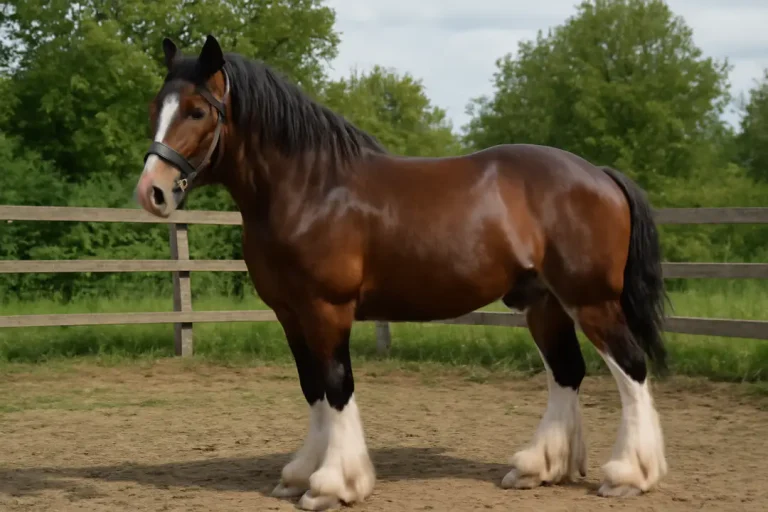
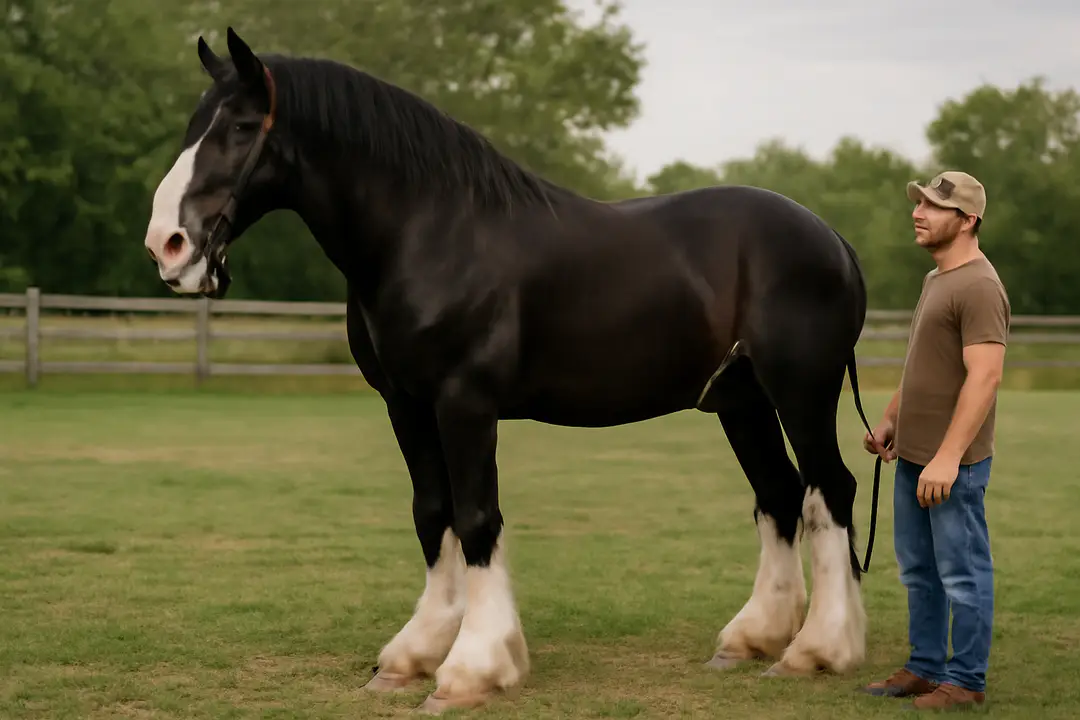
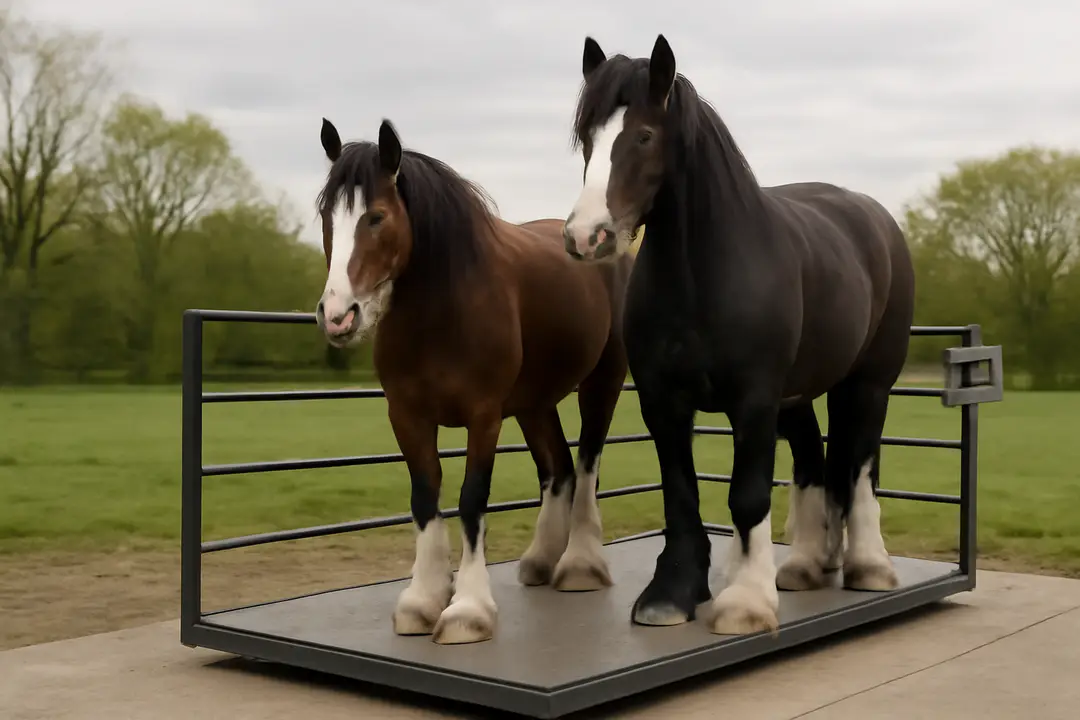
On average, adult Shire horses measure between 17 and 18 hands high (68–72 inches). Stallions often reach the upper range, while mares tend to be slightly smaller. Weight varies too. Most adults weigh from 1,800 to 2,400 pounds, with well-conditioned males sometimes exceeding 2,500 pounds.
| Category | Height | Weight |
|---|---|---|
| Mares | 17–17.3 hands | 1,800–2,200 lbs |
| Stallions | 17.2–18 hands | 2,000–2,500+ lbs |
| Geldings | 17–17.2 hands | 1,900–2,300 lbs |
Practical tip: Always weigh your horse on a livestock scale when possible. If that’s unavailable, use a weight tape and adjust based on body condition. Accurate weight tracking prevents over- or underfeeding.
Growth Stages
Shire foals start life around 100–150 pounds and stand about 5 to 6 hands high. In the first year, they can gain 500–700 pounds and grow another 3 to 4 hands. By age three, most are at 90% of their adult height, although muscle and bone density continue developing until age five.
Nutrition drives this growth. A balanced ration rich in quality forage, strategic protein, and essential minerals supports healthy bones. Overfeeding grain can lead to uneven growth or joint stress. For breed-specific guidance, exploring the Shire horse breed history, traits, and care guide offers deeper insights into genetic tendencies and ideal feeding plans.
Practical tip: Schedule regular checkups with an equine veterinarian or nutritionist. They can monitor your youngster’s frame and adjust feed to promote steady, healthy growth.
Factors Influencing Size
While breed standards set a general size range, several elements can push a Shire toward being smaller or larger:
- Genetics: Bloodlines with heavy weight-pulling forebears often yield larger offspring.
- Nutrition: High-quality hay and balanced concentrates support bone and muscle development.
- Exercise: Regular turnout and low-impact work encourage healthy growth without stress.
- Health: Parasite control and dental care ensure nutrients are absorbed efficiently.
- Environment: Stable comfort and consistent routines reduce stress, aiding steady growth.
Practical tip: Keep a growth chart. Note height and weight every three months, then compare to breed averages. This simple record helps spot growth stalls or rapid gains that need feed tweaks.
Measuring Properly
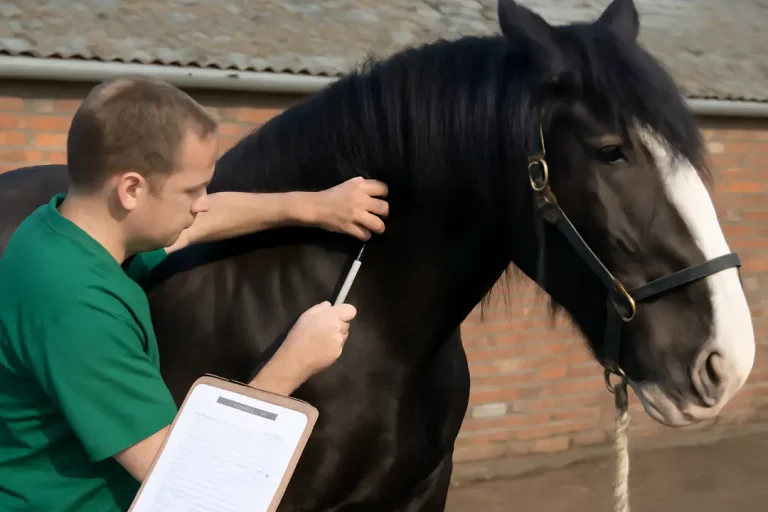
Accurate measurement is more than just reading a stick. You need firm ground, a flat measuring stick, and a calm horse. Clean the horse’s legs and hooves—dirt or mud can add false height. Stand the horse square, with its weight evenly distributed.
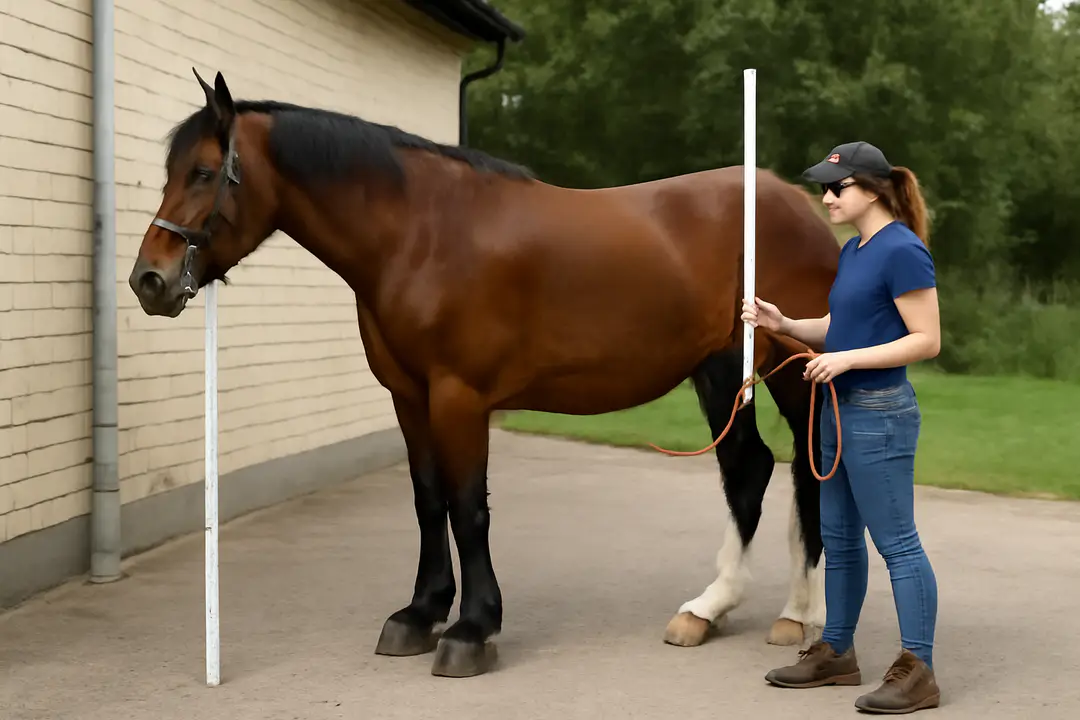
For weight, a livestock scale is ideal. If you don’t have one, use a weight tape around the girth just behind the withers. Pull snug but not tight. Compare readings over weeks to spot trends. Before measuring, brushing and grooming help the horse stand steadily. Check out tips on how to groom a Shire horse—a calm, clean horse measures more precisely.
Practical tip: Record measurements in the morning when the horse is rested and before feeding. This consistency reduces variation from digestive fill or fatigue.
Health and Size
Large size brings specific health considerations. Joint stress is common in quick-growing foals or overweight adults. Regular hoof trimming keeps weight evenly distributed. A balanced exercise plan prevents stiffness and supports joint health.
Chronic conditions like arthritis can be managed if caught early. Use joint supplements rich in glucosamine and chondroitin. Monitor your horse for subtle lameness or reluctance to move. Early intervention saves years of discomfort.
Practical tip: Create a simple health log. Note any changes in mobility, appetite, or attitude. Sharing it with your vet at each checkup builds a picture of your horse’s well-being over time.
Space and Housing
Shire horses need generous stalls—at least 14 by 14 feet—to move comfortably and lie down. Doorways should be 4 to 4.5 feet wide to prevent shoulder rubs. Ceiling height matters too; aim for 10 feet to avoid head bumps.
Turnout areas benefit from sturdy, high fencing. A mature Shire can lean heavily on a fence, so invest in strong boards or pipe rails. Paddocks should allow smooth movement to promote joint health and mental well-being.
Practical tip: Install rubber mats in stalls. They cushion the legs of heavy horses and reduce joint strain when they lie down or stand. Also, add deep bedding to protect hocks.
Conclusion
Understanding Shire horse size goes beyond admiring their height and bulk. It means planning stalls that fit, feeding for healthy growth, and preventing joint issues. Accurate measurements, balanced nutrition, and attention to environment all play a role in helping these gentle giants thrive.
Whether you’re welcoming your first foal or maintaining a seasoned stallion, knowing the numbers ensures you can provide the best care. Keep records, consult experts, and tailor your facilities to handle the impressive stature of a Shire. With the right preparation, you’ll enjoy the grace and power of these extraordinary horses for years to come.