Shire Horse Height: Definitive Guide to Tall Stature
Every Shire horse you see towering above other breeds carries a story of strength and tradition. While most folks focus on their majestic appearance or gentle nature, the real game-changer often comes down to one detail: height. Have you ever wondered how tall these gentle giants really stand, and why that measurement seems to mystify even seasoned equestrians?
It turns out understanding a Shire horse’s height can save you from surprises at inspection, influence the right tack choice, and ensure your stable setup fits just right. By knowing what drives those extra inches, you’ll make smarter choices when buying, training, or simply admiring these gentle giants.
Why Height Matters
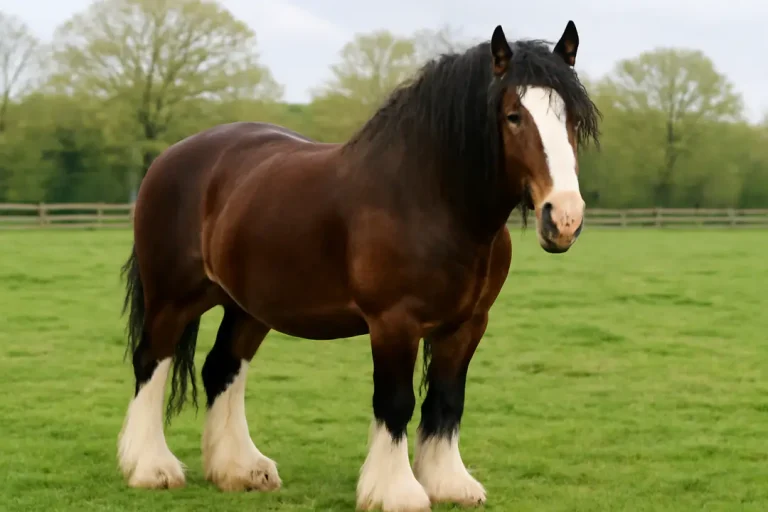
Shire horses rank among the tallest breeds in the equine world. Their size affects everything from feeding budgets to stable door dimensions. If you underestimate this aspect, your barn might end up with too-small stalls or too-low ceilings.
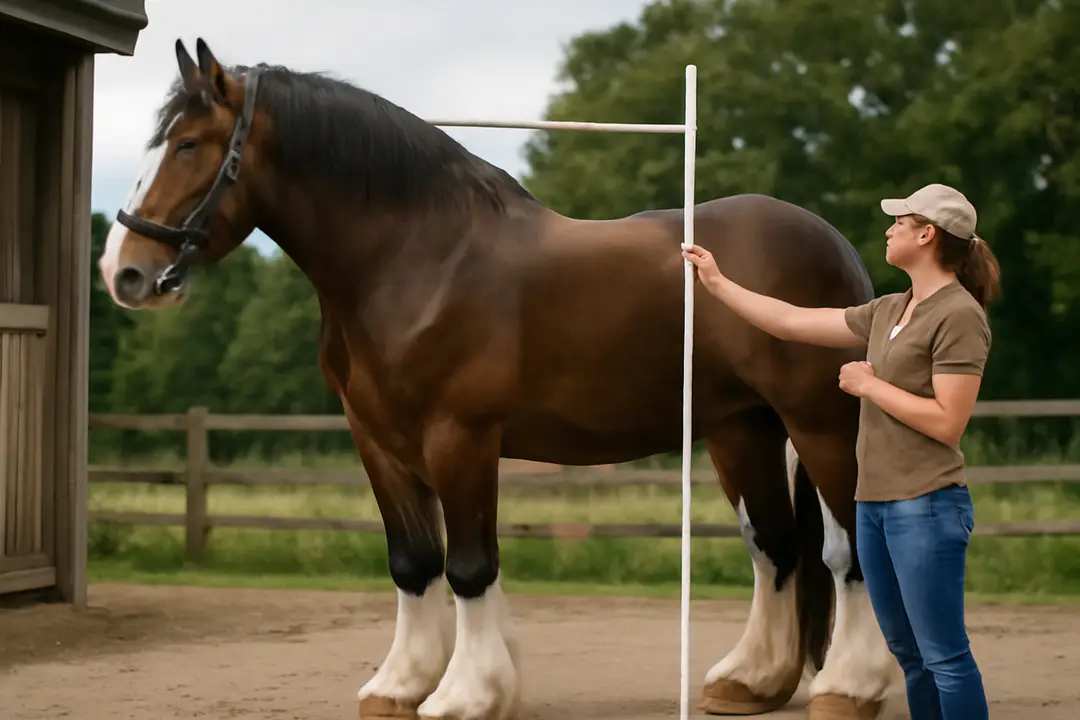
From a sporting perspective, height influences a horse’s stride length and weight‐carrying capacity. A taller Shire often brings a longer reach in pulling and plowing, making them perfect for draft work. On the flip side, getting saddles and harnesses to fit properly can become a tricky puzzle if you haven’t measured correctly.
Practical tip: Always measure a Shire horse’s height at the same time of day. Early morning readings tend to be a bit taller before the spine settles. Keep a log of monthly readings during growth phases to spot any irregular patterns early.
Measuring Shire Height
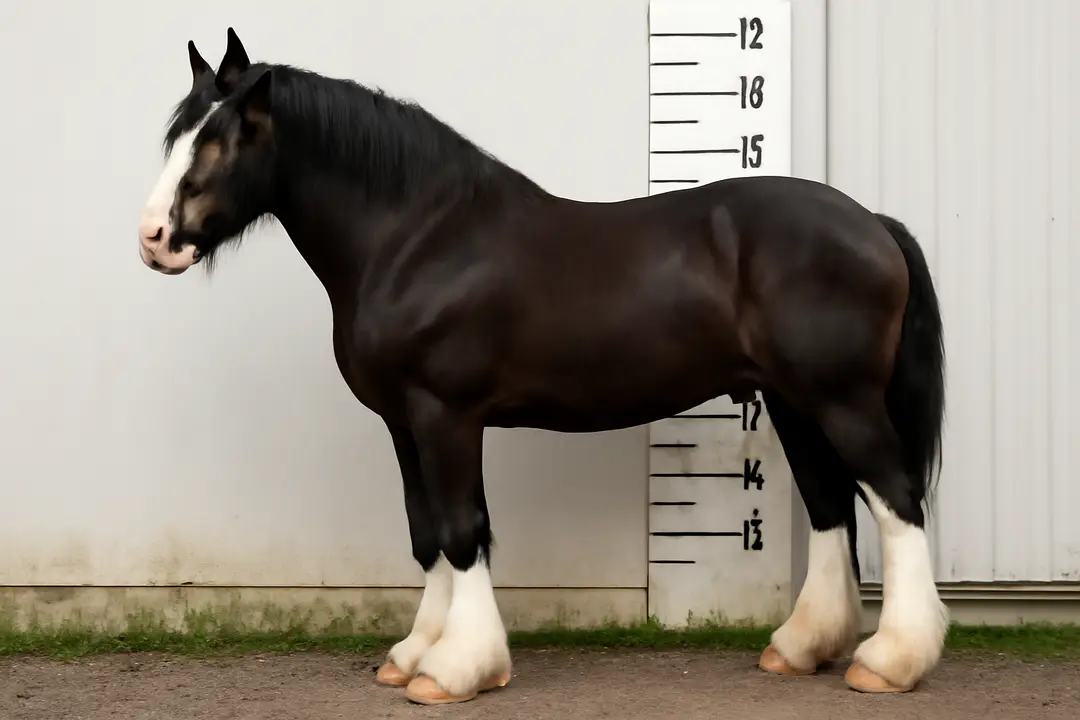
Getting an accurate height starts with the right tools. You’ll need a solid ground surface, a measuring stick with a crossbar, and an assistant. Have your horse stand squarely on level ground—no slanted arenas or soft footing.
Steps to measure accurately:
- Position the horse square on firm ground.
- Place the crossbar on the highest point of the withers.
- Lower the crossbar gently until it touches without pressing into the hair.
- Read the measurement in hands (1 hand = 4 inches) or centimeters.
- Record time, date, and ground conditions.
Tip: Use a familiar assistant to keep the horse calm. Shires can be jumpy around unfamiliar gear. Friendly chatter or a handful of treats can help them stand still.
Growth and Development
Shire foals start life at around 16 to 18 hands, but they keep growing until they’re four or five years old. Unlike some breeds that hit full height by age two, Shires pace their growth, letting bones and joints strengthen gradually.
Nutrition plays a critical role. A diet rich in quality forage, balanced minerals, and controlled grain ensures steady growth. Too much energy‐dense feed can push growth too fast, increasing the risk of joint issues. Always consult a nutritionist or your vet before changing rations.
Practical tip: Track height and weight together. If a foal’s height jumps but weight doesn’t keep up, the horse may lack muscle mass or store. Adjust forage or add a low‐starch supplement to promote lean growth without overloading on calories.
For more on overall care, new Shire owners may find this breed history and care guide helpful. It dives into feeding, grooming, and training tips tailored to this giant breed.
Factors Affecting Height
Genetics top the list when sizing up a Shire. Well‐bred lines often guarantee a taller horse. Look at parents and grandparents—if they were consistently over 17 hands, chances are high your foal will be similar.
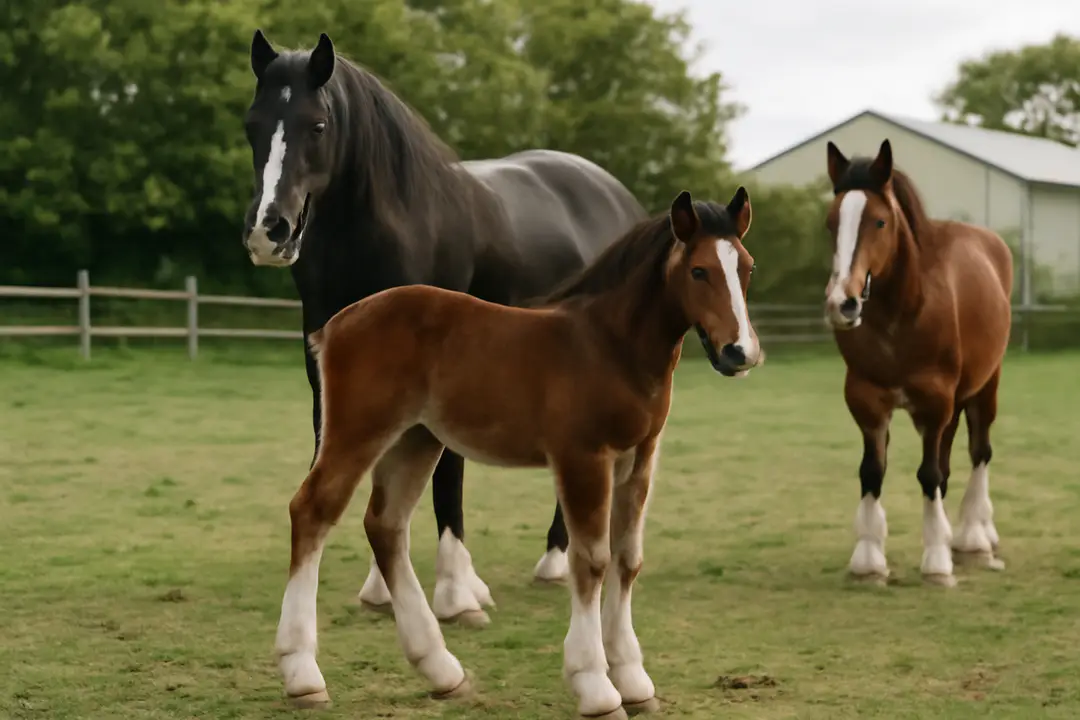
Other factors include health, exercise, and hoof care. Regular farrier visits and balanced trims support correct posture, allowing the horse to stand tall. Poor hoof angles can compress the spine and shave off valuable inches.
A balanced fitness program helps too. Light work and turnout encourage natural stretching. Avoid intensive strength training too early in life; developing joints need care, not forced muscle.
Tip: Collaborate with breeders who keep detailed height records. Many stud farms chart multiple generations, giving you a peek into growth trends before bringing a horse home.
Height by Sex
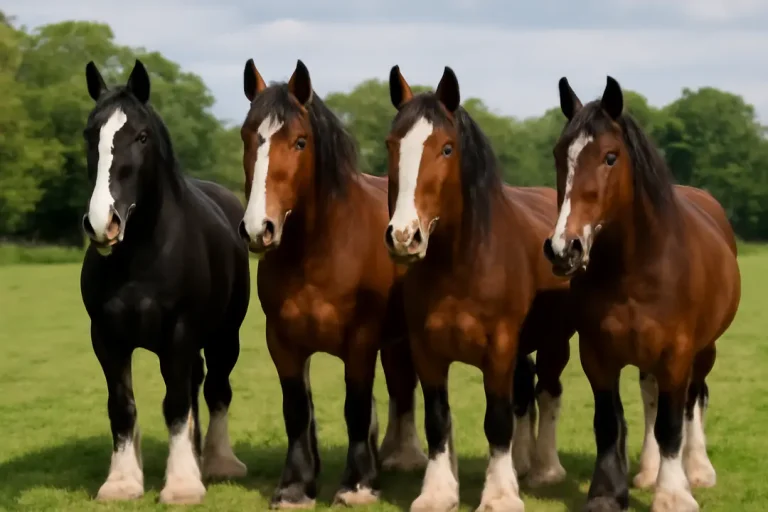
Male and female Shires show slight height differences. Stallions often reach the upper range, while mares typically fall mid-range. Below is a quick comparison table:
| Sex | Average Height | Range |
|---|---|---|
| Stallion | 17.2 hands | 16.2–18.0 hands |
| Mare | 16.3 hands | 15.2–17.5 hands |
| Gelding | 16.5 hands | 15.5–17.8 hands |
Knowing these averages helps set realistic expectations. If you’re fence‐building or shopping for harness, those inches matter. Always buy a touch larger when in doubt—adjustments are easier that way.
Impact on Work and Riding
Height influences a Shire’s workload and comfort under saddle. Taller horses have longer strides, making them efficient pullers. For carriage or farm work, that stride reduces effort and improves endurance.
However, a tall horse needs taller riders or special mounting blocks. If you intend to ride a Shire, your tack shop haul must include long girths and extended stirrups. Test a saddle fit on an inanimate model first, then on the live horse to avoid pressure points.
Practical tip: When planning a show or trail event, inspect venue access. Low bridges, small stalls, or narrow wash racks can spell trouble for your towering companion.
For grooming secrets that help maintain healthy joints and posture, explore tips on how to groom a Shire horse. Proper grooming keeps muscles warm and spine alignment optimal.
Conclusion
Grasping the ins and outs of Shire horse height transforms surprises into smooth planning. From barn design to feeding regimes, every detail hinges on knowing your horse’s inches. By measuring accurately, tracking growth, and understanding genetic influences, you stay ahead of the game.
Whether you’re a first‐time owner or a seasoned breeder, these gentle giants deserve tailored care. Use the tips here to fit stable doors, choose the right harness, and keep your horse healthy as they continue growing. Remember, height isn’t just a number—it’s the foundation for comfort, performance, and long‐term well‐being.
Next time you meet a Shire, you’ll see beyond the grandeur and appreciate the careful work behind every inch of their majestic stature.