
Shire Horse Characteristics: Complete Traits Care Guide
We often talk about horses in terms of speed and agility, but the Shire horse stands out for a different reason—it’s a gentle giant known for its calm strength. Yet many forget just how its unique build and temperament shape everything from barn design to rider experience. What are the subtler traits that people miss when they consider adopting or working with these majestic animals?
By exploring these overlooked characteristics—from bone density to social nature—you’ll know exactly what to expect. This knowledge can help you tailor your stable environment, choose the right gear, or simply deepen your bond with a Shire. Ready to discover the details that make caring for a Shire horse both rewarding and predictable?
Size and Build
Shire horses are among the largest horse breeds. On average, they stand 17 to 18 hands (68–72 inches) tall, though some can reach 19 hands. Weighing between 1,900 and 2,400 pounds, their broad chest and strong legs support heavy loads.
Key measurements:
- Height: 17–18 hands (68–72″)
- Weight: 1,900–2,400 lbs
- Girth: 86–100 inches
Practical tip: Measure your barn door width and stall height before bringing one home. A 4-foot-wide gate and 10-foot ceiling ensure easy entry and a safe indoor space. Also, consider reinforced flooring—these horses require firm, even ground to prevent strain.
Understanding this build helps with:
- Selecting proper tack size
- Designing turnout paddocks
- Planning transport logistics
With solid planning, these gentle giants fit into many equine facilities without surprise costs or last-minute adjustments.
Temperament and Nature
Shires are known for calm, even-tempered behavior. Bred as workhorses, they respond well to gentle, consistent handling. Unlike hot-blooded breeds, they seldom spook under pressure.
Common personality traits:
- Patient: Good for beginners and therapeutic riding
- Steady: Ideal for pulling carts and farm work
- Trusting: Builds strong bonds with handlers
Training tip: Use positive reinforcement—praise and treats work better than harsh correction. A 10-minute grooming session before training sets a calm tone.
Real-life scenario: A new owner found her Shire reluctant to enter a narrow trailer. By spending five minutes calmly leading the horse and using gentle pats, she gained trust and the horse walked in easily.
Knowing their temperament means you can plan shorter, focused sessions, reducing frustration for both horse and handler.
Coat Colors and Marks
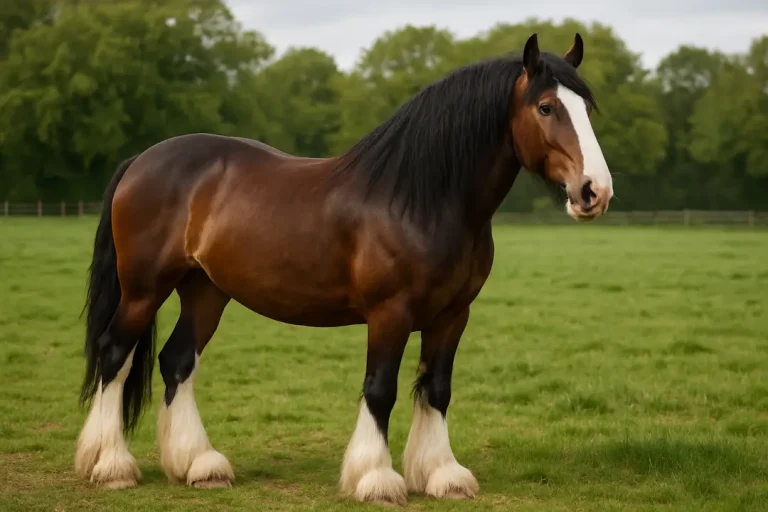
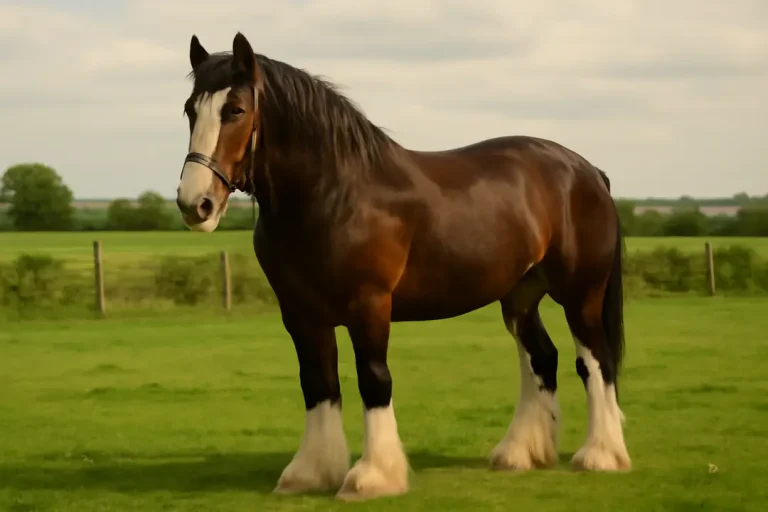
Shire coats come in four main colors: black, bay, grey, and chestnut. They often sport white markings on the face and legs, along with the breed’s trademark feathering at the fetlocks.
Common colors and markings:
- Black with white socks
- Bay with star and snip
- Grey that lightens with age
- Chestnut with flaxen mane
Practical tip: Feathered legs need regular attention. Check feathers weekly for debris or ticks. A light rinse and brush keep the skin healthy.
Seasonal care: In winter, feathers can trap mud. Use a detangling spray before brushing to reduce breakage. For greys, schedule an annual whitening shampoo to keep the coat bright.
Recognizing these patterns helps with breed identification, show preparation, and deciding on creative naming—pair a bay coat with rustic names like “Harvest” or grey with “Silvermist.” For more unique naming ideas, explore some unique Shire horse names that fit their look.
Origins and History
The Shire’s roots trace back to medieval England. Developed as farm and war horses, they descend from the “Great Horse” used by knights. Over centuries, selective breeding focused on size, strength, and docility.
Key milestones:
- 12th–14th century: Emergence of heavy horses in England
- 18th century: Standardization around the counties of Leicestershire and Staffordshire
- 20th century: Near extinction; revival by dedicated breeders
In-depth research shows the role of Dutch Brabant horses in refining mass and height. Preservation efforts in the 1900s prevented the breed’s disappearance.
Why it matters today: Understanding history guides breeding decisions. It explains why Shires excel at draft work and why their nature remains calm.
For a deeper dive into lineage and breed standards, see this in-depth breed history that outlines bloodlines and traits.
Nutrition and Care
Shires eat more than smaller breeds. Plan on 2–2.5% of their body weight in forage per day—about 40–60 pounds of hay. Grain can supplement energy needs if they work hard.
Feeding schedule:
- Morning: 20–30 lbs hay + 4–6 lbs grain mix
- Midday: Turnout with free-choice hay
- Evening: 20–30 lbs hay + vitamin/mineral supplement
Hydration is critical. Provide clean water at all times—Shires can drink up to 15 gallons daily.
Tips to avoid colic:
- Divide hay into multiple feedings.
- Maintain consistent feeding times.
- Monitor body condition score monthly.
Regular dental checks (every 6–12 months) ensure they can chew properly. Trim hooves every 8–10 weeks to support their heavy weight.
Balancing nutrients supports joint health. Add a glucosamine supplement if you notice stiffness in cold weather.
Grooming and Health
Grooming a Shire is a hands-on task. Their thick feathers and dense coat demand extra care, especially before shows or heavy work seasons. A consistent routine keeps skin and joints healthy.
Basic grooming steps:
- Pick out feet and clean feathers.
- Brush body with a stiff bristle brush.
- Use a soft brush for face and ears.
- Comb mane and tail gently.
- Check for ticks, cuts, or skin issues.
Health checks: Look for swelling in fetlocks and hocks. Shires can be prone to joint strain. Apply a cooling gel after hard work.
Monthly tasks:
- Deep feather wash with mild shampoo
- Hoof conditioning
- Check teeth and body condition
For a complete step-by-step routine, see this detailed grooming guide. A clean coat reflects careful care—and helps you spot any health issues early.
Conclusion
Shire horse characteristics span more than size—they include gentle temperament, diverse coat patterns, and a history that shaped their role on farms and in parades. Fully understanding their measurements ensures you set up safe facilities and choose proper gear. A clear grasp of their steady nature makes training a pleasure, while knowledge of their diet and grooming needs keeps them vibrant and sound.
By combining practical tips—like stall dimensions, feeding schedules, and grooming steps—with insight into breed history and behavior, you’ll be well prepared for life with these gentle giants. Whether you aim to show, drive, or simply share your field with a Shire, this guide arms you with everything you need. Embrace these traits and watch how a well-cared-for Shire can transform your stable into a place of strength and calm.