Top Shire Horse Breed Facts, Care Guide and Naming Tips
When you first glimpse a shire horse, you’re struck by its power and calm presence. Yet amid all that might, many folks overlook the art of choosing the perfect name for these gentle giants. A name can reflect their history, build a bond, and even hint at training goals. So how do you find a name that honors their story and suits their spirit?
Knowing how naming ties into a shire horse’s background can save you from awkward mix-ups and strengthen your partnership. By exploring heritage themes and matching names to personality and color, you make decisions that feel natural and avoid last-minute stress. In turn, you’ll enjoy a smoother start in training and daily care.
Origins and History
Shire horses trace back to English farm fields in the Middle Ages. They evolved from “great horses” used by knights, later becoming prized draft animals. By the 1600s, they worked at mills, pulling heavy machinery and carts loaded with crops. Over time, breeders focused on strength, size, and calm temperaments.
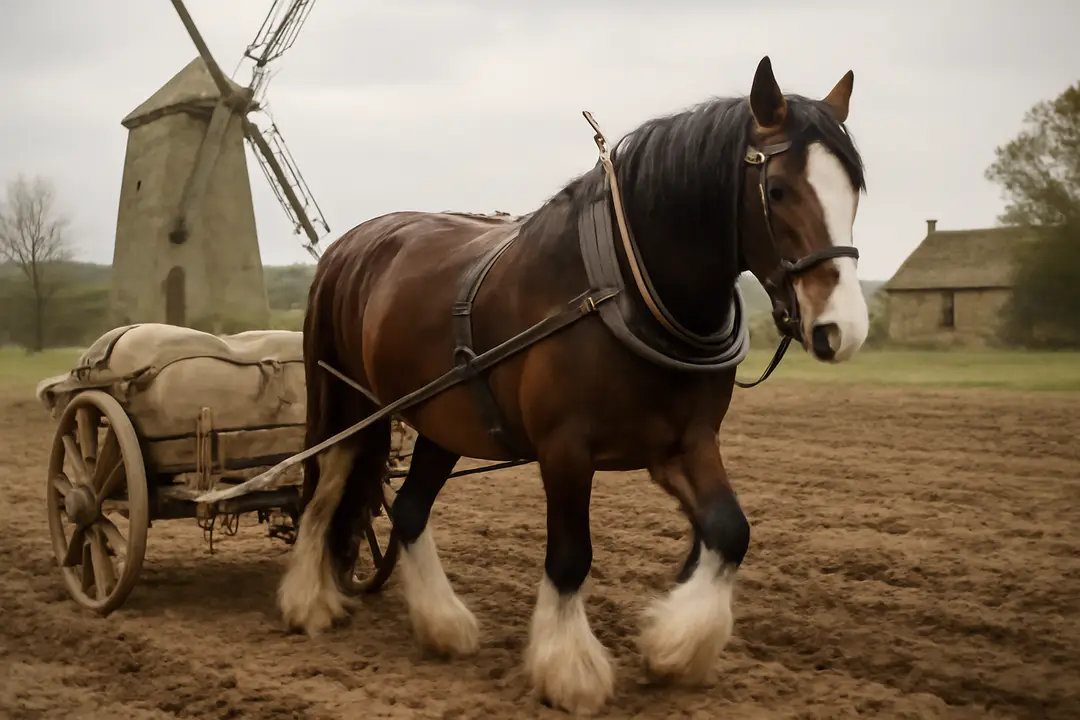
In the 19th century, as agriculture grew, shire breeders improved bone structure and feathering on their lower legs. That soft hair, called “feather,” protects ankles in muddy fields. It also became a signature look, setting shires apart from other draft breeds. Today, you’ll see them at fairs and shows, demonstrating pulling and driving skills.
Historical data shows adult shires often stand 17 to 18 hands high (68 to 72 inches). They weigh between 1,800 and 2,400 pounds. This mass comes with surprisingly gentle manners. Generations of careful breeding have tamed their spirit, making them ideal for both work and family farms.
Physical Characteristics
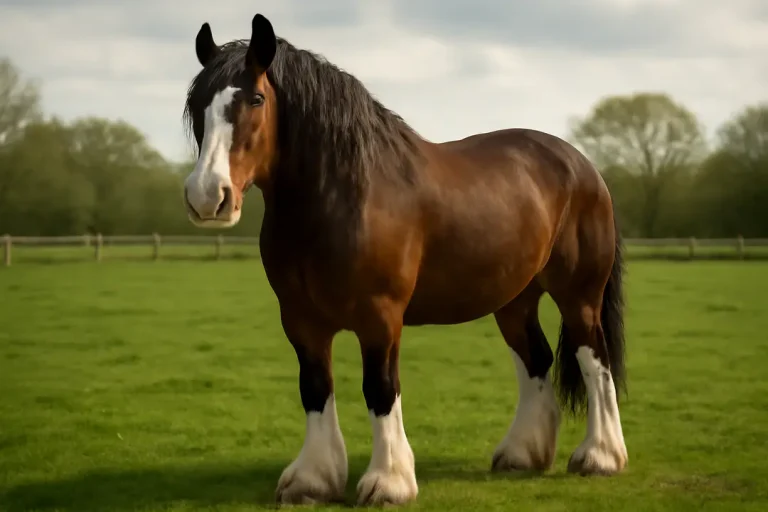
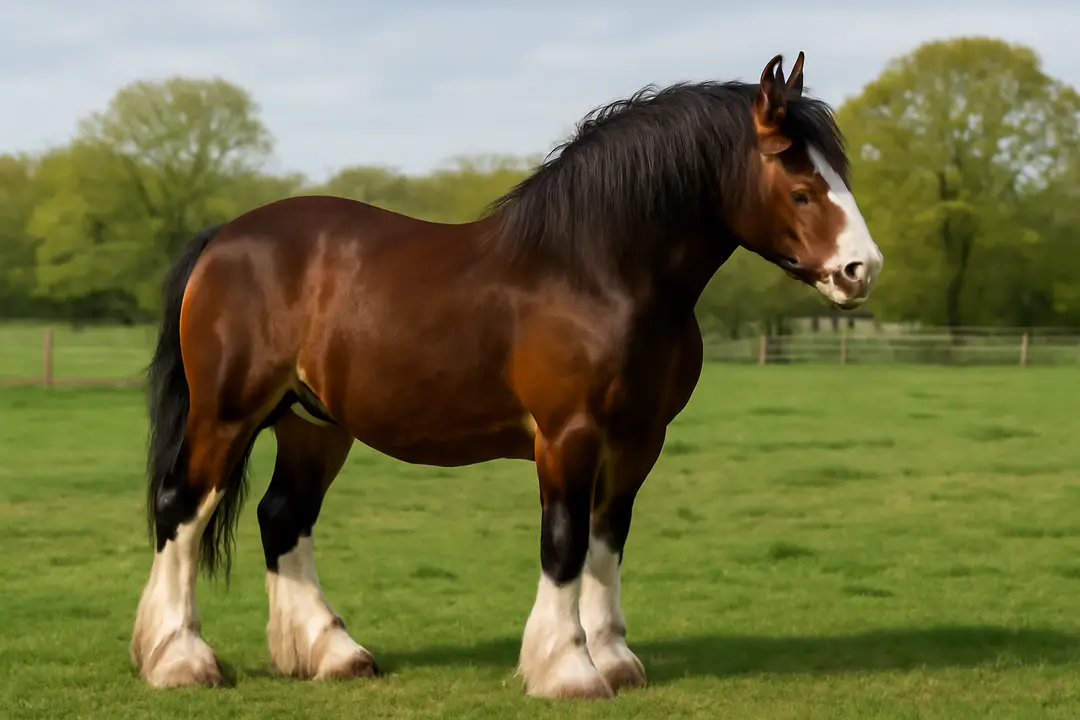
At first glance, a shire horse is all muscle and stature. Broad chests, strong shoulders, and thick necks power huge draft tasks. Their legs are straight, with heavy bone. Feathering can reach six to eight inches long around the fetlocks.
A quick comparison with two other draft breeds highlights shire traits:
| Trait | Shire | Clydesdale |
|---|---|---|
| Height | 17–18 hands | 16–17 hands |
| Weight | 1,800–2,400 lbs | 1,600–2,200 lbs |
| Feather | Heavy, silky | Moderate, wavy |
| Temperament | Calm, docile | Gentle, alert |
These facts help you spot a true shire. Look for strong pasterns and a well-arched neck. Their broad, flat hooves support weight evenly, reducing injury risk. Regular trimming and inspection prevent cracking and disease.
Care and Maintenance
Routine care keeps a shire horse healthy and comfortable. Daily grooming removes mud and tangles in their feather. It also lets you check for cuts or mites hiding in thick hair. For step-by-step pointers, a detailed grooming guide covers every brush stroke and rinse.
Shire horses need 1.5 to 2% of their bodyweight in hay daily. That’s 30 to 48 pounds for a 2,000-pound horse. Quality grass hay with balanced minerals prevents weight loss and supports digestion. Always provide clean water—rough hooves and joints depend on proper hydration.
Feet and leg care is key. Trim feathers if they become matted. Keep bedding dry to avoid skin sores. A weekly hoof pick removes stones from the hoof crevices. Scheduling a farrier every eight weeks keeps hooves balanced and strong.
Training and Work
Training a shire blends patience with clear cues. Start under saddle or harness by introducing tack gently. Reward progress with praise and small treats. Use consistent voice commands—shires respond well to calm, firm guidance.
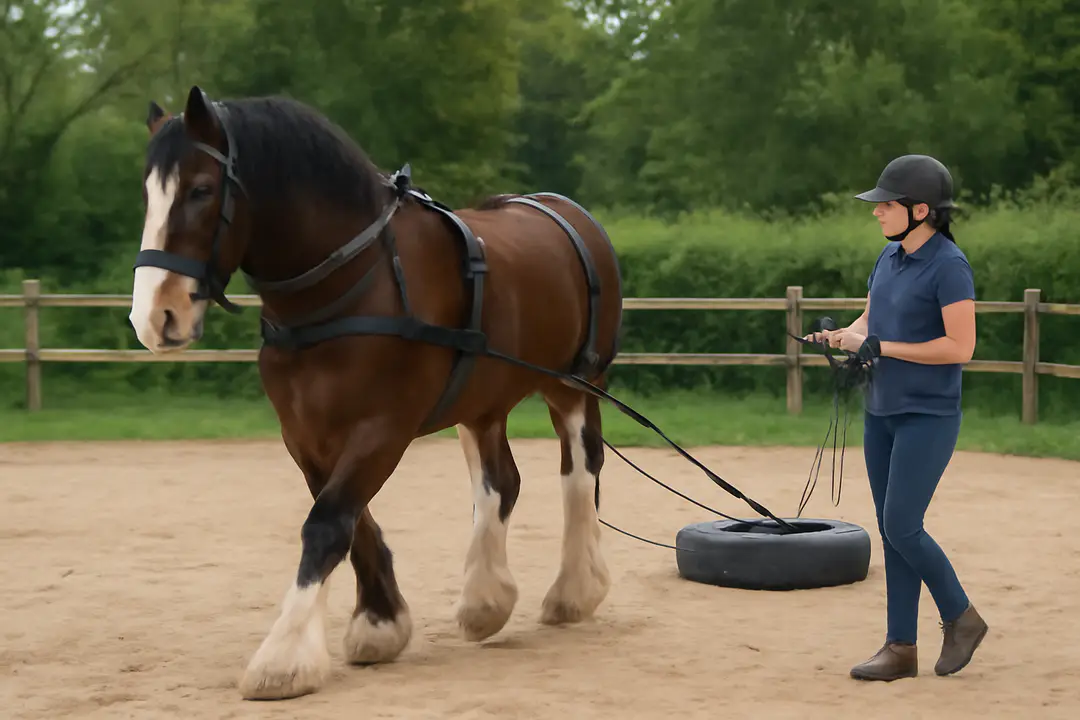
These horses excel at carriage driving and light farm chores. Before heavy pulling, build muscle with ground driving exercises. Harness training often starts with a single tree and light load. Slowly increase weight as your horse gains confidence and strength.
Breeders note that early handling reduces spooking. Let your shire meet new objects—tires, tarps, or carts—so it learns to stay calm. For breed insights, many owners refer to a comprehensive breed and care guide that covers behavior patterns and milestone checks.
Choosing the Right Name
Picking a name is more than fun—it reflects your horse’s look and legacy. Consider color, size, or history when brainstorming. A name like “Featherweight” can nod to its silky leg hair. Or “Albion” nods to England’s old name, matching heritage.
A list of ideas helps spark your imagination:
- Highland Pride
- Meadow King
- Majestic Feather
- Old Glory
- Farmstead Friend
Check out resources on unique shire horse names for more inspiration. Avoid names that sound like training commands. Short, two-syllable names work best during lessons. Practicing the name in daily talk builds strong recall.
Conclusion
Shire horses bring power, history, and a gentle nature to any farm or show ring. From their medieval roots as knightly mounts to modern roles in parades, they combine strength with calm. Caring for them involves regular grooming, balanced feeding, and hoof maintenance. Training relies on consistent cues and praise, setting them up for success in pulling, riding, or driving. Choosing a fitting name ties everything together, creating a personal bond and honoring their legacy.
By understanding these draft giants—from physical traits to daily needs—you’re ready for a rewarding journey with your shire horse. Thoughtful naming, proper care, and positive training strategies ensure you both thrive. Now, step into their world with confidence and respect, and watch as your partnership grows.