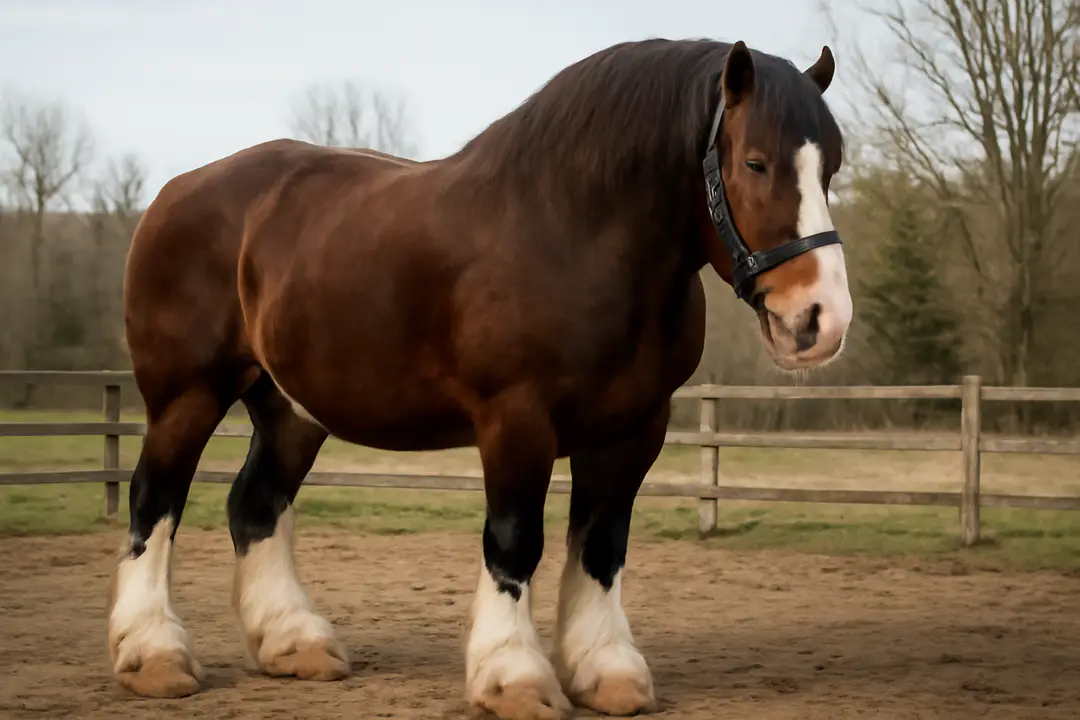
Goliath Biggest Shire Horse Complete Care & History
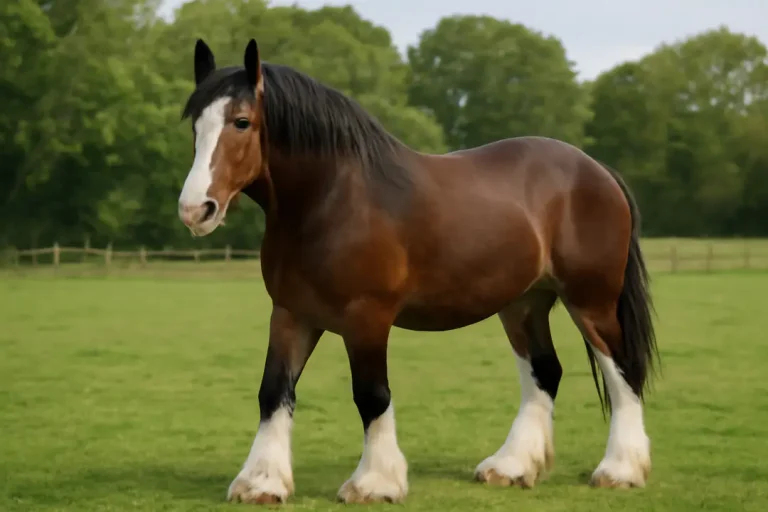
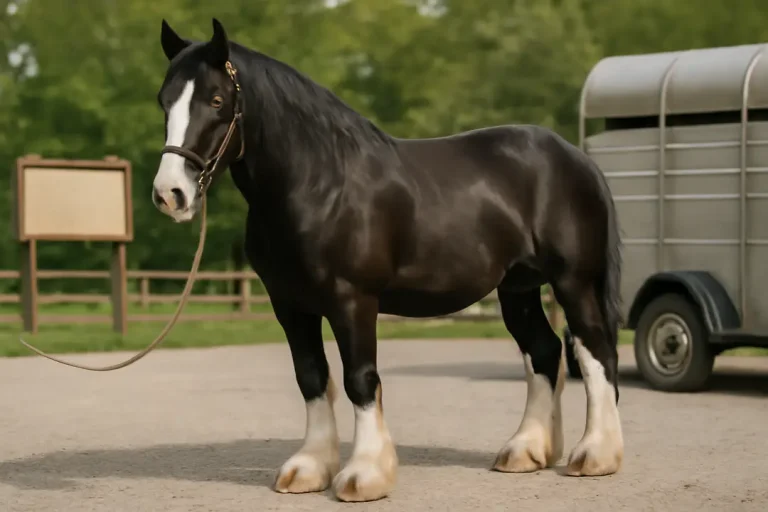
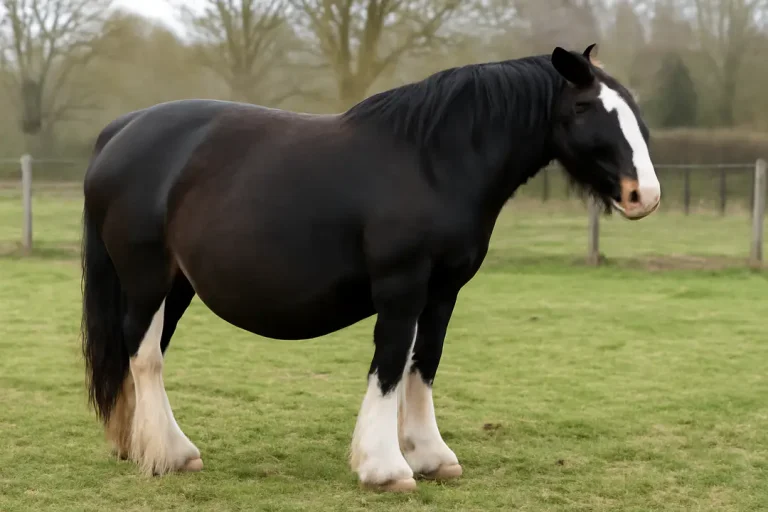
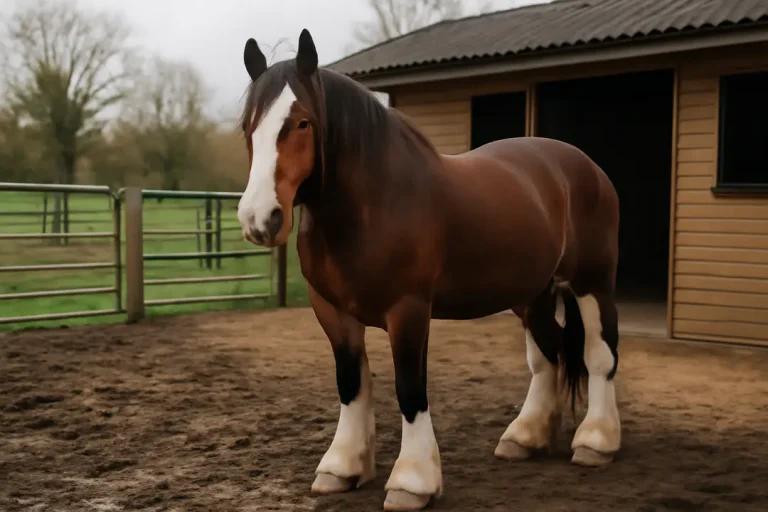
When you meet Goliath, you instantly feel the awe that comes with encountering the world’s largest shire horse. We often focus on their impressive height and power, but it’s the way these gentle giants adapt to everyday life that truly fascinates. Many owners overlook just how much space, feed, and care go into maintaining such a massive equine companion. How can you ensure this huge breed stays healthy without being overwhelmed by its daily demands?
The key lies in understanding the unique needs of a horse this size and preparing a solid care plan. By learning the right feeding schedules, exercise routines, and stable adjustments, you’ll save time and prevent costly mistakes. With a clear strategy, you can enjoy every moment with Goliath, knowing you’ve built a home environment that supports his strength and spirit.
Goliath – The Modern-Day Giant
Key Facts
- Official Height: Approximately 19.1¼ hands (about 1.98 m at the shoulder).
- Estimated Weight: Around 2,500 lb (≈ 1,134 kg).
- Life Span: Foaled in 1977, passed away in July 2001.
- Recognition: Held the title of tallest living Shire horse during his lifetime.
Goliath’s Story
Goliath, affectionately nicknamed “Golly”, worked for Young & Co. Brewery in London before retiring to a horse sanctuary in Lincolnshire, UK. With his towering height and gentle temperament, he became a favorite at public events, shows, and educational appearances.
He was a shining example of the Shire breed—massive in size, yet calm and kind in nature. He helped preserve interest in the Shire horse during a time when draft breeds faced decline due to mechanization.
Goliath vs. Other Record-Holding Horses
| Horse Name | Height (hands) | Height (meters) | Weight (kg) | Notes |
|---|---|---|---|---|
| Sampson | 21.25 | ~2.19 m | ≈ 1,524 | Tallest and heaviest horse ever recorded |
| Big Jake | 20.2¾ | ~2.10 m | — | Tallest living horse (2010–2021, Belgian) |
| Goliath | 19.1¼ | ~1.98 m | ≈ 1,134 | Tallest living Shire until his death in 2001 |
Although Goliath didn’t surpass Sampson in height, he was one of the tallest Shires of the modern era and is still remembered as a gentle giant who captivated crowds.
Legacy
Goliath’s towering presence made him an ambassador for the Shire breed. He educated the public about draft horses, helped raise awareness for heavy horse preservation, and reminded us all of the power and grace that lives within these historic working breeds.
Goliath’s Breed Origins
Shire horses trace their lineage back to medieval England, where they were bred for pulling heavy loads and plowing fields. Over centuries, selective breeding focused on height, bone structure, and calm temperament. Goliath stands out even in this elite bloodline for reaching record-breaking heights.
To dig deeper into the shire lineage, many owners consult a detailed breed history guide. That resource explains the shifts in breeding goals over time—moving from farm work to show rings, then to gentle giants for parades and leisure rides.
Understanding these origins clarifies why Goliath has such steady feet and remarkable strength. His ancestors were shaped by both function and form, creating horses built to work and yet adaptable to public appearances. Recognizing this balance can help you appreciate his calm behavior and plan suitable activities.
Size and Measurements
On average, a shire horse stands 17 to 19 hands high. Goliath exceeds 20 hands, making him taller than most doorways. His weight can top 2,400 pounds, nearly double that of a typical riding horse.
Key measurements include height at the withers, body length, and cannon bone circumference. For a horse of this scale, small errors in size estimates can lead to ill-fitting tack or stalls.
Accurate measuring helps in ordering custom tack and building stalls with enough headroom. A strobe tape for equine use and a mounting block that accommodates his height both become essential. These data points guide every aspect of his care, from feeding to training.
Daily Care Routine
Maintaining Goliath’s well-being starts with a consistent daily routine. His sheer size means he eats nearly 2% of his body weight in hay and grain each day.
A sample daily plan might look like this:
- Early morning turnout in a spacious paddock
- Breakfast with a mix of hay, pellets, and supplements
- Midday rest with fresh water and salt lick
- Light grooming session focusing on joints and feathered legs
- Evening hay and stable checks
For more on maintaining his coat and skin, explore our detailed grooming routines guide. Regular brushing and hoof cleaning prevent skin issues and lameness, both crucial for a horse that carries so much weight.
Training and Handling
Working with a horse of such massive proportions calls for specialized methods and patience. You want to build trust without pushing him too hard.
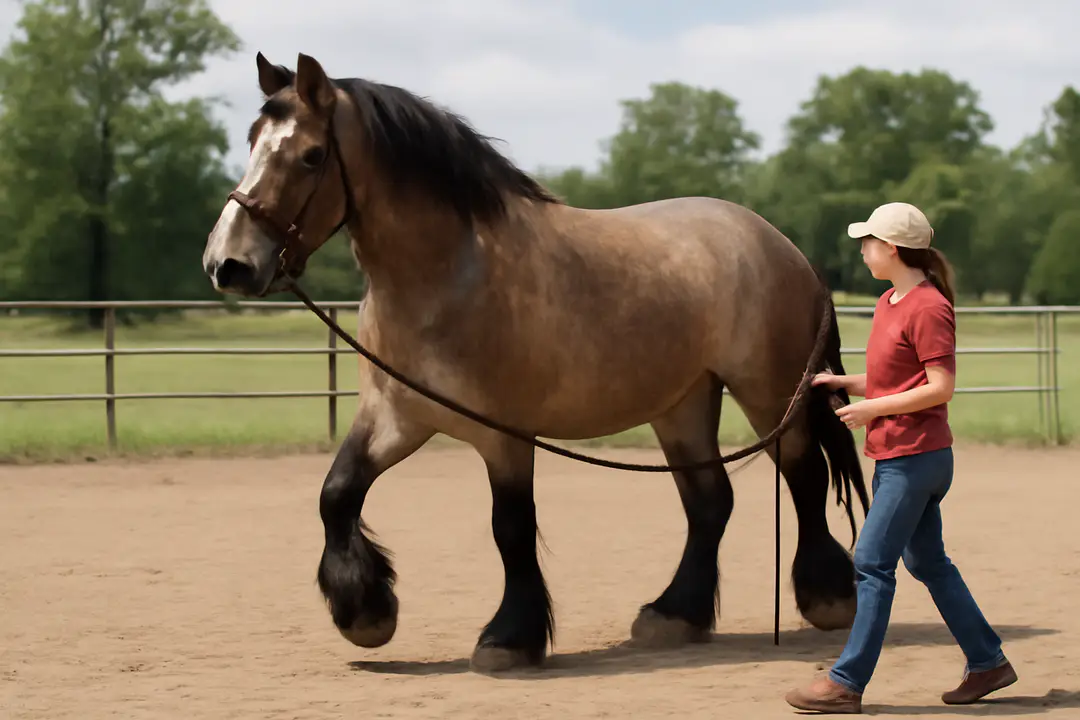
Consider these key tips:
- Start each session with light lunging to warm up muscles.
- Use positive reinforcement—praise and small treats work wonders.
- Break tasks into shorter intervals to avoid fatigue.
- Train in an open area free from low-hanging obstacles.
- Always lead from the side, never directly in front.
By following these steps, you reduce the risk of injury to both you and Goliath. Consistency and calm guidance help him learn quicker and enjoy training days.
Equipment and Stables
Fitting Goliath with proper gear means custom orders and reinforced materials. His stall should be at least 14 by 14 feet, with a ceiling height of 10 feet to avoid any head injuries.
Here’s a quick look at essential items:
| Equipment | Purpose |
|---|---|
| Heavy-duty halter | Custom fit for his large head |
| Oversized horse blanket | Provides warmth without restricting movement |
| Large mounting block | Makes mounting safe and comfortable |
| Reinforced water trough | Holds extra water and resists damage |
Solid stall flooring with rubber mats reduces joint stress and improves hygiene. Wide doors and strong latches complete the setup, ensuring Goliath can move freely and safely.
Managing Health Issues
Due to his size, Goliath faces unique health risks like joint strain and metabolic issues. Regular veterinary checkups every six months are non-negotiable.
Watch for early signs of lameness, windpipe pressure, or hoof problems. Feeding balanced minerals and joint supplements helps maintain bone and cartilage health. Daily turnout on varied terrain can strengthen tendons and keep his muscles agile.
When selecting a name that reflects his majesty, many owners look for unique naming ideas to honor his status. A fitting name can deepen the bond and celebrate his grand presence.
By staying proactive and informed, you’ll spot issues early and work with your vet to adjust his diet, exercise, or equipment accordingly.
Conclusion
Caring for Goliath, the biggest shire horse, demands thoughtful planning and a keen eye for detail. You’ll need custom equipment, ample space, and a well-structured routine to support his extraordinary size. But when you see him thrive—his coat shiny, his joints strong—you know the effort is worth it.
Embrace the journey with patience and consistency. Lean on expert guides and trusted resources to refine your approach. Each step you take to tailor care to his unique needs will deepen your partnership and let Goliath shine as the gentle giant he truly is.
In the end, providing the right environment, training, and medical attention ensures you and Goliath enjoy a safe, rewarding bond for years to come.