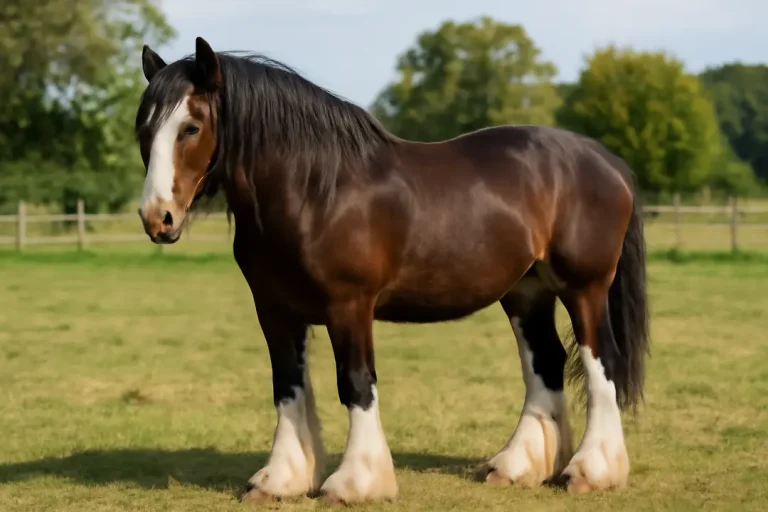

Shire Horse Farrier Care: Essential Hoof Management
When you think about caring for a Shire horse, hoof health might not top your list at first. We all brush manes and pick hooves, but farrier work truly shapes your horse’s comfort and performance. One detail that often slips by unnoticed is the balance between trimming and shoeing. Have you ever wondered why the timing of your farrier visits can make or break hoof health?
The key lies in understanding that consistent, well-timed trimming and shoeing keep those heavy hooves in check. By getting a handle on scheduling, you’ll dodge surprises like cracking or uneven wear. With the right rhythm of visits, you’ll save time, money, and stress—both for you and your gentle giant.
Hoof Anatomy Basics
A Shire horse’s hoof is a marvel of natural engineering. At the front is the toe, designed to split impact. The heels at the back absorb shock and offer traction. Between them sits the sole, protecting sensitive inner structures, and the frog—a V-shaped cushion that aids circulation.

Your farrier must know how each part interacts under the horse’s weight. For instance, an overgrown toe shifts pressure to the heels, leading to cracks or soreness. Regular checks help spot uneven walls or a recessed frog. In a way, knowing anatomy is like learning a map. The farrier uses that map to plan trims and shoes.
Practical tip: ask your farrier to point out any red or bruised areas after cleaning. It builds your own hoof literacy. Over time, you’ll dial in on small changes, like tiny chips or a deeper frog crease. Early detection is the best defense.
Picking the Right Farrier
Choosing who trims and shoes your Shire horse can feel daunting. You want someone who knows draft breeds and treats your horse kindly. Here are essential qualities to look for:
- Experience with draft horses
- Good references from other owners
- Clear pricing and services
- Willingness to explain steps
- Proper tools and clean workspace
Don’t hesitate to ask about certifications or apprentice history. A skilled farrier will welcome questions and show you the tools they use. Watch how they handle your horse. Calm movements and patience matter, especially with a large, strong animal.
Tip: pair farrier visits with your grooming guide routine to keep hooves clean and dry beforehand. This prep work speeds up appointments and helps you spot early signs of trouble. Over time, a trusted farrier becomes part of your team, offering advice on hoof shape and any needed corrective work.
Trimming and Balance
Trimming sets the stage for healthy hooves. Your farrier will remove excess wall growth and level the foot. This step maintains the natural angle from heel to toe—crucial for even weight distribution. As a heavy draft horse, a Shire needs careful balance to avoid joint stress or uneven hoof wear.
The process typically follows these steps:
1. Clean the hoof and pick out debris.
2. Use a rasp to level the wall.
3. Trim the frog if it’s overgrown.
4. Check angles with a hoof gauge.
5. Fine-tune with small, gradual rasp strokes.
Each session should be incremental. Taking off too much at once can expose sensitive tissues. Your farrier will watch for flares (outward wall) and check for a centered frog. It’s fine-tuning, not a one-size-fits-all cut. After trimming, you may notice your horse walks lighter and more evenly.
Pro tip: integrate this with your daily care routine. Daily hoof picking helps you spot new chips or pressure spots that need attention before the next trim. Consistency in small trims keeps hooves in shape and reduces the risk of cracks or splits.
Fitting the Shoes
Shoeing your Shire horse involves custom shaping and careful nailing. Here’s how a typical shoeing session unfolds:

- Clean and prep the hoof thoroughly.
- Measure the hoof width and length.
- Select or forge a steel or aluminum shoe.
- Fit the shoe to hoof contours, heat or file as needed.
- Nail the shoe in, placing nails just above the sole edge.
- Clinch nails and file edges smooth.
Every step demands precision. A poorly fitted shoe can pinch or pull, causing soreness or even lameness. For Shires, who weigh up to 2,000 pounds, that risk is magnified. Make sure your farrier checks the fit from the side as well as the bottom view.
Tip: ask to see the shoe before nailing. A well-shaped shoe will match hoof flare and keep tension even. You can also learn to recognize signs of a loose shoe—like a shifted nail clinch—and schedule a quick repair rather than waiting for the next full session.
Avoiding Hoof Problems
Even with top-notch trimming and shoeing, hooves can encounter issues. Common culprits include thrush (a bacterial infection in the frog), cracks, and laminitis. The good news is many problems respond to early action.
Here are practical prevention tips:
• Keep stalls and paddocks clean and dry.
• Inspect hooves daily for unusual odors or black, crumbly residues.
• Maintain balanced nutrition to support hoof growth.
• Rotate farrier and vet check-ups each season.
• Address minor chips immediately to prevent splits.
Nutrition plays a clear role. Pair hoof care with a solid feeding schedule rich in biotin, methionine, and zinc. Supplements can help strengthen hoof walls and improve sole quality over weeks. If you see a vertical crack, ask your farrier about a bar shoe or clip to offload pressure.
Story tip: one owner fixed a recurring crack by adding turnout time on soft grass and trimming every four weeks. The balanced hoof and change in terrain acted like gentle therapy.
Appointments and Pricing
Farrier visits are an investment. Knowing typical costs helps you budget and secure regular service. Below is a simple comparison of services, average prices, and recommended intervals.
| Service | Average Cost | Interval |
|---|---|---|
| Basic Trim | $35–$50 | 6–8 weeks |
| Full Shoeing | $100–$150 | 6–8 weeks |
| Corrective Shoeing | $150–$200 | 4–6 weeks |
Regions and farrier experience will affect these numbers. In colder climates, hooves grow slower and intervals may stretch. In damp areas, you might need more frequent attention. Always confirm pricing up front, and ask about travel fees if you’re off the beaten path.
Tip: schedule next visits before the farrier leaves. That locks in dates and often secures a small discount for repeat bookings.
Conclusion
Shire horse farrier care is a journey from understanding hoof structure to choosing a skilled farrier and maintaining a consistent schedule. Each step builds on the last: anatomy guides trimming, trimming sets up proper shoeing, shoeing prevents issues, and prevention feeds back into hoof health.
When you keep up with appointments, learn to spot early signs of trouble, and partner with a professional who cares, your horse will thank you with sound steps and active days. Remember, a balanced hoof is the cornerstone of every ride, every pull, and every happy moment with your gentle giant.
Take action today by mapping out your farrier schedule and reviewing your herd’s daily care plan. With every trim and shoe properly timed, you’ll see the difference in your Shire’s comfort and strength.