How Intelligent Are Shire Horses: Understanding Minds
Horses have served humanity for centuries in fields, roads, and shows, but few pause to consider the mind behind that massive frame. We see Shire horses as gentle giants, yet we rarely think about just how smart they truly are. Their size and calm nature sometimes hide a keen problem-solving skill that goes unrecognized. Have you ever wondered how quickly a Shire horse learns new tasks or spots subtle changes in its environment?
Yes, Shire horses show surprising intelligence in training and everyday interactions. By tuning into their learning pace and cues, you can build stronger partnerships and set realistic expectations for training sessions. Understanding these skills helps you avoid common pitfalls and deepen your bond with these gentle giants.
Breed Background
Shire horses trace their roots back to medieval England where they pulled plows, wagons, and even artillery. Over centuries, breeders selected not only for size and strength but also for a calm mindset and steady temperament. While most recognize their enormous hooves and feathered legs, their mental traits often go unnoticed. Early farm work required horses to adapt to changing tasks, which fostered a form of practical intelligence.

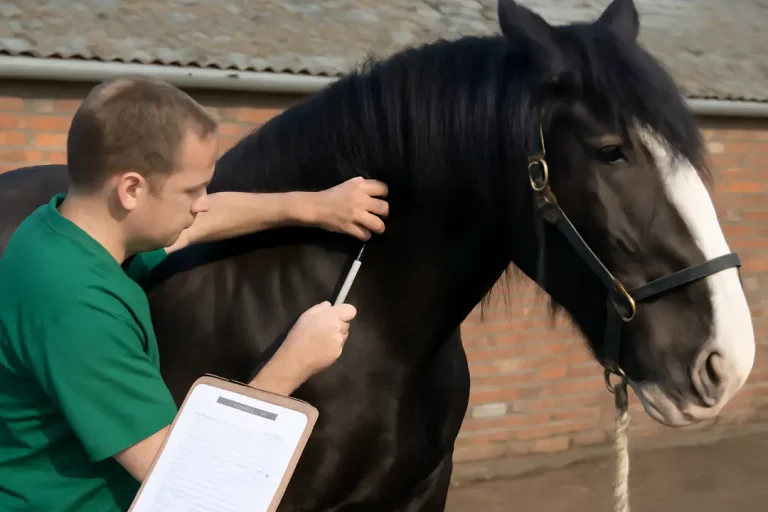
Modern enthusiasts note that Shires can remember complex routes across fields or react promptly to voice commands. Observing their behavior in different settings reveals a horse that weighs more than most yet thinks on its feet. For deeper insights, enthusiasts often refer to studies on observing their behavior, which highlights subtle cues these horses use to communicate. Recognizing these cues lets owners anticipate needs, prevent stress, and create clearer training plans.
Understanding a Shire’s background helps place its intelligence in perspective. Far from being lumbering beasts, their history as working partners demanded both muscle and mind. By tracing their lineage through breed histories, you can appreciate just how breeding for work shaped both their bodies and their brains.
Thinking Skills
When it comes to problem solving, Shire horses often surprise onlookers. In simple maze tests or feed puzzles, they use trial and error, showing memory of past steps. Trainers note that some Shires learn to open gates with a nudge or accurately press a lever to release treats. This level of reasoning is rare among larger breeds, yet these horses handle puzzles as well as many light riding breeds.
Their capacity for spatial awareness also stands out. In farm settings, a Shire horse will navigate around obstacles rather than barreling forward. This shows they build mental maps of their environment. When changes occur—like a new fence layout—they pause, reassess routes, and adapt rather than panic. That pause signals true thought, not just instinct.
Research in equine cognition points to strong long-term memory in Shires. They remember handlers by voice and scent, making reunions calmer and shorter in adjustment. This trait helps when rotating staff at large stables. New handlers only need brief introductions before the horse feels at ease, thanks to that solid recall.
Social Smarts
Shire horses excel in social settings, whether among herd mates or humans. They read body language closely—ear position, eye softness, and tail movement tell them a lot. In a mixed herd, a Shire will often play peacemaker, intervening gently when two horses quarrel. That social intelligence reduces injuries and builds harmony.
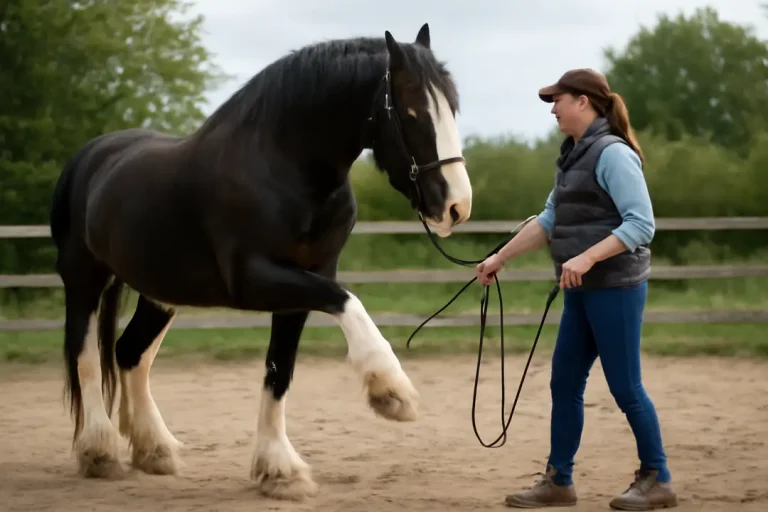
With humans, Shires form strong bonds. They notice tension in a handler’s posture and will adjust their own stance to be less intimidating or more supportive. Riders report that a Shire seems to “comfort” them when they are anxious, often by rubbing its head against their shoulder. This empathetic response shows emotional intelligence rarely attributed to draft breeds.
Training groups of Shires also benefits from their social nature. When one horse learns a task, nearby herd members often mimic that behavior quickly. This observational learning speeds up group training and reduces frustration for trainers. Being aware of this trait lets you run more efficient sessions and foster a cooperative atmosphere.
Training Tips
To tap into a Shire’s mind, start with clear, consistent cues. Here are four practical steps:
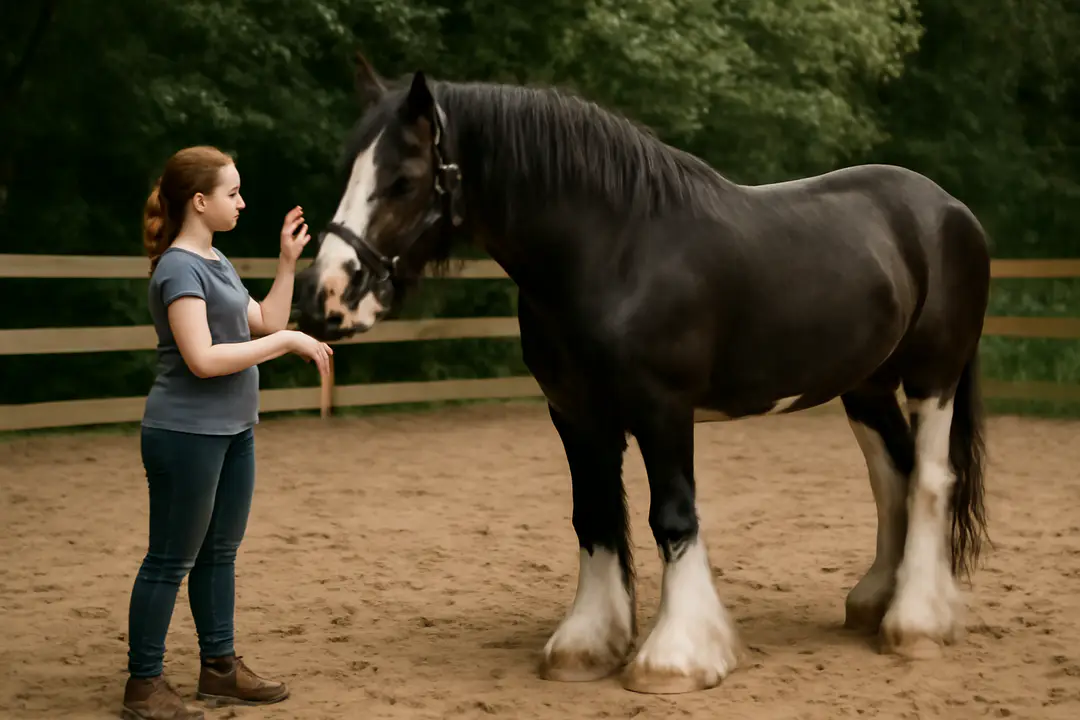
- Use short, distinct voice commands to mark actions.
- Offer rewards immediately after correct responses.
- Rotate tasks to keep learning fresh and prevent boredom.
- Maintain a calm environment during sessions to match their steady temperament.
Patience is key; these horses process large movements and big voices differently than smaller breeds. They respond best when you move at their pace and reward even small successes. When grooming or handling, integrate intelligence games into daily care routines. For example, hiding treats in brushes or mixing bits of feed beneath straw encourages a Shire to think during grooming, reinforcing trust and reducing grooming resistance.
Building a routine around their mental needs also reduces stress. Many owners follow detailed care and grooming routines that include mental stimulation alongside physical checks. By blending simple puzzles with routine tasks, you keep their big brains engaged and strengthen your partnership.
Comparing Breeds
Not all draft horses share the same cognitive profile. Below is a quick comparison:
| Breed | Height (hh) | Memory Rating | Trainability |
|---|---|---|---|
| Shire | 16–18 | High | Very Good |
| Clydesdale | 16–17 | Medium | Good |
| Percheron | 15–17.5 | Medium-High | Very Good |
Shire horses stand out for both memory and calm learning style. Clydesdales can be more spirited, which sometimes masks their problem-solving talent. Percherons match Shires in trainability but may react faster to stress. Knowing these differences helps you choose the right draft partner for shows, farm work, or therapy programs.
Real-World Uses
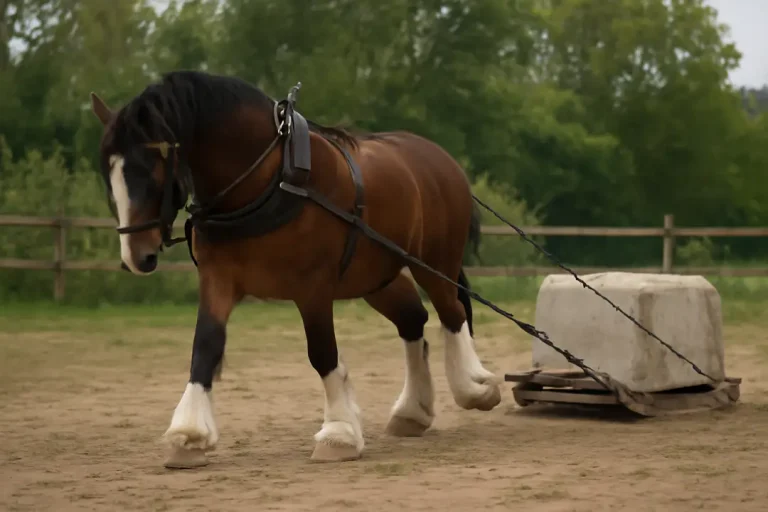
Where does a Shire’s intelligence shine in practice? On farms, they learn to sort logs by size, pull precise loads, and respond to subtle rein cues in harness. In public events, these horses adapt to noisy crowds and unexpected movements, a testament to their calm but alert minds. Equine therapy programs also value Shires for their gentle response to clients with anxiety or physical challenges.
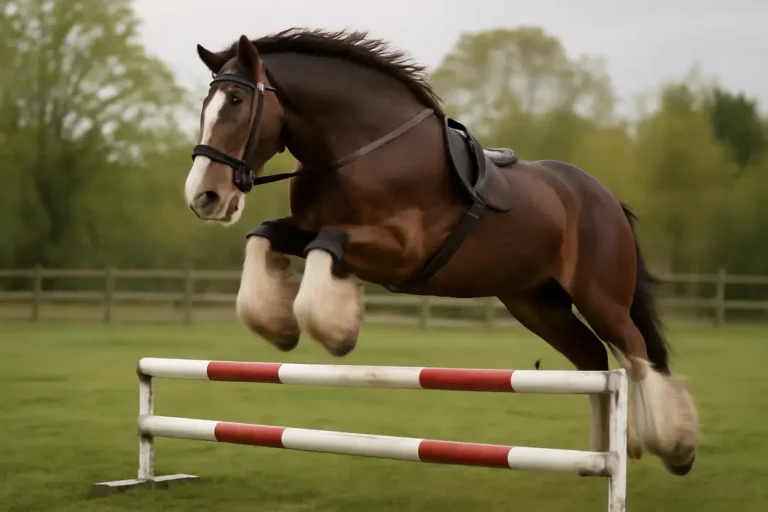
For those interested in their broad skill set, a practical guide to shire horse usage outlines roles in agriculture, logging, driving competitions, and more. Their ability to learn complex hitching routines and to stay patient during long sessions makes them ideal partners for demonstrations and educational outreach.
Ultimately, understanding and respecting a Shire’s intelligence unlocks new possibilities. Whether you’re a hobby farmer, a competitive driver, or a therapist, these horses offer both muscle and mind to support your goals.
Conclusion
Shire horses are far more than strong, gentle beasts—they are thinkers, learners, and social partners. Their history of varied work shaped a unique blend of memory, problem solving, and emotional awareness. By appreciating these mental traits, you enhance training success, deepen bonds, and make informed choices on breed selection. Observing a Shire calmly assess a challenge and apply a learned solution can change the way you view draft horses forever.
Next time you meet a Shire, watch for that thoughtful pause before action, the recognition in its eyes, and the quick adaptation to new tasks. These signs of intelligence not only improve performance in fields or shows but also enrich the daily connection you share. Embrace their sharp minds, and let a Shire’s intelligence steer your next equine adventure.