How to Care for a Shire Horse: Comprehensive Guide
When you think of a Shire Horse, you imagine a majestic gentle giant plodding through fields and pulling heavy loads. Yet one often overlooked aspect in caring for these gentle giants is their unique hoof structure and maintenance. Could neglecting hoof health lead to serious issues down the road?
Proper hoof care involves regular trimming, cleaning, and watching for cracks or thrush. By learning the basics of farrier work and what warning signs to monitor, you can keep your Shire Horse comfortable and sound. This knowledge helps prevent lameness, supports proper movement, and ensures a happy, healthy animal.
Nutrition and Feeding
Shire Horses are large draft horses weighing up to 2,000 pounds. Their size means they need a steady supply of quality forage and balanced grains. Most adult Shires do best on a diet of good hay, pasture grass, and a controlled amount of grain or pelleted feed. Overfeeding grains can lead to colic or laminitis, so it’s important to measure portions carefully.
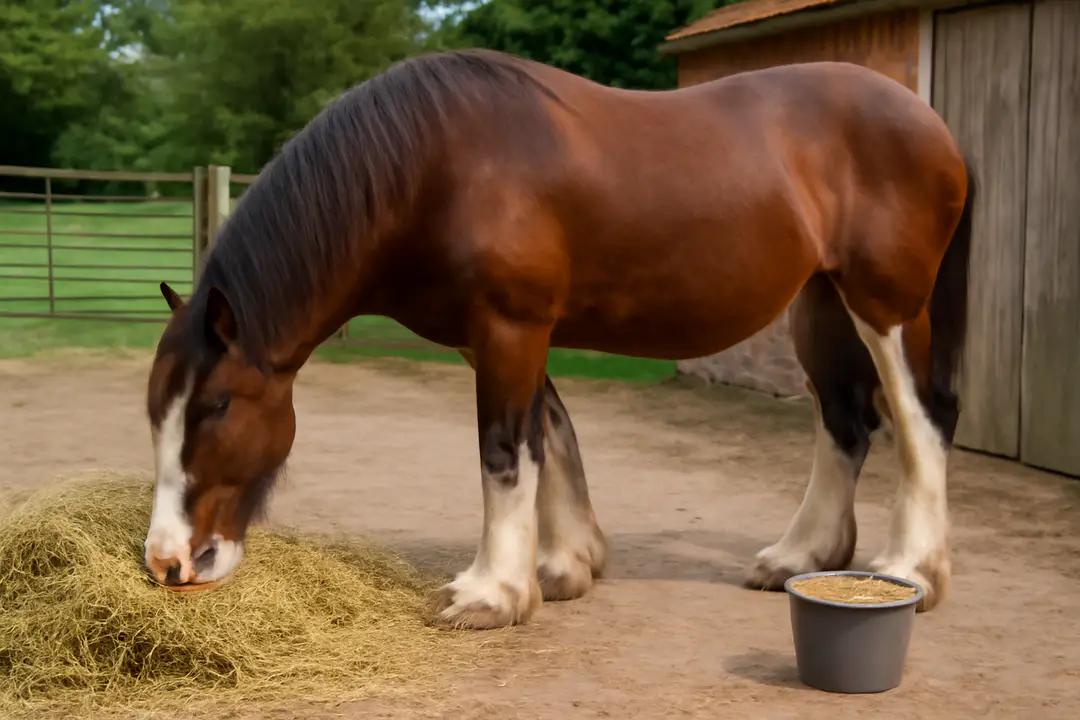
Consider their weight, age, and workload when planning meals. A typical adult in light work might eat around 2–2.5% of its body weight in forage daily. That adds up to roughly 40–50 pounds of hay per day. Grain should make up no more than 0.5–1% of body weight, split into two or three feedings.
Here’s a sample feeding schedule to keep your Shire Horse well‐nourished:
- Morning: 20 lbs high-quality hay + 4 lbs grain mix
- Midday: 10 lbs hay (or turnout on pasture)
- Evening: 20 lbs hay + 4 lbs grain mix
- Supplements: Biotin for hooves, salt/mineral block available at all times
Adjust amounts based on body condition and activity level. For more size details and breed specifics, you can explore a size comparison guide. Always introduce new feeds gradually over a week to reduce digestive upset.
Housing and Shelter
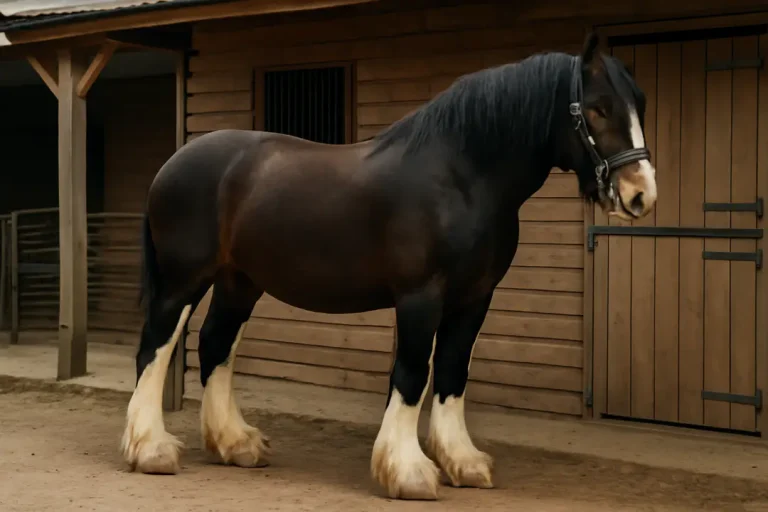
A clean, dry shelter is crucial for Shire Horses. These horses need a stall at least 12×12 feet to move comfortably and lie down. Good ventilation helps reduce respiratory issues. Straw or wood-shaving bedding works well to cushion their heavy frames.
Stall cleaning should happen daily. Remove wet spots and manure to keep hooves dry and prevent hoof infections like thrush. In cold weather, ensure water buckets or automatic waterers don’t freeze. In summer, provide shade and fans to keep the barn cool.
Turnout space is equally important. A pasture of at least one acre per horse allows safe roaming and natural grazing. Fencing must be sturdy—Shire Horses can lean or push heavy rails. Electrical tape or high-visibility boards help avoid collisions.
Proper shelter and pasture management support overall health. Dry, clean floors protect hoof integrity. Ample space reduces stress and supports natural behavior in these social animals.
Grooming and Coat Care
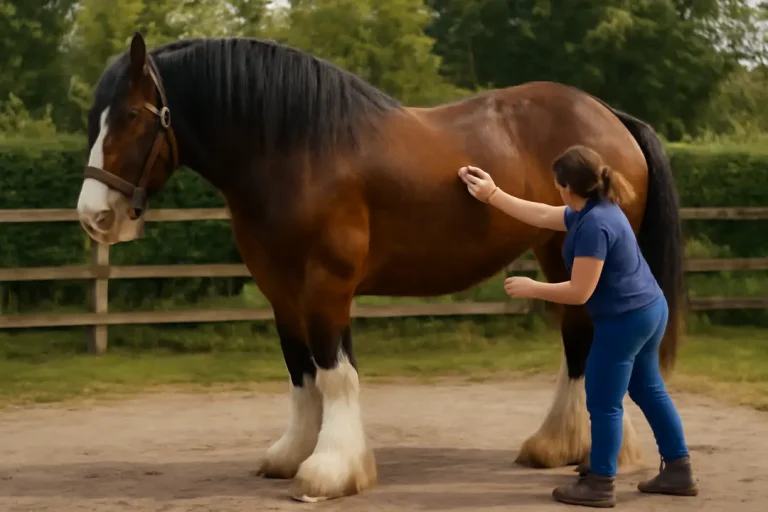
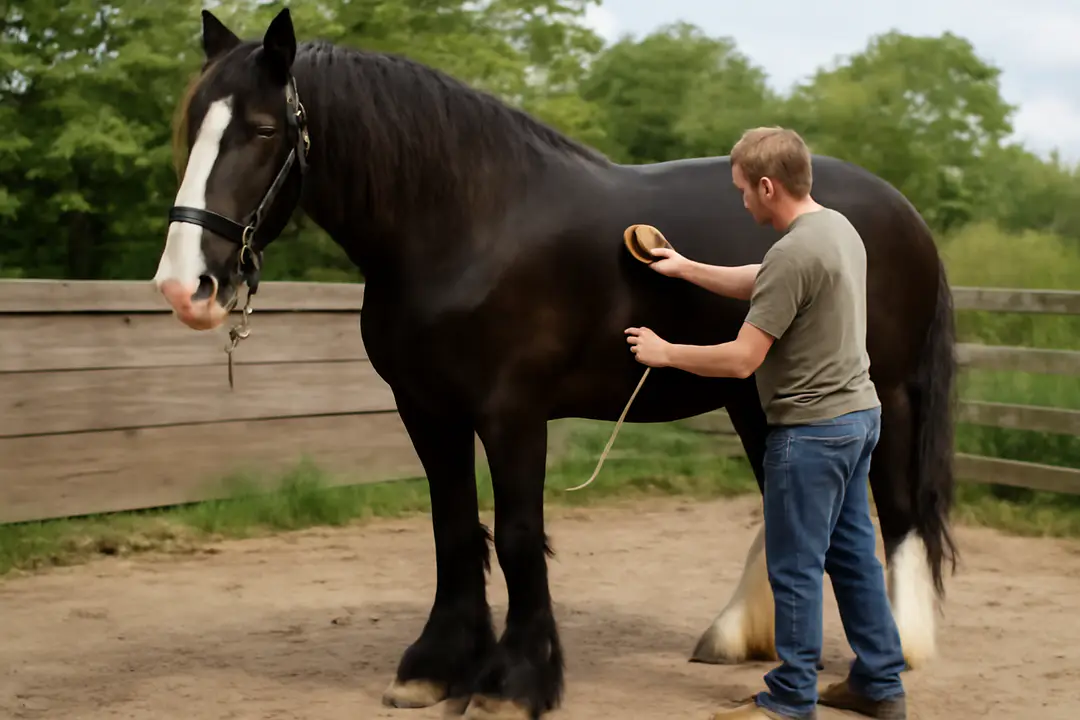
Grooming a Shire Horse keeps its coat shiny and skin healthy. Their thick feathering around the fetlocks requires extra attention. Brush or pick mud from feather once or twice weekly to avoid skin irritation. Bathing is optional but helps remove sweat and dirt after hard work.
Use these essential tools when grooming:
- Curry comb for loosening dirt
- Stiff brush for coat and body
- Hoof pick to clean sole and frog
- Fine-tooth comb for mane and tail
Watch the thick feathers closely. Moisture trapped under feather can cause skin yeast or mud fever. After cleaning, dry the leg fully or apply a light anti-fungal spray. Learning about the unique coat traits of the breed makes it easier to know what to expect when grooming.
Regular grooming also builds a bond. It lets you spot cuts, swelling, or parasites early. Make this a calm, consistent routine so your horse looks forward to the daily brush.
Exercise and Training
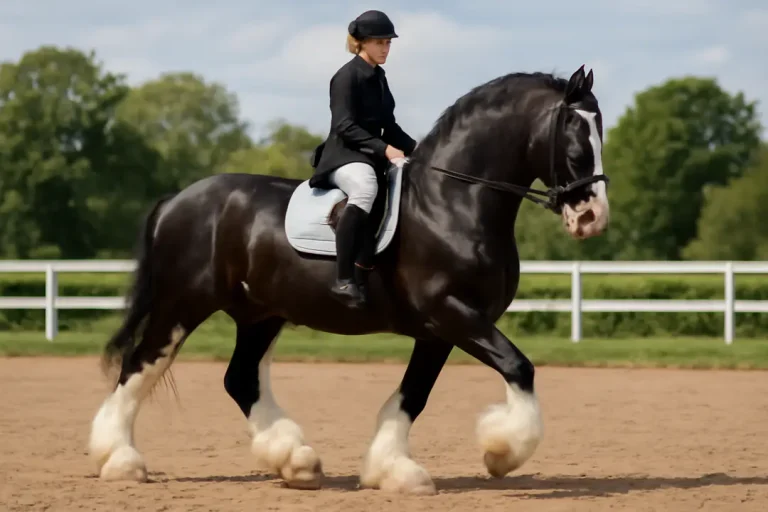
Even though Shire Horses are strong draft animals, they need regular exercise to stay fit. Daily walking, light trotting, or pulling a small cart helps keep muscles toned. Begin with short sessions—10 to 15 minutes—and gradually increase time.
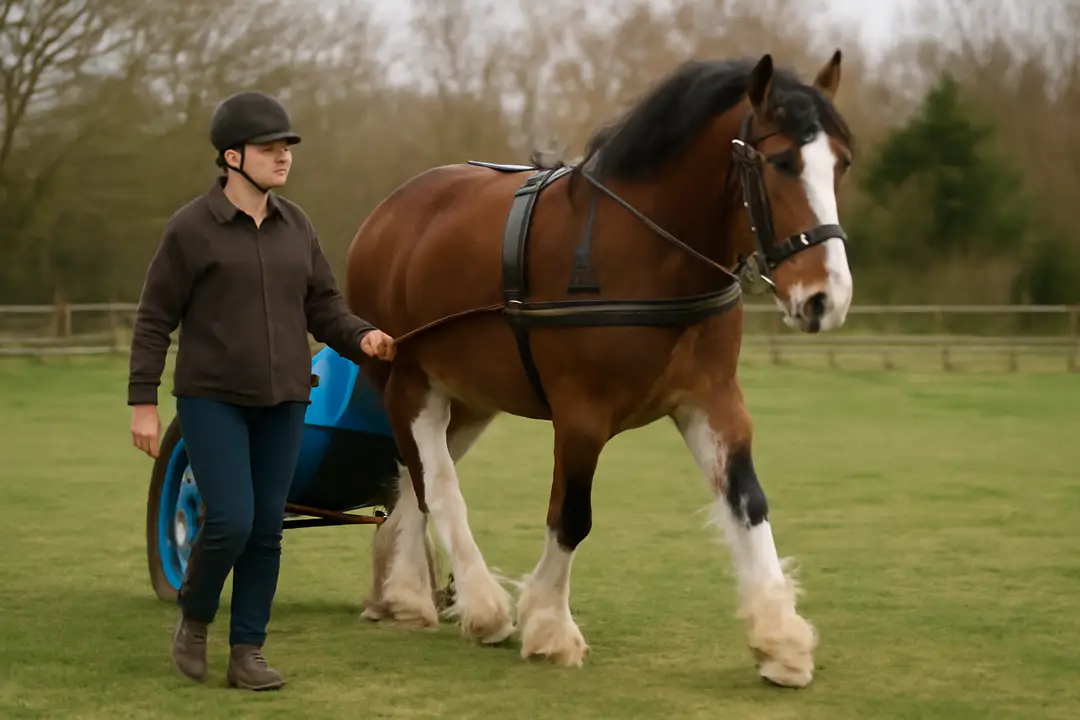
Follow these steps for a safe training session:
- Warm up with 5 minutes of walking in hand.
- Introduce trotting or pulling light objects for another 10–15 minutes.
- Cool down by walking for 5 minutes, then check legs for heat or swelling.
Consistency is key. Schedule workouts at least five days a week. If you plan heavy draft work or carriage pulling, train for strength and stamina over several weeks. Understanding core muscle development from breed history and traits helps you set realistic goals.
Proper shoeing and hoof support matter during exercise. Work with your farrier to find the right shoe type and ensure balanced hoof trimming. This prevents uneven wear and strain.
Health and Veterinary
Routine vet care keeps Shire Horses in peak condition. Regular checks catch issues early. Aim for a vet exam at least twice a year, more if your horse is in heavy work or older.
Below is a typical vaccination and deworming schedule:
| Timeframe | Vaccinations | Deworming |
|---|---|---|
| Spring | EEE/WEE, West Nile, Rabies | Strongyles, Tapeworm |
| Summer | Tetanus (if needed) | Roundworms |
| Fall | Booster EEE/WEE, West Nile | Strongyles |
| Winter | Rabies booster | As indicated by fecal egg count |
Monitor weight, coat shine, and appetite. If you see weight loss, coughing, or stiffness, contact your vet promptly. Dental checks once a year prevent sharp edges that can interfere with chewing.
Hoof care and vet routines go hand in hand. Healthy feet reduce strain on joints and improve overall soundness. Teaming up with a trusted farrier and veterinarian sets your Shire Horse up for a long, active life.
Conclusion
Caring for a Shire Horse means understanding their special needs at every level. From balanced nutrition and daily grooming to well-ventilated shelters and consistent exercise, each step contributes to sound hooves and strong limbs. Regular vet visits and proper vaccination schedules help you spot and address health concerns early. Building a care routine centered on hoof maintenance and overall well-being keeps these gentle giants comfortable and happy.
By focusing on the often-overlooked hoof health, you ensure your Shire Horse moves freely without pain. Consistency in feeding, grooming, and exercise yields a calm, responsive partner. Whether you’re working harness, enjoying a trail ride, or showing in the ring, a solid care plan lays the foundation for success. Start today by reviewing your current routine and make small changes. Your horse will thank you with sound steps and a shiny coat for years to come.