Are Shire Horses Good for Beginners: Beginner Guide
Getting to know large horse breeds can feel exciting and a bit intimidating. Many riders focus on show ribbons or pulling power but overlook how size and temperament mix for a new handler. That gap in understanding often leaves beginners wondering if a gentle giant breed could be too much work. Could a massive but calm horse really be the best fit for someone just starting out?
The good news is that learning about a breed’s behavior and care needs can clear up doubts. When you grasp how size, training, and daily routines tie together, you gain confidence and avoid surprises. By exploring these key points, you’ll see whether a Shire horse might truly suit a novice’s stable—and set yourself up for success from day one.
Shire Horse Basics
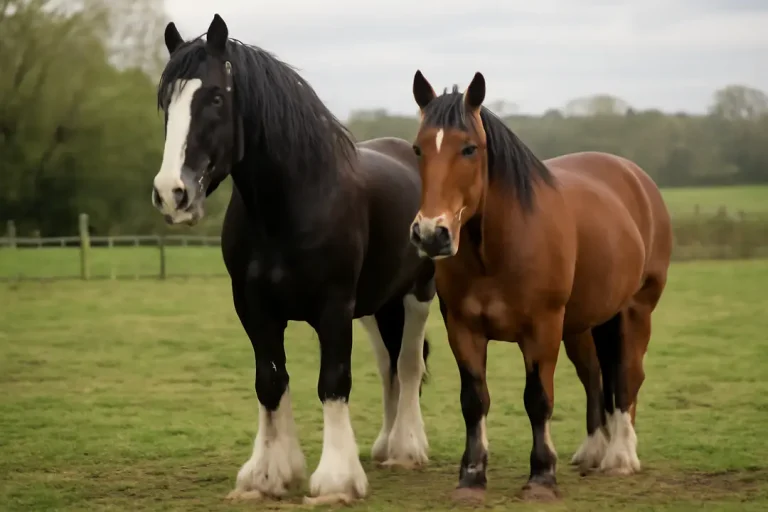
Shire horses rank among the largest horse breeds in the world. Standing up to 18 hands tall and weighing 1,800 pounds or more, they carry a commanding presence. Yet their big frame comes with steady movement and a slow, deliberate pace. That can feel reassuring for a rider still learning to balance and cue.
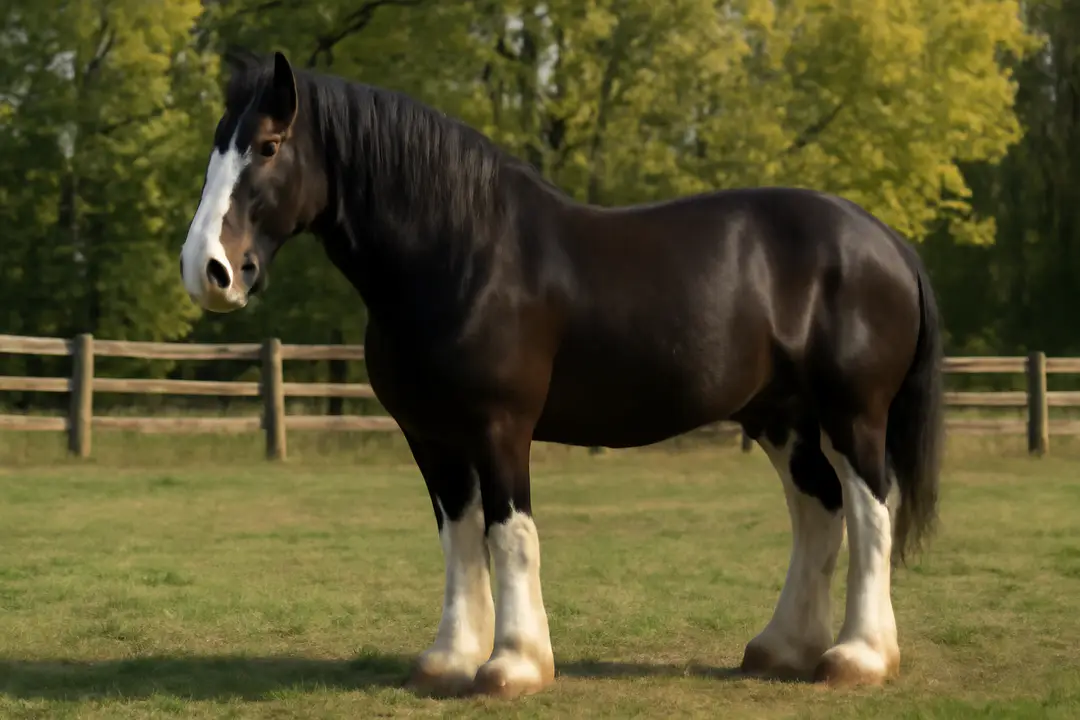
Originating in England, these gentle giants historically hauled heavy loads, farm machinery, and even artillery. Their broad hooves offer extra traction, and strong muscles keep them steady under weight. If you’re curious about their roots and traditional roles, exploring the breed origin gives real insight into how selective breeding shaped their calm nature.
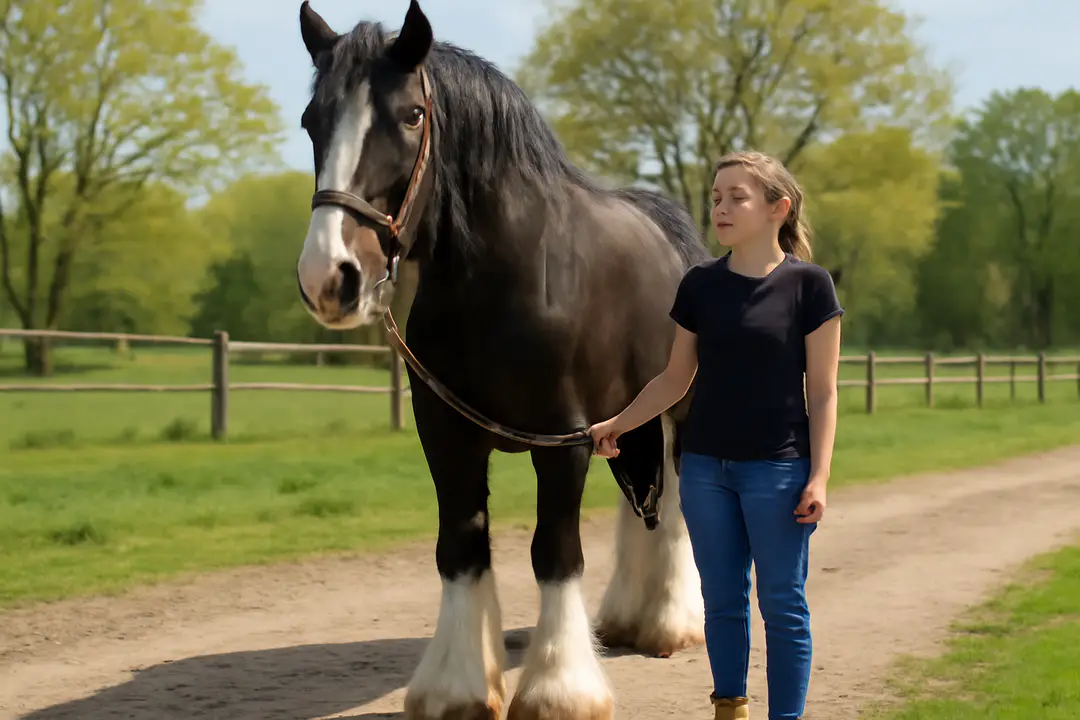
For a beginner, the sheer size means more ground to cover when grooming, saddling, or leading. In return, Shires reward with reliability and strength. You’ll need sturdy fencing and a roomy stall, but you’ll also enjoy a partner that rarely spooks at everyday sights. Understanding their build helps you prepare your barn and mindset for a well-matched partnership.
Temperament and Ease
One of the biggest perks of Shire horses is their patient temperament. They’re known for a laid-back attitude and willingness to learn. That steadiness can feel like training wheels for first-time riders. When a horse responds calmly to cues, mistakes become learning moments rather than scary surprises.
While individual personality varies, most Shires aim to please. They tolerate grooming, vet visits, and hoof trimming without fuss. Tack adjustments usually go smoothly when you approach each step with a gentle hand. They thrive on positive reinforcement, so praising small wins builds trust quickly.
If you want deep insight into their character, reading about Shire behavior shows how they handle new tasks and sensory challenges. Knowing their tolerance for noise or quick movements helps you introduce training tools at a comfortable pace. A calm horse means safer rides and a boost in your skill level.
Starter Care Tips
Daily care routines set the foundation for a happy, healthy Shire. Plan on feeding three times a day—hay or pasture complemented by a grain mix. Their large girth requires good-quality forage to keep weight steady but not excessive. Always monitor body condition to avoid common draft-horse issues like joint stress.
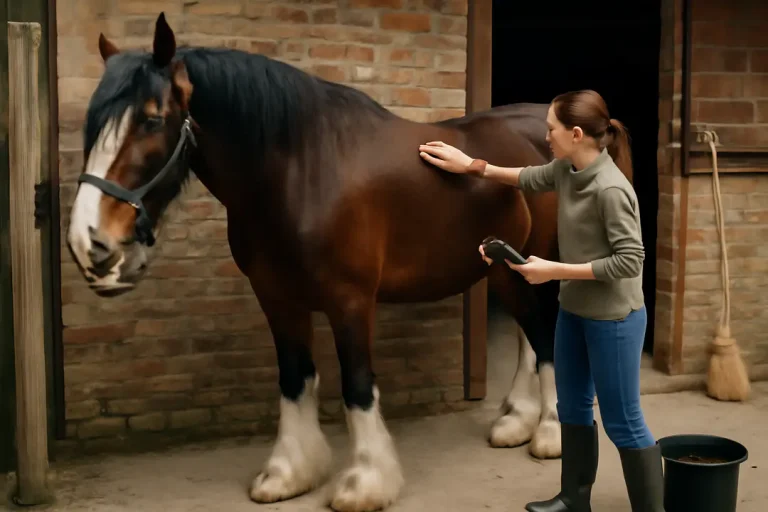
Grooming is essential. Their long feathers around the lower legs can trap mud and moisture. Clean and dry those areas daily to prevent skin problems. A soft brush across the body, followed by a curry to loosen dirt, keeps the coat sleek. This routine doubles as a health check—you’ll spot cuts, swelling, or tenderness early.
Hoof care demands regular attention too. Their wide hoof wall benefits from frequent trimming every six to eight weeks. For more on daily management, check out these detailed routine feeding and grooming guidelines. Establishing this consistency helps prevent unexpected vet bills or lameness, saving both time and money for a beginner.
Training for Beginners
Start groundwork in a quiet arena or round pen. Teach leading, backing up, and yielding the hindquarters before you even think of mounting. These basics build respect and clear communication. Always use a calm voice and soft pressure—Shires respond best when they understand your intent.
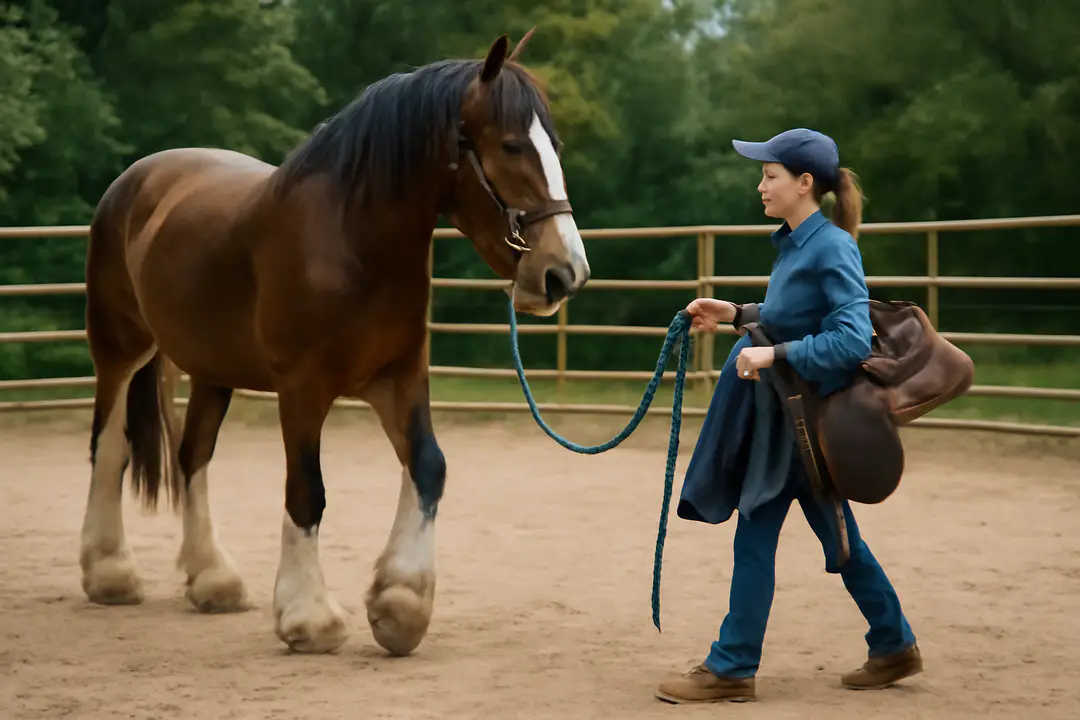
Once groundwork is solid, introduce saddling and a bridle. Let your horse feel the saddle pad first, then the saddle itself. Watch for signs of discomfort. A calm horse that accepts tack without tense muscles is ready to walk under saddle. Begin with short, slow sessions of just ten minutes, gradually increasing time as confidence grows.
Consistency beats intensity. Twenty minutes of focused work four times a week does more than a two-hour marathon once. Record each session, note progress and setbacks, and adjust pace accordingly. Local trainers experienced with drafts can offer guidance tailored to your horse’s pace—setting both of you up for a positive journey.
Costs and Commitment
Owning a Shire horse involves more than the purchase price. Expect initial costs of $4,000 to $10,000, depending on training and pedigree. Monthly expenses for feed, bedding, farrier, and vet care can reach $300 to $500. Budgeting for emergencies is critical—large horses often need more expensive treatments.
Space matters too. A Shire needs a paddock with solid fencing at least 100 by 100 feet and a stall of 12 by 12 feet. Your utters must handle heavy bedding changes, and your trailer should support 2,000 pounds. Factor these needs into farm upgrades or boarding fees.
Time commitment rivals financial investment. Daily handling, turnout, grooming, and training easily take two hours. Weekends bring vet visits or competitions. If your schedule can accommodate regular care and lessons, you’ll reap the reward of a gentle giant who grows with your skills. Planning ahead prevents burnout and ensures a lasting bond.
Conclusion
Deciding whether Shire horses are a good fit for beginners comes down to balancing size, temperament, and resources. Their steady nature and willingness to train make them ideal partners for novices, provided you prepare your space and budget. By following clear care routines and gradual training steps, you’ll build confidence and trust—cornerstones of any great rider-horse team.
Remember, every horse has its own personality. Investing time in groundwork, consistent handling, and reliable equipment creates a safe learning environment. If you tailor costs and barn setups to a draft’s needs, you’ll avoid surprises and truly enjoy working with one of the friendliest giants in the horse world. Start your Shire journey well-informed, and you’ll find a loyal companion for years to come.