
What Are Shire Horses Used For: Key Uses & Benefits
We often think of shire horses as gentle giants in fairs or on film sets. But few pause to consider their true importance in sustainable farming and land care. These massive, kind-hearted horses can work fields with light soil impact and offer a low-tech alternative to machinery. Yet how often do we ask about the real cost and benefit of trading diesel for hoof power? Could choosing a shire for your farm or small-hold make a surprising difference in expense and ecology?
The answer lies in understanding their unique strengths and needs. By exploring how shire horses excel in tasks from plowing to hauling, you’ll see why they still matter today. Knowing their day-to-day role helps you plan work, feed, and care more wisely. It also prevents surprises like hidden shoeing costs or uneven furrows. In turn, this knowledge gives you confidence to decide if a shire fits your project or lifestyle.
Heavy Farm Work
Shire horses have long been essential farm partners. Their broad chest, powerful legs, and calm mind make them top for plowing fields. Farmers use them to pull heavy plows, harrows, and seed drills, especially in small or wet fields where tractors struggle. Their steady walk and sure footing let them work on soft ground or uneven terrain. In autumn and spring, these horses tackle tasks that would strain modern machines.
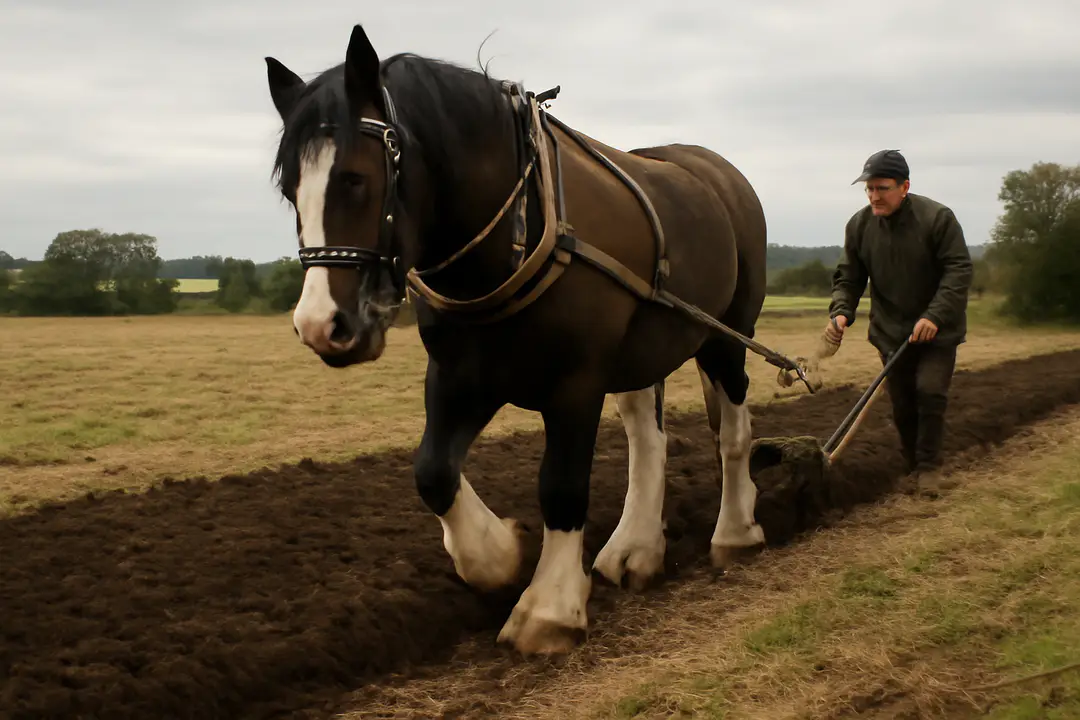
One major benefit of using shires is lower fuel cost and reduced soil compaction. They move at a safe pace, creating even furrows without deep tire ruts. Their size is key: adult shires often weigh between 800 and 1200 kg, giving built-in weight and strength. Training a shire for tilling takes weeks but yields reliable service for years. Regular hoof checks and balanced shoeing keep your team working smoothly.
To get the most out of your shire, rotate fields to rest hooves and soil. Offer a high-fiber feed mix before work to fuel their strength. Provide water breaks every hour, especially in warm weather. Pair them with lighter draft breeds for varied work and easy matching. With good care, a shire can handle farm chores well into its teens.
Shire care costs vary, but many farmers see quick return on investment. Buying a mature horse costs less than a high-end tractor. They need pasture, grain, and minimal equipment. Maintenance gear includes harnesses, padded collars, and metal shoes. Over time, savings on fuel and repairs really add up.
Logging and Hauling
In forests, shire horses shine at hauling timber from steep slopes and dense stands. Their calm nature keeps them steady on narrow trails. They can pull heavy logs without slipping or causing wide tracks, unlike heavy trucks. Woodcutters value their gentleness around young trees and wildlife. With skilled handlers, these horses clear timber quietly and safely.
Standard gear includes a sturdy logging wagon, padded harness, and bridles designed for control. Teams work best in pairs or trios, sharing the load. Modern teams may attach lightweight steel sleds for wet ground. In dry seasons, wooden skids work fine. All gear must suit your local terrain and climate.
| Terrain | Typical Load (kg) |
|---|---|
| Flat forest floor | 800–1200 |
| Hilly woodlands | 500–800 |
| Steep slopes | 300–500 |
These figures depend on horse fitness, soil, and weather. Check daily for harness rubs and sore points. Let logs cool and dry before loading to reduce mold. Plan trips early or late in the day to avoid heat stress.
Tip: Clear brush and rocks from paths to ease travel. Carry spare harness straps and metal shoes for quick fixes. Schedule rest breaks every two loads. Provide ample water and salt blocks at unloading sites. This care boosts safety and efficiency.
Carriage and Driving
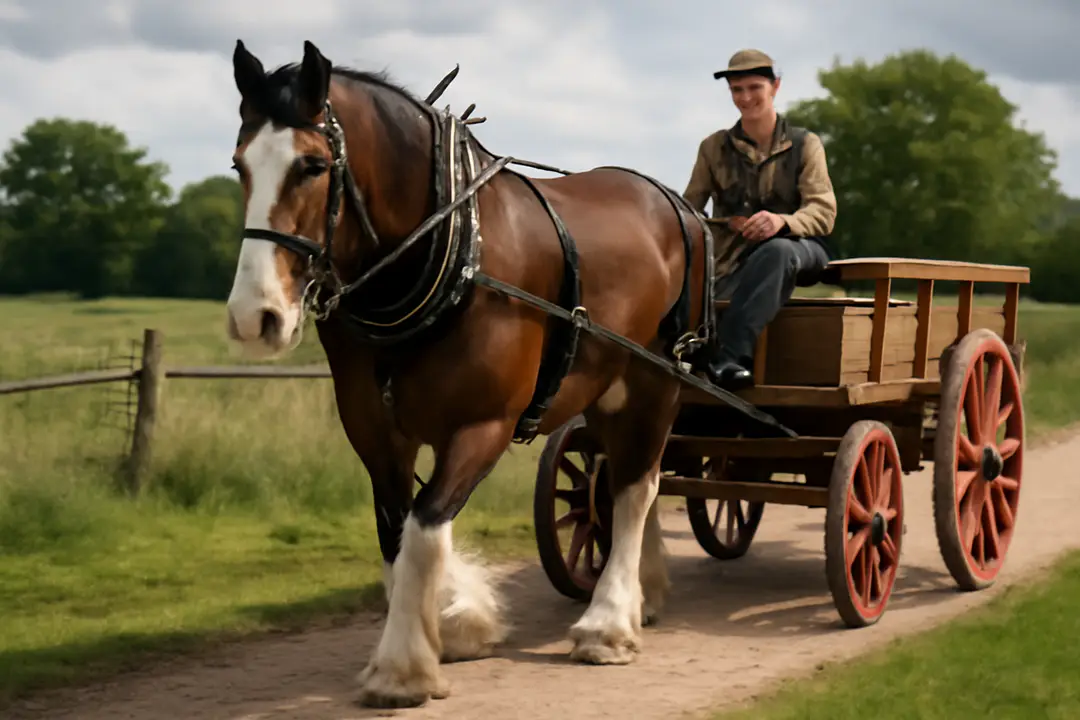
Shire horses make fine carriage and driving partners. Their large frame and steady gait give a smooth ride for passengers. They appear at weddings, town parades, and historic re-enactments. People love watching these gentle giants pull ornate coaches. Well-trained shires handle tight turns and uneven roads with grace.
To get started, choose a horse with solid training in harness work. Check that the collar, traces, and bridle fit well. Practice in a quiet field before heading to busy streets. Keep sessions short at first to avoid fatigue and build confidence. Offer treats and praise when the horse responds to voice and rein cues.
Look for coaches designed for your carriage type—two, four, or six-wheel models. Match wheel width to road surfaces to prevent tipping. Inspect tires or wooden spokes for cracks. Learn basic wheel repair or have a kit on hand. Safety is key when sharing streets with cars or bikes.
Joining local driving clubs offers learning and social events. Many towns host charity drives where horses raise donations. These shows help you network with experienced handlers. Sharing tips on grooming, shoeing, and route planning cuts trial-and-error costs.
Equine Tourism Roles
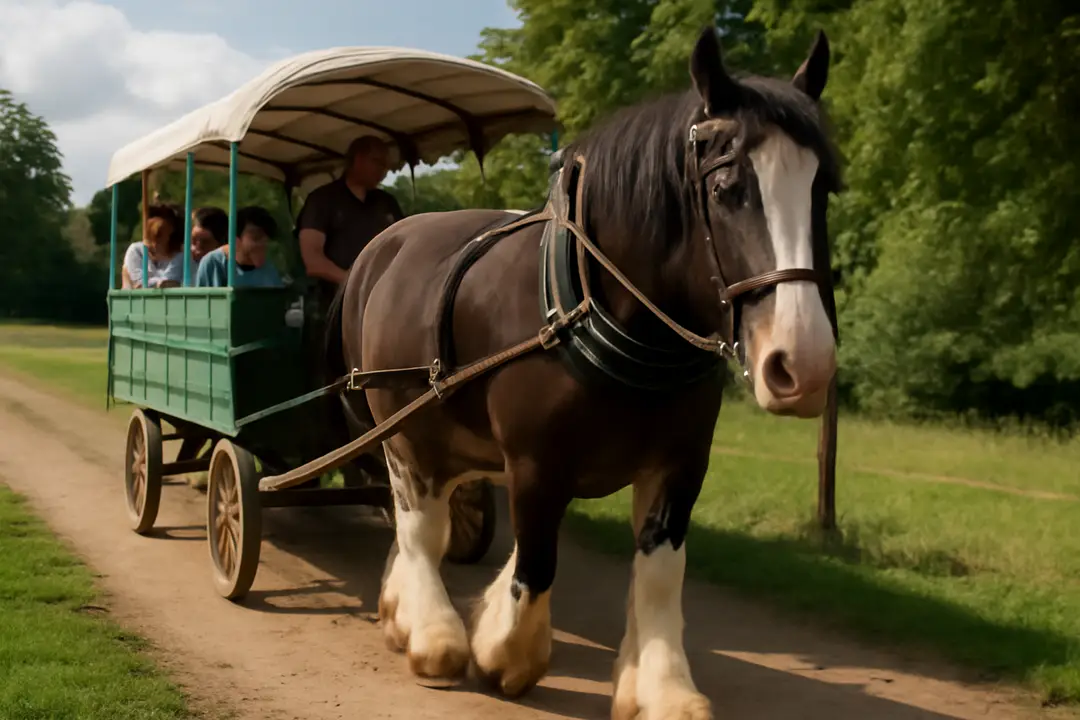
Shire horses add charm to tourism and heritage experiences. Their size and gentle eyes draw visitors of all ages. Farms and parks hire them to pull wagons or sleighs for guided tours. Medieval fairs feature shires in knight-and-horse demonstrations. Photographers book them for portrait sessions in scenic settings.
- Farm trail rides through fields and woodlands
- Wagon tours at Christmas markets and festivals
- Heritage rides in historic villages and castles
- Photo shoots for weddings and family events
- Educational talks on draft horse care and history
Booking often requires advance notice—some operators plan months ahead. Dress your shire in clean, well-fitted harnesses and padded blankets. Offer short breaks for the horse every 30 minutes. Provide water and shade to keep them cool and alert.
Tip: Promote your tours online with clear photos of happy visitors and shires. Ask guests to share feedback and images. This builds trust and fills your schedule. A well-run shire wagon ride becomes a top local attraction.
Therapy and Community
Shire horses serve in equine therapy programs for mental health and rehab. Their calm nature and slow, steady pace help clients with stress, anxiety, and PTSD. Nonprofits partner with therapists to run sessions in outdoor arenas. Participants groom, lead, and feed shires, building trust and social skills. Over time, many report improved mood and confidence.
- Reduces stress and lowers blood pressure
- Improves balance and core strength
- Boosts social interaction and teamwork
- Encourages responsibility through feeding and care
- Builds long-term bonds—shire lifespans reach 25–30 years (lifespans)
Community farms host open days where visitors learn about draft breeds like the shire. These events raise funds and awareness for therapy programs. Volunteers spot early signs of stress in horses and clients. Trained staff ensure safety during grooming and ground work.
Tip: Choose a quiet, level arena for first sessions. Limit group size to four or five to keep attention focused. Offer participants journals to record progress. Celebrate small wins—each step builds confidence for horse and human.
Conclusion
Shire horses hold a unique spot in modern work and leisure. They blend power and calm, offering eco-friendly farm work, careful logging, and memorable carriage rides. From tourism wagons to therapy rings, these gentle giants still prove their worth. Understanding their care, gear, and pacing ensures smooth partnerships and avoids surprises. Whether you seek to reduce fuel costs, enrich community events, or support mental health, a shire horse can fit the bill. Embracing their strength and steady nature might just change how you plan your next project.