
How Big Is a Shire Horse: Height, Weight & Size Guide
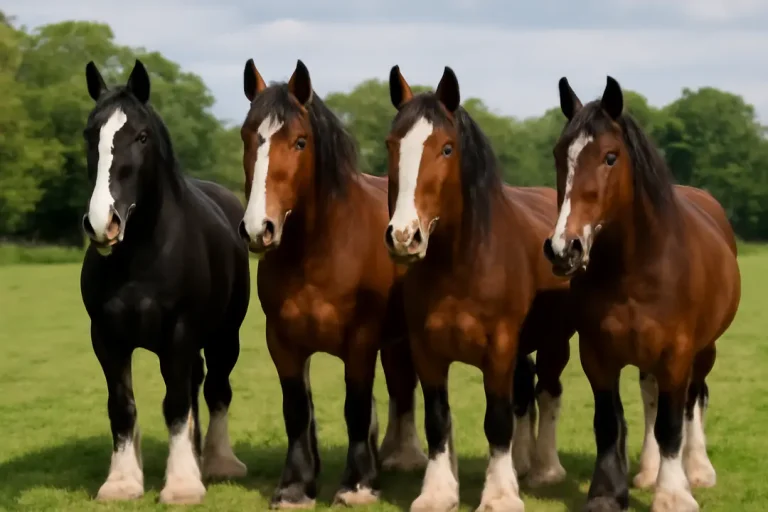
When you first see a Shire horse, you can’t help but be impressed by its size and gentle presence. These gentle giants have been hauling heavy loads and starring in parades for centuries, yet most people focus only on their height at the withers. Few stop to think about how much room they need in a barn stall or how that mass affects daily care. What if your stable space is too small or your fences too low for such a large breed?
By understanding a Shire horse’s full physical footprint—not just its height—you’ll avoid surprises in stall design, pasture planning, and handling routines. Giving these animals the right space and support keeps them healthy and happy. Let’s explore exactly how big a Shire horse really is and what that means for anyone welcoming one into their life.
Measuring Height & Weight
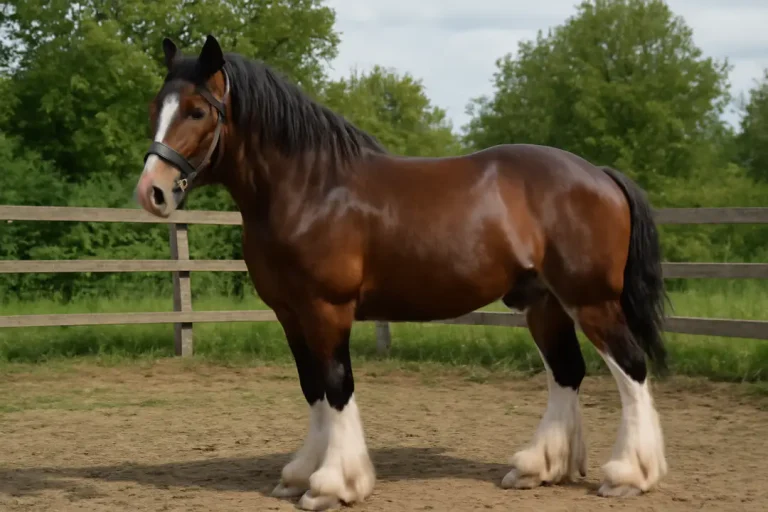
Shire height is measured in hands, with most adults standing between 17 and 19 hands (68–76 inches) at the withers. To get an accurate number, stand the horse on level ground and use a stick with hand markings or a flexible measuring tape up the front leg to the highest point of the shoulder blade.
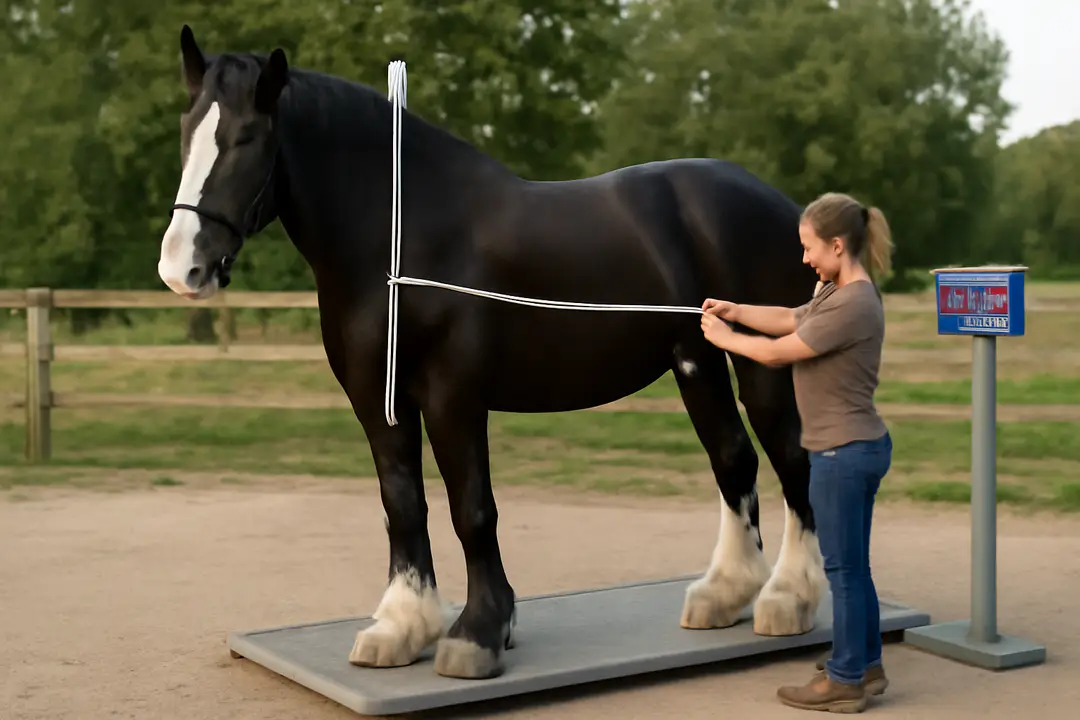
Weight varies from about 1,800 to 2,400 pounds. A reliable way to check mass is with a livestock scale. If that isn’t available, use a weight tape around the heart girth and body length. You can also consult average weight data to estimate and compare your horse.
Knowing precise weight helps you tailor feed, shoeing schedules, and veterinary plans. Heavy horses need balanced rations to avoid laminitis or joint strain. Regular weigh-ins—perhaps monthly—let you catch unexpected gains or losses early.
Bone Structure and Build
Shire horses are not just tall; they’re built on a solid skeleton. You’ll notice broad, flat backs and deep barrels. Strong bones support that hefty weight, but this also means careful hoof and joint care.
Measure cannon bone circumference about 4 inches above the fetlock to assess substance. A thicker bone often correlates to greater strength and better load-bearing. Check for even growth in both front and hind legs to spot developmental issues early.
Regular farrier visits (every 6–8 weeks) will help maintain hoof balance. Deep, strong hooves carry weight and cushion joints. If you plan heavy draft work, discuss shoeing or protective pads with your farrier to prevent wear or cracking.
Monitoring bone health with supplements like biotin and methionine can also support hoof quality. Always consult your vet before adding new products, and keep records of any changes you see.
Stall and Pasture Needs
Because these horses can weigh over a ton, they demand more room than smaller breeds. A standard 12×12‐foot stall is too tight—opt for at least 14×14 feet. Larger doorways (4.5 to 5 feet wide) make entering and exiting safer.
In pasture, fence lines must be sturdy and high enough. A 5‐foot fence is minimal. Strong wood or high‐tensile wire will prevent lean‐overs. Learn barn layout guidelines from barn layout guidelines to set proper stall flooring, drainage, and ventilation.
Group turnout requires smooth footing. Avoid rocky or uneven paddocks to reduce injury risk. Provide heavy‐duty water troughs that won’t tip, and shade areas to cool off on hot days.
Regularly check stalls for worn boards or nails. A break in a fence or a protruding nail can lead to serious harm. Keep pathways clear for easy cleaning and safe handling.
Breed Size Comparison
| Breed | Average Height | Average Weight |
|---|---|---|
| Shire | 17–19 hands | 1,800–2,400 lbs |
| Clydesdale | 16–18 hands | 1,600–2,000 lbs |
| Percheron | 16–17.3 hands | 1,800–2,600 lbs |
Compared to other draft breeds, Shires often top out in height. For a more detailed look, check in-depth size charts. When choosing a breed, factor in your barn dimensions, available pasture, and handling ability.
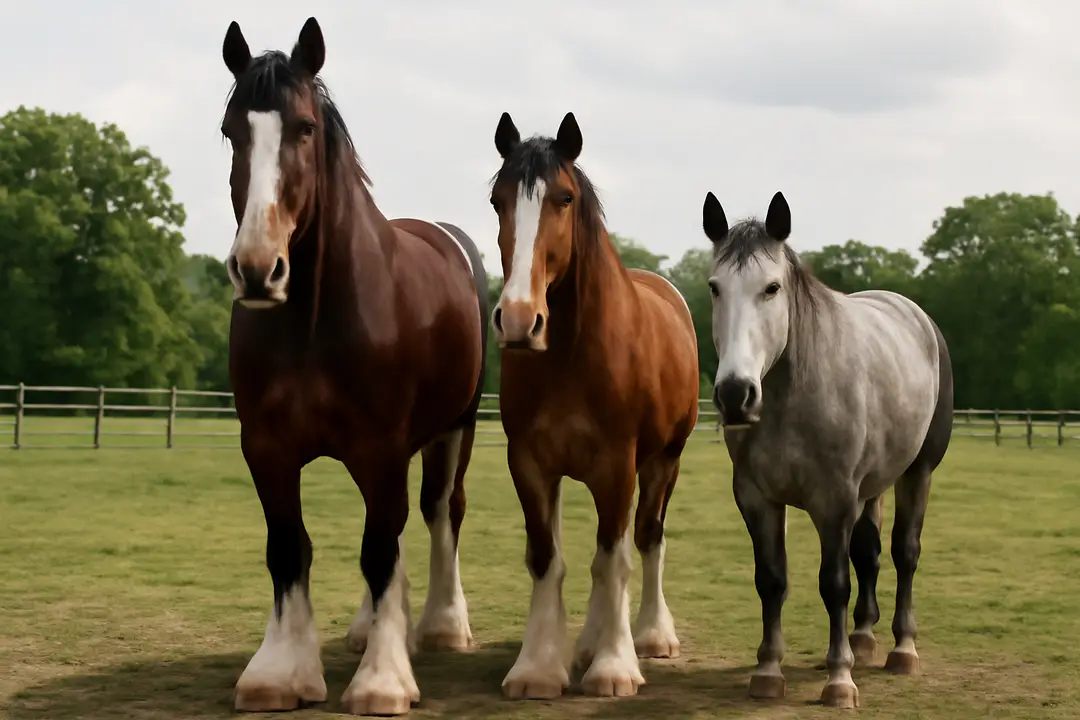
The differences impact feeding needs too. Percherons may eat slightly more concentrated feed, while Clydesdales often need extra hoof care for their feathered fetlocks. Shires require a balance of forage and grain to maintain muscle without excess bulk.
Growth and Development
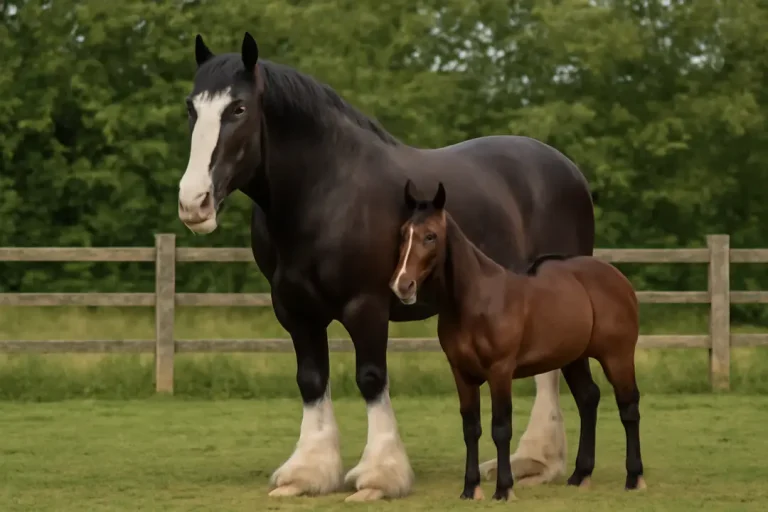
Shire foals are large at birth, often over 100 pounds. They grow quickly, adding up to a pound a day in the first months. By six months, many stand around 14 hands and weigh near 1,000 pounds.
Nutrition is key: high‐quality hay, mare’s milk, and a balanced foal feed support healthy bone and muscle growth. Track growth with monthly measurements and adjust feed if growth slows or stalls. Overfeeding can lead to skeletal issues, so work with a vet on ration size.
Teeth development and hoof growth also need monitoring. Foals may need light trimming early to avoid hoof imbalances. Gentle handling and daily turnout will build strength and coordination.
Keep a journal of milestones—height, weight, training cues—and compare with breed guides. This record helps you spot delays or health concerns and plan veterinary or nutritional interventions promptly.
Transport Considerations
Moving a Shire horse requires a trailer with high ceilings (minimum interior height of 7 feet) and wide stalls. Ramp angles must be gentle to encourage loading. Non‐slip flooring and padded walls reduce stress and injury.
Check the trailer’s weight capacity, aiming for at least 2,500 pounds per stall. Secure partitions firmly and use head bumpers to prevent accidental knocks. In hot weather, add fans or open vents for airflow.
Before a long trip, train your horse to load calmly. Short practice runs build confidence. Always travel with a healthy supply of forage, water, and a basic first‐aid kit.
After arrival, give a cool‐down period with light hand walking and fresh water. Watch for signs of soreness or distress. Proper planning makes moving these gentle giants much smoother.
Conclusion
Shire horses stand among the largest equine breeds, but size is more than just height. Their weight, bone structure, stall requirements, and transport needs all tie into daily care. By measuring height and weight accurately, planning spacious stalls, and comparing breeds with clear data, you set your Shire up for success.
Growth tracking ensures foals develop correctly, and thoughtful transport prep keeps adult horses safe on the road. Understanding the full scope of a Shire’s physical footprint guides healthier feeding, stronger shelters, and easier handling. As you welcome one of these gentle giants into your stable, you’ll be ready to meet every challenge—from stall design to pasture layout—with confidence and care.