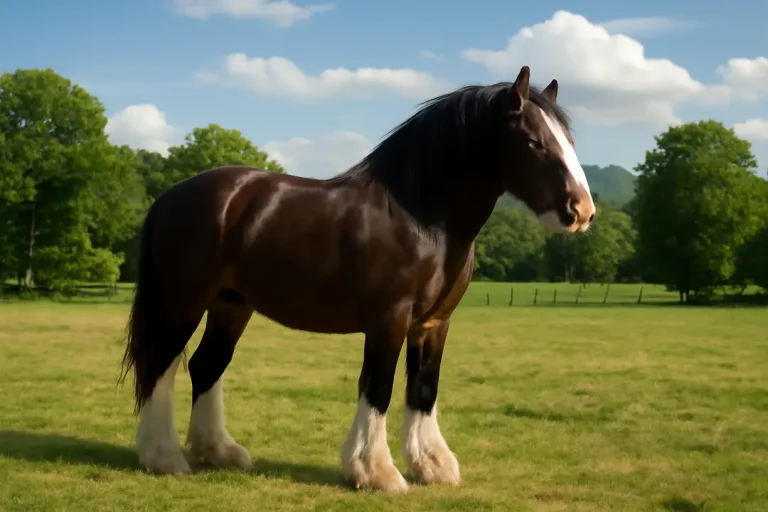

Shire Horse for Sale: Tips to Find Your Gentle Giant
When you’re in the market for a shire horse for sale, you’re not just buying a horse—you’re inviting a gentle giant into your life. We often focus on looks and price, but the pedigree and training history can make or break your experience. What if a beautiful horse turns out to have health issues or a stubborn streak?
The key is to dig deeper before you commit. By checking health records, seeing the horse in action, and talking to past owners, you can sidestep costly mistakes and stress. Understanding these details doesn’t just give you confidence—it ensures you get a strong, willing partner built for years of happy work or pleasure.
Top Places to Buy a Shire Horse
United States & North America
- American Shire Horse Association (ASHA)
The official breed registry in the U.S., ideal for locating reputable breeders and verified Shire horses. - DreamHorse and EquineNow
These platforms frequently list Shire horses across various U.S. states, with prices ranging from $8,000 to $15,000 depending on training, age, and pedigree. - Northeast Shires
A veteran-owned breeder known for show-quality registered Shires, located on the U.S. east coast.
Europe
- eHorses and BillyRider
Popular horse marketplaces in Europe with listings for Shire horses in countries like Germany, Austria, and the UK. Prices typically range from €2,500 to €10,000.
Australia
- Darkmoor Shire Horse Stud
One of the top breeders in Australia, offering both foals and trained adults for sale.
Why Choose Shire
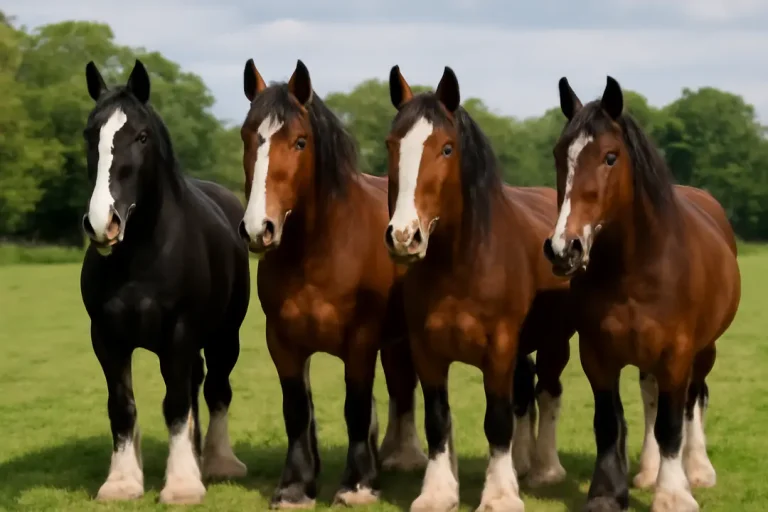
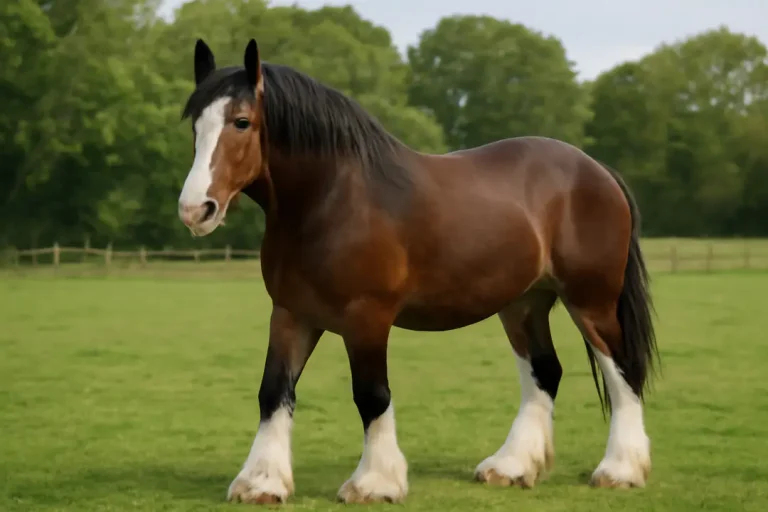
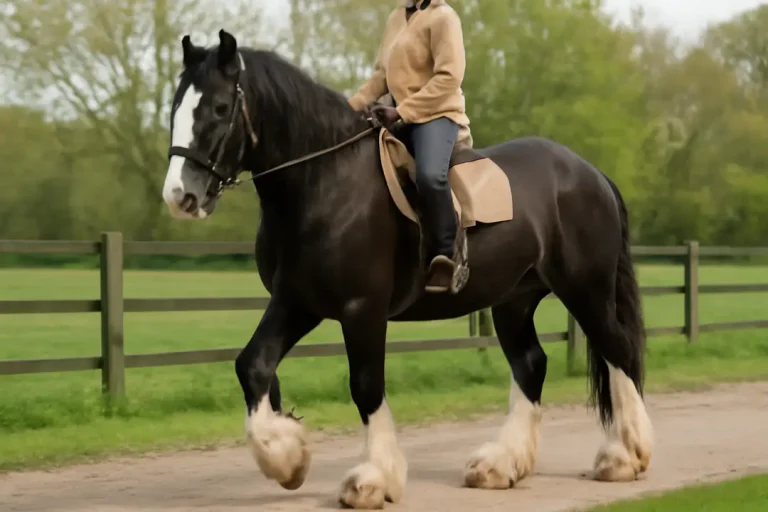
Shire horses stand out for their immense size, steady temperament, and old-world charm. Originally bred in England for farm and carriage work, they adapt well to modern equestrian pursuits. Whether you need a reliable riding mount or a show ring star, a shire’s calm nature makes training smoother.

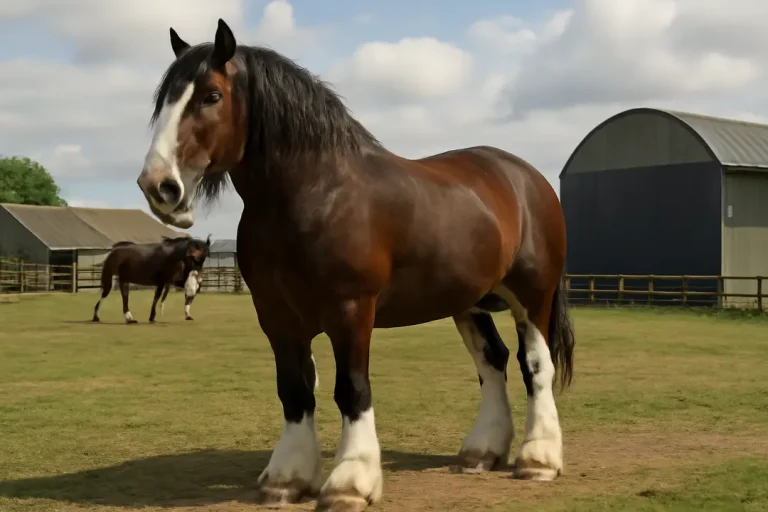
These horses average 17 to 19 hands at the withers and weigh up to 2,000 pounds. Despite their bulk, they’re gentle with children and newcomers. Their broad hooves and strong legs offer sure-footedness on trails. And because they were meant to haul heavy loads, they handle weight with ease.
Practical tip: Visit farms that specialize in draft breeds to see them up close. Watch for a steady gait and relaxed head carriage—that signals a balanced, well-trained animal. For deeper insight into lineage and care, resources on breed history and characteristics can guide you.
Budget and Costs
Finding a shire horse for sale starts with setting a realistic budget. Prices vary widely—some start around $3,000, while top-quality, registered youngsters can top $10,000. Beyond the purchase price, factor in ongoing costs like feed, farrier work, and vet visits.
These horses eat around 15 to 20 pounds of hay daily, plus grain or supplements. Annual farrier visits average $150 to $200 each, and routine veterinary care can run $300 to $500 per year. Don’t forget insurance if you plan on showing or driving—premiums for draft horses often cost $200 to $400 annually.
Practical tip: Ask sellers for a breakdown of monthly upkeep based on their experience. This real-world data helps you avoid sticker shock. Also, consider adopting slightly older horses at a lower price; they’re often calmer and already trained.
Finding the Right Seller
Reputable breeders and dealers make all the difference. A solid seller provides health certificates, registration papers, and training videos. They’ll answer questions about temperament, injuries, and daily routine without hesitation.
When evaluating ads, look for detailed descriptions and clear photos. Avoid listings that hide a horse’s age, height, or past health issues. A good seller will welcome a vet inspection and may even offer a short trial period.
Practical tip: Join draft horse communities online to get referrals. Owners swap experiences about trustworthy breeders and warn against those who overpromise. Networking also reveals upcoming sales, giving you first pick at new listings.
Health and Inspections
No shire horse for sale is a good deal until a vet gives it a clean bill of health. Inspections typically cover hooves, knees, joints, and lungs. Watch for signs of arthritis or chronic soft tissue injuries, common in large horses.

Arrange a pre-purchase exam that includes X-rays for legs and feet. A blood test can check for metabolic issues or infections. Have the vet watch the horse at a walk, trot, and while turning. Even a slight limp can point to bigger problems down the road.
Practical tip: Bring someone experienced in draft breeds to the appointment. They notice subtle cues, like poor hair coat or reluctance to bear weight. This extra set of eyes protects you from unseen ailments.
Transport and Stabling
Once you’ve bought your shire horse, planning transport is next. Their size means custom trailers or double bays. Confirm the transport company has experience with draft breeds and strong, non-slip flooring.
At your barn, stalls should be at least 14 by 14 feet. Bedding needs more padding to protect large joints. Ensure doors are wide and safe, with secure latches, because a nervous shire can lean hard on gates.
Practical tip: Before travel day, take short trailer trips to acclimate your horse. At home, introduce grooming and leading in the barn aisle. Smaller steps reduce stress when moving to new surroundings.
Care and Training
Shire horses thrive on routine. Daily grooming removes mud and checks for skin issues under their feathered legs. Proper hoof care prevents thrush, especially in humid climates. For techniques, look up expert grooming tips designed for drafts.
Training focuses on building muscle and confidence. Groundwork starts with leading, backing up, and yielding to pressure. Consistency and patience win over force. Once under saddle, keep sessions short—20 to 30 minutes—gradually increasing as fitness improves.
Practical tip: Rotate between arena work and field turnout. Drafts enjoy having space to move freely. Pair training days with light trail rides to build stamina without boredom.
Conclusion
Buying a shire horse for sale is an investment in companionship, tradition, and power. By focusing on health checks, seller reputation, and proper care, you ensure a lasting partnership. Remember that a gentle giant needs as much love and attention as any other horse—but with the right groundwork, they reward you with steady loyalty and impressive presence.
Take your time, ask questions, and lean on breed experts and fellow owners. With clear expectations and a structured plan—from pre-purchase exams to training routines—you’ll feel confident bringing your shire home. Soon, you’ll be leading a majestic, calm, and reliable partner through fields, shows, or weekend drives.