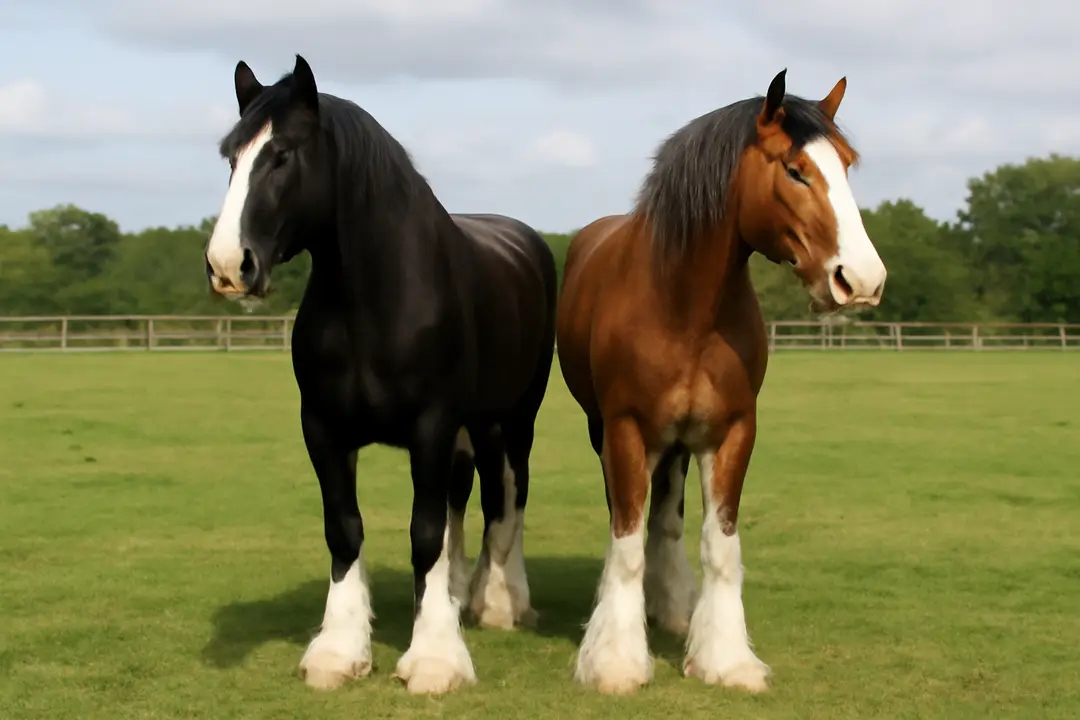
Shire Horse Next to Clydesdale: Comparison & Care Guide
Big draft horses have long captured our imagination for their strength and presence in fields and parades. Yet most guides focus on raw power and overlook how daily care and handling shape their usefulness. When you stand two giants side by side—the Shire Horse next to Clydesdale—their true differences emerge beyond muscle. What impact do these subtleties have on a rider’s or farmer’s everyday routine?
By highlighting those daily handling quirks, you can pick the right breed before surprises arise. Knowing how feathered legs react to mud or how calm a stallion stays under saddle helps you plan grooming, stabling, and work tasks. Understanding these traits ensures you make informed choices and avoid common headaches. With this insight, you’ll be ready for smoother training and care.
Shire Horse Origins
The Shire Horse traces back to medieval England, where it hauled carts and plowed fields. Its size grew over centuries to handle heavy farm loads. Meanwhile, Clydesdales emerged in Scotland to pull brewery wagons across rough roads. Each breed answered local needs for strength and endurance.
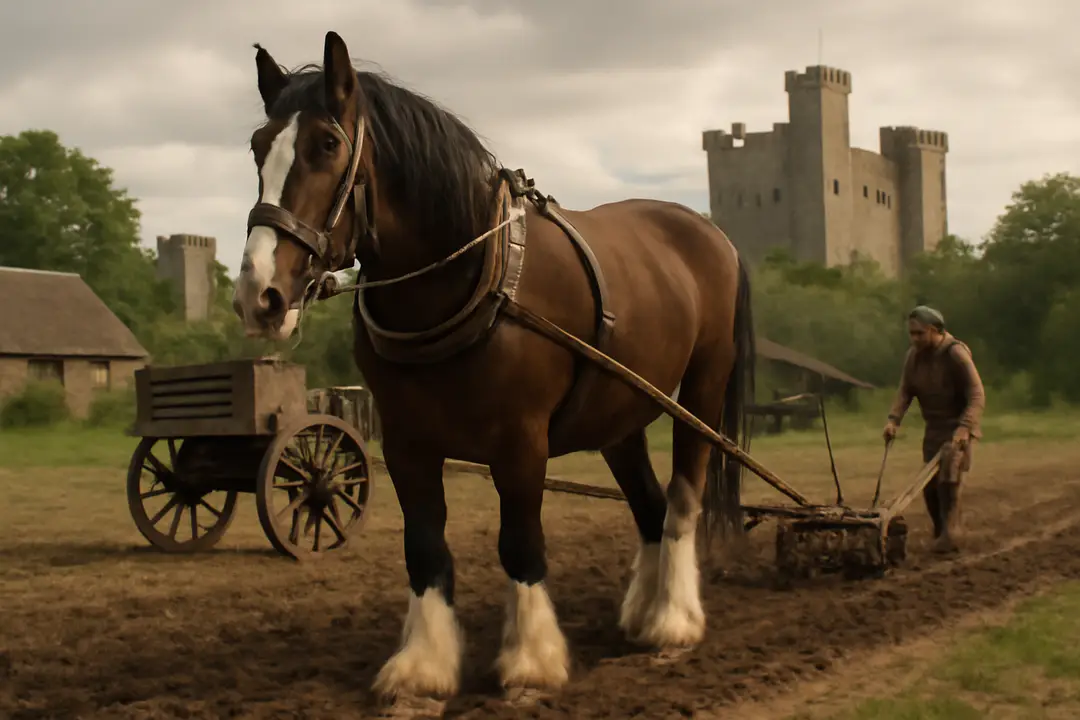
Early records show Shires in royal pageants, prized for their calm nature and steady gait. Farmers valued their capacity to work long hours without tiring. For deep insight into breed history and care, explore a detailed guide to breed history and care.
By the 19th century, both breeds saw formal breeding programs. Breeders selected for height, feather quality, and bone strength. Over time, these programs refined looks and temperament.
Today, Shires carry on that legacy at shows and on small farms. Their pedigree still reflects centuries of selective breeding. Enthusiasts value that continuity in bloodlines.
Whether you want a gentle giant for demonstration or a steady farm helper, tracing origins shows why each breed fits a role. Knowing lineage can guide your future purchase or lease decision.
Size and Build
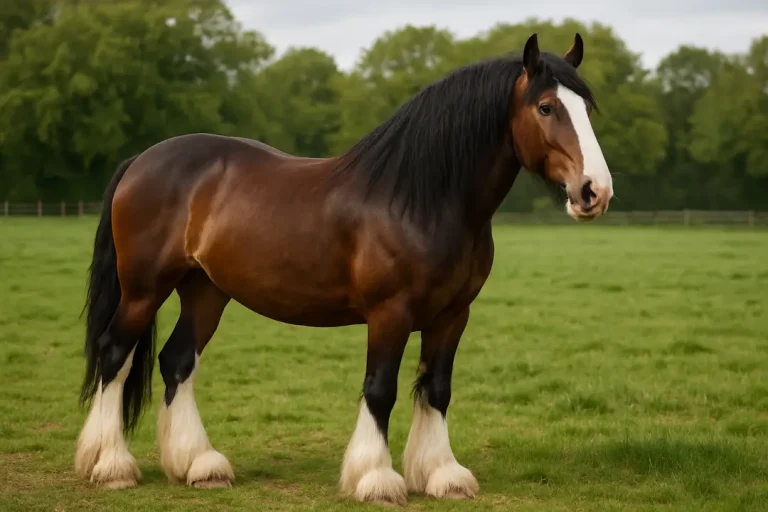
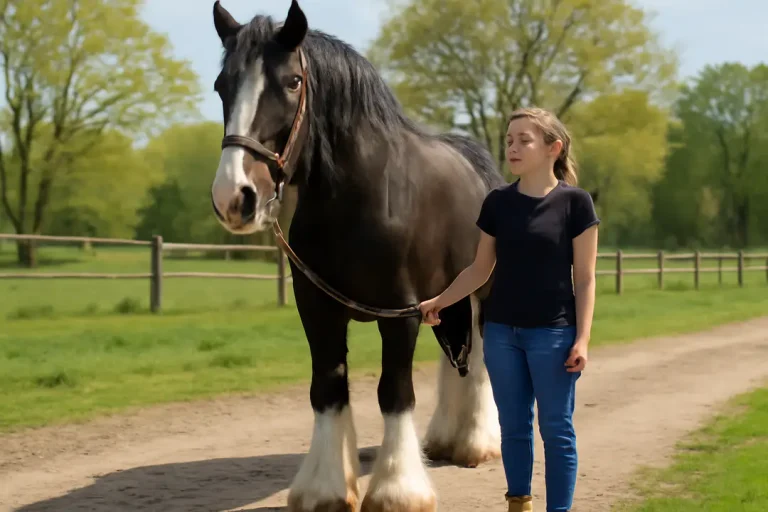
Shire Horses rank among the tallest, often reaching 17 hands high or more. Their broad chests and deep girths support massive hauling power. Clydesdales stand slightly taller on average but carry less bulk overall.
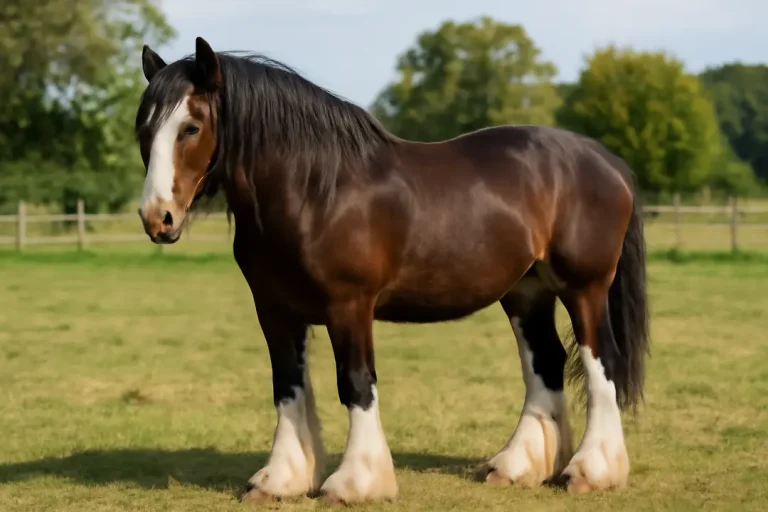
Beyond height, bone density and muscle distribution differ. Shires display heavier feathering above the hoof, while Clydesdales show cleaner legs. Those feathers demand extra hoof care to prevent mud scald.
| Trait | Shire Horse | Clydesdale |
|---|---|---|
| Height | 16.2–17.2 hands | 16–18 hands |
| Weight | 2000–2400 lbs | 1800–2000 lbs |
| Feathering | Heavy | Moderate |
| Common Colors | Black, bay, grey | Bay, brown, chestnut |
For a full breakdown of hoof-to-shoulder stats, review this detailed size comparison. Your choice may depend on barn door height or trailer clearance.
Before purchasing, measure doorways and stall sizes. Confirm you have equipment rated for each breed’s load. Simple site checks save costly renovations later.
Personality Traits
Shire Horses earned a reputation for calmness when facing heavy pulls. Their patient nature makes them ideal for beginners handling large breeds. Clydesdales, while friendly, can display more animated responses during shows or parades.
Training style matters: Shires respond best to steady, predictable cues. Clydesdales often thrive under dynamic, varied routines. Recognizing this difference prevents frustration on both sides.
When socializing, take each horse’s background into account. Shires from heavy-work lines tend to bond closely with handlers. Clydesdales in promotional roles may expect more public interaction.
Watch herd behavior too. Shires often act as reliable anchors in mixed groups. Clydesdales can show playful energy when turned out together.
Matching your riding or driving style with temperament sets you up for success. A quiet temperament can ease trail rides, while a spirited horse suits parades. Choose according to your goals.
Grooming and Care
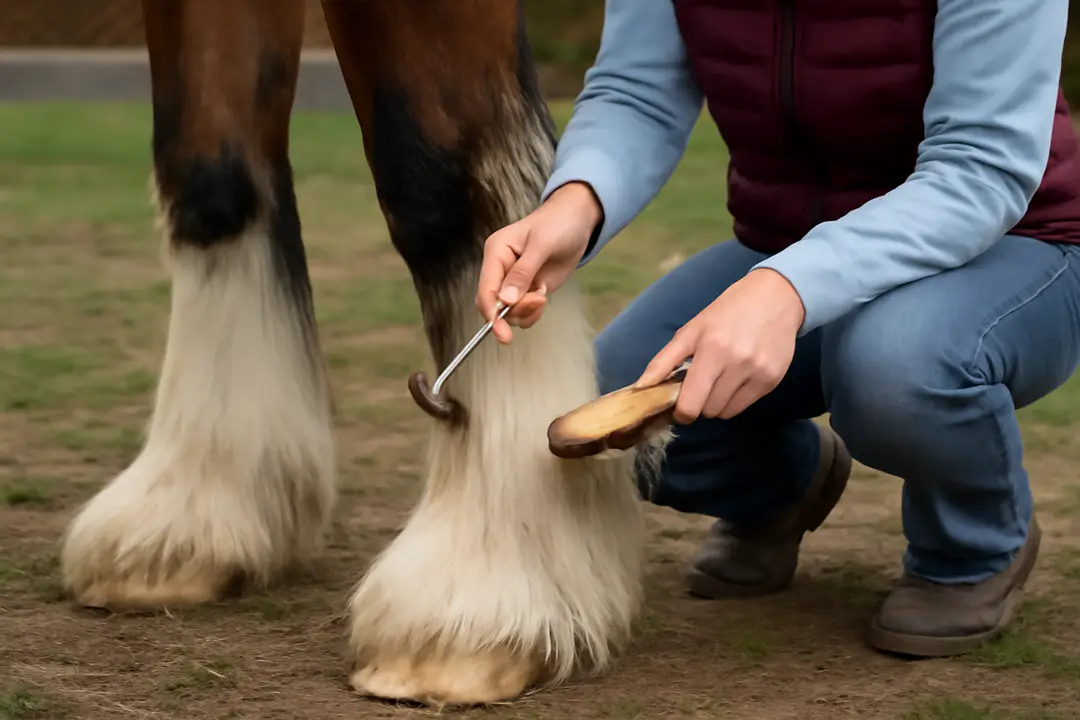
Proper grooming keeps feathered legs healthy and free from mud buildup. Daily brushing and occasional soaking prevent skin sores under heavy feathering. Use a soft brush and hoof pick gently around the pastern area.
Feed plans should match their draft metabolism. Both breeds need quality hay and balanced grain rations. Too much starch can lead to weight gain, so monitor body condition monthly.
Hoof care happens every 6–8 weeks, but check for mud fever weekly. Bathing legs in mild antiseptic solutions helps fend off infections. Keep stalls clean and dry to reduce risks.
Exercise routines promote joint health. Shires benefit from slow, steady walks after feedings. Clydesdales may enjoy light trotting to build muscle tone.
Seasonal adjustments matter too. In winter, watch for ice buildup in feathers. In summer, shield from flies around the fetlocks. Small steps in grooming routines pay off in lasting health.
Work and Use
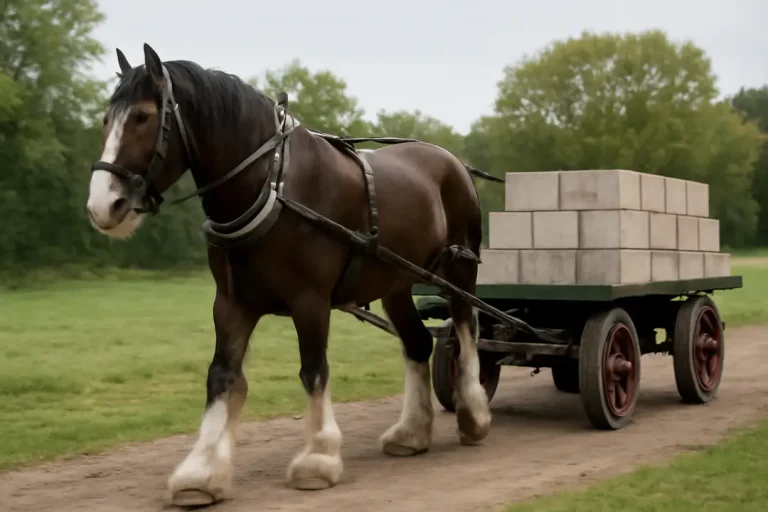
Shire Horses excel at heavy logging, farm plowing, and hauling bulky loads. Their power makes them top picks for historical farming demonstrations. They handle constant weight without strain.
Clydesdales shine in show rings, brewery parades, and promotional events. Their flashy white blaze and flowing feather set captives hearts on city streets. They work well in teams where appearance matters.
Both breeds suit carriage driving, but consider balance. Shires handle longer, steadier routes. Clydesdales add flair with lively steps and high knee action.
In cross-training programs, rotate tasks to avoid burnout. Draft work, trail rides, and light jumping keep muscles flexible. A varied schedule also boosts their mental well-being.
Assess your property and event types before committing. A rural farm might favor Shire pulling tasks. A show circuit could lean toward the spotlight-loving Clydesdale.
Choosing Between Breeds
Deciding on a draft horse means weighing size, temperament, and intended use. Each breed brings unique strengths to the barn. Start by listing daily tasks you expect the horse to perform.
Next, compare maintenance demands like hoof care and grooming. Feather density influences your time investment each week. Calculate care hours before finalizing your choice.
Factor in training style and your experience level. A patient beginner might prefer the Shire’s steady approach. A handler seeking show presence may enjoy a Clydesdale’s flair.
Key considerations include:
- Available stall and trailer dimensions
- Weekly grooming and hoof care time
- Type of work: farm, show, or driving
- Local climate and stable conditions
- Budget for feed, vet, and farrier services
For an extra layer of guidance, check an in-depth breed matchup. That way, you align breed strengths with your goals.
Conclusion
Standing a Shire Horse next to Clydesdale reveals more than muscle differences. It highlights core traits in history, build, and personality. Each breed serves distinct roles in farming, shows, and driving events. By understanding their backgrounds, you choose a horse that fits your project and lifestyle.
Grooming routines and feeding plans both demand planning. Feather care, hoof checks, and diet adjustments keep these giants healthy. Assess your barn setup and daily schedule before bringing one home. A clear plan ensures smooth integration and happy horses.
Temperament and training style guide your handling approach. Shires bring steady patience, while Clydesdales offer dynamic energy. Match your skills and needs to create a rewarding partnership. Whether you crave power or performance flair, the right draft mate awaits.
As you weigh size, care, and temperament, remember that preparation leads to success. Use this guide’s insights to plan stabling, grooming, and work routines. Then enjoy the strength and character only these majestic draft horses can provide.