Differences Between Shire and Other Draft Horses Guide
When it comes to hearty farm work, draft horses play a huge role. Yet we often overlook breed-specific traits that make Shires stand out. Their gentle giant reputation and feathered legs hide a unique strength profile most people miss. How exactly do Shire leg feathers influence their movement and performance?
Understanding leg feathers can help owners pick the right horse and prevent health issues down the line. By seeing how feathering affects gait and hoof health, you’ll know what to watch in grooming and farrier work. This insight leads to better shoeing choices and care routines for a stronger, happier mount.
Breed Origins
Shire horses trace back to medieval England, where heavy horses pulled carts, barges, and served in battle. They evolved from the “Great Horse,” a tall, powerfully built mount favored by knights. Over centuries, breeders refined size and temperament to create the gentle giant we know today. Early records noted black, brown, or roan coats, often with white markings.

In the 17th century, breeders in counties like Norfolk and Suffolk worked to standardize traits. They selected for height above 17 hands and a calm nature. These choices set Shires apart from lighter farm horses or riding mounts. Their use in agriculture peaked in the 1800s, drawing plows and hauling timber.
For a more detailed origin story, you can explore the breed’s detailed origin account. That history shows how climate and soil influenced body mass and leg feathering. Comparing that to continental breeds explains why Shires grew broader chests and heavier bones. Other draft lines, like those from France or Belgium, followed slightly different paths.
Today, the Shire Horse Society preserves original bloodlines and promotes the breed worldwide. Enthusiasts value both working ability and show presence. Understanding this history reveals why Shires differ so much from modern farm horses. It also highlights how heritage affects health, care, and performance.
Body Structure
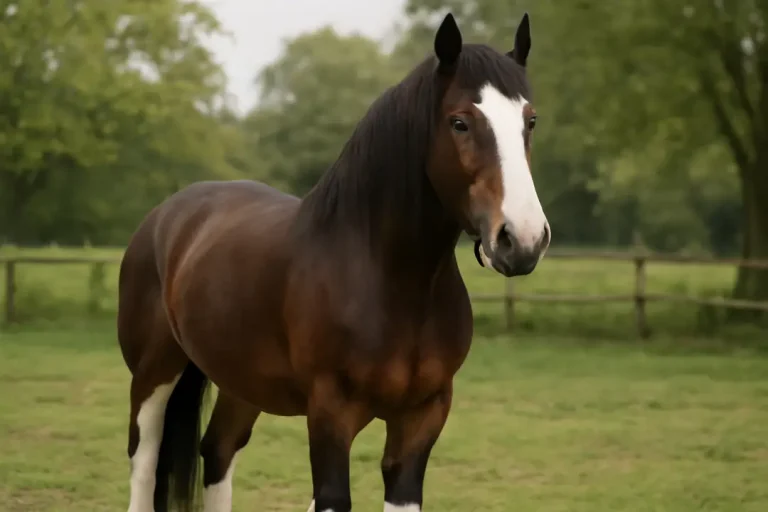
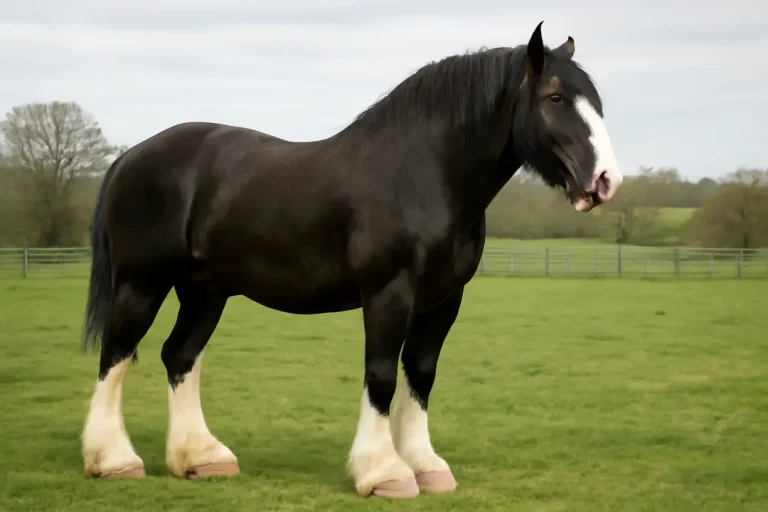
Shire horses have a noticeably different physique compared to other drafts. They stand between 16.2 and 18 hands high with massive bone density. Their shoulders are set high and sloping, giving them a longer stride. In contrast, breeds like Percherons tend to be more compact and muscular.
Shires carry abundant feathering around their lower legs, a trait not seen in every draft. This thick hair protects tendons in cold, wet paddocks but demands extra care. Their broad chest and deep girth accommodate powerful lungs and wide-set shoulders. Other breeds, such as Clydesdales, may share feathering but often display different body proportions.
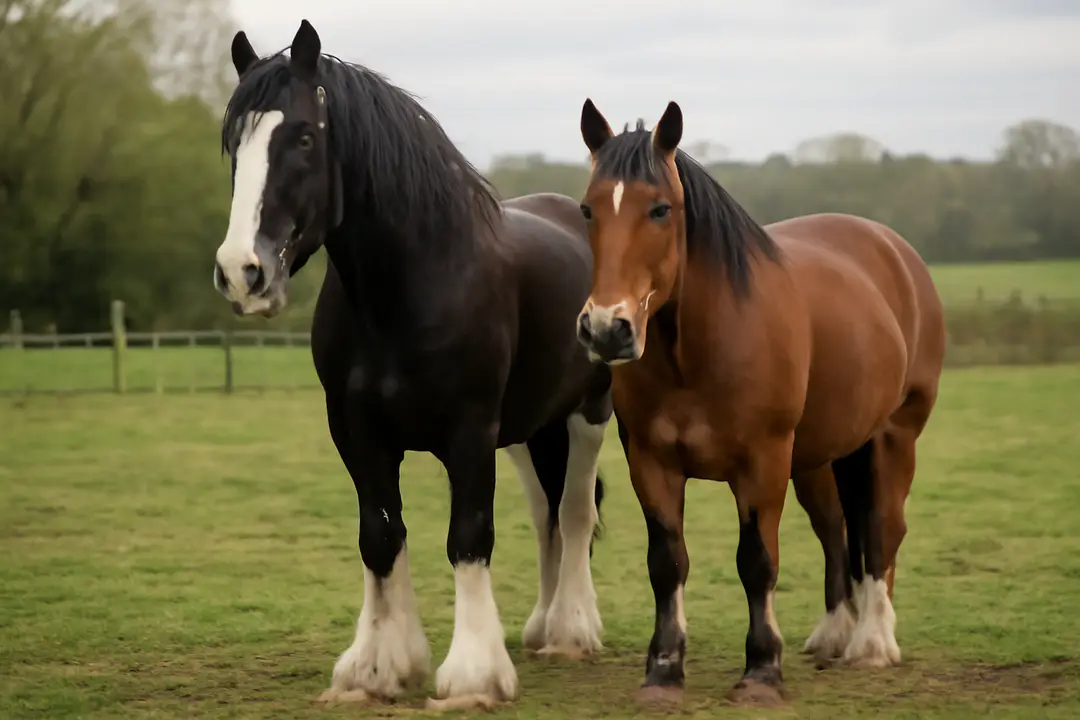
In breed comparisons like this one, you’ll notice subtle differences in back length and hip slope. Shires have a firmer loin and straighter croup, ideal for hauling heavy loads. To see how they compare side by side, check a breed comparison between Shires and Clydesdales. That resource highlights relative withers height, chest width, and cannon bone circumference.
Overall, a Shire’s bone structure supports up to 2,500 pounds of static weight. Their limb joints are larger and more robust than many other draft breeds. These build differences mean Shires move with a steadier, slower gait—but with more raw pulling power. Recognizing these body traits helps potential owners decide which draft best suits their work.
Pulling Power
When horsepower becomes literal, Shire horses shine. Their unique musculature and long stride allow them to pull heavy loads at a steady pace. On average, a single Shire can pull roughly eight times its body weight under ideal conditions. That power comes from well-developed hindquarters and a strong back.
Concrete tests have shown Shires pulling weights upward of 7,000 pounds on a low-friction surface. Forestry and brewery teams once relied on them to haul massive logs and casks. These tasks required a blend of endurance and raw strength, where Shires outperformed many continental drafts.
To understand exact numbers, you can read detailed tests on how much a Shire can pull. That data shows peak performance and average work capacity. It also compares surface types—grass, gravel, and paved roads—and their impact on hauling power.
This knowledge benefits anyone planning farm work or logging. You can match horse strength to trailer weight, ensure safe load limits, and avoid overworking the animal. With correct harnessing, shoeing, and conditioning, a Shire delivers consistent pulling ability for years.
Temperament and Care
Shire horses are famous for a calm, willing attitude that distinguishes them from more spirited drafts. They tend to stand quietly, respond well to gentle cues, and bond strongly with handlers. This temperament contrasts with heavier-footed breeds that may be more headstrong or reactive.

Training a Shire emphasizes patience and consistency. Positive reinforcement—such as treats and scratches—works best. Their intelligence shines when taught to drive or plow, but they rarely tolerate harsh methods. Clear, calm signals help maintain trust and prevent resistance.
Handling routines should include daily checks of hooves, legs, and feathering. Social interaction, regular turnout, and balanced feeding promote mental health. Unlike more excitable drafts, Shires rarely panic, making them suitable for public events and parades.
Owners report that early groundwork—leading, lunging, and trailer loading—sets a cooperative tone. Simple tasks like cross-tying and grooming become bonding sessions. In return, a well-trained Shire remains relaxed even in noisy or crowded environments.
Feather and Coat Care
Shire feathering adds charm but demands extra maintenance. Those thick leg hairs trap moisture and debris, which can lead to skin issues if ignored. Weekly rinsing and gentle brushing prevent matting and mud buildup. Use a mild shampoo and rinse thoroughly to keep the skin healthy.
After bathing, dry feathers completely. Damp hair encourages fungal growth known as “mud fever.” Regularly check for scabs or irritation along the coronet band and pastern area. Applying a light barrier cream can protect sensitive skin during wet seasons.
Coat grooming benefits overall health. Shorter hairs on the body gather dust, so brushing with a curry comb stimulates circulation. Removing loose hair in spring reduces the risk of overheating. Trimming around fetlocks and tails also cuts down on tangles.
For a wider care overview, see a guide on Shire horse care practices. That resource covers diet, shelter, and seasonal hoof trimming. Knowing precise routines helps you prevent unwanted surprises and ensures your Shire stays sound from hoof to mane.
Price and Availability
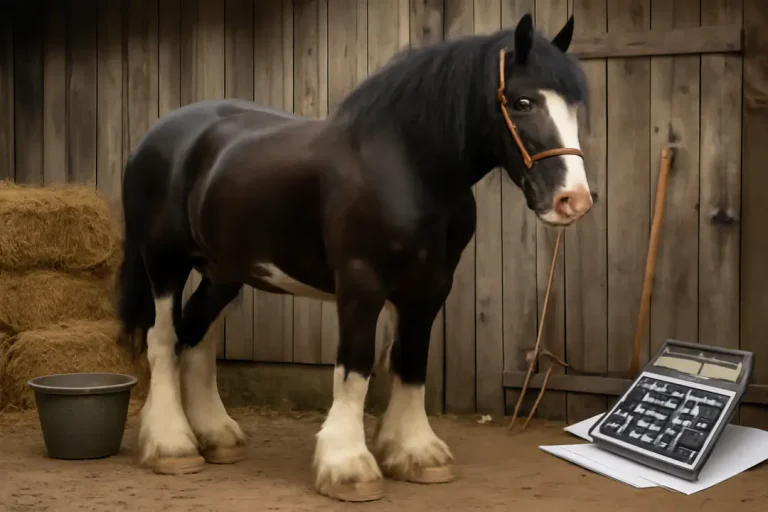
Shire horses vary widely in price based on age, training, and pedigree. A well-bred foal from champion lines can exceed $10,000, while older, untrained horses may sell for $3,000–$5,000. Registered horses with show records often command premium rates.
Regional demand also influences cost. In areas with active pulling competitions or heritage farms, prices rise. Conversely, sellers in remote regions may offer lower rates to clear stall space. Breeders sometimes provide discounts on sibling pairs or group purchases.
Availability depends on local breeding programs and conservation efforts. In the UK and North America, Shire societies list available stock and upcoming auctions. Networking with these associations helps buyers find quality horses. Private sales often appear on breed-specific forums or at county fairs.
Before purchasing, factor in ongoing costs: feed, farrier, bedding, and vet care. A large Shire may consume 25–30 pounds of hay daily, plus supplemental grain. Budget for high-quality shoeing every six to eight weeks, and plan for additional grooming supplies.
Ultimately, understanding the true cost and availability keeps buyers from impulse decisions. Do your homework on breeding records, visit multiple farms, and request health certificates. This diligence ensures you find a Shire that matches your budget and work needs.
Conclusion
By exploring Shire origins, build, power, temperament, grooming, and cost, you gain a clear picture of how they differ from other draft horses. Their medieval heritage and careful breeding produced a gentle giant with unique care needs. Feather management and strong hooves distinguish them from continental breeds, but also demand extra attention.
Knowing a Shire’s true pulling capacity helps you plan safe loads. Understanding temperament and training methods ensures a cooperative partnership. And budgeting for diet, hoof care, and grooming prevents budget surprises.
Whether you seek a reliable farm worker, a show horse, or a parade mount, these insights lead to smart decisions. Armed with breed facts and care tips, you can choose the best draft companion. Embrace the Shire’s heritage and strengths, and enjoy a loyal partner ready to work or wow a crowd.