
Shire Horse Facts: Size, Strength, Care, Cost Insights
Have you ever stopped to admire the gentle power of a Shire horse as it pulls a heavy load or stands quietly at a show? These majestic animals play a vital role in heritage farming, forestry demos, and equine therapy, yet few of us think about the fine details of their size and care. How does feeding and exercise differ for a 2,200-pound giant that needs both muscle and joint support?
The key lies in understanding their unique needs: from choosing the right forage, to planning daily turnout, to knowing what to look for when buying. Grasping these facts helps you avoid surprises—like unexpected vet bills or training frustrations—and lets you build a strong, lasting bond with your Shire.
Breed History
Shire horses trace back to England’s medieval era when heavy horses pulled farm equipment across the countryside. They evolved near counties like Norfolk and Suffolk, serving both nobles and local farmers. Over centuries, breeders selected for larger frames and calm temperaments. Today, they remain symbols of rural British heritage.

Records from the 1600s highlight these horses hauling timber, plowing fields, and drawing beer wagons in towns. Their imposing build made them ideal for heavy draft work in agriculture and industry. Yet their gentle nature kept them popular in royal processions and festive parades. Early writers praised both their size and their service.
The Industrial Revolution introduced steam power, displacing many draft horses from farms. Shire breeders pivoted to show and parade horses to keep the breed alive. This shift laid the groundwork for modern preservation efforts led by enthusiasts. By the late 1800s, fairs featured Shire classes judged on conformation.
In 1878, the Shire Horse Society formed to protect bloodlines and set breed standards. They established height and weight benchmarks still used today, along with preferred coat colors and feathering. These early records guide modern breeders on conformation and health. Most breeders study archives to maintain authenticity in their lines.
At shows now, classes often reflect these historical standards by age, weight, and color. Enthusiasts worldwide use these guidelines to register foals and assess purebred status. Understanding this lineage helps owners appreciate the horse’s royal and working past. It also informs training and care methods today.
Size and Strength
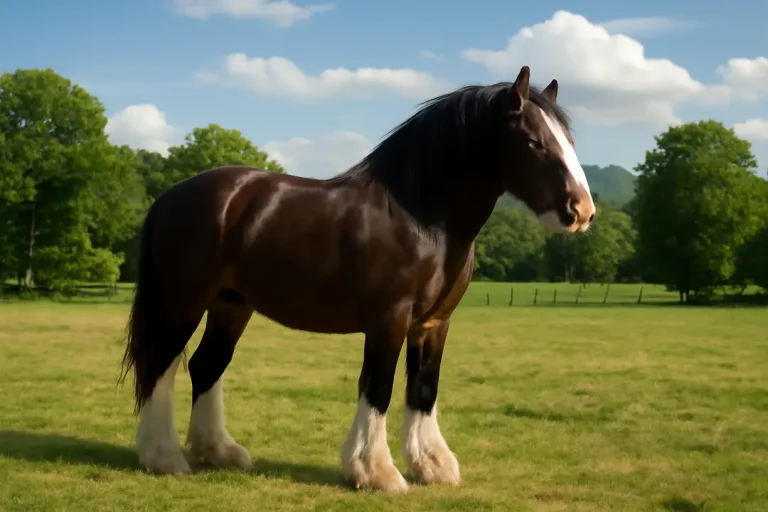
Few horses match the Shire when it comes to sheer size and power. Mature stallions can stand over 18 hands high and weigh between 2,000 and 2,400 pounds. Their broad chest, strong legs, and heavy bones let them pull loads that would exhaust most breeds. Learn more about their scale and wither height from our detailed guide on Shire horse size.
With powerful hindquarters and sturdy hooves, Shires can haul logs, plows, or brewery wagons with ease. Their feathered legs conceal strong tendons that support joint health under heavy stress. At shows, you will often see teams of two or four drawing carriages full of passengers. This visual speaks to their centuries-old reputation as workhorses.
Beyond raw pulling power, their calm nature adds to their strength. When trained well, they obey weight shifts and handle tricky terrain. Their balance comes from a wide stance that stabilizes body weight, reducing strain. This trait also makes them surprisingly agile for a draft breed.
Though rare outside specialty farms, you can sometimes see Shires in forestry demonstrations and heritage events. Demand for their abilities has grown among enthusiasts seeking sustainable timber removal methods. Their size alone turns heads, but their endurance cements their status as true giants. Owners carefully plan nutrition to fuel this performance.
Nutrition plans for Shires often include high-quality forage and tailored supplements. These support muscle recovery and maintain joint health in large frames. Owners monitor weight closely to avoid overload on limbs. Consulting with equine nutritionists is common practice today.
Gentle Giants
Despite their massive build, Shire horses are known as gentle giants. They often exhibit a calm and patient temperament around people and other animals. This makes them ideal for riding, driving, and even equine therapy. Their soft eyes and steady walk help build trust with novices.
Training a Shire starts with groundwork to establish respect and communication. Many trainers use voice cues and positive reinforcement to engage these horses. Once they respond well on the ground, they learn to pull carts and then carry riders. Consistent, gentle handling helps them reach their full potential.
Shires also enjoy varied work to keep them mentally stimulated. Many owners include obstacle courses, gentle hill work, and even liberty exercises in their routine. This keeps their large minds active and prevents boredom. A happy mind translates to better performance and fewer destructive behaviors.
Social interaction plays a big role in shaping their temperament. When kept with other horses, they often act as calm leaders. They can soothe herd members during stressful events like vet visits or thunderstorms. This social quality makes them assets in multi-horse stables.
Overall, patience and consistency pay off when training a Shire. Setting clear boundaries without harsh methods helps them learn faster. Their willingness to work and their gentle nature reward the trainer’s efforts. By appreciating their character, you foster a lasting partnership.
Breed Comparison
When comparing Shire horses to other draft breeds, the Clydesdale often comes up. Both share origins on the British Isles, yet they differ in size, feathering, and common uses. Below is a quick comparison to highlight key traits.

| Trait | Shire Horse | Clydesdale |
|---|---|---|
| Origin | England (Norfolk, Suffolk) | Scotland |
| Height | 17 to 19 hands | 16 to 18 hands |
| Weight | 2,000 to 2,400 lbs | 1,800 to 2,200 lbs |
| Feathering | Heavy on legs | Moderate on legs |
| Uses | Draft, parades, conservation | Brewing, shows, light draft |
This comparison shows how Shires edge out in raw weight and pulling power. Their heavier feathering also sets them apart in shows. You may be curious how they measure next to a Clydesdale; our section on Shire horse vs Clydesdale explores performance and care differences.
Cost of maintenance varies since Shires may eat more due to size. Clydesdales often have more sensitive skin and require extra grooming around their lighter feathering. Health issues also differ, with Shires prone to joint strain if overweight and Clydesdales more likely to suffer from scratches. Choosing between them means weighing your planned workload, budget, and climate.
Ultimately, both breeds shine in their roles. Shires serve in heritage farming and heavy conservation tasks, while Clydesdales feature in high-profile brewery teams and riding exhibitions. Observing them at agricultural shows can help you decide. The table highlights differences, but a farm visit gives you insight you can’t get from numbers alone.
Daily Care Tips
Caring for a Shire requires attention to their unique needs. Their large frames demand quality forage, clean water, and space to move freely. Many owners target at least 2% of body weight in roughage, adjusted for activity level. Supplements for joint health can support aging limbs. Regular grooming keeps feathered legs healthy and prevents skin issues.
- Feeding: Provide at least 2% of body weight in forage daily.
- Grooming: Brush feathers gently and check for mud fever.
- Exercise: Offer turnout or light driving most days.
- Shoeing: Schedule farrier visits every 6–8 weeks.
- Vet Checks: Monitor joint health with annual screenings.
Turning out a Shire daily gives them mental and physical exercise. When turnout is limited, light driving or groundwork in a round pen can maintain muscle tone. Wide, clean stalls reduce the risk of leg injuries. Bedding should be deep enough to cushion heavy bodies when resting. Proper ventilation helps guard against respiratory issues common in draft breeds.
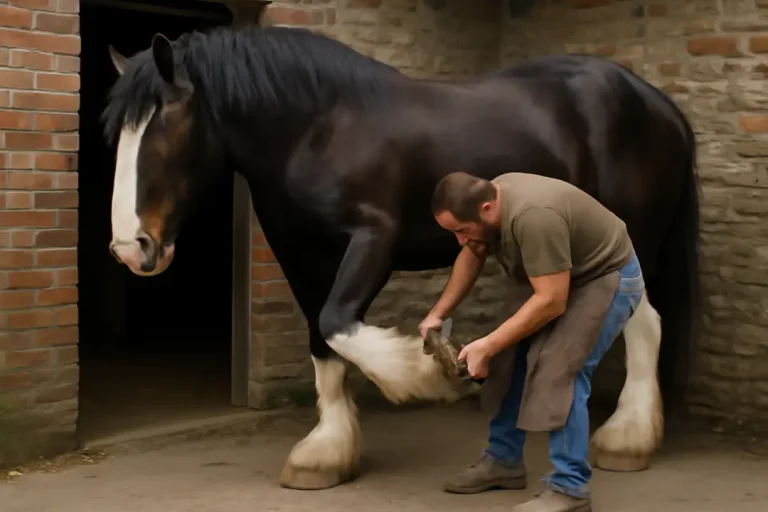
Farrier care is critical, as nails and horseshoes wear faster on heavy hooves. Schedule visits every 6–8 weeks, depending on work. Watch for signs of lameness early, and consult your vet for imaging if needed. Regular deworming and dental checks also keep your horse comfortable and performing well.
By following these care steps, you reduce the risk of joint strain, skin conditions, and obesity. A healthy Shire is more responsive in training and enjoys a longer active life. Small daily routines build confidence in both horse and handler. And sharing care tasks among your team keeps everyone invested in your Shire’s well-being.
Buying Considerations
Purchasing a Shire horse is a commitment of time, space, and budget. These horses require sturdy shelters, wide pastures, and trainers familiar with draft breeds. Before buying, list your needs: riding, driving, or conservation work.
Prices vary widely based on age, training, and bloodlines. Foals can start around $2,000, while mature, trained geldings or mares often range from $5,000 to $15,000. Rare bloodlines or show-quality animals may command $20,000 or more. Current auctions show these average prices range widely, and you can find estimates on Shire horse price.
Inspections by veterinarians ensure you avoid hidden health issues. Look for clean leg joints, strong hooves, and good weight. Review x-rays if possible, especially of the limbs and back. Also, ask for training records to verify ground manners, wagon skills, or riding level.
Visiting farms and speaking with breeders gives you a sense of temperament and handling. You may also join draft horse clubs to find owners willing to mentor. Some breeders offer lease-to-buy options to see if a Shire fits your lifestyle. Take time to compare multiple horses before making a choice.
Finally, factor in ongoing costs like feed, farrier, and vet care. These add up to thousands annually. A realistic budget and clear plan for care and use make for a happier life for both you and your Shire. With careful research and support, you can find the right gentle giant for years of partnership.
Conclusion
Shire horses blend history, strength, and gentle temperaments in a way few breeds can match. From medieval farms to modern conservation projects, their size and calm nature make them versatile partners. Understanding their lineage, care needs, and costs ensures you can meet their demands.
By comparing breeds, planning daily routines, and inspecting potential purchases, you set both horse and owner up for success. Remember that these gentle giants thrive on consistent handling and good nutrition. They may be large, but their hearts reward the effort you invest.
Whether you see them pulling wagons at a fair or helping manage sustainable timber, Shire horses leave a lasting impression. Armed with these facts, you can make informed decisions, avoid surprises, and build a strong bond. Your journey with a Shire starts here—embrace the legacy, strength, and gentle spirit of this remarkable breed.