History of Shire Horse Breed: British Origins & Legacy
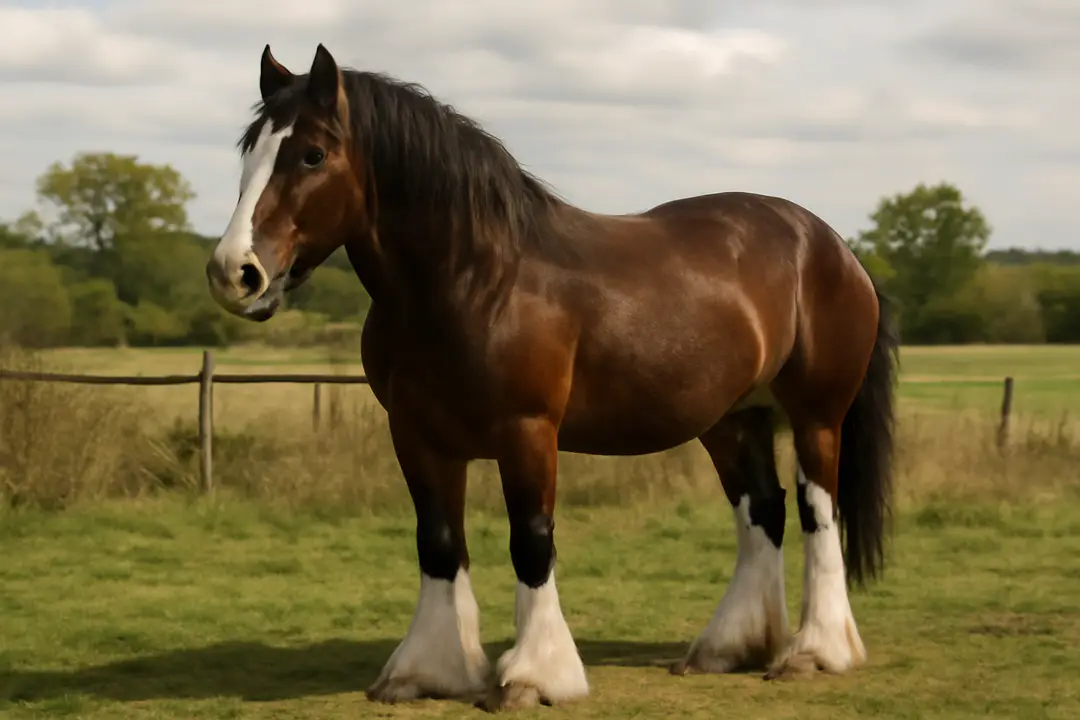
It’s hard to imagine rural life without the towering presence of a Shire horse, a gentle giant that once powered farms and pulled carriages through muddy lanes. But while most of us admire their size, few stop to consider how those early local breeding choices shaped both their strength and temperament. What if the very traits we value today came from a handful of overlooked villages and barnyards long ago?
By tracing these local roots, we can see why certain lines excel in heavy work and others in show rings. Understanding that breeding map not only deepens our appreciation but helps modern keepers choose the right line for farm work or leisure riding. With this insight, you can avoid surprises in strength, size, or stamina when you bring a Shire home.
Origins in Medieval England
The Shire horse traces back to heavy horses brought by the Romans around 200 AD. Farmers in the English Midlands crossed these sturdy stock horses with strong local ponies. Over centuries, this mix grew larger and heartier. You can even see regional hints in their bone structure.
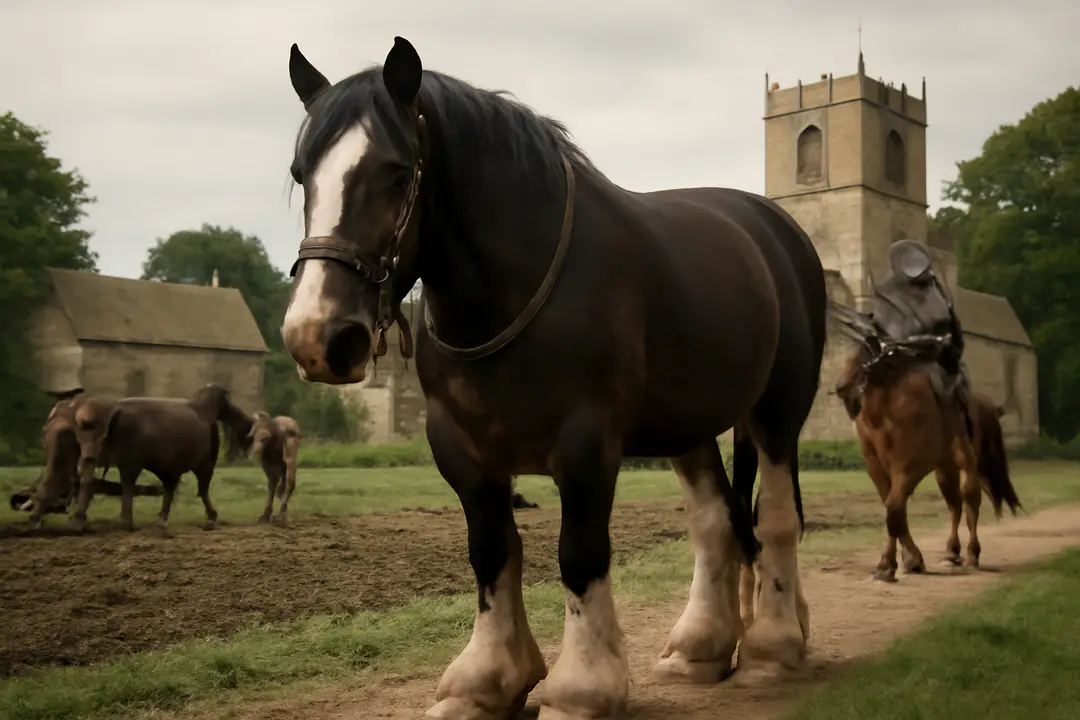
By the 1100s, documents note “Great Horses” used by knights and monks. These animals turned fields for early mills and carried goods over rough roads. In quiet villages, breeders selected for calm temperaments. They needed horses that would stand still beneath heavy loads.
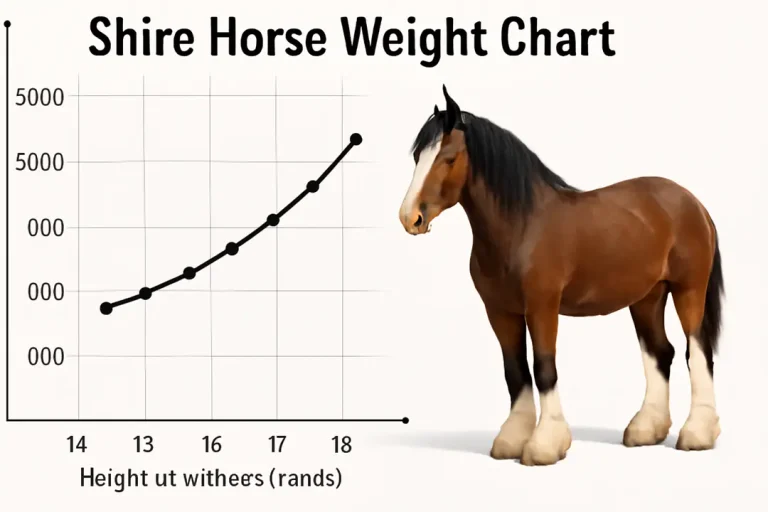
Records from 1430 show payments for “Cart Horses” to supply battlefields. That need pushed size and courage to new heights. These local choices set the pattern for modern Shires. If you want numbers on height and girth, check a detailed size guide to see how today’s lines compare to their ancestors.
Understanding this origin story helps explain both their power and their patience. When you hear hoofbeats on a farm path, you’re also hearing centuries of careful local breeding.
Farming and Transport Roles
By the 16th century, Shire horses had become essential on English farms. They pulled plows across heavy clay soil. They also hauled hay, grain, and timber. Their steady pace helped farmers work long days without tiring.
When roads improved, these horses hit the road as well. Brewers that needed to move heavy casks found them ideal. One tradition still lives on at many historic London breweries today. Teams of Shires deliver oak barrels to pubs.
Drovers moved livestock over long distances using Shires for feed and gear. Their wide hooves prevented sinking in wet pastures. Drivers learned to read each horse’s gait. A calm horse cut travel stress, keeping livestock in line.
On small farms, a Shire often did both field work and light hauling. Practical tips: rotate tasks to prevent fatigue. Offer plenty of clean water and rest during hot weather. These steps still protect their health in modern stables.
Famous Bloodlines List
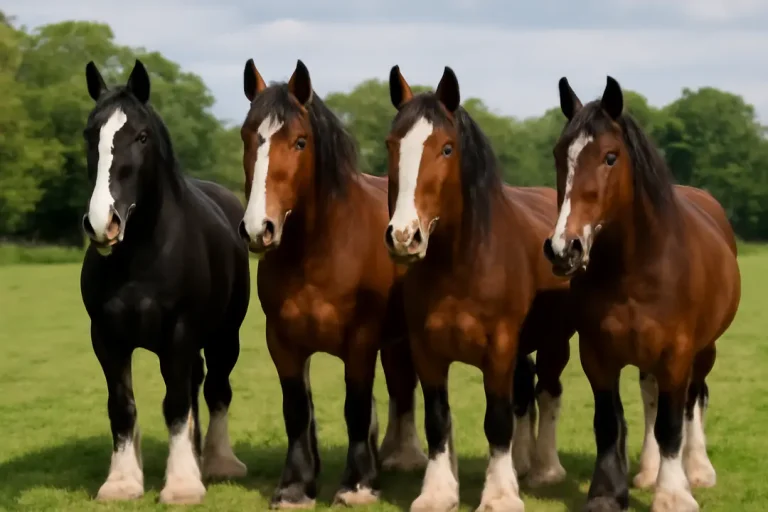
Certain Shire lines gained fame for size and stamina. Fans today still chase these names at breeding farms or auctions. Tracking bloodlines shows how traits pass down over generations.
- Sampson’s Line: Known for producing some of the tallest Shires ever. See the story of the legendary stallion Sampson for more.
- Medley’s Offspring: Recognized for calm temper and even pace in show rings.
- Knapton Family: Bred for muscle mass and broad shoulders, ideal for heavy haul.
- Stratton Stallions: Carried banners in exhibitions, prized for refined bone.
- Wareham Mares: Passed on generous bone density and gentle nature.
Breeders often plan matings by matching temperaments and size. They look at early records to predict warmth and work ethic. Checking stud farm notes helps you choose a line that fits your needs.
When evaluating young stock, ask about their parentage. Seeing clear bloodline records can prevent surprises in health or height. It also guides you to long-lived, easygoing individuals.
Decline and 19th Century Revival
The Industrial Revolution changed farming. Engines began to replace heavy horses by the mid-1800s. Many breeders moved to smaller, faster breeds. Registrations dropped sharply.
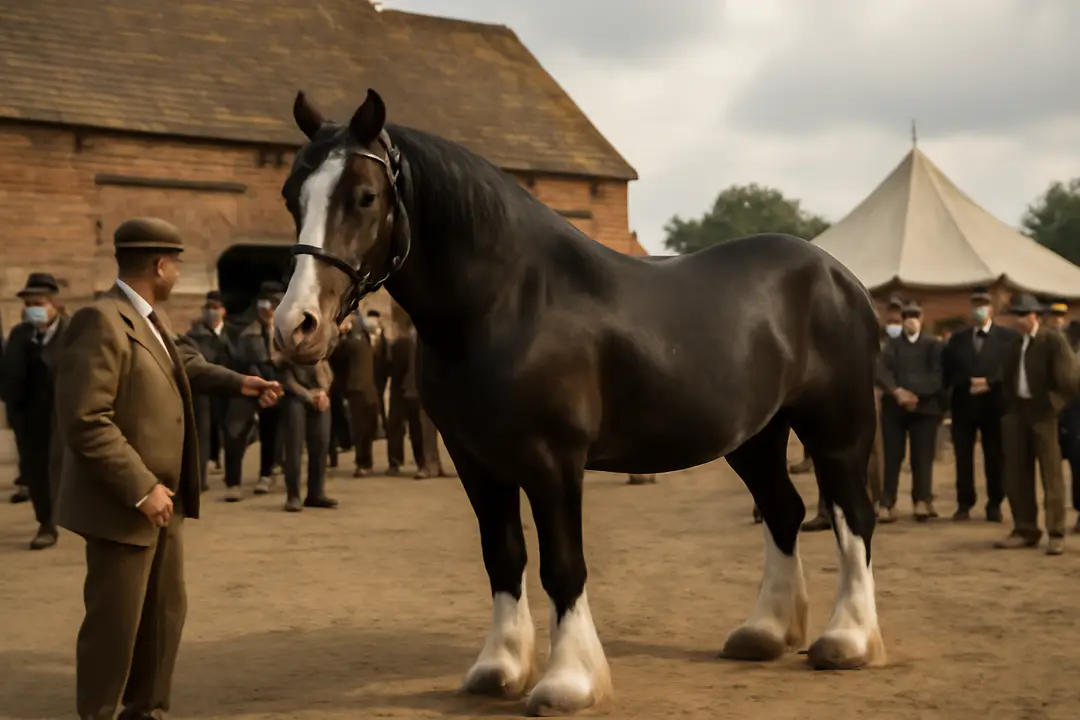
In response, supporters formed the English Shire Horse Society in 1878. This group aimed to standardize the breed and protect local lines. They set clear standards for height, weight, and feather size.
Early stud books recorded pedigrees and traits. Breeders now had a blueprint to save the breed. They held shows to display model Shires. Prize winners sparked fresh interest across England and beyond.
Tours and exhibitions in the late 19th century drew crowds eager to see these giant horses perform. Practical tip: if you visit a heritage farm, look for original barn markings. They often tell you which lines thrived in each region.
Modern Care and Uses
Today, Shires serve in parades, logging, and pleasure riding. They also star in therapy programs, thanks to their calm nature. Schools sometimes lead grooming sessions to teach patience and respect.
Feeding a modern Shire blends old and new. High-quality hay provides fiber and energy. Supplements support joint health and feather condition. Stall rest after hard work helps limb recovery.
Hoof care remains vital. Their heavy weight stresses feet. Regular trimming or shoeing keeps them sound. A balanced diet and turnout on soft ground reduce injury risk.
For show or farm work, match the horse’s strength to tasks. A younger Shire may learn basic carriage driving. An older, steady horse might fit therapy work. Reviewing detailed characteristics can guide you in selecting the ideal role.
By combining historical breeding insights with modern care tips, you ensure these giants thrive. That balance keeps the breed’s legacy alive.
Conclusion
The history of the Shire horse breed weaves through medieval fields, brewery courtyards, and the slow churn of industry. It shows how local farmers once shaped the giants we see today. When breeders and owners keep those roots in mind, they make better choices about diet, role, and pairing bloodlines.
Knowing how early villages influenced size and temperament can save you from a mismatch in stamina or calm. It also connects you to hundreds of years of tradition. That heritage carries responsibility: to feed them well, care for their hooves, and match each horse to work that suits its build and mind.
Whether you seek a gentle farm partner or a parade star, the key lies in balancing old-world breeding wisdom with modern stable care. That balance will let you enjoy the peace, power, and partnership only a Shire can offer.