
Shire Horse vs Percheron: Complete Breed Comparison
When you think of draft horses, you often picture powerful beasts pulling heavy loads on farms or in parades. Yet few consider the subtle traits—like feathering or leg structure—that set breeds apart. How much do these features really affect your choice between a Shire and a Percheron?
Understanding those finer points can save time, money, and headaches. By comparing coat, care needs, and work style, you’ll know which horse fits your stable or project. Let’s dive into those details and help you make a confident decision.
Origins and History
Both Shire and Percheron breeds date back centuries. The Shire originated in England, evolving from medieval war horses known for their massive frames. They hauled plows and wagons, becoming England’s tallest and heaviest horse by the 19th century.
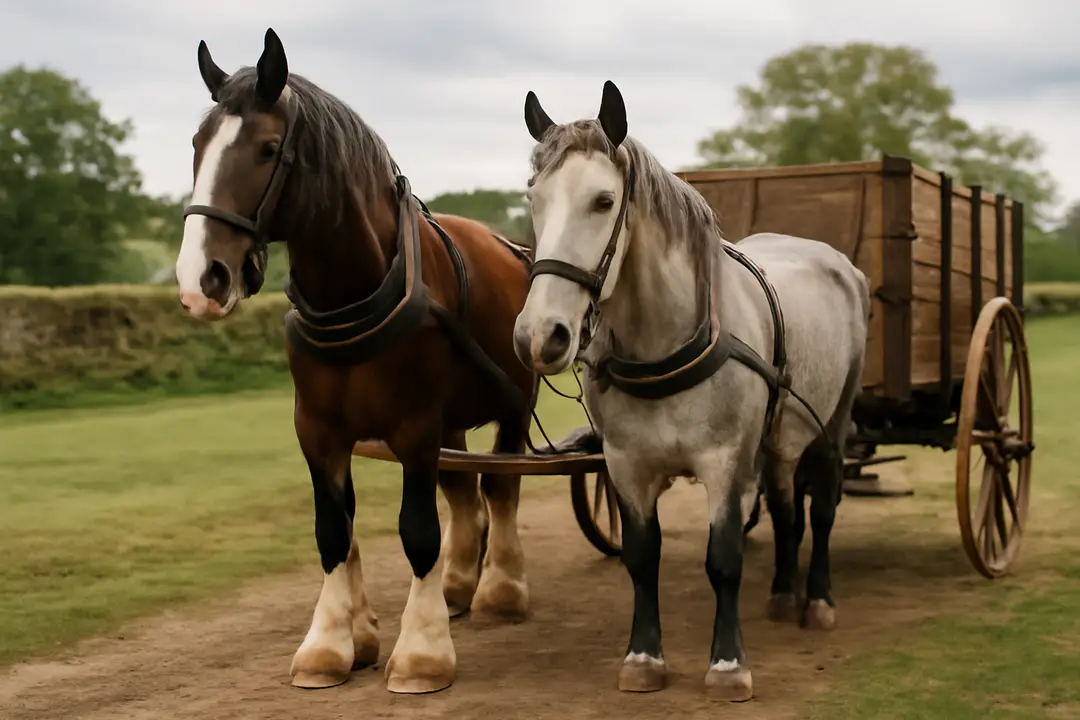
Percherons hail from France’s Perche region. They were bred for cavalry and agriculture, noted for speed and stamina. Over time, they crossed with other breeds to refine agility while keeping strength.
Key takeaway: Shires come from a need for brute power, while Percherons blend power with mobility. This history shapes how each breed handles modern tasks—from logging to driving carriage tours. Knowing their roots helps you match a horse to your needs, whether that’s a farm pull or an arena show.
Physical Differences
At a glance, both horses look similar: thick necks, broad chests, and strong legs. But physical measurements reveal clear contrasts.
| Feature | Shire | Percheron |
|---|---|---|
| Height | 17–19 hands | 16–17.3 hands |
| Weight | 1,800–2,400 lbs | 1,600–2,000 lbs |
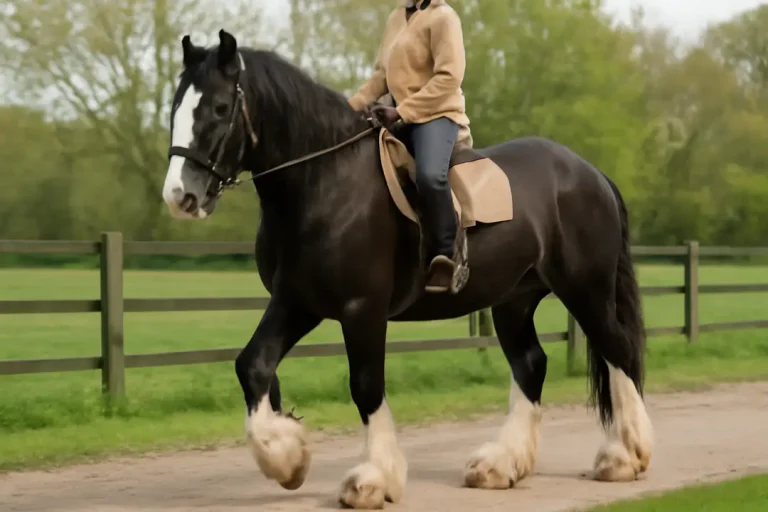
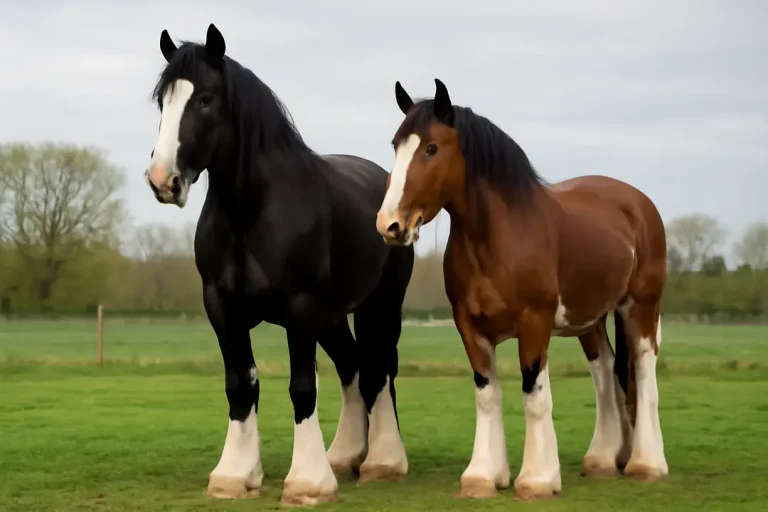
| Feathering | Heavy on legs | Minimal to none |
| Build | Blocky, deep body | Sleeker, muscular |
Those leg feathers on Shires protect joints in cold and wet work conditions. Percherons, with less feathering, are easier to groom and stay cleaner in muddy fields. If you’ve read about the differences between Shire and other draft horses, you know these traits matter.
Practical tip: Measure stall width and door height before bringing home a Shire. Their broad bodies need more space. Percherons fit into standard-sized stalls more easily.
Temperament and Personality
Shires are famous for their gentle giants persona. They’re calm, patient, and often friendly with children and beginners. Their easygoing nature makes them ideal for parades, therapy programs, and family farms.
Percherons tend to be more alert and energetic. They bond quickly but may require firmer handling. Their drive makes them excel in team penning, driving competitions, or cross-country riding.
Practical tip: If you’re new to drafts, spend time on groundwork before riding. Shires may stand quietly, but Percherons might test boundaries if bored. Consistent routines help both breeds settle into your care style.
Care and Maintenance
Both breeds need quality hay, grains, and regular hoof care. But feathered Shires require extra grooming to prevent skin issues. Here’s a simple routine for each:
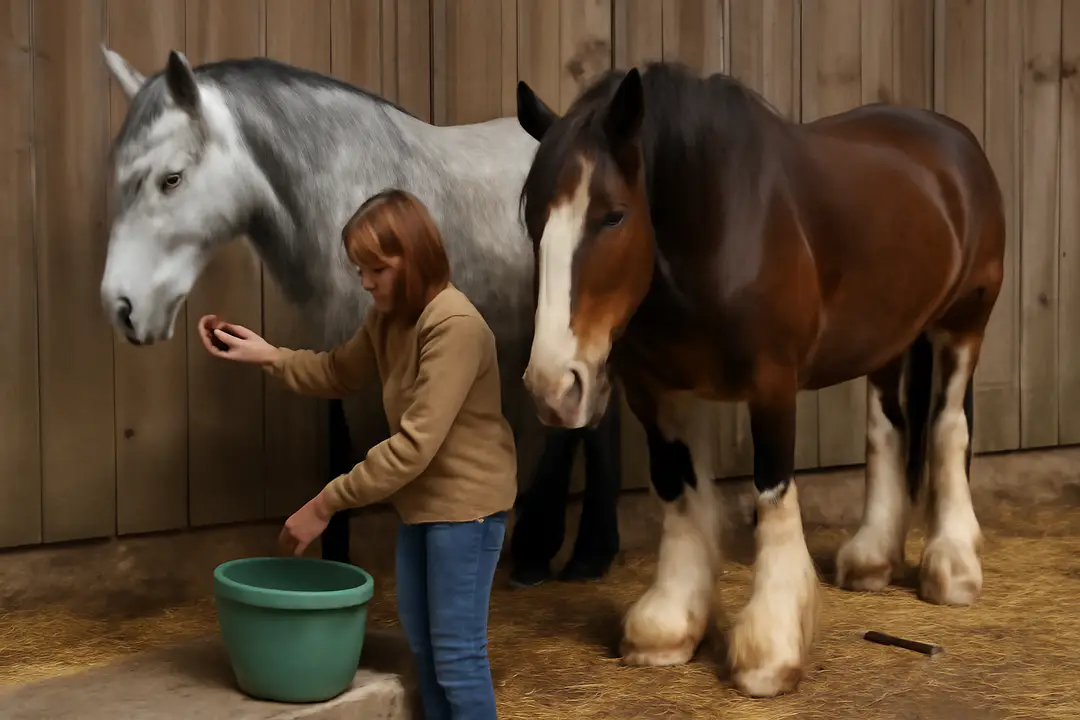
- Daily brushing: Clear debris, check for sores.
- Feather care (Shire): Wash weekly, apply skin balm.
- Hoof pick: Remove stones, maintain frog health.
- Parasite control: Rotate dewormers seasonally.
- Diet balance: Adjust feed by workload.
Practical tip: Keep an eye on mud buildup around feathers. Damp conditions can lead to scratches. Percherons need less bath time but still benefit from monthly baths to remove sweat and dust.
Understanding these routines prevents surprises and vet visits. Whether you choose heavy-feathered Shire or sleek Percheron, a simple chart like this keeps tack and grooming on track.
Work and Performance
Shires excel at heavy draft work—plowing, logging, and pulling loaded wagons. Their massive strength lets them move weighty loads at a steady pace.
Percherons combine strength with endurance. They handle long-distance drives, arena events, and farm chores requiring speed and stamina.
Here are common uses by breed:
- Shire: Timber logging, farm plows, ceremonial carriages.
- Percheron: Competitive driving, ranch work, trail riding.
If you wonder how much a Shire horse can pull, know that they can handle up to twice their body weight on wheels. Percherons, while lighter, maintain faster gaits under load. Choose based on whether you need raw power or a balance of speed and strength.
Practical tip: Match hitch size to horse shoulder width. For long drives with Percherons, plan rest stops every two hours to avoid fatigue.
Choosing the Right Breed
Deciding between these titans depends on your goals, space, and budget. If you want a gentle, powerful partner for heavy farm work, a Shire fits nicely. For multi-purpose use with a sporty edge, Percherons shine.
Ask yourself:
- Will I use this horse for heavy pulling or varied tasks?
- How much grooming time can I commit?
- Do I have stalls sized for a broad-chested Shire?
Also compare to other options, like in our Shire Horse vs Clydesdale breakdown. Visiting breeders and riding each breed gives the clearest insight. Your hands-on experience will reveal which personality and body type match your stable or farm life.
Conclusion
Shire horses and Percherons both bring strength, personality, and history to any stable. Shires impress with their massive frames and gentle manner, perfect for heavy pulling and calm novice rides. Percherons offer a versatile mix of power and agility. They adapt to sports, trail riding, and farm work with equal ease.
Practical decisions—stabling size, grooming time, and intended tasks—will guide you. If you need raw pulling force, a Shire’s physique and calm nature are unbeatable. If you want an active athlete with draft strength, Percherons deliver. By weighing these factors, you’ll choose the horse that fits your lifestyle and projects.
Takeaway: Match breed traits to your work and life. Spend time with each horse, review care routines, and plan your budget. With that, you’re ready to welcome a draft partner that moves your projects—and your heart—forward.