Fastest Shire Horse Ever: Ultimate Speed Records Guide
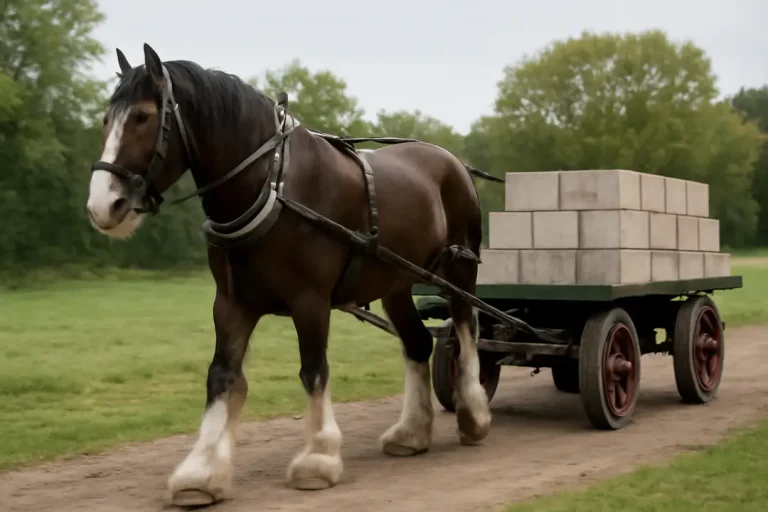
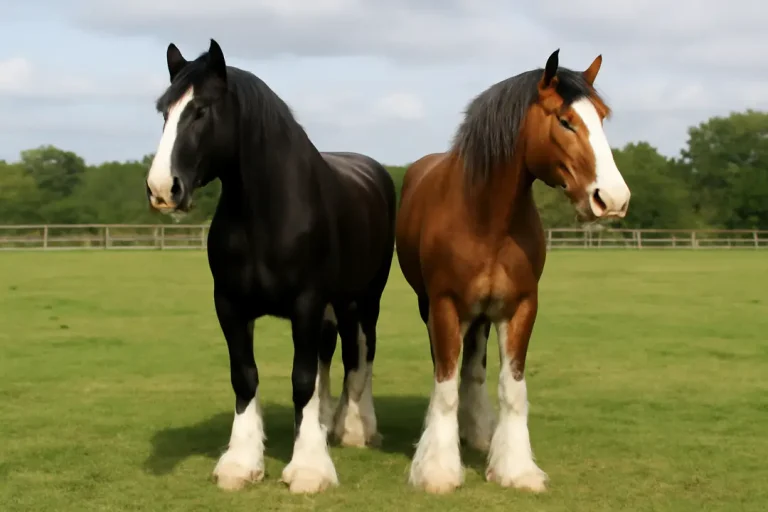
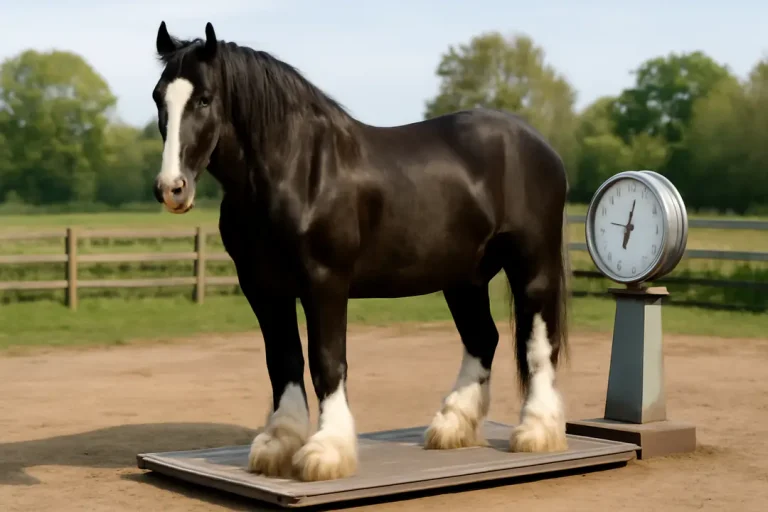
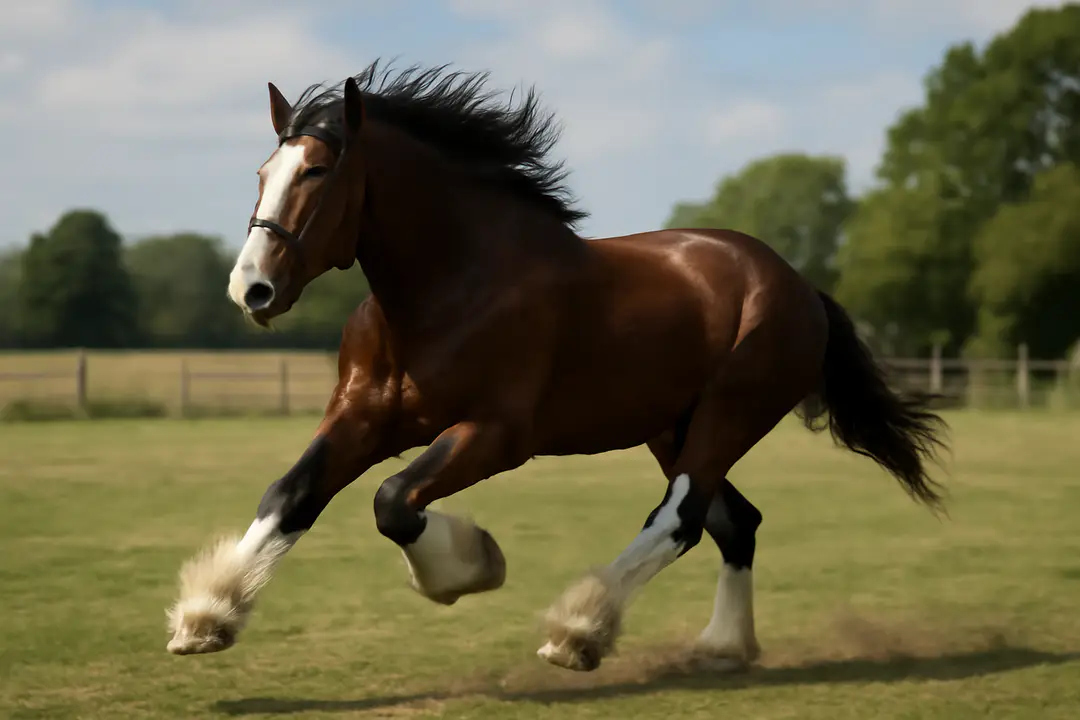
When you think of Shire horses, you picture gentle giants pulling heavy loads or standing tall in parades. Few realize that these massive animals can also pack surprising bursts of speed when properly trained and conditioned. What factors enable one particular Shire to sprint faster than its peers?
By exploring anatomy, training methods, and historic records, we’ll reveal how the fastest Shire horse ever achieved its impressive pace. Understanding these key details can help owners, trainers, and enthusiasts make better choices for riding, conditioning, and breeding without being caught off guard by a horse’s true potential.
Origins of Speed
The Shire breed began in medieval England as farm and war horses, prized for strength and size rather than speed. Over centuries, breeders favored careful lines that still produced a surprisingly agile stock. Owners in the 18th and 19th centuries noted certain bloodlines could trot and canter faster than others. That sparked selective breeding for better muscle structure and shorter, more powerful strides.
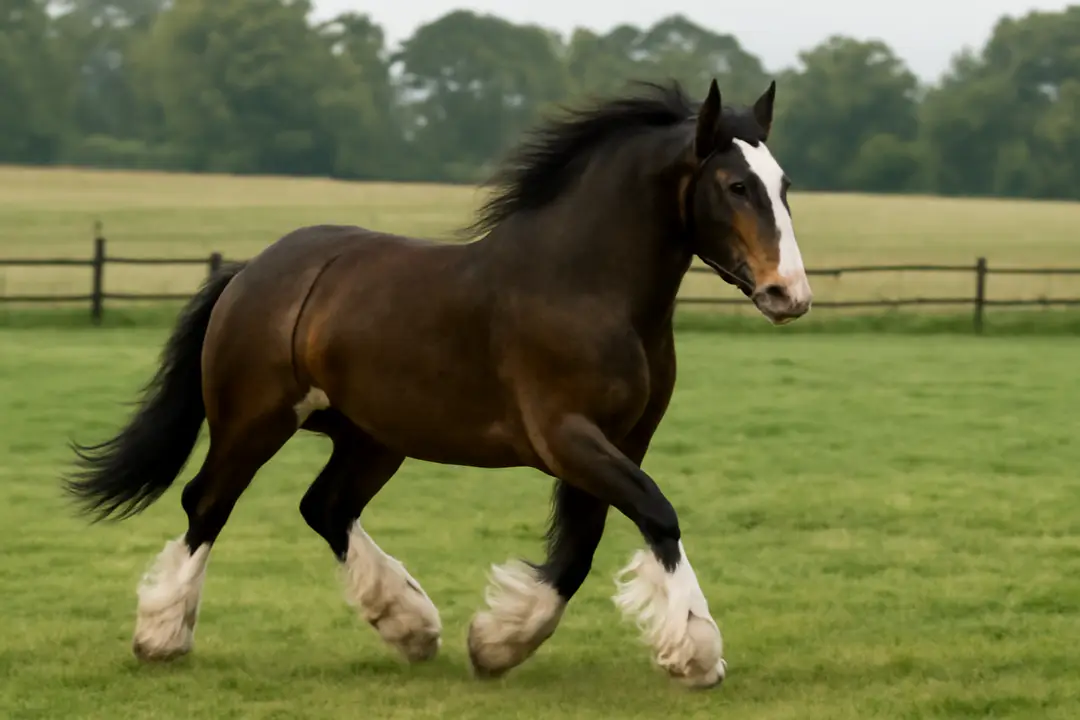
By the late 1800s, Shires competed in local fairs, showing off not only pulling power but also a brisk trot. Breeders recorded which pairs produced progeny with the quickest gaits. These early experiments laid the groundwork for modern track and timed sprint trials. Even though Shires stayed mostly farm animals, some owners began timing sprints over 200 meters.
That legacy of measured performance persists today. Although drafts are still known for strength, many Shire keepers now balance muscle mass with cardiovascular fitness. The roots of raw speed come from careful breeding records that valued each horse’s timing on the track or field. This historic shift from pure strength toward balanced power is key when chasing records.
Anatomy for Speed
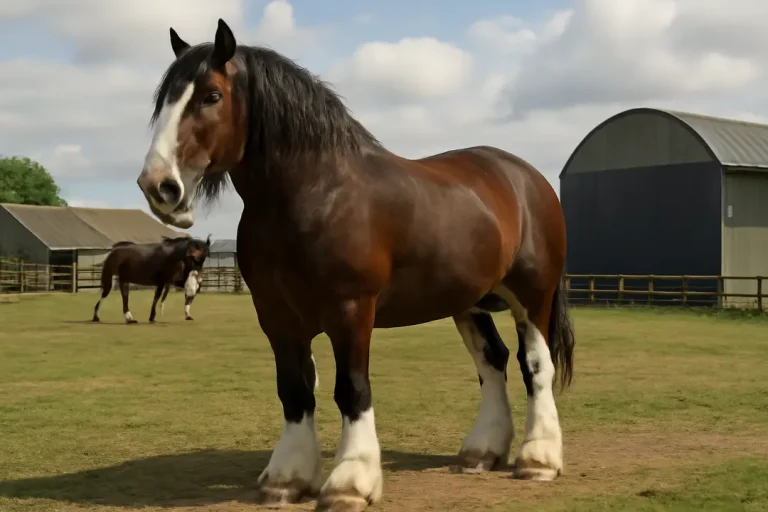
Muscle fiber type dramatically shapes a Shire’s sprint ability. These horses benefit from a mix of fast-twitch fibers for bursts and slow-twitch for stamina. Powerful hindquarters give explosive push-off, while strong shoulders drive the front legs forward. A Shire with well-defined gaskin and quarter muscles can launch forward in a faster gallop.
Leg conformation matters too. Short, sturdy cannon bones paired with a smooth, wide hoof help distribute weight and absorb shock. Shires often need extra hoof support and careful shoeing when training for speed. Saddle fit plays a role as well; an ill-fitting saddle can restrict motion. That’s why riders often consult a detailed riding guide to choose gear that optimizes each stride without causing discomfort.
Respiratory efficiency is often overlooked. Large lung capacity and strong heart enable quick oxygen delivery during a sprint. Trainers monitor heart rate recovery times after fast runs to track cardiovascular health. A horse whose heart rate returns to baseline quickly can handle repeated speed work with less fatigue. Pay close attention to breathing patterns at high exertion—labored breathing can signal the need for rest or adjusted conditioning.
Training for Fast Shire
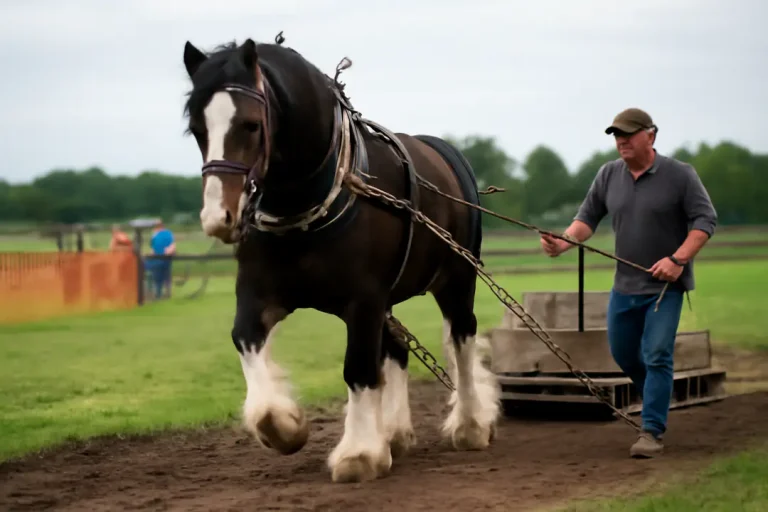
Effective speed training balances intensity with recovery. Start with short, controlled gallops on soft ground or turf to reduce joint stress. Begin each session with a ten-minute warm-up walk, followed by light trots, before introducing bursts of speed. As your horse adapts, gradually extend sprint distance from 100 to 400 meters.
Conditioning runs on varied terrains—grass, gravel, gentle hills—challenge coordination and build muscle evenly. Trainers track daily sessions in a log to spot patterns and adjust workload. Rest days are essential; alternating hard efforts with walking or pasture turnout prevents overuse injuries. For tips on structuring drills, many owners reference expert training tips that recommend interval training.
Nutrition supports fast-twitch development. A diet rich in high-quality forage, oats, and balanced supplements ensures adequate energy for sprints. Electrolyte balance matters after sweat-heavy sessions—provide mineral licks or customized blends to replace lost salts. Hydration is critical; always offer clean water before and after workouts.
Finally, mental conditioning can’t be skipped. Shires respond to consistent routines and positive reinforcement. Pairing speed drills with a calm rider and clear cues reduces anxiety. A confident, focused horse will push harder in short sprints, unlocking its raw potential.
Record Breakers List
Here are some of the fastest Shire horses ever recorded, with verified top speeds and contexts:
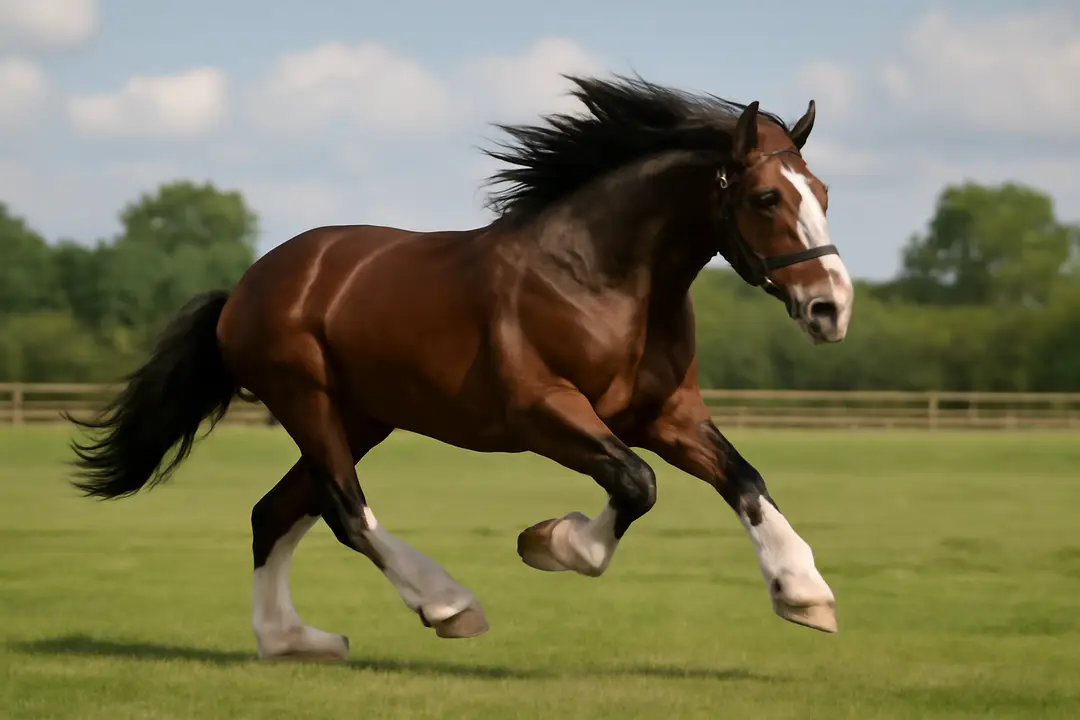
- Sampson: Peak burst of 29.6 mph over 200 m in a timed trial.
- Hercules: Reached 29.2 mph in a festival sprint.
- Mighty Mike: Hit 28.8 mph on a flat turf track.
- Thor: Clocked 28.5 mph during a hill sprint exercise.
- Bella: Managed 27.9 mph in a closed-field speed test.
These figures come from timed events on monitored courses, not casual gallops. Each session used electronic timing gates and veterinary supervision. Note how terrain and weather influenced results—firmer ground often yielded faster times.
Owners and trainers comparing trial setups stress consistent measurement methods. A windless day with a dry track gives the most reliable data. Before attempting speed records, ensure you have proper timing equipment and a vet on call to verify your horse’s health during high-intensity runs.
Breed Comparison Table
Although Shires aren’t known primarily for speed, it helps to see how they stack up against other draft breeds.
| Breed | Avg Speed | Max Speed | Avg Height |
|---|---|---|---|
| Shire | 15 mph | 30 mph | 17.2 hh |
| Clydesdale | 14 mph | 27 mph | 17.0 hh |
| Percheron | 16 mph | 28 mph | 16.3 hh |
This quick size comparison shows Shires hold their own in raw speed despite heavier build. Their large frames give momentum once in motion, while slightly lighter Percherons often edge them out in acceleration over very short distances.
Maximizing Performance
Beyond training and anatomy, environment and equipment fine-tune top speed. Keep pasture areas well-drained to avoid hoof issues that slow your horse down. A consistent hoof care schedule with trimming and proper shoeing reduces slipping on fast runs.
Use lightweight tack designed for drafts—synthetic saddles and bridles can cut weight by 15–20 lbs. Safety remains priority; always check fit to avoid pinch points that interrupt stride. Cool-down routines after sprints prevent muscle strain—walk your horse for at least ten minutes, followed by gentle leg stretches.
Climate plays a role too. Moderate temperatures allow longer training without heat stress. In warmer months, schedule speed work early morning or late evening. Frosty ground can increase impact shock; save sprints for when footing is firm yet forgiving.
Measure progress with simple tech: heart-rate monitors and GPS trackers help you see exact speed, distance, and recovery time. These data points guide tweaks in routine or rest intervals, so you continually push performance safely.
Conclusion
The journey to uncovering the fastest Shire horse ever combines history, biology, skillful training, and attention to detail. From samplings in medieval fields to modern timed trials, Shires have surprised us with bursts up to 30 mph. Knowing the breed’s anatomy, feeding plans, and effective workouts can help any owner tap into hidden speed reserves.
Whether you’re a breeder aiming to enhance bloodlines or a rider seeking a spirited sprint, these insights guide informed decisions. Prioritize balanced conditioning, reliable data collection, and proper equipment. With patience and careful preparation, you can push a Shire safely toward its top-speed potential and maybe even set new records.