
Shire Horse Training Tips Every Handler Should Know
Training a Shire Horse is more than mastering commands on a powerful draft animal. These gentle giants respond best when we handle them with clear signals and thoughtful pacing. Yet many trainers rush into advanced tasks without paying attention to early groundwork and mindset. Why do so many handlers skip the simple trust-building steps that make later sessions smoother?
Focusing first on consistent groundwork and clear cues gives both horse and handler confidence. By dedicating time to basic lead, stop, and yield exercises, you set a pattern of success before moving to heavy pulling or advanced work. Grasping this step means fewer surprises, safer sessions, and a horse that truly enjoys learning. Now, let’s explore the key areas to master for a happy, willing Shire Horse.
Understanding Temperament
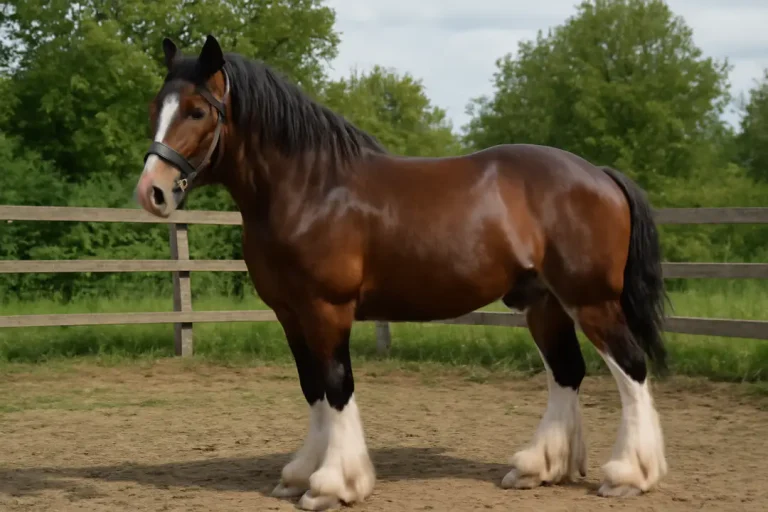
Shire Horses are known for their calm, gentle nature. Yet their large size and strength mean they notice everything around them. A handler’s tone, body language, and timing all shape how a Shire responds. If you speak too loudly or move too quickly, you may trigger tension. Keep your voice soft, steps measured, and greetings consistent.

Reading a Shire’s mood starts by watching ears, head carriage, and tail motion. An ear that flicks back may show discomfort. A head lifted high can signal uncertainty. By tuning into these silent cues, you learn to respect their pace. Many trainers find value in understanding draft horse behavior early on to prevent stubbornness and keep sessions positive.
Building trust means offering small rewards for calm reactions. A gentle stroke after a correct yield or a simple “good boy” at the walk both count. Over time, your Shire will link your signals to reward. Consistency is key. If the rules change, confusion follows. Keep every session predictable to reinforce that calm focus.
Remember, temperament work never truly ends. Even advanced horses return to these basics before new tasks. A gentle giant trained with patience stays willing at every stage.
Basics of Groundwork
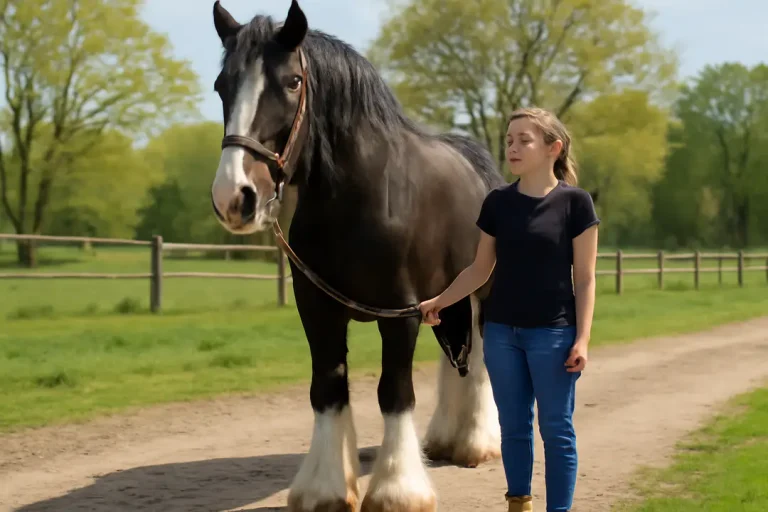
Groundwork lays the foundation for every later exercise. It sets clear boundaries and builds communication. A Shire that respects a handler on the ground will likely follow instructions under saddle and in harness. Below are five essential steps to start right:
- Establish Personal Space: Stand at the shoulder and let your Shire learn that moving past you ends the session. Encourage it to step back with light pressure on the lead rope.
- Yield to Pressure: Ask the horse to give its hips and shoulders to a slight nudge. Release pressure immediately once it moves. This teaches the concept of “ask and release.”
- Walk and Halt on Cue: Use a clear word or clicker for “walk” and “halt.” Reward compliance with a pause and a pat. Consistency in voice and timing is critical.
- Back Up Smoothly: Ask the horse to back two to three steps. Keep your stance steady and look confident. Backing develops balance and attention.
- Link Transitions: Move from walk to halt to back up without long pauses. This tests focus and refines your cues.
Finish each groundwork session with a simple free walk or scratch down. Let the Shire relax and know that work ends with kindness. Short, frequent sessions win over long, tiring ones. In just ten minutes a day, these core skills build trust and readiness for more challenging training.
Building Strength Safely
Shires are built to pull heavy loads, yet they need gradual conditioning to avoid strain. Sudden or repeated hard work can cause joint stress. Focus on balanced muscle development with varied exercises. Begin in a soft arena or grassy paddock before adding any weight or equipment.
Include these five strength-building exercises two to three times a week:
- Hill Walks: Lead your Shire up gentle inclines. This engages hindquarters and improves cardiovascular health.
- Cavaletti Poles: Set ground poles to walk over. This improves coordination and joint flexibility.
- Circular Lunging: Use a 20-meter circle at walk and trot. Keep sessions short—five minutes per gait.
- Water Treading: If you have access to a shallow water section, let the horse walk through. Water adds resistance and cools muscles.
- Short Sprints: Over well-graded ground, ask for a 50–100 m trot or canter. This builds strength without overworking.
Always warm up with a five-minute walk on a loose lead. Cool down the same way. Watch for signs of fatigue—lagging movement, pinned ears, or uneven strides. If you spot any, end the session and check for soreness. Rest days matter as much as workouts. A well-rested Shire gains muscle faster and stays sound.
Introducing Tack Gradually
Introducing a saddle or harness to a draft horse requires patience and planning. Start by letting your Shire sniff and inspect new gear. Lay a lightweight pad on its back, then remove it after a minute. Repeat this for several days before adding the saddle.

When you first place the saddle or harness, keep it loose and light. Walk beside your horse, encouraging it with calm words. If the animal shows discomfort, take the gear off and begin again. Each session should be brief—no more than five to ten minutes.
Over the next week, tighten straps incrementally. Begin with the girth or belts slightly snug, then advance as the Shire accepts the feel. Always check for pinching or uneven pressure. A well-fitted harness is crucial when you move into drafting work.
Combine this gear introduction with simple groundwork cues. Ask for basic walk, halt, and back with the harness on. This links the feel of the equipment to familiar commands. If your horse hesitates, step back to the previous level of comfort and practice until it moves freely.
By taking small steps and reinforcing good behavior with gentle praise, you help your Shire view new equipment as part of a positive routine. That understanding pays off when you attach shafts or saddle up for a ride.
Advanced Pulling Drills
Once your Shire has mastered groundwork and gear, it’s time to introduce light drafting or pulling drills. Always begin with a well-fitted harness and a clear area free of hazards. Hook up to a lightweight sled or low-resistance cart. Use a single tree or pair shafts, depending on your setup.
Start with a short distance—ten to twenty meters—and walk alongside. Keep your voice calm and steady. As the horse moves forward willingly, offer a gentle release of the shaft pressure. This reinforces the idea that pulling equals freedom rather than strain.
Increase load or distance by no more than 10 percent per week. If you’re unsure how much weight is safe, refer to pull capacity data. Knowing a Shire Horse’s typical pull limits can help you set realistic targets. Overloading too soon can lead to muscle soreness or joint issues.
Introduce turns and slight hills after your horse handles straight tracks well. These variations build balance and adapt the horse to real-world pulling conditions. Always reward completion with a cool-down walk and a treat or scratch to the shoulder.
Advanced drills should never exceed 20–30 minutes, including warm-up and cool-down. Keep detailed notes on each session—distance, weight, gait, and the horse’s reaction. This record helps you spot progress and prevents overtraining.
Maintaining Progress
Consistent care is key to long-term success. Daily grooming keeps skin and coat healthy. It also lets you check for cuts, swelling, or soreness. A clean coat shows every bump or heat in the muscles. Tack inspection after each session prevents rubbing injuries later on.
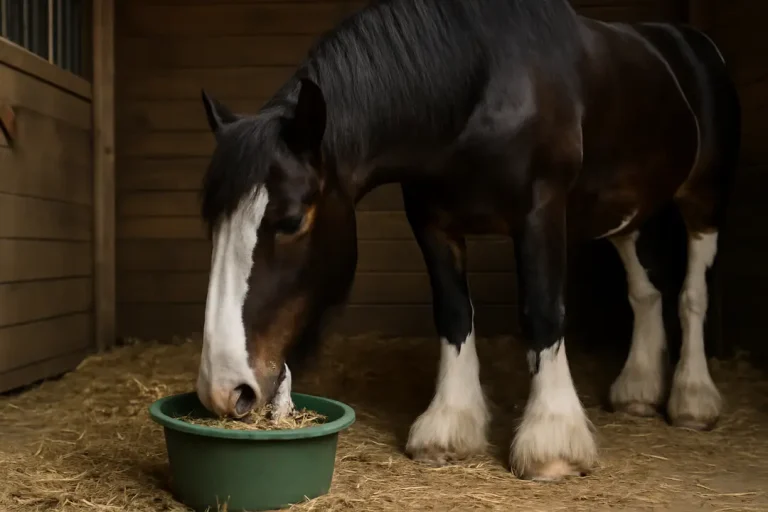
Feed a balanced diet of forage and a quality draft-horse mix. Monitor body condition and adjust rations as work increases. Always provide fresh water and salt blocks. Proper hydration helps with muscle recovery.
Rest days are as important as training days. Your horse needs time to rebuild muscle fibers. Plan at least one or two full rest days each week. On light days, stick to gentle walking or turnout in a paddock.
Rotate exercise routines to avoid repetitive strain. Combine lunging, hill walking, harness work, and light trail rides. This variety keeps your Shire physically and mentally engaged. When you follow clear caring routines, you prevent surprises like lameness or resistance.
Keep in touch with your farrier and veterinarian. Regular hoof trimming and dental checks support soundness and comfort. A proactive approach means fewer setbacks and a Shire that stays ready for whatever task you plan next.
Conclusion
Successful Shire Horse training rests on patience, clear communication, and thoughtful progression. By starting with temperament work, you build trust. Groundwork then cements basic cues in a low-stress setting. Gradual strength exercises and careful introduction to tack ensure your horse stays sound and confident.
When you move into pulling drills, rely on data and record keeping to guide weight and distance. Finally, long-term progress hinges on consistent care—grooming, feeding, rest, and routine health checks. Each step ties back to a simple yet powerful idea: respect your horse’s pace and body.
Training a Shire Horse is a journey, not a race. Keep sessions short, clear, and rewarding. Over time, you’ll see a willing giant who trusts your guidance and performs with pride. Now it’s your turn to apply these tips and watch your gentle draft companion flourish.