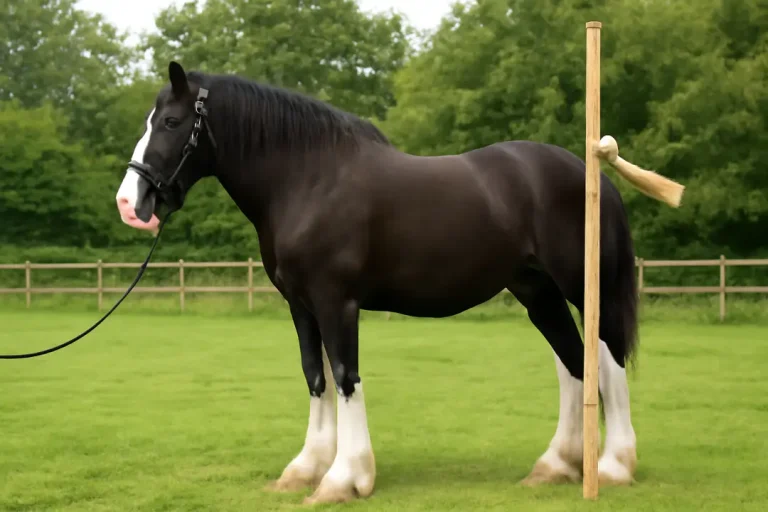

Shire Horse Parade Events Tips for Spectacular Shows
Isn’t there something magical about seeing a towering Shire horse stride down a sunlit street? These gentle giants have long been the heart of agricultural fairs and community parades, yet many organizers overlook one key piece: audience engagement beyond the routine procession. How can you transform a simple horse walk into an unforgettable spectacle that resonates with spectators?
The answer lies in weaving interactive moments and thoughtful touches throughout the event. By focusing on small details—like themed decorations, rider commentary, or live demonstrations—you’ll keep eyes glued to the route and hearts warmed long after the last hoof passes. Understanding these extras means you can craft a parade that delights all ages, avoids dull pauses, and leaves spectators excited for next year’s show.
Parade Planning Basics
Every successful Shire horse parade starts on paper. You’ll need clear dates, permits, and a route that’s safe and scenic. Early planning gives you time to secure liability insurance, line up facilities, and spread the word. Local councils often require a permit at least 60 days before the event, so don’t delay that application.

Here’s a simple checklist to keep you on track:
- Set date and time, avoiding extreme heat or rain risk.
- Apply for parade permits from city or county offices.
- Reach out to local St. John’s Ambulance or similar for on-site first aid.
- Confirm road closures and safety marshals with law enforcement.
- Book announcers, music, and PA systems.
Practical tip: choose a route that passes by a community center or school. Families will gather in those areas, and your parade gains built-in cheerleaders. With these basics handled, you’re ready to add flair.
Choosing Parade Theme
A theme brings coherence and fun. You might go with “Heritage Harvest,” highlighting the Shire’s old-world farm roots. Or pick a seasonal nod, like winter wonderland, and decorate carts with faux snow and twinkling lights. Themes also guide costuming. Riders could dress in period overalls for a historic feel or in bright festival colors for a carnival vibe.
Engagement tip: invite community groups to design floats or walking banners that match your theme. A local Scouts troop could carry a hay wagon, or a school art club might paint boards featuring Shire horse facts. This not only spreads organizational work but also creates a sense of local pride.
Remember, consistency is key. Align your social media posts, parade programs, and even vendor booths around the theme. That way, attendees feel immersed from start to finish. When everything clicks, your parade becomes more than a lineup of horses—it’s a storytelling experience.
Preparing Your Shire Horse
Shires are big, but they can be gentle and patient when handled well. Start training several weeks ahead. Focus on desensitization, so your horse stays calm near loudspeakers or cheering crowds. Include short rides along quiet roads, then gradually introduce noise. If you need a refresher, check out some effective training techniques to build confidence and trust.
Grooming is more than cosmetic—it boosts a horse’s comfort and appearance. Plan daily grooming sessions for at least two weeks before show day. Pay special attention to mane braiding and hoof cleaning. A neat coat and trimmed feathers highlight the Shire’s impressive stature. The complete grooming guide offers step-by-step tips for that polished, parade-ready look.
Nutrition matters, too. Provide high-quality hay and a balanced grain mix. Avoid sudden feed changes and ensure fresh water is always available. A happy, healthy horse looks and performs its best, making your parade shine.
Show Day Logistics
When the big day arrives, coordination is everything. Set up a clear schedule for arrival, mounting, and lineup. Assign a volunteer to each rider and handler, so no one gets lost. Provide a staging area with shade and water. Even a giant like a Shire needs a cool break before heading out.

Here’s a simple step-by-step guide:
- Arrive at least two hours before kickoff.
- Check tack, harnesses, and lead ropes for safety.
- Offer a final quick grooming touch-up.
- Hold a brief team huddle to review the route and signals.
- Start the parade punctually to keep the audience engaged.
Timing is crucial. Aim to keep the entire procession within 45–60 minutes. Any longer, and spectators start to wander. A concise, well-paced lineup ensures everyone stays attentive and the Shire horses remain fresh and eager.
Engaging the Audience
Interaction turns a passive crowd into cheerleaders. Consider placing simple sound cues or colored flags at intervals. Ask announcers to share bits of Shire lore: their history, average height, or fun facts like pulling strength. This turns waiting time into an educational moment.
You can also make it hands-on. After the parade, host a petting station where kids meet a Shire under supervision. Display posters about draft showing and farm work. Such extras create lasting memories and encourage future attendance.
For social media buzz, create a hashtag and set up a photo backdrop near the finish. Encourage visitors to post selfies with the horses. A few friendly signs remind them, “Share your #ShireParadeExperience!” and watch your online reach grow.
Safety and Regulations
Ensuring both human and equine safety is non-negotiable. Local authorities will provide a list of rules. At minimum, you need liability waivers for riders, a vet on standby, and fire extinguishers in staging areas. Check weather forecasts too—Shire horses can overheat quickly.
| Requirement | Details |
|---|---|
| Rider Waivers | Signed release of liability before mounting |
| Health Check | Veterinary exam 24 hrs before parade |
| Route Clearance | Road inspection and barricades |
| First Aid | At least one certified medic on site |
| Noise Limits | Speakers at ≤80 dB to avoid spooking |
Tip: hold a quick safety briefing for participants 30 minutes before start. Review hand signals, emergency exits, and who to contact if an issue arises. A little prep goes a long way toward a smooth, incident-free event.
Post Parade Care
Once applause fades, work continues. Lead each horse back to its rest stall or trailer slowly. Offer fresh water and a light snack of hay. Check legs and hooves for any signs of fatigue or minor injury. Even unbroken ground can strain a big draft horse.
A cool-down walk of 5–10 minutes prevents stiffness. Then groom again—removing sweat marks and checking for rubs under harness straps. If you notice any sore spots, apply a cold pack or topical soothing gel.
Finally, gather feedback from riders, volunteers, and vendors. What went well? What could improve? This real-time input helps you fine-tune next year’s parade, making each edition bigger and better.
Conclusion
Pulling together a Shire horse parade event is part art, part logistics, and all heart. From those early planning checklists to the final post-parade grooming, every step matters. When you blend thoughtful themes, audience engagement, and top-notch care for your horses, your parade becomes more than a procession—it becomes a beloved community tradition.
Remember, it’s the little surprises—a kid’s first touch of a gentle hoof, a rider’s cheerful wave, or the sparkle in a horse’s eye under festive lights—that turn an ordinary day into a cherished memory. With each edit to your plan, you set the stage for bigger crowds, happier riders, and healthier horses. Now go ahead—plan that unforgettable Shire horse parade and watch your community come alive.