
Famous Shire Horses in History: Legendary Equine Giants
Anyone who has ever watched a Shire horse plow a field or pull a heavy load knows how these gentle giants carry both power and grace. Yet beyond their strength and size, the personal stories behind famous Shire horses often go unnoticed. From medieval trade routes to World War I battlefields, these animals left marks on history that few of us truly explore. How did their unique personalities and backgrounds shape the roles they played?
Delving into the lives of these celebrated draft horses helps us see them as more than tools—they were partners with distinct temperaments and talents. Understanding these traits offers insights for breeders, historians, and horse lovers alike, guiding better care and richer storytelling. By learning their full stories, we gain a deeper respect for the breed and avoid missing key lessons about loyalty, resilience, and teamwork.
Origins of Famous Shires
The story of Shire horses begins in medieval England, where their ancestors worked farms and carried goods along dusty lanes. Early records show that their size and calm nature came from crossing local mares with Flemish stallions. Over time, breeders focused on height and strength, aiming for horses that could handle heavy agricultural tasks. By the 16th century, they were prized across England for both farm and urban use.

Today’s champions still carry traits from those early stock. Their broad hooves and sturdy legs trace back to open fields and heavy work. Fans of breed history will find detailed accounts in resources like the breed history, which highlights how selective breeding shaped their modern form.
Practical tip: when studying any Shire’s background, look for lineage records that mention height and temperament scores. These details hint at how well a horse might perform in farm work, shows, or pulling events.
Sampson’s Record Strength
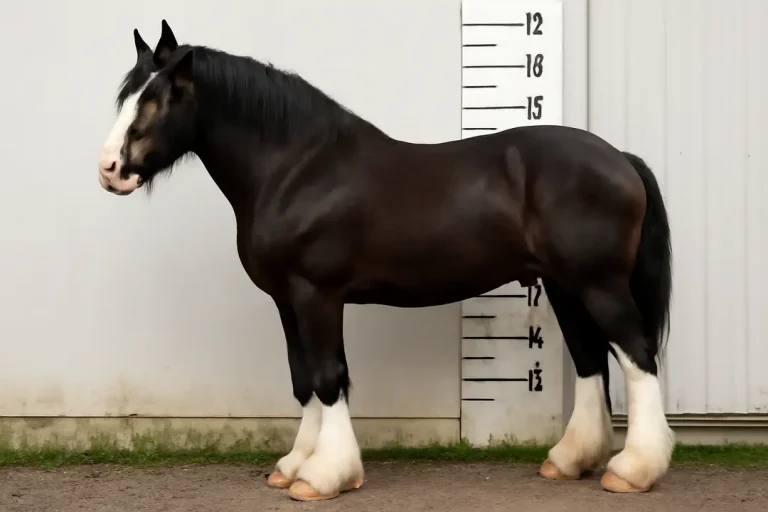
Among the most famous Shire horses in history stands Sampson, born in 1846 and later renamed Mammoth. He remains the tallest and heaviest horse ever recorded, measuring 21.25 hands and weighing over 3,360 pounds. His sheer dimensions symbolize the unmatched power of the breed.
- Height: 21.25 hands (86 inches)
- Weight: Approx. 3,360 pounds
- Birthplace: Toddington Mills, Bedfordshire
- Legacy: Inspiration for large-horse breeding programs
Sampson’s story teaches us how focused breeding can push limits. His genetics continue to influence breeding plans today. If you’re planning to breed or show modern Shires, consider how Sampson’s proportions set a benchmark.
Learn more about his life and impact on the draft horse world at the Sampson profile. Breeders often trace bloodlines back to him when seeking exceptional size and strength.
War-Era Partnerships
During World War I, hundreds of Shire horses were enlisted to haul artillery and supplies. Their calm temperaments and ability to navigate rough terrain made them invaluable on muddy battlefields. Unlike machines of the time, these horses could adapt to sudden challenges, such as shell craters and scattered debris. But their service came at a cost; many did not return home, and their contributions faded from common memory.
Modern historians and reenactors now spotlight these horses’ roles, reminding us that they were more than draft animals—they were comrades. When organizing a commemorative event or exhibition, consider including stories of individual horses. Share any letters or photos from soldiers who praised their mounts’ steadiness under fire. This personal angle brings history to life.
Practical tip: museums and archives may hold enlistment documents listing horse names, weights, or unique markings. These records can help trace a specific horse’s wartime journey and honor its memory in displays or publications.
Agricultural Pioneers
Long before tractors, Shires were the backbone of agriculture. Famous names like Denmark and King Charles pulled plows across England’s fields, turning tough soil into fertile land. Their steady pace allowed farmers to work longer days without fatigue, and their gentle natures made them easy to handle even for less experienced workers.
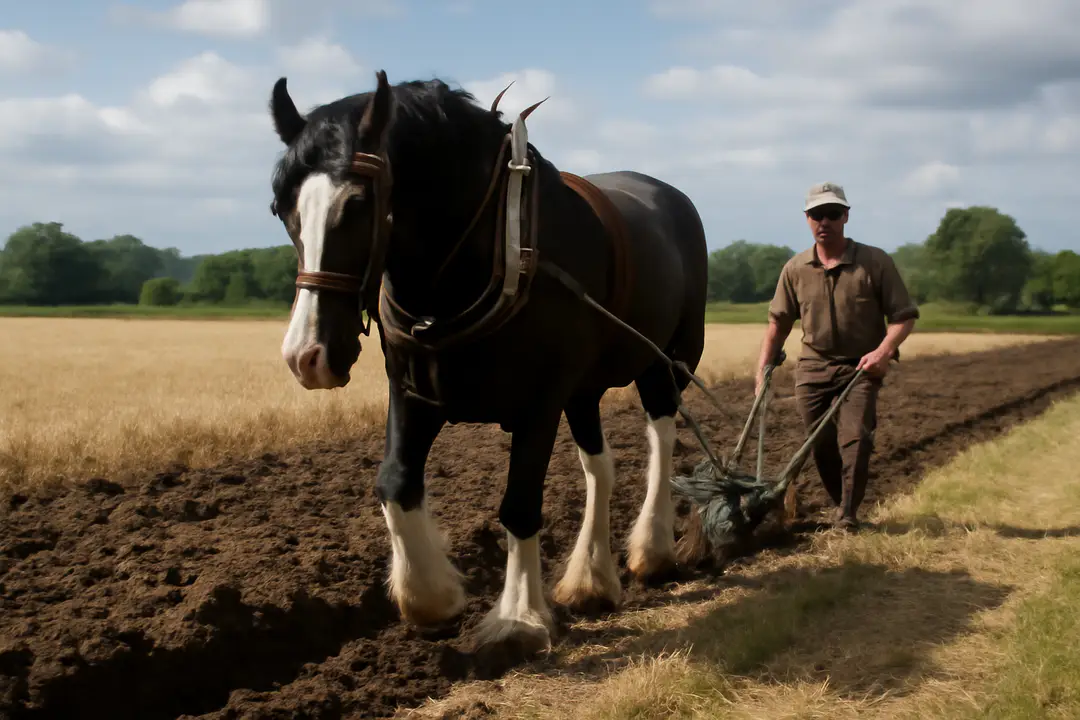
As mechanization rose, some farms phased out horses, yet others held onto Shires for their reliability. Modern small farms and educational centers now reintroduce draft horses for demonstrations and sustainable agriculture. They illustrate low-impact tilling methods and natural manure fertilization, showing eco-friendly farming at its best.
Practical tip: if you’re looking to start draft-horse farming, attend workshops that teach Shire-driven implements. These sessions cover harnessing, hitching, and maintaining equipment for plowing or logging. Hands-on practice ensures safety and efficiency, and you’ll learn to recognize signs of strain or soreness in these proud animals.
Preservation and Breeding
Today, preserving the legacy of famous Shire horses depends on careful breeding and proper care. Dedicated farms track bloodlines to maintain genetic diversity while honoring the traits of past champions. A healthy breeding program balances size, soundness, and temperament to uphold the breed’s standards.
Caring for breeding stock requires attention to diet, exercise, and veterinary checkups. A stallion or mare needs a hay-rich diet, balanced with minerals and vitamins. Regular hoof care prevents common issues in large breeds. For guidance on daily routines, see the maintenance guide, which covers grooming, feeding, and exercise tips.
Practical tip: set up breeding goals before pairing horses. Outline desired traits—height range, calmness, or show-ready coat color—and select mates with complementary strengths. Tracking foal growth and milestone health checks ensures you spot concerns early and maintain the breed’s vigor.
Shire vs Other Drafts
Comparing Shires to Clydesdales and Percherons highlights the breed’s unique strengths. Shires generally stand taller and weigh more than Clydesdales, with broader hooves suited for heavy work in softer ground.
| Feature | Shire | Clydesdale | Percheron |
|---|---|---|---|
| Average Height | 17–19 hands | 16–18 hands | 16–17 hands |
| Average Weight | 1,800–2,400 lbs | 1,600–2,300 lbs | 1,800–2,600 lbs |
| Temperament | Calm, Steady | Gentle, Energetic | Bold, Responsive |
| Best Use | Heavy Draft, Plowing | Show, Carriage | Farm Work, Driving |
This table helps you decide which draft breed fits your goals. Shires excel at raw pulling power, while Clydesdales often shine in show rings. Percherons balance strength with agility.
Conclusion
The legacy of famous Shire horses in history is about more than raw power. It’s about the bond between human and animal, the shared triumphs, and the lessons they taught us. From Sampson’s record-breaking size to wartime heroes and farm pioneers, these horses shaped industries and communities. They showed us patience, endurance, and teamwork.
Understanding their stories deepens our appreciation and guides modern breeding, care, and events. Whether you’re a breeder seeking strong bloodlines or a historian telling tales of wartime workhorses, these narratives offer practical insights. Remember that each horse carried its own personality and background, and honoring them means paying attention to health, temperament, and heritage.
Let the tales of these gentle giants inspire you to explore further, protect their bloodlines, and celebrate their contributions. By keeping their stories alive, you ensure that future generations learn from both their strengths and their spirits.