Shire Horse Behavior and Care: Gentle Giants Explained
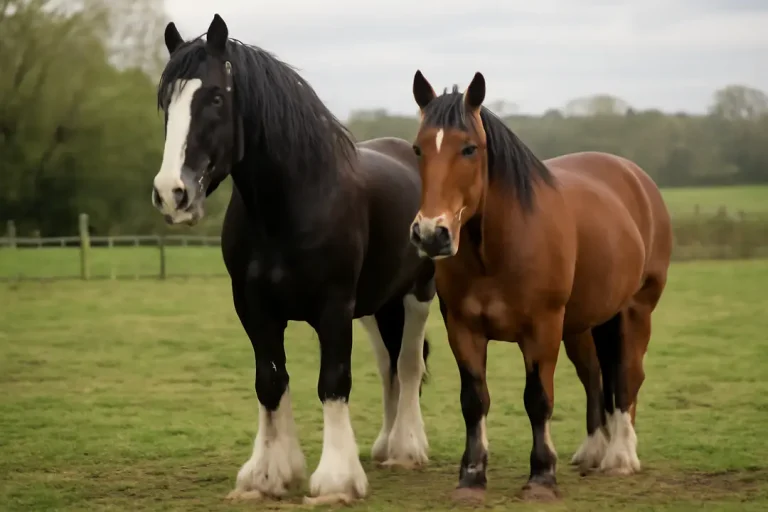
Anyone who meets a Shire horse at the farm can’t help but notice its calm presence and impressive size. Yet few people pause to consider their subtle body language and communication style. Observing these giant horses can teach us a lot about their temperament and social needs. Understanding this can help owners and enthusiasts avoid misreading their signals. But how do we decode the gentle giants’ often overlooked cues?
Picking up on these signals starts with learning key gestures and patterns. When you know why a Shire horse pins its ears or shifts its weight, you can react safely and build a stronger bond. This insight helps you manage training sessions, spot stress before it leads to issues, and create a calm, trust-filled environment. By tuning in, you’ll avoid surprises and enjoy a more rewarding experience with these majestic creatures.
Origins and Temperament
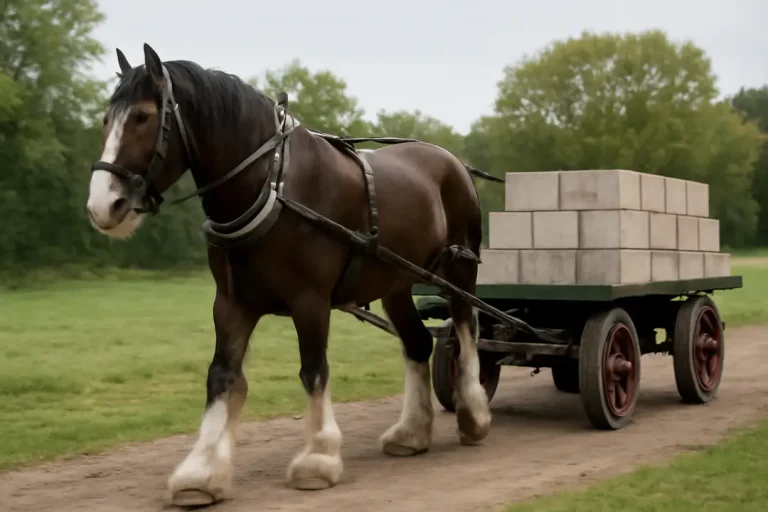
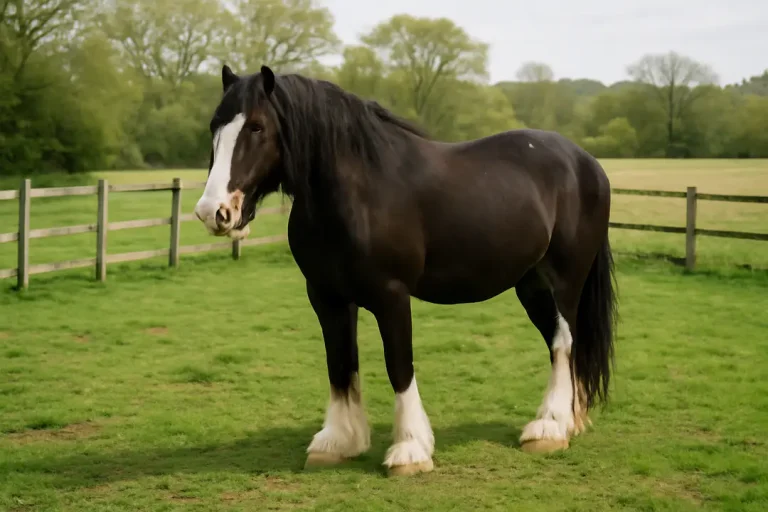
The Shire horse has roots in medieval England, bred for heavy farm work and hauling carts through muddy fields. Over centuries, this line produced a horse known for both strength and a gentle disposition. Exploring the breed’s rich history reveals how selective breeding created a giant that remains calm under pressure. You can read more about their lineage and care in a detailed breed history guide. Even today, many handlers praise their steady temperament when working around young riders or in crowded shows.
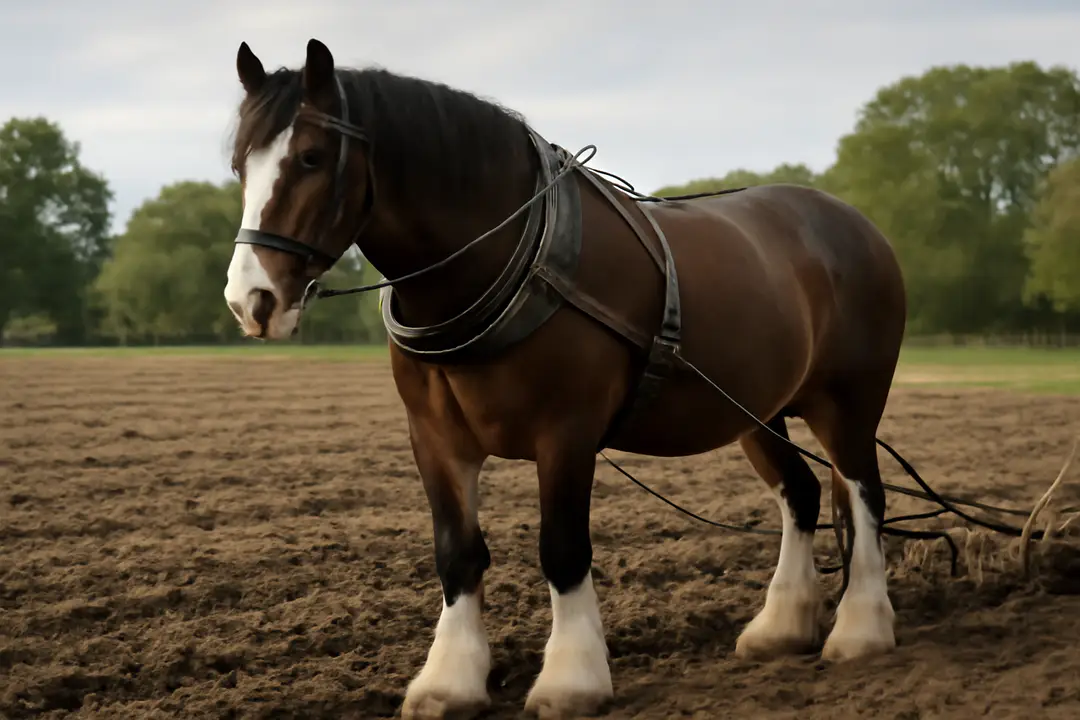
Temperament tests show Shires often score high for patience and lower for reactivity compared to other draft breeds. They rarely spook at sudden noises and tend to stand quietly. This makes them ideal for beginners or therapeutic programs. If you’ve ever seen a Shire lead a plow or stand for the farrier, you’ve witnessed natural calm and cooperation. Yet this balance of power and placidity can be upset if handlers ignore their need for consistent routines and gentle guidance.
Daily Body Language
Understanding a horse’s mood often begins with reading simple gestures. Shire horses speak volumes with their ears, tail, and stance long before they vocalize. To decode these cues, here’s a quick reference:
| Cue | Meaning |
|---|---|
| Ears forward | Alert or curious |
| Ears pinned back | Irritation or discomfort |
| Swishing tail | Fly annoyance or mild agitation |
| Head tossing | Discomfort or confusion |
| Shifting weight | Preparation to move or test handler |
Notice how these signs tie back to key characteristics of the breed: large, sensitive ears; a powerful frame; and a calm eye. Watching a Shire for just five minutes each day can sharpen your skills at spotting stress or curiosity early. For example, if a horse pins its ears and shifts weight, pause your handling and give space. Over time, responding correctly reinforces trust and reduces future tension.
Social Bonds and Hierarchy
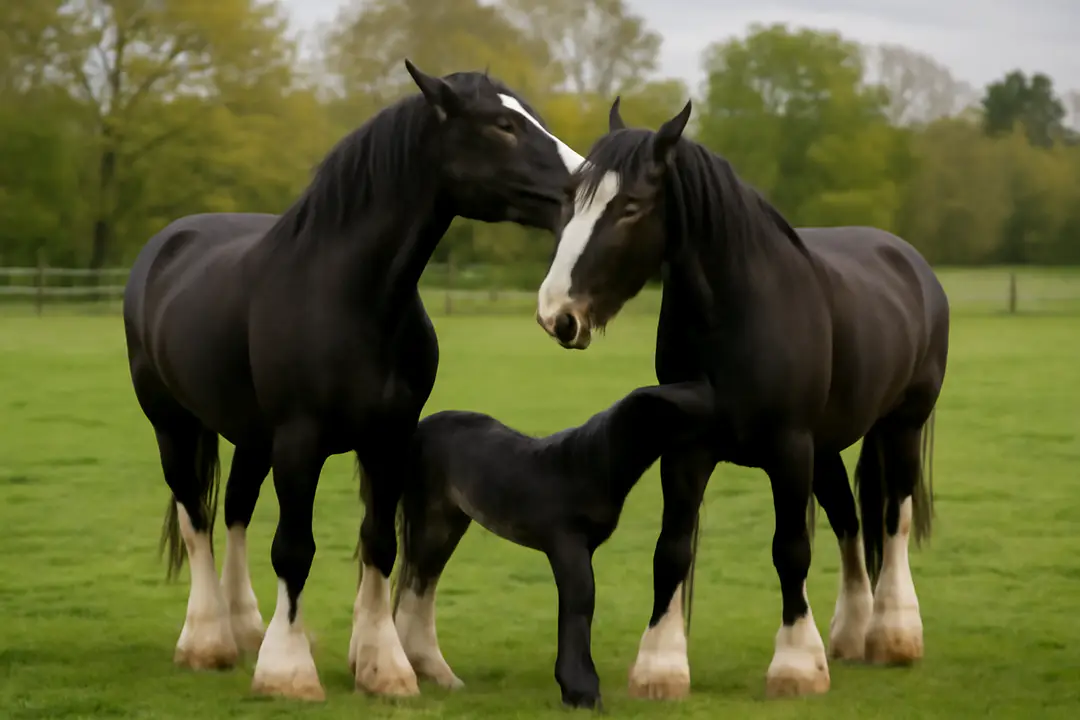
Shire horses are herd animals at heart, even if they spend most of their lives stabled or hitched. In a group, they establish a clear but gentle hierarchy. The lead horse—often a mare—sets the pace for grazing and movement. Lower-ranking horses follow without conflict, trusting the leader’s choices. In a mixed group, you may see brief posturing—neck stretching or soft nips—before order is restored quickly.
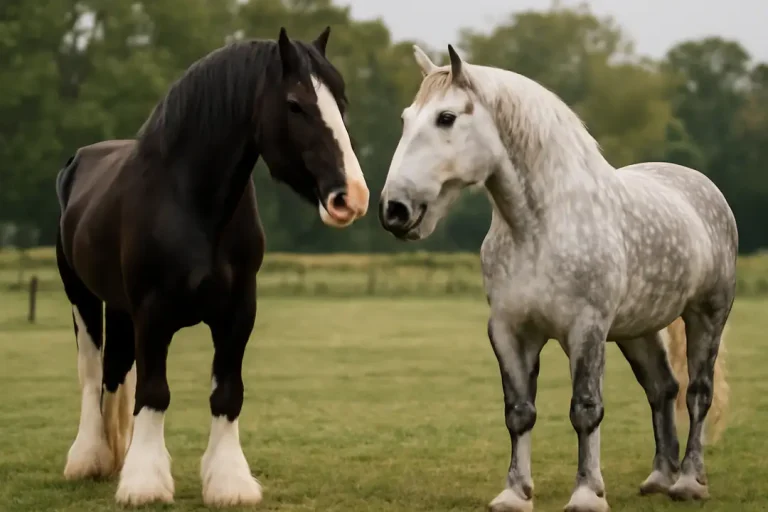
When handling a Shire stabled alone, you can mimic social support by offering turnout time with a calm companion. Small mixed herds help fight boredom and encourage natural behaviors. If you introduce a new horse, allow a neutral paddock for safe initial greeting. Watching their noses touch over a fence gives both animals time to assess without feeling cornered. Over weeks, this promotes smooth integration and reduces stall anxiety.
Practical tip: arranging regular grooming sessions with a buddy horse can boost mental well-being for both. They learn from each other’s calm reactions to the brush and halter. In turn, this low-stress approach strengthens the bond between you and your Shire—mirroring the gentle support they give each other in a herd.
Training and Learning Style
Shire horses respond best to patient, reward-based training. Their calm nature means they rarely panic, but it also means they can grow bored if lessons drag on. A clear, consistent approach keeps them engaged. Here are five tips that work well:

- Short sessions: limit to 15–20 minutes to maintain focus.
- Clear cues: use the same voice commands and rein signals each time.
- Positive reinforcement: offer a treat or soft rub when they respond correctly.
- Gradual difficulty: raise the challenge only after success at the current level.
- Rest breaks: allow a minute of free walk or scratch behind the ears.
For groundwork, introduce each new obstacle—pole, tarp, or cone—slowly. Let the horse sniff and touch it with its muzzle before asking to walk over. Always reward bravery, no matter how small the step forward. During mounted lessons, keep your seat soft and your aids gentle. A tense rider can unsettle even these giants, so focus on calm breaths and loose hands. In time, your Shire will learn that steady work brings praise, a pats, and a quiet stall at day’s end.
Common Misunderstandings
Despite their friendly reputation, Shire horses sometimes face misconceptions. One common myth is that their size makes them dangerous. In reality, their breeding favored patience and careful movement. They rarely bolt or kick unless severely provoked. Another mistake is overfeeding to encourage growth. While they do need ample calories for muscle and bone health, excess grain can lead to weight issues and behavioral dullness.
Some owners assume a draft horse won’t spook—but they can if they’re startled suddenly. Proper desensitization wins the day. Introduce new sights, sounds, and textures bit by bit. A slow, steady pace beats a fast, intense session. Finally, many riders think Shires learn more slowly than lighter breeds. Their strength can mask subtle misunderstandings, but they pick up patterns just as quickly with the right cues. Patience and clear communication are key—never force a response. Behavioral problems often stem from confusion, not stubbornness.
Behavioral Care Routine
Maintaining good behavior in a Shire horse is as much about stable routine as it is about handling. Consistency in feeding, turnout, and grooming sets a clear structure they understand and trust. Morning and evening feeding times should be within thirty minutes of the same hour. Fresh water and enough forage keep them content and reduce pacing or stall vices.
Regular turnout—ideally several hours each day—lets them express natural behaviors like grazing and socializing. If you can’t turn out in a herd, allow visual or fence-line contact with other calm horses. A friend nearby does wonders for mental health. Grooming sessions serve a dual purpose: they check for skin issues and reinforce your bond. Those gentle giants appreciate even five minutes of massaging their withers or chest.
Lastly, monitor their body condition and adjust rations. Too much grain leads to sluggishness; too little can make them anxious and gnaw at stall doors. You can find guidelines on feeding and weight management in a handy weight and nutrition guide. By aligning care with their natural rhythms, you support a steady temperament and reduce unwanted behaviors like cribbing or pacing.
Conclusion
Shire horse behavior blends raw power with surprising sensitivity. From their medieval origins to modern pastures, they’ve carried loads and riders because of a temperament built on calm patience. Learning to read their body language—ears, tail, posture—offers early clues to their comfort and mood. Recognizing herd instincts and respecting their social bonds prevents stress and builds trust. In training, a reward-based approach with clear, consistent cues keeps them eager yet relaxed.
Common misunderstandings—overfeeding, sudden desensitization, or pushing beyond focus—often lead to problems that careful routines can solve. By setting stable schedules, offering turnout, and monitoring nutrition, you create an environment where these giants shine. When you tune into their subtle signals and meet their basic needs, you unlock the true joy of partnering with a Shire. Ready to apply these insights? Your next ride can be safer, smoother, and full of mutual respect.