
Shire Horse Weight Essentials: Ranges, Health, Care
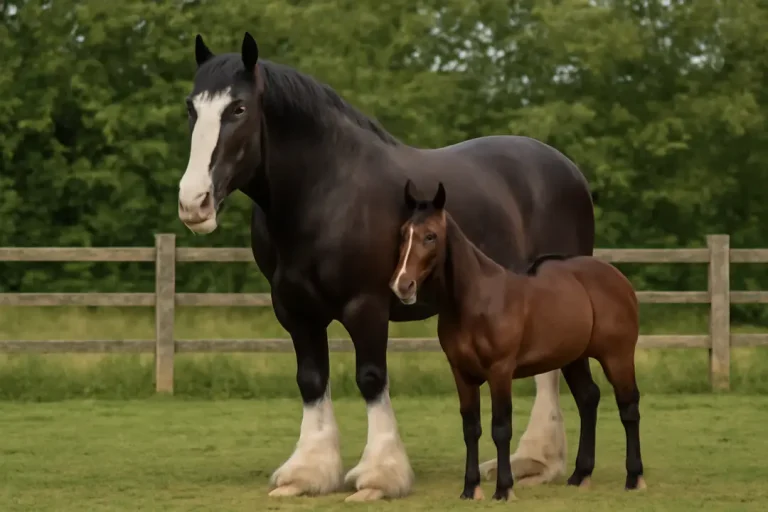
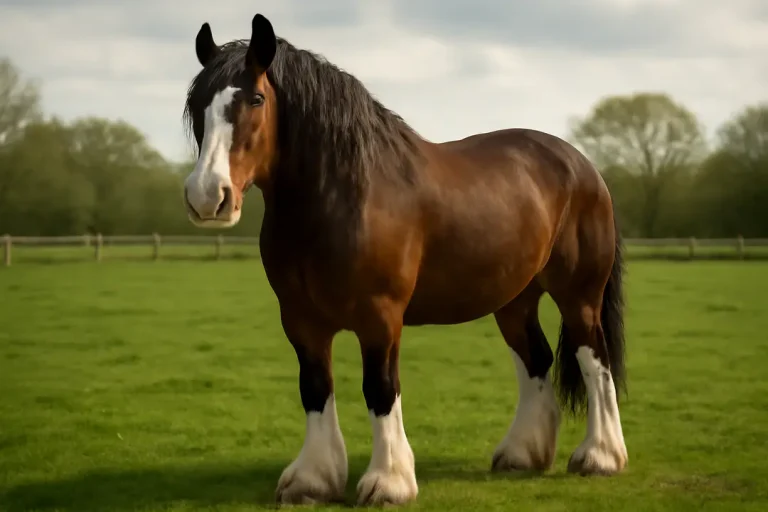
Few sights are more impressive than a Shire horse striding through a misty pasture, its broad shoulders and thick legs carrying centuries of draft horse heritage. Yet while most people admire their size, the exact weight of a full-grown Shire often flies under the radar. How heavy is this gentle giant, and why does that number really matter for owners and handlers?
On average, a mature Shire horse tips the scales between 1,800 and 2,400 pounds depending on gender, age, and nutrition plans. Understanding these figures helps you tailor feeding programs, choose safe equipment, and prevent joint or hoof issues. When you know what a healthy weight looks like, you can make smarter care choices and avoid costly surprises down the road.
Typical Weight Ranges
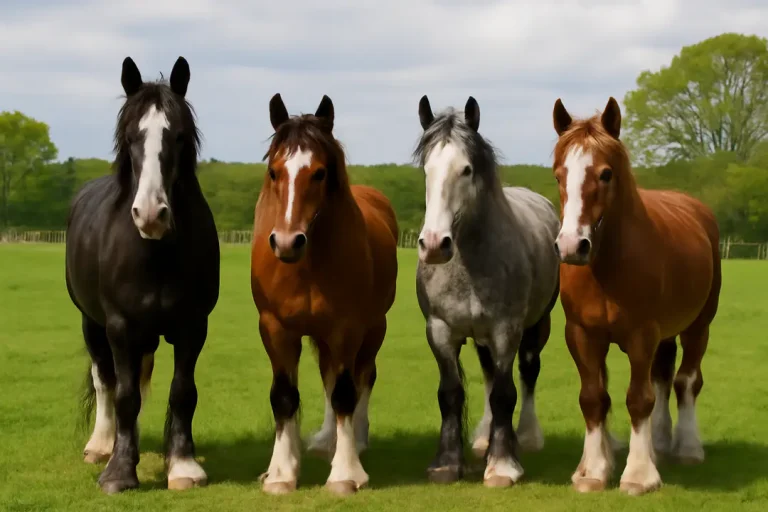
Most adult Shire horses fall into predictable weight brackets by sex and maturity. Stallions, with their larger bone mass and muscle content, usually range from 2,000 to 2,400 pounds. Mares are slightly lighter, falling between 1,800 and 2,200 pounds. Geldings occupy the middle ground, averaging 1,900 to 2,300 pounds. Young horses grow quickly but can weigh just 900–1,200 pounds as yearlings.

Here’s a quick reference table:
| Category | Weight (lbs) |
|---|---|
| Stallion (adult) | 2,000–2,400 |
| Mare (adult) | 1,800–2,200 |
| Gelding (adult) | 1,900–2,300 |
| Foal (yearling) | 900–1,200 |
This table offers a baseline. Individual horses may sit above or below these numbers based on build, bone thickness, and diet. Keep these figures in mind when planning stall sizes, trailers, or feeding schedules, since a 600-pound difference in potential weight can affect your barn layout and equipment choices.
Factors Affecting Weight
A Shire’s actual weight depends on more than just age or gender. Genetics and bloodlines play a major role. Some lines produce enormous boned horses, while others focus on soundness and moderate size. Environment also matters: horses in lush pastures often gain more quickly than those on sparse grazing.
Nutrition is a heavy hitter in weight management. Feeding methods, pasture quality, and supplement plans can all push weight up or down. Even weather affects metabolism—hardtier horses expend more calories staying warm in winter, whereas summer heat can suppress appetite.
Health status and exercise levels tie directly into a horse’s mass. Parasite loads, dental issues, or underlying joint pain can reduce feed intake or alter movement, leading to weight loss. Regular checkups and a clear deworming schedule help keep a horse within ideal ranges.
For deeper insights into how history, traits, and overall care influence Shire size, it helps to consult a detailed breed history and care guide. That background can clarify why some lines remain massive yet sound, while others trend lighter for longevity in riding or driving work.
How to Weigh a Shire
Accurate weighing keeps your horse’s health on track. You have several options:
- Livestock Scale: The most precise method. Ensure the platform is level and has a non-slip surface. Lead your Shire on gently, keep it calm, and record the number before it walks off.
- Weigh Bridge Rental: Mobile services bring large scales to your farm. They handle heavy horses safely and quickly.
- Weight Tape: A weight tape wrapped around the horse’s girth can estimate mass. It’s less precise (±5%), but useful for routine checks or field trips.
Step-by-step guide:
- Clean the area and ensure the horse is dry.
- Calm the horse with a familiar voice or treat.
- Position the scale or tape correctly—tape at the highest rib, parallel to the ground.
- Record the reading, and repeat twice to average out any wiggling or movement.
- Log the value in your health journal alongside date and condition notes.
Before any method, a quick trim and hoof clean-up can improve accuracy. Proper grooming prepares skin and hair, so you’ll get a true reading—learn best practices for how to groom a Shire before weighing sessions.
Nutrition Strategies
Feeding a horse that can weigh over a ton demands a balanced plan. First, quality forage such as grass hay should make up at least 1.5–2% of body weight daily—so a 2,000-pound Shire needs 30–40 pounds of hay each day. Adjust based on pasture availability and seasonal growth.

Concentrate feeds supply extra calories or nutrients when a horse isn’t holding weight. Look for formulations with 12–14% protein, and no more than 10% simple sugars if your Shire tends to gain too much. Introduce grains and pellets gradually over two weeks to avoid digestive upset.
Supplements can fill gaps. Biotin and methionine support hoof health under heavy loads, while calcium and phosphorus keep bones strong. Omega-3 oils help reduce inflammation in joints. Always follow manufacturer guidelines and discuss any changes with your veterinarian.
Practical tip: divide the daily ration into three or four feedings rather than one large meal. This steady supply prevents spikes in digestion and lowers colic risk. Keep fresh water available at all times, aiming for 10–12 gallons a day, since larger muscles and organs require more fluid to function smoothly.
Monitoring Health Indicators
Weight alone doesn’t tell the full story. Combine scales or tape readings with body condition scoring (BCS) to get a rounded view. The 1–9 BCS chart rates fat deposits over ribs, with 5 being ideal. At scores above 7, your Shire may be overweight; below 4, underweight risks become serious.
Feel the ribs and spine lightly—if you struggle to find them, extra weight could be hiding poor muscle tone. Check the tail head and withers for fat pads. Monitor hoof quality, muscle symmetry, and energy levels during work sessions.
Track patterns on a monthly calendar. Note any abrupt changes tied to feed adjustments, training intensity, or weather shifts. Early detection of trends helps you tweak rations or exercise routines before health issues arise.
Team up with your farrier and vet. Routine dental exams ensure chew efficiency, and hoof trims maintain soundness under heavy mass. A proactive team keeps weight in the healthy window and avoids expensive interventions.
Breed Comparison Table
Comparing Shire horses to other draft breeds highlights unique weight characteristics. This side-by-side look can guide your selection if you’re choosing between giants for farm work or carriage driving.
| Breed | Average Weight (lbs) | Main Use |
|---|---|---|
| Shire | 1,800–2,400 | Farm work, driving |
| Clydesdale | 1,600–2,200 | Show, pulling |
| Belgian | 1,900–2,200 | Plowing, logging |
| Percheron | 1,900–2,600 | Draft, riding |
Notice that Percherons can rival or exceed Shire weights, but they often carry a more compact build. Clydesdales lean lighter but trade mass for distinctive feathering and high-stepping action. Choose your draft partner based on both weight capacity and work style.
Conclusion
Understanding shire horse weight isn’t just about numbers—it’s about caring for a powerful breed in a way that honors its heritage and supports its health. From average ranges and genetic factors to practical weighing methods and nutrition plans, every step ties back to a big-picture goal: keeping these gentle giants strong, sound, and ready for work.
By tracking weight alongside body condition scores and teaming up with professionals, you avoid hidden risks like joint strain or digestive upset. And as you fine-tune feed and exercise, you’ll see your Shire thrive in comfort. Armed with this knowledge, you’ll make informed choices that safeguard both the horse’s welfare and your peace of mind.