Average Shire Horse Height: Complete Tips and Data
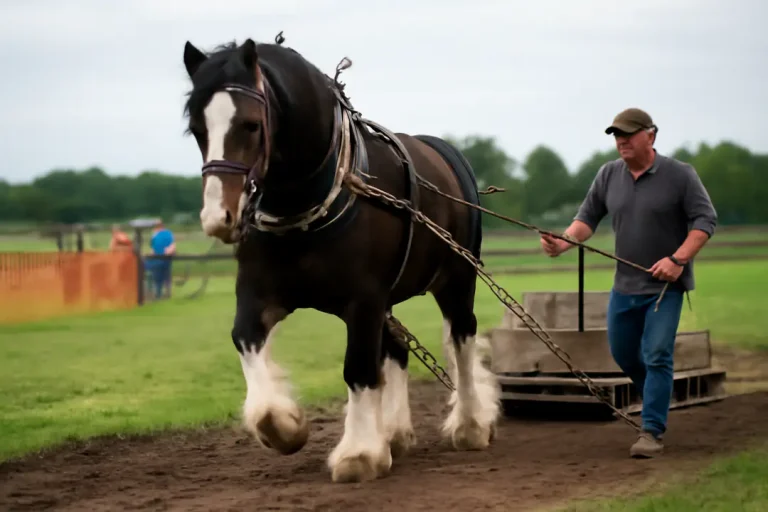
Shire horses have long been celebrated for their power and gentle nature. Yet many people overlook one key detail that affects everything from stable design to harness fit: their height. How does this towering stature shape daily care and planning for owners?
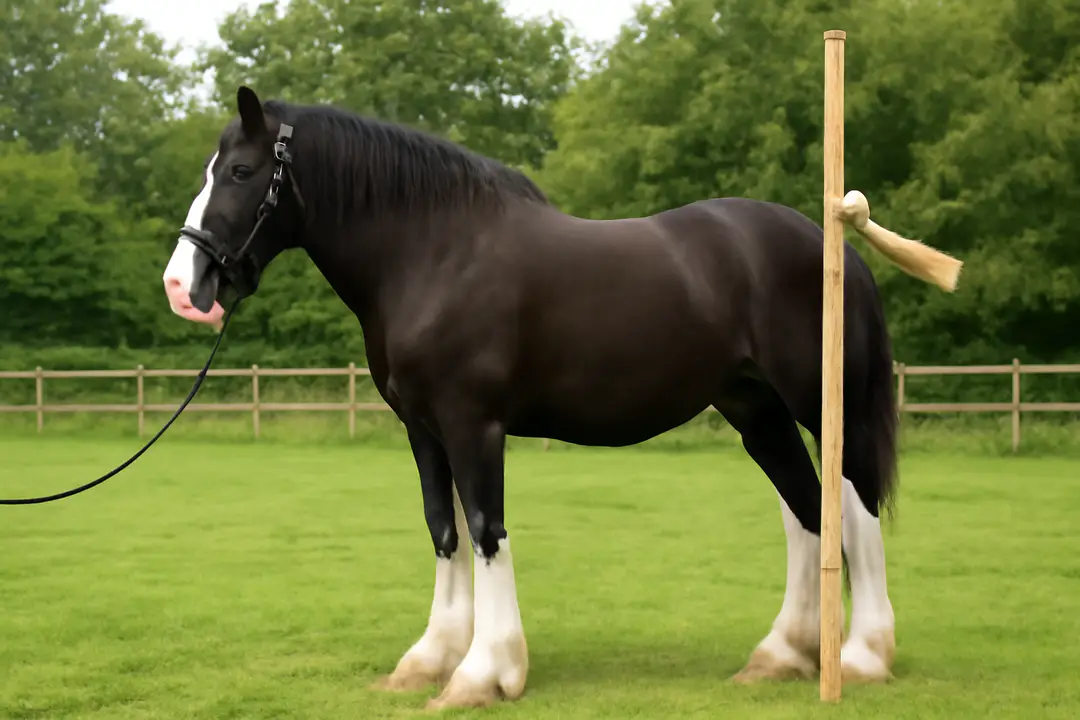
On average, Shires stand between 17 and 18.2 hands tall, with some stallions even reaching 19 hands. Knowing this range helps you choose the right equipment, build proper shelter, and avoid surprise vet bills. Understanding these numbers keeps both horse and handler safe and comfortable.
Breed Background
The Shire is one of Britain’s oldest draft breeds. It originated in medieval England and was prized for farm work and pulling heavy loads. Over centuries, selective breeding emphasized both strength and a calm temperament. This blend makes Shires ideal for shows, driving, and farm duties.
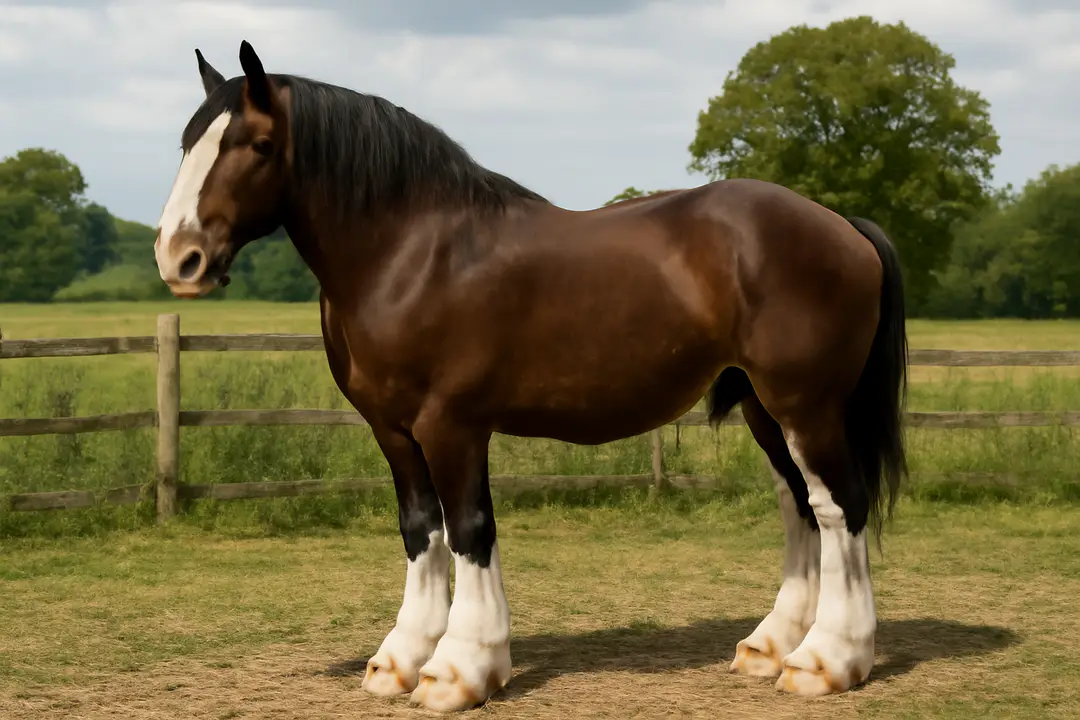
You might notice a Shire’s broad chest, long legs, and feathered feet. These traits not only look majestic but also support their tall frame. When choosing a Shire, look for balanced proportions. A well-built shoulder and straight back help carry weight evenly.
Height became a hallmark of the breed in the 18th century. Breeders selected the tallest, strongest stock. If you want more on how to care for and understand this breed, check our breed history and care guide. It dives deeper into lineage, traits, and best practices for happy, healthy Shires.
Measuring in Hands
Horses are measured in “hands,” each equal to 4 inches. For Shires, this unit helps compare height across breeds and plan facilities. Here’s how to measure accurately:
- Stand the horse squarely on level ground.
- Use a wither stick or measuring tape from the ground to the highest point of the withers.
- Record the total inches, then divide by four for hands. For example, 68 inches equals 17 hands.
- Note any fractions—most handlers use quarters (e.g., 17.2 hands).
- Repeat once a month to track growth or weight changes.
Keeping consistent measurements prevents surprises when ordering tack or planning stalls. A quick monthly check also flags growth spurts in young stock. If you raise Shire foals, tracking their increase hand-by-hand helps forecast adult size.
Height Influencing Factors
Not every Shire tops 18 hands. Several elements shape their final height. Consider these factors when estimating your horse’s growth:
- Genetics: Parent height often predicts offspring size.
- Nutrition: Balanced protein, vitamins, and minerals fuel bone growth.
- Health: Chronic illness or parasites can stunt development.
- Gender: Stallions often grow taller than mares.
- Exercise: Proper movement supports healthy bone density.
To encourage full growth, feed quality hay, a ration balancer, and occasional grain. Schedule vet checks and keep vaccinations current. A regular deworming plan helps avoid parasites that can sap nutrients. Lastly, gentle turnout and pasture time promote muscle and bone strength.
Comparing Draft Breeds
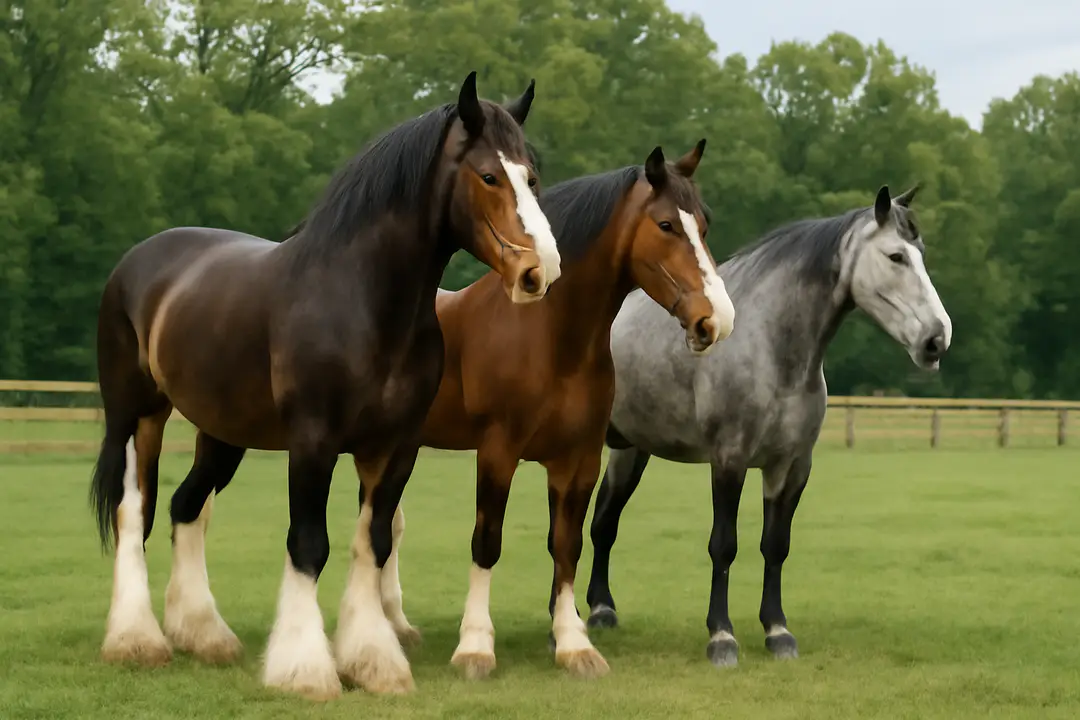
When you compare Shires to other drafts, their height stands out. Below is a quick guide to three popular breeds:
| Breed | Average Height | Typical Use |
|---|---|---|
| Shire | 17 – 18.2 hands | Driving, shows, farm work |
| Clydesdale | 16.2 – 18 hands | Parades, breweries, shows |
| Percheron | 16 – 17.1 hands | Farm work, riding, driving |
Shires tend to edge out Clydesdales and Percherons on average. Yet each breed has strengths—lighter Percherons are often easier to train for riding. Use this table to match your needs with the right draft type.
Height and Care Needs
Taller horses require more space and greater feed. A Shire standing 18 hands has a larger gut to fill than an 16-hand mount. Plan for about 2% of body weight in forage daily. For a 1,800-pound Shire, that means roughly 36 pounds of hay.
Stall dimensions matter too. Aim for at least a 14×14-foot stall. Doors should be 4 feet wide and 8.5 feet tall. Ceiling clearance of 10 feet prevents bumping heads. Good drainage and deep bedding keep joints healthy under that weight.
Grooming a tall horse takes extra care. Long legs collect mud and feather, so check for mites and mud fever. For a step-by-step routine, review our daily care routine. It outlines brushing, hoof checks, and leg cleaning to maintain healthy skin and hooves.
Stable Planning
When building or retrofitting housing, always add a height buffer. Allow at least 6 inches above the horse’s tallest point in the stall. That extra space prevents neck or ear injuries.
Paddocks need tall gates—4 feet high minimum. Electric tape can keep them in, but a strong post and rail fence works best. Wide pathways between pens reduce cornering stress.
Equipment like overhead beams or water lines should sit at 12 feet high. This keeps horses clear of hazards. For feeding, use mangers that sit at chest height—about 5 feet off the ground. This promotes healthy posture and digestion.
Finally, consider roof slope and eaves. A steep roof sheds snow and rain, but eaves should overhang at least 2 feet. That protects horses from storms and gives a dry exit when they step outside.
Conclusion
Height is more than a number when it comes to Shire horses. From measuring hands to designing stalls and choosing feed, every detail builds on their tall frame. By understanding average ranges—17 to 18.2 hands—and the factors that affect growth, owners can plan smarter.
Proper measurement keeps tack fitting right. Choosing spacious stalls prevents injuries. And balanced nutrition supports healthy bone and muscle development. Whether you show driving teams or keep farm companions, these insights help you avoid surprises and offer top care.
Keep tracking your horse’s progress, adapt feed and shelter as they grow, and rely on clear data when making decisions. This simple focus on height translates into happier, healthier Shire horses. With the right planning, you’ll turn that majestic stature into a smooth, rewarding partnership.