
How Much Does a Shire Horse Cost: Definitive Guide
Shire horses have been workhorses and show stars for centuries, drawing attention with their size and gentle nature. Yet while many admire their strength, few pause to consider the true financial commitment behind owning one. It’s easy to spot their sweeping mane in parades, but what goes into the price tag? Have you ever wondered what drives the cost of a Shire horse and whether you might face unexpected bills?
Understanding the price of a Shire horse starts with looking at age, training, breeding and care expenses. By breaking down each element, you gain insight into realistic budgets and avoid surprises down the line. Knowing these details lets you make smart decisions whether you’re a first-time buyer or a seasoned breeder. Let’s dive into the numbers and see how planning ahead can save you money and stress.
Price Range Factors
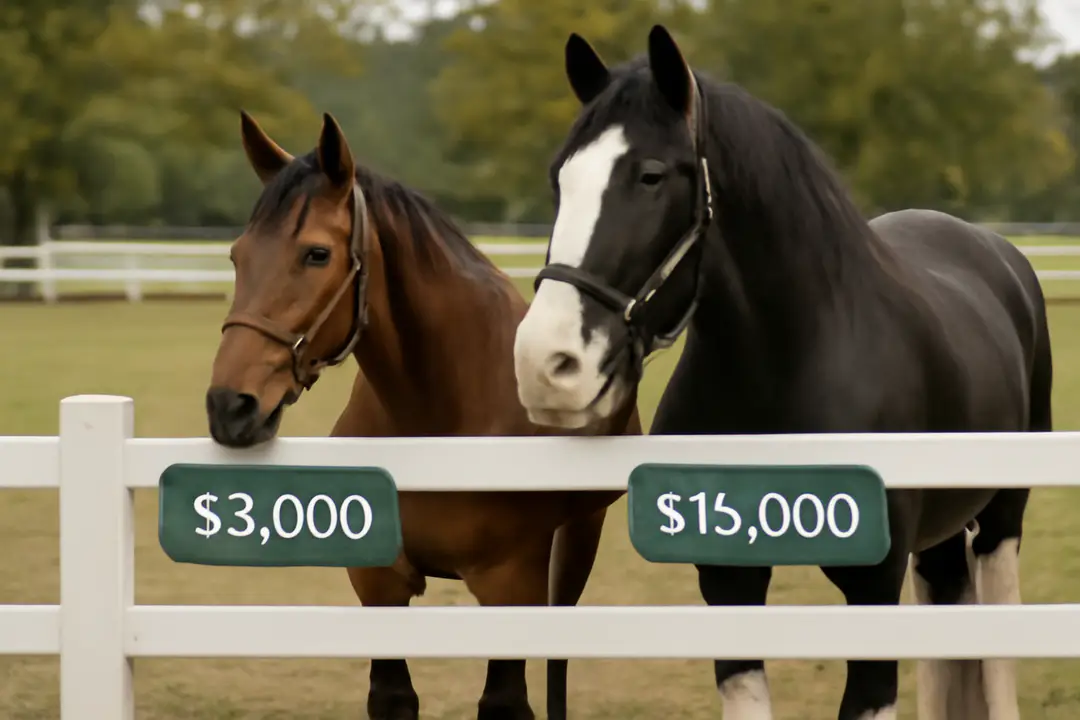
When setting a budget for a Shire horse, the first thing to know is that prices can range widely. On average, you might see young, untrained horses priced around $3,000. Well-trained or show-quality stallions can fetch more than $15,000.
Training level plays a big role in cost. Horses with basic groundwork start at the lower end, while those trained under saddle and in draft work add value. Competition experience can bump a price up by thousands.
Breeding and bloodlines really matter too. A foal from champion lines often sells for a premium. Permanent paperwork and registration add to the price tag but confirm authenticity.
Size and appearance can also change numbers. Natural feathering and height can make a horse more eye-catching. If you want details on sizing, check the typical Shire sizing to see how height ties to value.
Location and transport costs must join your plan. Shipping a large draft horse across state lines adds several hundred dollars. There may be vet checks, health certificates, and quarantine fees too.
Tip: always build in a buffer. Add 10 to 20 percent extra to your budget for small fees or paperwork. That way you avoid sticker shock when the final bill arrives.
Buying From Sellers
Finding the right seller can make or break your purchase. You can go to established breeders, private farms, or even online listings. Each option has pros and cons when it comes to price and trust.
Breeders are costlier but offer genuine bloodlines and health guarantees. They often include basic training and full registration. This usually explains a higher sticker price up front.
Auctions and sales barns may show lower initial bids. However, you risk limited background information. You might not know a horse’s training level or medical history without proper records.
Some buyers spot a great deal on sites that connect owners directly. Always verify credentials and ask for recent vet reports. A clear contract and health papers are key.
To find a reputable Shire, look for reviews or referrals in draft horse communities. Talk to other Shire owners in online forums. Firsthand tips can save you money and heartache.
Tip: schedule an independent vet check before finalizing. That small step can catch hidden issues. It also gives you solid negotiating ground if you spot concerns.
Cost Breakdown
Breaking down costs helps you see where money goes. Below is a simple table that lists common expenses tied to acquiring and preparing your Shire horse.
| Expense | Type | Estimated Cost |
|---|---|---|
| Purchase Price | One-Time | $3,000–$20,000+ |
| Transport & Vet Checks | One-Time | $500–$1,000 |
| Tack & Equipment | One-Time | $500–$1,500 |
| Initial Vet Exam | One-Time | $200–$400 |
| Boarding Fees | Monthly | $300–$800/mo |
| Feed & Supplements | Monthly | $150–$400/mo |
| Farrier & Dental | Quarterly | $300–$600/quarter |
| Insurance | Yearly | $300–$600/yr |
This table gives a snapshot of initial and ongoing costs. One-time fees for travel, tack, and exam can approach $2,000. Recurring bills for boarding, feed, and health care add up over months.
Tip: ask your barn or stable if they offer package deals. Bundling feed, board, and hoof care can save some cash. Small discounts here and there help keep annual spending in check.
Ongoing Expenses
Even after purchase, a Shire horse brings monthly and yearly bills. Planning for these costs ensures you stay on a stable budget. Here are the key ongoing expenses to factor in.

- Boarding: $300–$800 per month for a stall and basic care.
- Feed & Hay: $150–$400 per month based on body size and workload.
- Farrier Visits: $75–$150 every six to eight weeks for shoeing and trims.
- Dental & Vet: $200–$400 annually for check-ups and vaccinations.
- Insurance: $300–$600 per year for mortality and major medical coverage.
- Equipment Repair: $100–$300 yearly for saddle pads and harness upkeep.
Tip: tracking these costs monthly helps you spot spikes early. Use a simple spreadsheet or horse management app to record each expense. That way you avoid running out of funds when a big bill arrives.
Savings Tips
Finding ways to cut costs does not mean you skimp on care. Smart strategies can lower bills while keeping your horse happy and healthy. Below are some practical ideas to save money on long-term expenses.
Consider sharing boarding space or co-owning with a friend. Splitting stall fees and feed costs reduces financial pressure. Many stable owners offer discounts for multi-horse leases.
Learn basic grooming and hoof care yourself. With a small online course or local workshop, you can handle daily brushing and cleanings. This also builds a stronger bond with your horse.
Buy feed and hay in bulk during off-season sales. Many suppliers reduce prices in spring or late fall. Secure low rates and store extra for high-cost months.
Negotiate package deals for vet, farrier, and dental services. Many professionals offer lower rates if they handle all your horse’s needs. A single invoice often brings added savings.
Tip: join local draft horse clubs and groups. Members often swap gear, share rides, and post cheap sale alerts. Networking this way leads to better deals and trust.
Buying a Shire horse is more than just picking out a giant companion. You need to weigh purchase price, training level, bloodlines, and transport costs. Breaking down one-time and recurring fees gives a clearer view of total spending.
Understanding ongoing bills for boarding, feed, vet care, and equipment helps you stay on budget. Tracking these costs in a simple tool shows where you can cut or reallocate funds. With smart negotiating and seasonal buying, you can lower yearly bills without sacrificing quality of care.
By planning ahead and building in extra funds, you avoid last-minute financial stress. Whether you buy from a breeder or via an auction, steps like vet checks and clear contracts protect your wallet. With the right research and a solid budget, owning a Shire horse becomes an achievable and rewarding journey.