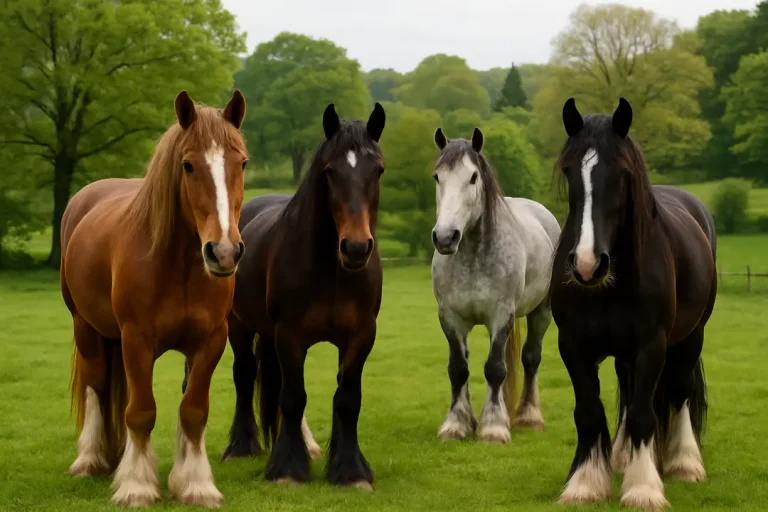
shire horse vet checkups: Essential Guide for Owners
It’s easy to admire the strength and gentle nature of a Shire horse, but keeping one healthy requires more than good stables and feed. Vet checkups are the cornerstone of Shire horse care, yet many owners overlook the subtle signs that mean it’s time for a visit. Things like minor shifts in gait or a slight dulling of the coat often fly under the radar. How do you know when to schedule a checkup before a small issue turns serious?
Routine monitoring of your horse’s vital signs and dental health can catch problems early. By learning to track weight changes, coat condition, and tooth wear, you can plan appointments wisely and avoid big bills. This proactive approach leads to better health and smarter decisions. Understanding these small signals keeps your gentle giant happy and your budget intact.
Why Checkups Matter
Owning a Shire horse means more than enjoying its calm demeanor and impressive size. These gentle giants can hide discomfort well, making regular vet exams crucial. A vet checkup is not just for sickness—it’s a chance to catch early signs of trouble, from joint stiffness to subtle infections.
Without regular exams, small issues can grow into big problems. For example, a minor hoof crack left unchecked can lead to lameness. Early detection saves money, reduces pain, and prevents long recovery times. A five-minute trot-through with a vet can highlight red flags you might miss.
Practical tip: Keep a simple health log. Note your horse’s weight, appetite, and energy level weekly. Compare entries, and share them with your vet at each visit. This record helps track trends and spot unusual changes quickly.
Practical tip: Learn basic vital checks. Pulse, temperature, and respiration are easy to record at home. If any reading falls outside the normal range, schedule a vet call. This habit gives you peace of mind and shows the vet your commitment.
Common Health Issues
Shire horses are hardy, but they face a few breed-specific challenges. Understanding the top concerns helps you know what your vet will look for and why routine checks matter so much.
Here are the most common issues in Shire horses:
- Hoof cracks and abscesses
- Arthritis in hocks and fetlocks
- Dental wear and sharp points
- Equine Metabolic Syndrome (EMS)
- Respiratory infections
Hoof problems often start with a small crack near the white line. Your vet will examine the hoof wall and frog area carefully. Joint pain shows up as reluctance to turn or shortened stride. A hands-on check of each joint can reveal swelling or heat before you notice a limp.
Dental issues are another big one. Shire horses wear their teeth unevenly. Sharp edges can irritate cheeks and tongue. During a checkup, your vet uses special tools to float (file) teeth and reshape any rough spots. Fixing dental issues keeps your horse eating well and prevents weight loss.
Preparing For Visits
A smooth vet visit starts with good preparation. When your vet arrives, you want your horse calm and ready. This saves time and reduces stress for everyone.
- Clean the Stall: A tidy area lets the vet move freely. Remove manure and hazards.
- Gather Records: Have vaccination sheets, health logs, and past exam notes ready.
- Restrain Safely: Use a sturdy halter and lead rope. Ask an assistant to hold the horse if needed.
- Note Behavior: Write down any odd habits, like head tossing or excessive pawing.
- Prepare Medications: If your horse takes daily meds, have them on hand with doses.
Practical tip: Play calm music or chat quietly during exams. A relaxed tone helps your horse stay still. Practical tip: Offer a small treat after the vet finishes. It creates a positive link with the visit and cuts down on fuss.
Vet Checkup Process
Once the basics are set, the vet follows a clear routine. This process uncovers health clues you might miss at home.
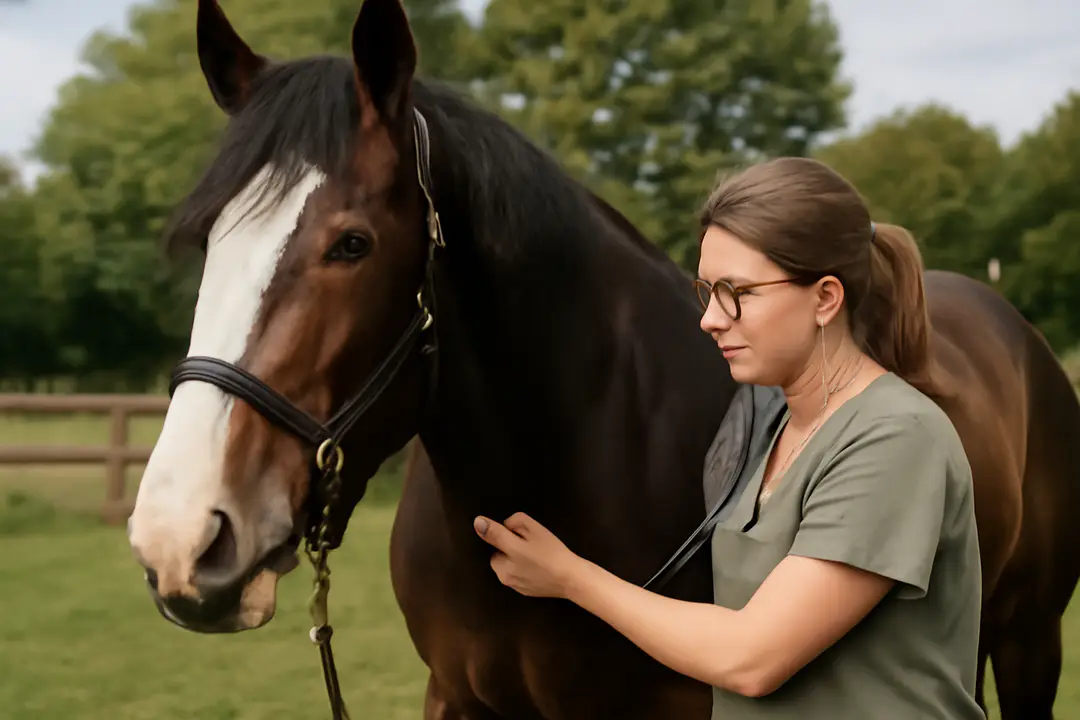
First, the vet takes vital signs. Temperature, pulse, and respiration rate paint a quick picture. Next comes a hands-on exam of joints and hooves. The vet listens to lung and heart sounds, checking for abnormal rhythms or wheezes.
Eyes, ears, and mouth get close attention. Eye clarity, ear response, and dental alignment all matter. Sharp dental points get smoothed, and any oral sores are treated. Then the vet examines the coat and skin. A dull coat can signal nutritional gaps or parasites.
Blood work and fecal tests may follow, based on age and history. These lab results give data on organ function and internal parasites. With this info, your vet offers a health plan tailored to your Shire’s needs.
Practical tip: Ask your vet to demonstrate hoof inspection or tooth floating. Learning the techniques boosts your confidence at home. Practical tip: Take notes during the exam. Record the vet’s advice to review later and share with barn staff.
Post-Checkup Care
After the vet leaves, the real work begins. Follow-up care makes that exam count. Start by updating your health log with exam findings and recommended treatments.
If your vet prescribes medication, set up a clear schedule. Keep doses in labeled containers and mark doses on a calendar. Watch your horse’s appetite and mood for signs of side effects. Call your vet if anything seems off.
Adjust the feeding plan if needed. Your vet may suggest more joint support supplements or changes in hay quality. A well-balanced diet helps recovery and overall health. For detailed feeding tips, see our guide on feeding plan updates.
Check any treated areas daily. Hoof boots or bandages must stay clean and dry. Signs of swelling or discharge mean you should loop back to your vet right away.
Practical tip: Schedule a quick follow-up call in two weeks. A short check-in lets you confirm progress and adjust as needed. Practical tip: Share care notes with anyone else working with your horse, so everyone stays on the same page.
Budgeting Vet Costs
Vet checkups can add up, especially with a large breed like the Shire. Planning your budget reduces surprise bills and keeps care on track. Here’s a quick cost overview:
| Service | Average Cost | Frequency |
|---|---|---|
| Routine Exam | $75 – $125 | Every 6 months |
| Dental Floating | $100 – $200 | Once a year |
| Vaccinations | $50 – $150 | Annually |
| Lab Tests | $40 – $100 | As needed |
To ease the cost, explore insurance options designed for draft breeds. A good policy can cover major procedures and emergency visits. Review coverage details carefully—some plans pay a percentage after a deductible, while others set annual limits.
Knowing your cost breakdown for feed, stabling, and basic care helps balance your budget. Save a small emergency fund for unplanned vet calls. Even $200 set aside each month can smooth out spikes in spending.
Practical tip: Ask your vet about payment plans. Many clinics offer options to spread bills over time. Practical tip: Join a local horse owner group. Bulk buys for vaccinations or dewormers can cut costs for everyone involved.
Finding A Vet
Picking the right vet is as important as routine checkups. A good equine vet understands the unique needs of heavy breeds and has the right equipment. Start by asking fellow Shire owners for recommendations.
Check online reviews and credentials. Look for vets certified in equine dentistry or sports medicine if you plan to show or pull. Visit the clinic to see its facilities. A well-equipped barn, X-ray machine, and clean workspace signal serious investment.
Meet potential vets in person. Gauge how they interact with your horse—do they handle it calmly? Do they explain findings in plain language? Clear communication and a gentle touch make visits smoother.
Finalize your choice by confirming emergency availability. Shire horses can develop issues outside business hours. Knowing you have 24/7 backup reduces stress when urgent care is needed.
Practical tip: Keep your vet’s mobile number in your phone’s favorites. Practical tip: Plan a trial visit—book a simple dental check to test their process before committing to a full annual contract.
Conclusion
Regular vet checkups form the backbone of good Shire horse care. From catching hoof cracks and dental quirks to spotting early joint issues, routine exams protect both your horse and your wallet. By preparing thoroughly, following your vet’s process, and handling post-visit care, you turn each appointment into a stepping stone for lasting health.
Budgeting and insurance planning remove financial stress, while a trusted equine vet ensures quality care. Keep notes, ask questions, and build a team around your gentle giant. That way, you enjoy more calm trail rides, farm work, or simply sharing time with a happy, healthy Shire.
In the end, a little planning and proactive action lead to confident ownership. Your Shire horse deserves the best. Stay attentive, work closely with your vet, and watch your gentle giant thrive for years to come.