Are Shire Horses Friendly: Understanding Their Nature
We’ve all seen those massive shire horses in fields or pulling carts at fairs, and there’s something about them that stops you in your tracks. Yet beyond their impressive size and strength, there’s one quality many people overlook: just how friendly these gentle giants can be. What does it really take to earn the trust of a horse that weighs over a ton?
It turns out that understanding a shire horse’s social nature can make all the difference. By looking at their calm temperament, early training needs, and subtle signals of affection, you’ll see why these horses often become beloved companions. Ready to learn how their friendliness can benefit you and keep surprises at bay?
Temperament and Nature
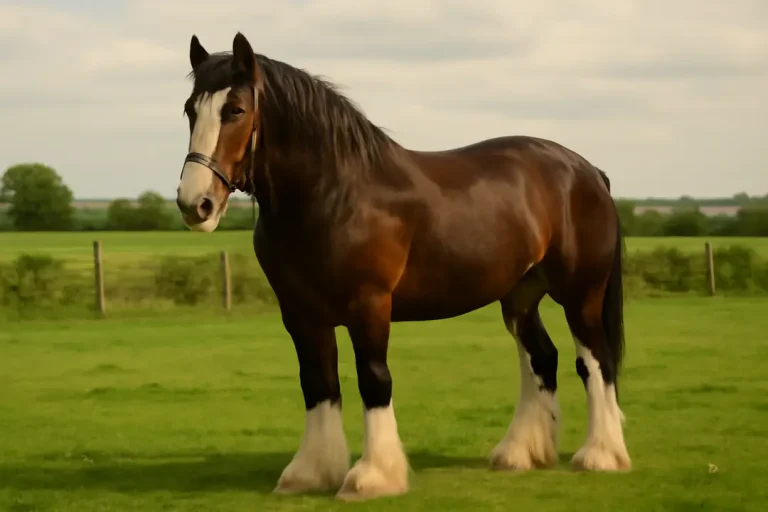
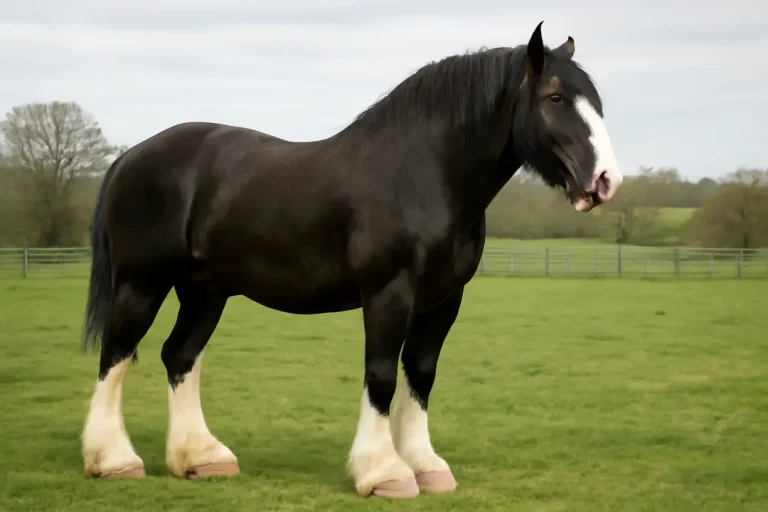
Shire horses are famous for their calm, patient outlook. Despite their size—often standing over 17 hands high—they rarely bolt or act skittish. This steady nature makes them ideal for farms, parades, and novice riders. Their gentle spirit emerges when they’re handled with respect and consistency.
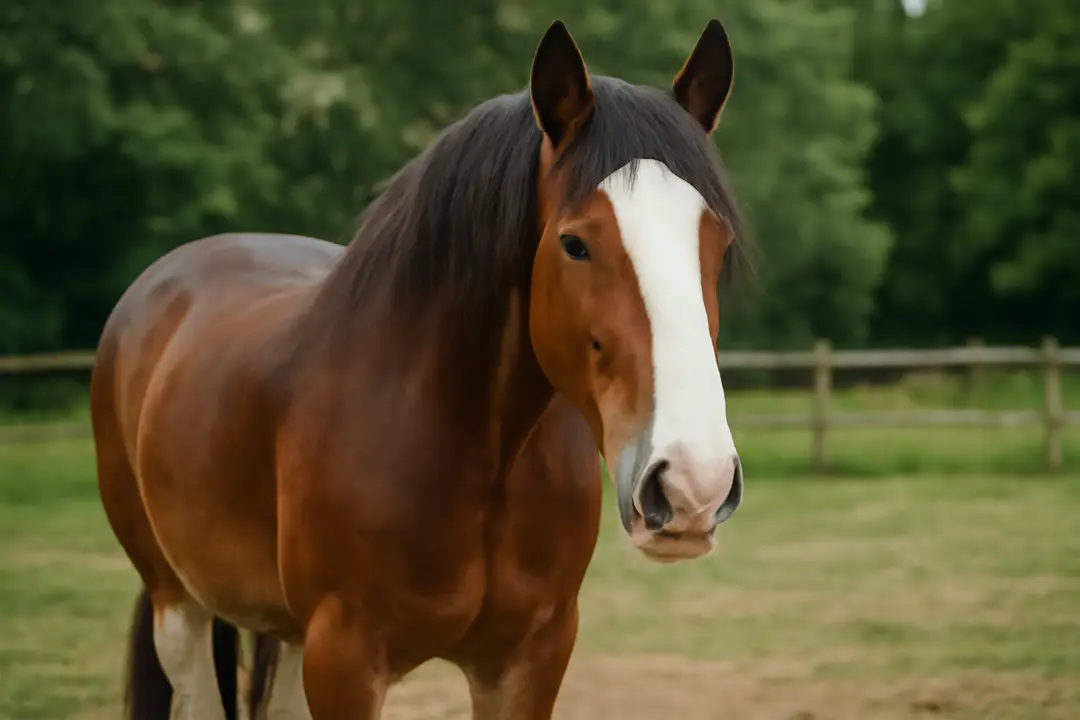
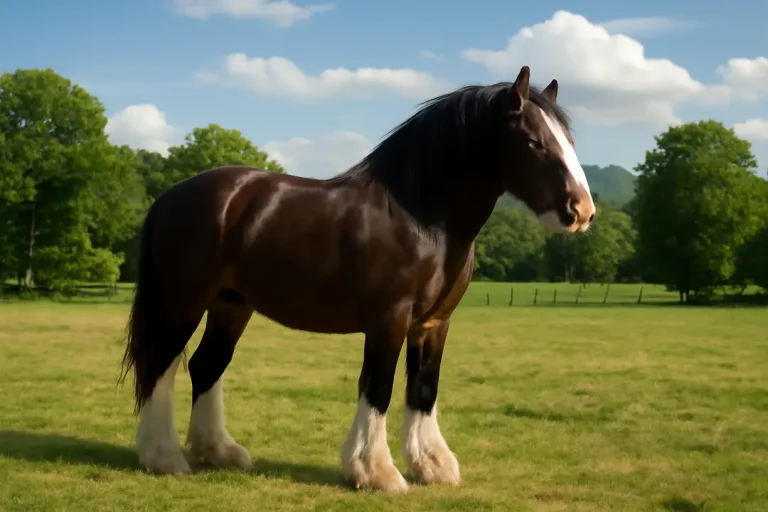
Part of what drives their friendly demeanor is selective breeding. Over centuries, breeders favored horses that were not only powerful but also willing to work alongside humans. Today’s shire horse combines muscle with a laid-back attitude. You’ll spot them often standing quietly in a paddock, ears forward, seemingly ready for a gentle scratch rather than a rigorous workout.
Paying attention to a shire horse’s characteristics helps you anticipate their reactions. They tend to mirror your energy: calm handlers get calm horses. And while each horse has its quirks, most shires respond well to soothing voices, slow movements, and consistent routines. When you bond this way, their friendliness truly shines through.
Early Socialization Matters
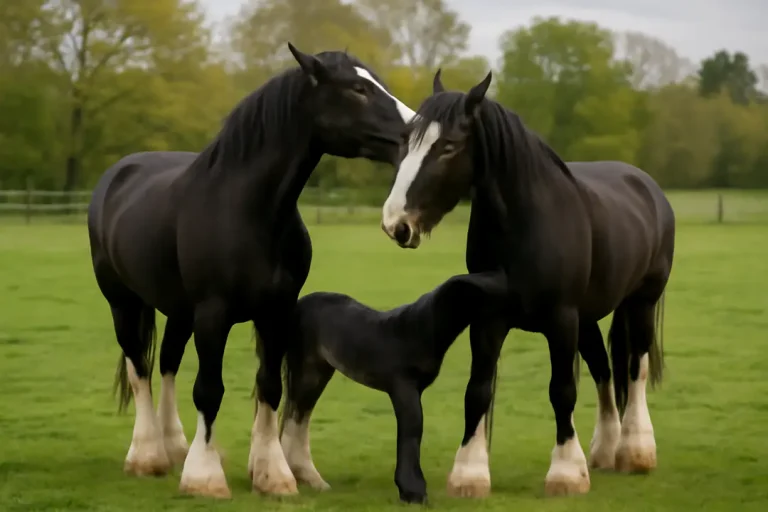
Just like people, horses develop social skills best when young. Introducing shire foals to various sights, sounds, and gentle handling reduces fear later in life. A well-socialized young horse grows into an adult that’s unruffled by new experiences. It’s a key step in building that friendly, trusting bond.
Start by letting foals meet different handlers, walk over simple obstacles, and get used to grooming tools. Short daily sessions—five to ten minutes each—work better than long, sporadic visits. Over time, these encounters become positive memories, teaching the horse that new things aren’t threats.
Understanding how a horse’s early environment shapes its adult attitude links directly to good care. When you follow guidelines for proper handling and training, you tap into their natural willingness to please. A balanced routine of play, exercise, and rest ensures your shire horse’s social skills flourish.
For a deeper dive into breed traits and care tips, check out this comprehensive guide to the shire horse breed, which covers everything from feeding plans to behavioral insights.
Recognizing Friendly Signals
How do you know a shire horse is enjoying your company? They give off clear signs. A relaxed head and soft eyes mean they’re comfortable. Lowered ears—but not pinned back—show curiosity rather than aggression.
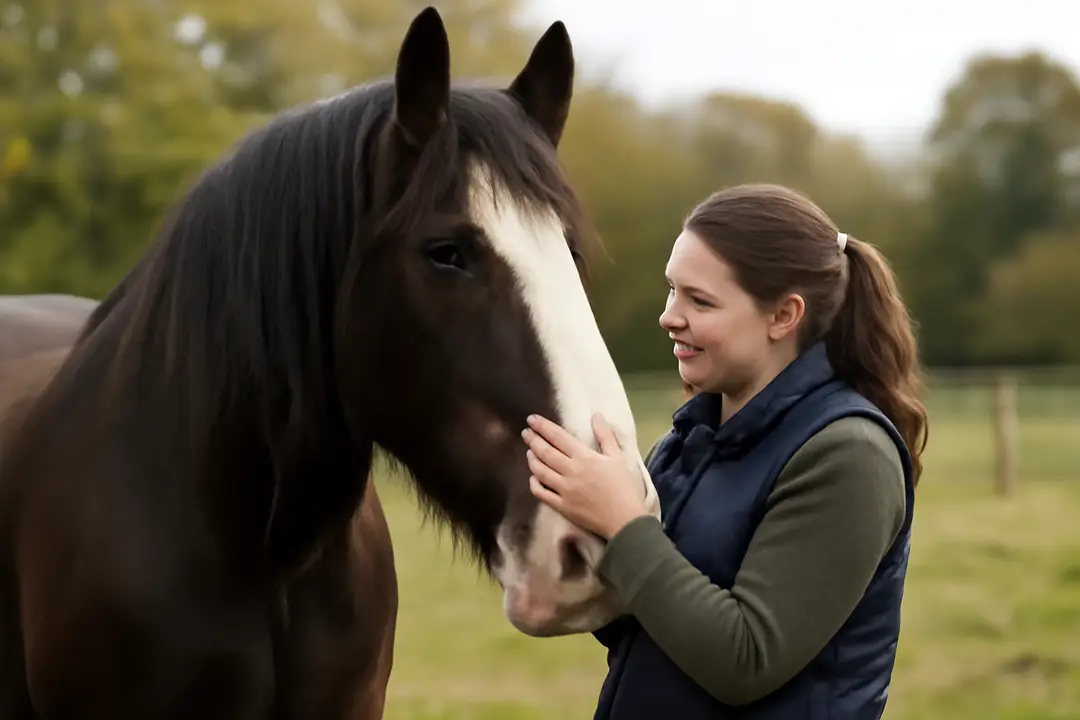
Other friendly cues include gentle nudges with their nose, leaning into your hand during grooming, or following you quietly through a field. Some horses even softly munch hay while you’re nearby—an equine way of saying, “I feel safe with you.”
By paying attention to body language, you avoid misreading a horse’s mood. For instance, a tail swish can mean annoyance, but rhythmic tail flicks often signal contentment. A tucked jaw indicates stress, so look for a loose, swinging jawline in friendly moments.
Keeping notes on each horse’s preferences—like favorite scratching spots or safe distances for new handlers—makes every interaction smoother. These small observations build a relationship that encourages a horse to approach you rather than shy away. It’s a simple recipe for lasting trust.
Building Trust Every Day
Trust isn’t a one-off achievement; it grows with daily routines and positive experiences. Here’s a quick checklist to enhance your bond:

- Consistent Grooming: Spend at least 10 minutes brushing and talking to your horse.
- Gentle Leading: Use a soft halter and short, calm steps in open spaces.
- Reward Good Behavior: A small treat or kind word goes a long way.
- Safe Handling: Always approach from the side, not directly behind.
By following these steps, you create clear communication channels. Horses thrive when they know what to expect. Even a simple daily pat can reinforce that you’re a reliable partner. Over time, your horse begins to anticipate your presence with enthusiasm rather than hesitation.
Remember that setbacks happen. If your horse spooks or acts uneasy, pause and return to basics: grooming and calm talking. This reaffirms safety. Gradually, you’ll see their curiosity and friendliness return stronger than before.
Shire vs Other Breeds
How do shires stack up against other draft breeds in terms of friendliness? Let’s compare them to a well-known cousin, the Clydesdale. While both breeds share gentle natures, some subtle differences emerge.
| Feature | Shire | Clydesdale |
|---|---|---|
| Average Height | 17–18 hands | 16–17 hands |
| Temperament | Calm, steady | Animated, curious |
| Social Needs | Prefers routine | Enjoys variety |
| Ideal For | Heavy work, beginners | Shows, light driving |
Shires often excel in steady work and thrive on clear routines, making them predictable friends. Clydesdales love new tasks and can be more energetic, which sometimes leads to moments of skittishness. Both breeds, when raised right, become outstanding partners.
For owners curious about size specifics, exploring a size comparison can clarify which horse fits your stable best. Friendly or not, matching a horse’s needs to your lifestyle ensures a happy partnership.
Real-Life Friendly Stories
There’s nothing like real stories to highlight a horse’s true nature. Take Rosie, a 4-year-old mare raised on a small farm. Her owner, Jenna, noticed that after just two grooming sessions, Rosie began nuzzling her back every morning. That simple act showed trust and friendship.
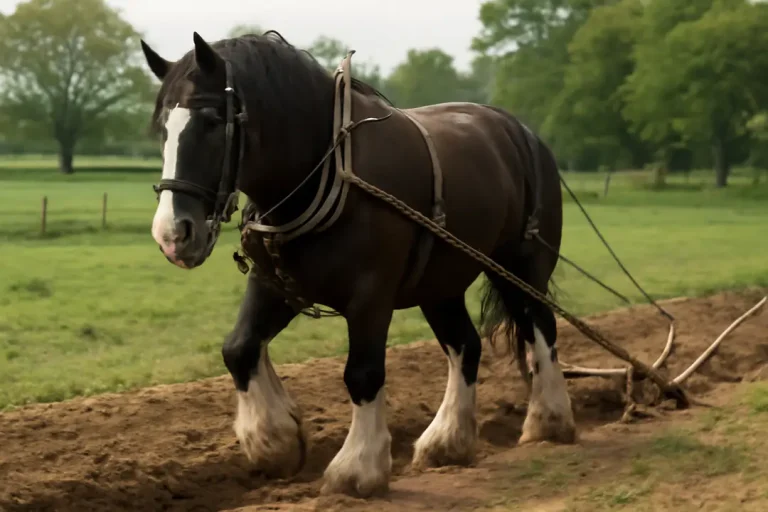
Then there’s Max, a retired plow horse who found new purpose as a therapy horse. His calm presence has soothed anxious children, and he often allows gentle pats and hugs. His trainer credits Max’s early socialization for his adaptability.
These stories remind us why patience and consistency matter. A horse like Rosie or Max isn’t born friendly—they become so through positive interactions and clear boundaries. Your approach shapes their attitude.
So next time you meet a shire horse at a fair or on a farm, remember that behind every gentle gaze is a personality formed by care and respect. And with the right efforts, you’ll find these giants among the friendliest horses around.
Conclusion
Shire horses stand out not just for their size but for their extraordinary friendliness. By understanding their calm temperament, investing in early socialization, and recognizing their body language, you pave the way for a deep, trusting bond. Whether you’re a seasoned equestrian or a newcomer, these gentle giants welcome your company with steady patience.
Daily routines like grooming, safe leading, and positive reinforcement transform shires into lifelong companions. Comparing them to breeds like the Clydesdale shows their unique preference for consistency. Real-life examples further prove that kindness and clear communication bring out the best in these horses.
Ready to build a lasting partnership with a shire? Embrace their nature, follow simple handling steps, and witness how these massive horses reveal their friendly hearts. The journey with a shire horse is one of mutual respect and joy, rewarding every effort you put in.