How Tall Is a Shire Horse in Hands: Detailed Height Guide
Ever wondered why riders and breeders talk about a horse’s height in “hands” instead of feet or centimeters? It matters because this old-school measure gives a quick sense of a horse’s size and suitability for tasks, from pulling carts to carrying riders. One key detail that often slips under the radar is exactly how tall a Shire horse stands when measured this way. Why does that specific number matter when you meet such a gentle giant?
In short, knowing a Shire horse’s height in hands helps you choose the right tack, trailer, or even stable stall. If you know that these massive animals often reach heights well above typical riding horses, you avoid surprises and make informed choices. Let’s look at what that height range really is and how it can guide your decisions.
Understanding Hand Measurement
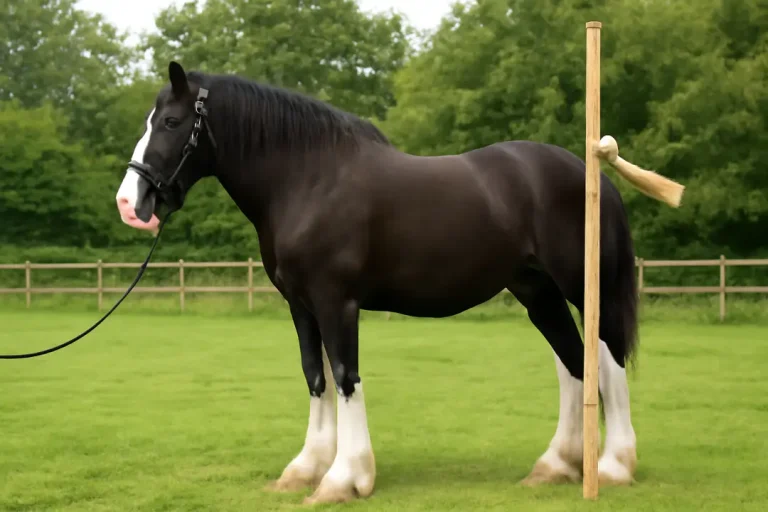
People still use “hands” because it’s a tradition dating back centuries. One hand equals four inches. To measure a horse, you place the measuring stick at its withers—the highest part of the shoulder blades. Then read the number of whole hands and any extra inches.
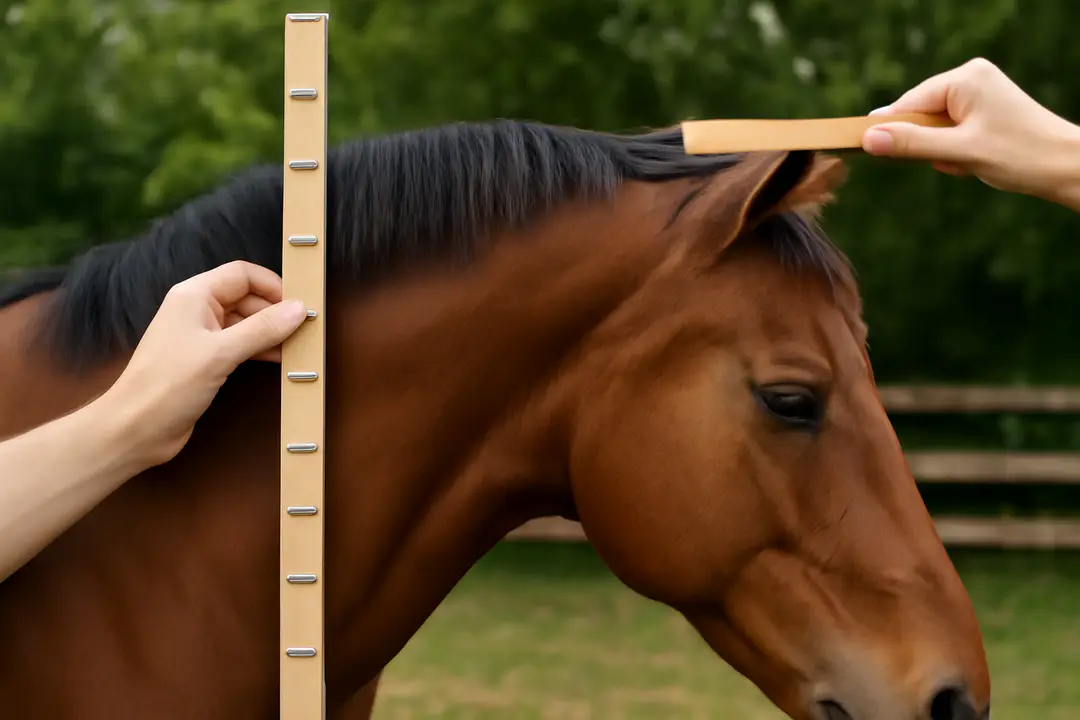
Here’s a simple tip: mark each four-inch segment clearly on your stick. When you measure, align the bottom at the ground and the top at the withers. Record full hands first, then note any extra inches.
This method works for any horse breed. If you keep a small board or stick in your tack room, you won’t need a fancy tool. Over time, you’ll develop a quick eye for estimating heights before you even measure.
Average Shire Height
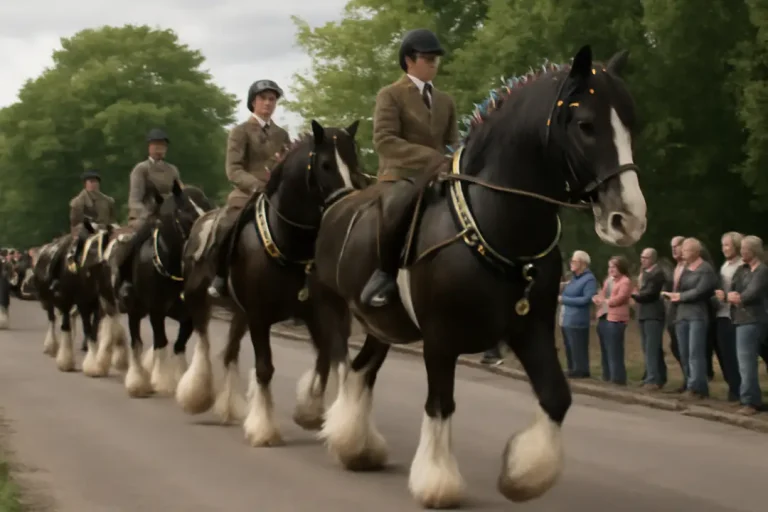
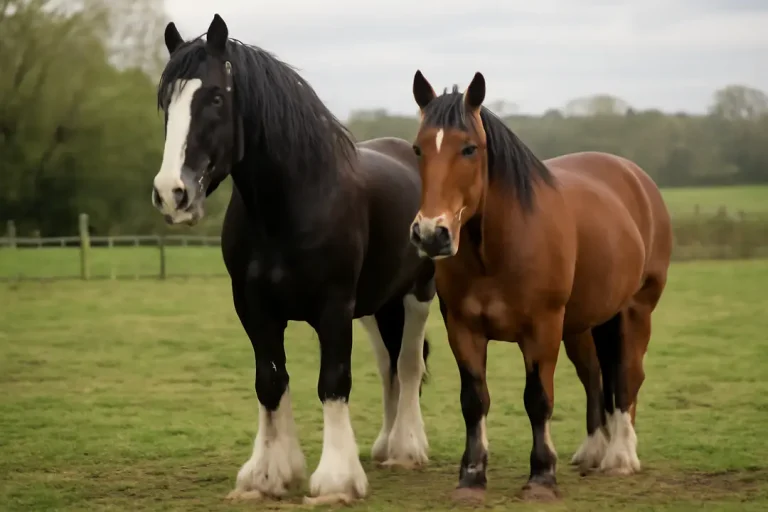
Shire horses are among the tallest horse breeds in the world. On average, they stand between 16 and 17.2 hands high. Stallions often reach the upper end of that range, while mares tend to be closer to 16.2 hands.
- 16.0–16.2 hands: Younger or smaller mares
- 16.2–17.0 hands: Typical adult range
- 17.0–17.2 hands: Large stallions or record breakers
In centimeters, that translates to about 163–178 cm at the withers. When you see a Shire next to a standard riding horse (around 15 hands), its sheer size becomes clear.
Practical tip: weigh the horse’s height against your equipment. Bridles, saddles, and harnesses built for average horses may need adjustments for a Shire. Also, check stall door heights. A 16.2-hand horse needs at least a 7-foot opening to pass comfortably.
For more on how Shires compare to other large breeds, see how they stack up against shire horse vs clydesdale.
Factors Affecting Height
Not every Shire horse reaches the breed’s average height. Several factors influence how tall your individual animal will grow.
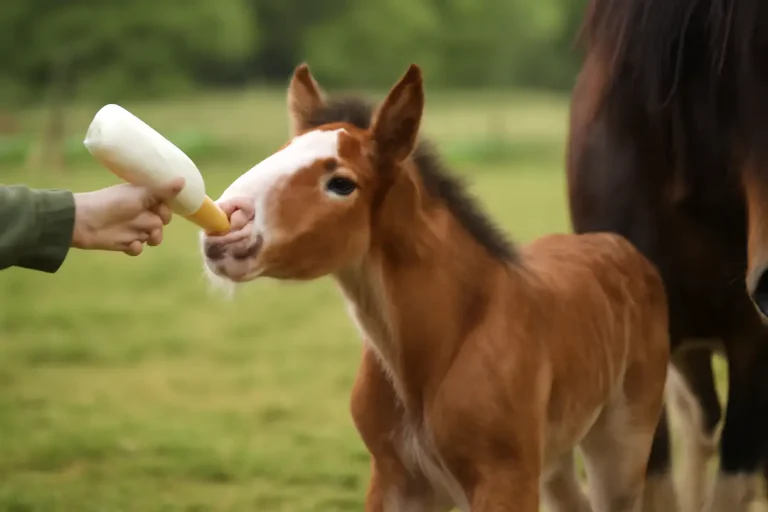
Genetics play a leading role. If both parents stand above 17 hands, their offspring have higher chances of being tall. However, even from tall parents, poor nutrition can stunt growth.
Here are three key factors:
- Nutrition: A balanced diet rich in protein, vitamins, and minerals supports proper bone growth. Young horses fed quality forage and grain meet their height potential.
- Health Care: Regular veterinary check-ups catch issues like parasites or joint problems early. Problems untreated can limit growth.
- Exercise: Turnout in a pasture lets young horses move freely. That natural movement strengthens bones and joints.
Tip: Track height at six-month intervals until the horse is five years old. Use a log or app to note progress. If growth halts prematurely, review diet and vet reports.
Comparing Other Breeds
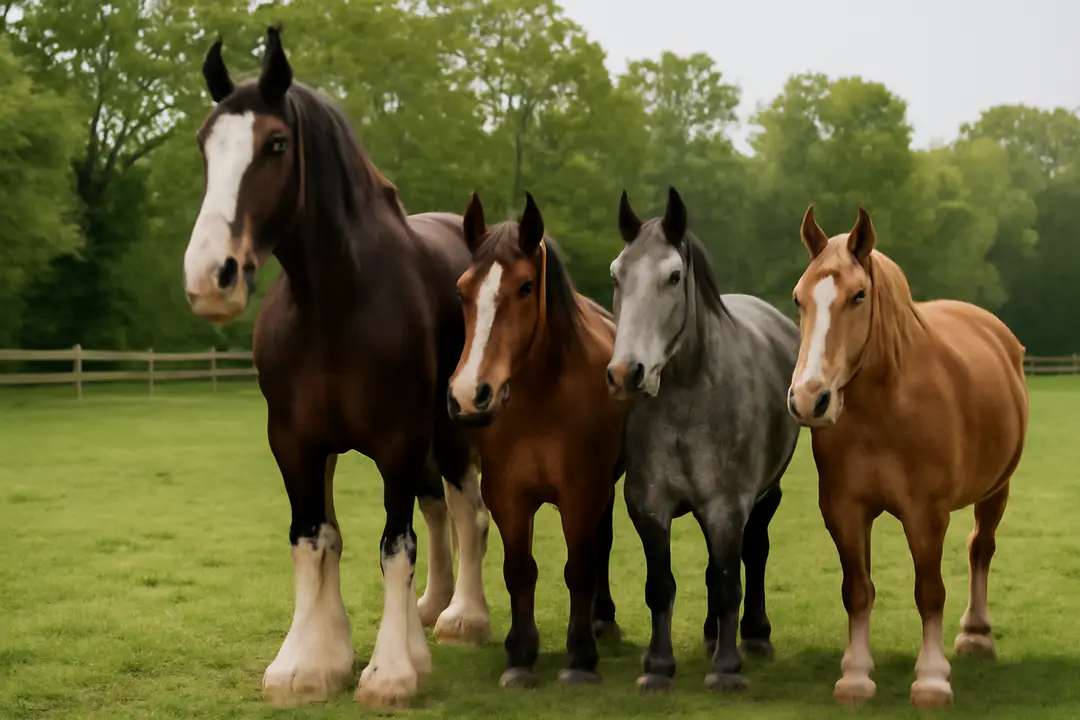
Seeing the Shire alongside other draft breeds highlights just how tall it is. Below is a quick comparison:
| Breed | Average Hands | Centimeters |
|---|---|---|
| Shire | 16.0–17.2 | 163–178 |
| Clydesdale | 16.0–17.0 | 163–173 |
| Percheron | 15.3–17.0 | 160–173 |
| Belgian | 16.0–17.0 | 163–173 |
Noticing that Percherons can be similar in height but often more compact shows why breed choice matters. If you need a slightly shorter draft horse, a Percheron might fit better.
Learn more about Shire comparisons with other heavy horses in the piece on draft horses.
Measuring Your Horse
Ready to measure your own Shire? Follow these steps:
- Gather your tools: a height stick or measuring tape marked in inches and a level.
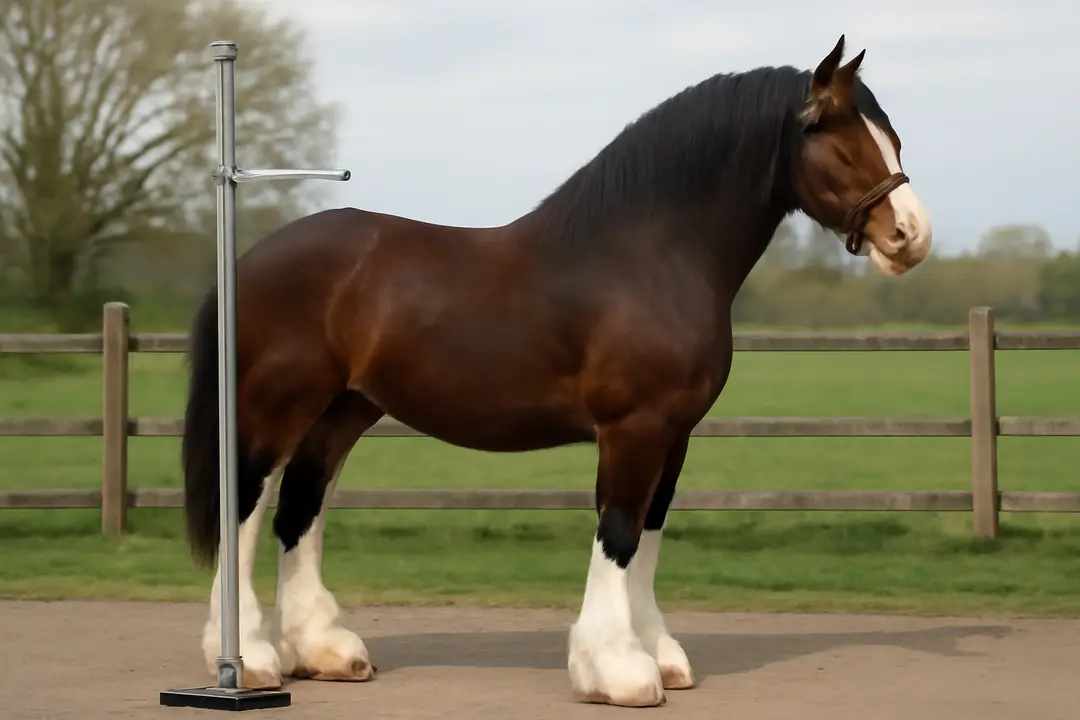
- Lead the horse to a flat, hard surface. Have it stand squarely with weight evenly on all four legs.
- Place the stick at the ground next to the front legs. Ensure it’s vertical using the level.
- Slide the measuring arm so it rests gently on the withers. Make sure it’s parallel to the ground.
- Read off the full hands and any extra inches. Record the number as “hands + inches” (e.g., 16.2).
Tip: Measure at the same time of day to avoid small changes from hoof expansion or contraction.
If you lack a height stick, use a carpenter’s tape measure and a book. Hold the book flat on the withers and measure from the ground to the book’s lower edge.
Importance of Horse Height
Knowing a Shire’s height isn’t just trivia. It affects everyday care and planning. From choosing the right blanket size to trailer height, every detail matters.
Saddle fit is also crucial. A saddle built for a 15-hand horse may slide or pinch on a Shire’s broad back. Consult a saddle fitter experienced with big breeds.
When transporting, a standard 6.5-foot ceiling won’t suffice. You need at least 7.5 feet of clearance. Measure your trailer’s interior height before loading.
Finally, stall dimensions must allow the horse to stand and move comfortably. A 12×12 stall is ideal for most Shire horses to turn safely.
Practical tip: keep a chart of all gear sizes near your tack room door. Note blanket, bridle, halter, and trailer height requirements. It prevents costly mistakes.
Conclusion
A Shire horse’s height in hands—typically between 16 and 17.2 hands—reveals much about its care needs, equipment requirements, and suitability for tasks. By understanding how to measure in hands and what factors affect growth, you can plan feeding, training, and gear selection more confidently. Comparing Shires with other breeds highlights why they stand out among draft horses, helping you match the right animal to your farm or stable.
Measuring steps are simple, but consistency ensures accurate records. Apply height data when buying tack, booking transport, or designing stalls. With this knowledge, you avoid surprises and give these gentle giants the space and support they deserve. Take the time now to measure, record, and plan—your Shire horse will thank you with strength, health, and reliable performance.