Shire Horse Insurance: Coverage, Costs, and Tips
Insuring a beloved Shire horse goes beyond paperwork—it’s a lifeline for both you and your animal companion. We often talk about stable routines and feeding schedules, but we rarely pause to consider how a strong insurance plan can cushion the blow of unexpected vet bills, theft, or accidents. Many owners focus on care and training yet skip digging into coverage details. What happens when illness or injury strikes and you least expect it?
The good news is that understanding the key elements of Shire horse insurance can turn those “what ifs” into manageable concerns. By grasping the ins and outs of policy limits, deductibles, and included services, you can pick a plan that truly fits your horse’s needs. This clarity not only keeps surprises at bay but also empowers you to make smarter choices and protect your animal’s long-term welfare.
Insuring Your Shire
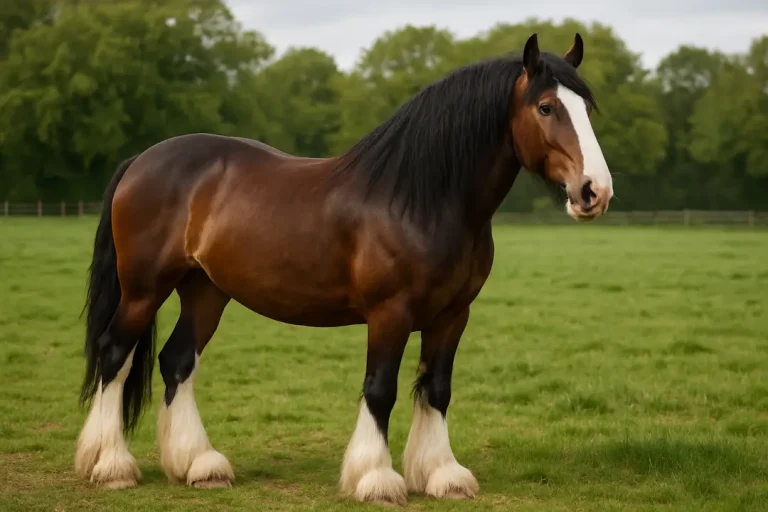
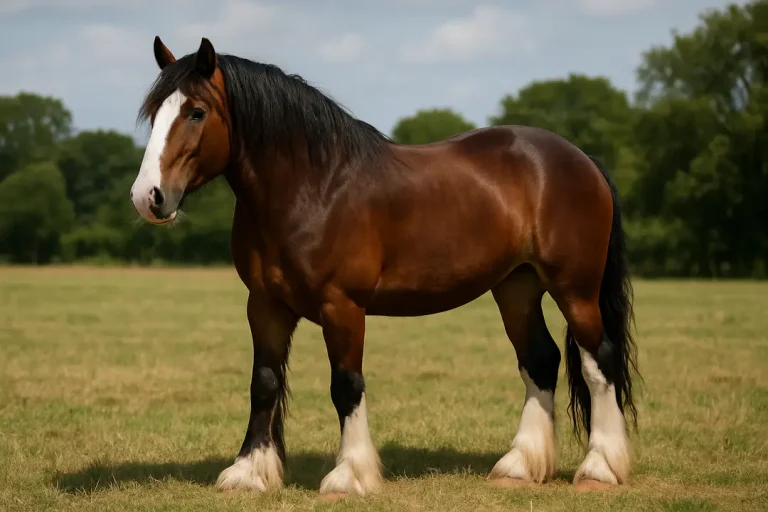
Shire horses are known for their gentle nature and hefty build, but that size and strength come with unique risks. These gentle giants often work on farms or in shows, exposing them to accidents, strains, or equipment mishaps. Insurance becomes essential once you factor in their high market value and the cost of specialized veterinary care.
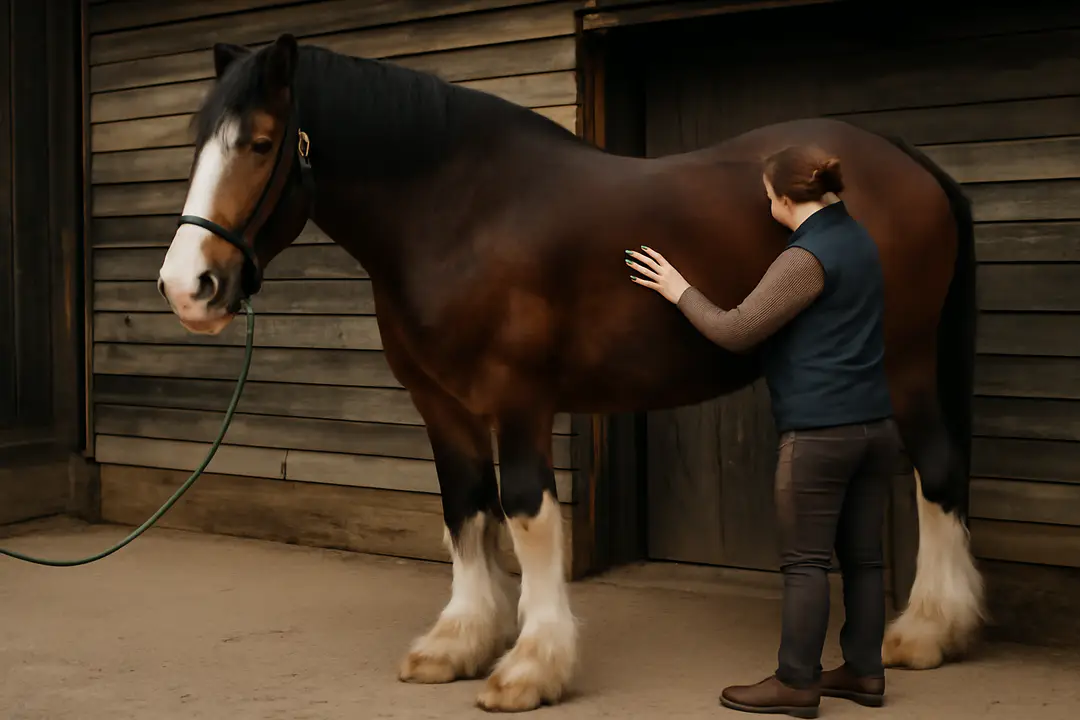
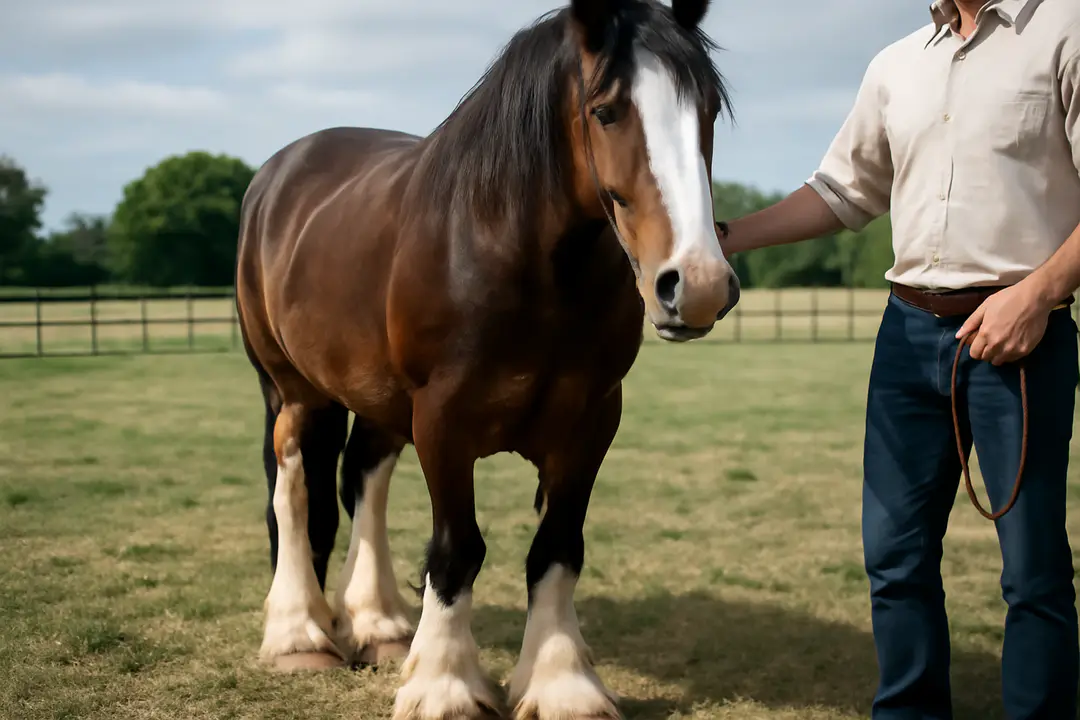
When you start shopping for policies, consider your horse’s age, work type, and daily routines. If you follow a daily care routine that includes regular hoof checks and grooming, highlight that with the insurer. Demonstrating proactive care can lower your premiums and speed up claim approvals.
Next, verify your horse’s market value. A clear valuation report from a reputable appraiser ensures you’re neither under-insuring nor overpaying for coverage. This step helps set accurate mortality and theft limits, so you won’t face coverage gaps if you ever need to file a claim.
Coverage Types
A well-rounded Shire horse insurance policy usually bundles several coverage types. Below are the core categories you’ll encounter:
- Mortality Coverage: Pays the horse’s market or appraised value if it dies from covered causes.
- Theft Protection: Provides a payout if your horse is stolen and not recovered.
- Medical and Surgical: Covers vet bills for injury, illness, surgery, and diagnostics.
- Loss of Use: Compensates you if your horse can no longer perform its intended work.
- Liability Insurance: Protects you financially if someone is injured by your horse.
Some insurers also offer optional add-ons like infertility coverage or quarantine expenses. When choosing, compare policy limits, waiting periods, and sub-limits. A lower deductible can lead to higher premiums, but it means you’ll pay less out of pocket in an emergency. Always read the policy wording to spot any exclusions—common ones include pre-existing conditions or certain performance activities.
Premium Cost Factors
Your Shire horse insurance premium reflects a mix of risk factors. First, age plays a big role—foals and senior horses often cost more to insure. Young horses may have undeveloped immune systems, while older animals face age-related health issues. Next, breed and bloodlines can affect rates. Shires with show records or rare lineage might carry higher values, pushing premiums upward.
Use is another key element. A Shire used for light pleasure riding will face lower rates than one involved in heavy farm labor or pulling heavy loads. Insurers assess the chance of injury based on the activities you declare. Training level and experience of the handler matter too—an experienced owner who follows a vet-recommended health plan signals lower risk.
Geographic location can’t be ignored. Areas with high vet costs or frequent severe weather may have elevated premiums. Before you buy, ask for a breakdown of how each factor influences your quote. If certain elements seem unfair, request adjustments or shop around. Many providers will tailor plans if you bundle multiple horses or combine with other equine policies.
Finding Insurers
Not all insurance companies treat Shire horses the same way. Specialist equine insurers usually understand draft breeds better than general farm insurers. Start by asking fellow Shire owners or local equestrian associations for recommendations. Personal referrals often reveal real experiences with claims handling and customer service.

Next, verify the insurer’s reputation. Look up customer reviews, ratings from independent agencies, and any legal complaints. A history of fast claim settlement is a real perk. Then request sample policy documents. Reading detailed policy wording—rather than marketing summaries—will expose hidden fees or restrictive clauses.
When you’re ready to compare quotes, use the same base data: your horse’s age, value, and use. That way, you’ll see apples-to-apples differences in cost and coverage. Don’t hesitate to ask insurers about discounts for multi-horse policies or loyalty incentives. Small savings can add up when you insure a stable full of draft animals.
Filing a Claim
No one wants to face an emergency, but knowing the claim steps in advance can ease stress. First, notify your insurer as soon as an incident occurs. Most policies require written notice within a set time frame—often 30 days. Include basic details: date, cause, and estimated losses.
Next, gather documentation. For a vet claim, you’ll need detailed invoices, medical records, and possibly the vet’s report. If it’s a theft claim, secure a police report and theft affidavit. Always keep digital and paper copies in case something gets misplaced.
Once you submit the paperwork, track your claim status. Many insurers offer online portals or dedicated adjusters who update you regularly. If you hit a roadblock, escalate politely. Ask for a clear explanation of any denial or delay, and follow the appeal process if needed. Transparent communication often speeds resolution.
Risk Management
Insurance works best alongside solid risk management. Start by scheduling routine veterinary checkups and vaccinations. Early detection of health issues cuts down on major medical bills and may keep premiums lower. Equally important is proper shelter and footing—wet or uneven ground can cause slips or hoof problems.
Invest in safe equipment like well-maintained harnesses and collars if you use your Shire for farm work. Regular tack inspections prevent accidents that could lead to costly vet visits or liability claims. Train both horse and handler in safe loading, unloading, and hitching practices.
Finally, document your horse’s health and training history. A simple log with dates and treatments shows insurers you’re serious about care. This record can come in handy during underwriting or claim review, proving that you’ve minimized risks through proactive management.
Policy Comparison
| Feature | Basic Plan | Standard Plan | Premium Plan |
|---|---|---|---|
| Mortality Limit | $10,000 | $25,000 | $50,000 |
| Vet Fees Coverage | $5,000/year | $10,000/year | $20,000/year |
| Deductible | $500 | $300 | $100 |
| Theft Protection | Not Included | $10,000 | $25,000 |
| Loss of Use | Not Included | 50% Value | 100% Value |
This table highlights how coverage limits, deductibles, and extra options change with each plan. If your Shire horse’s appraised value sits around $30,000, the Standard Plan might balance cost and protection. For higher-valued or performance animals, the Premium Plan offers broader safety nets.
Conclusion
Securing Shire horse insurance is about more than meeting farm requirements—it’s about peace of mind. Understanding coverage types, premium drivers, and claim protocols keeps you in control when unexpected events occur. By combining a solid policy with disciplined risk management, you protect both your investment and your equine partner’s welfare.
When you assess insurers, dig into policy wording, compare quotes, and check reviews. Keeping thorough care logs and getting accurate appraisals ensures your coverage matches real needs. With these steps, you’ll face fewer surprises and enjoy more time focusing on the bond between you and your gentle giant.
Take action today: review your current plan, compare quotes, and talk to a specialist who knows draft horses. Your Shire deserves the best protection, and you deserve the confidence that comes with thoughtful coverage.