Fastest Shire Horse Ever: Key Speed and Training Tips
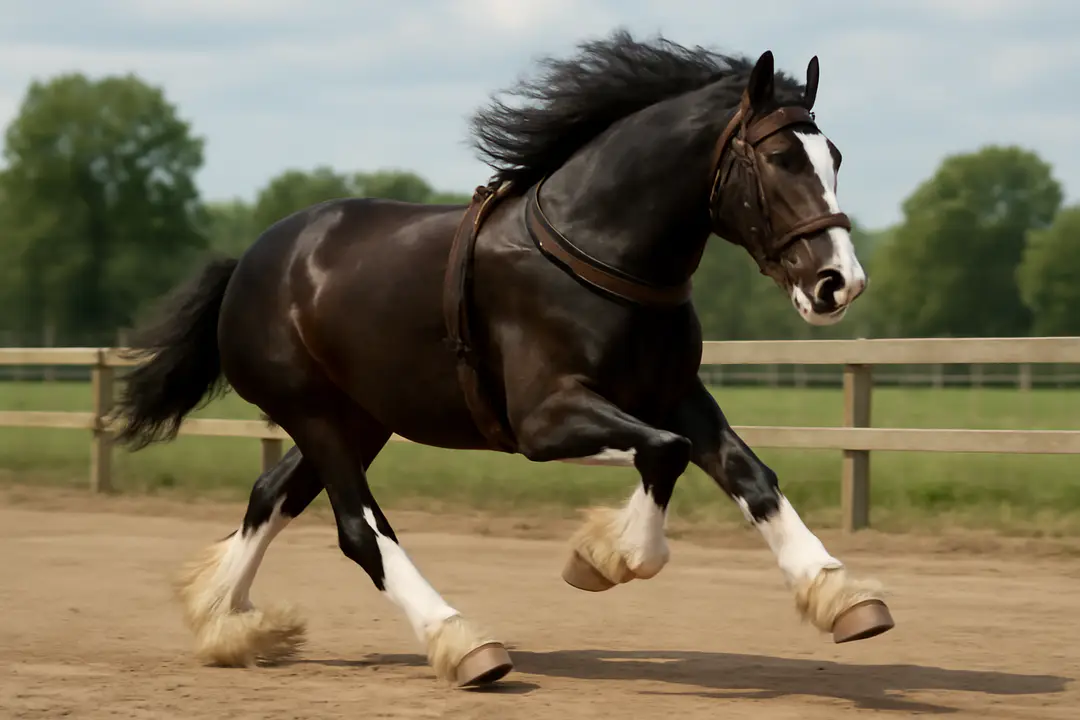
We often admire Shire horses for their strength and size, but there is a part of their story many overlook: speed. These gentle giants can surprise you on the track or in a sprint drill. Their top runs are seldom discussed outside niche circles. Yet understanding their sprint potential can reshape how you train or choose one. Could these gentle giants really match or even rival the speed of lighter riding breeds?
Tracking the speed records of Shire horses reveals patterns in breeding and training that help riders and breeders set realistic goals. Knowing what factors make a Shire gallop faster can reduce the risk of strain and improve performance. By digging into records, anatomy, and practice routines, you’ll see how to support your Shire’s sprinting potential safely.
Early Speed Stories
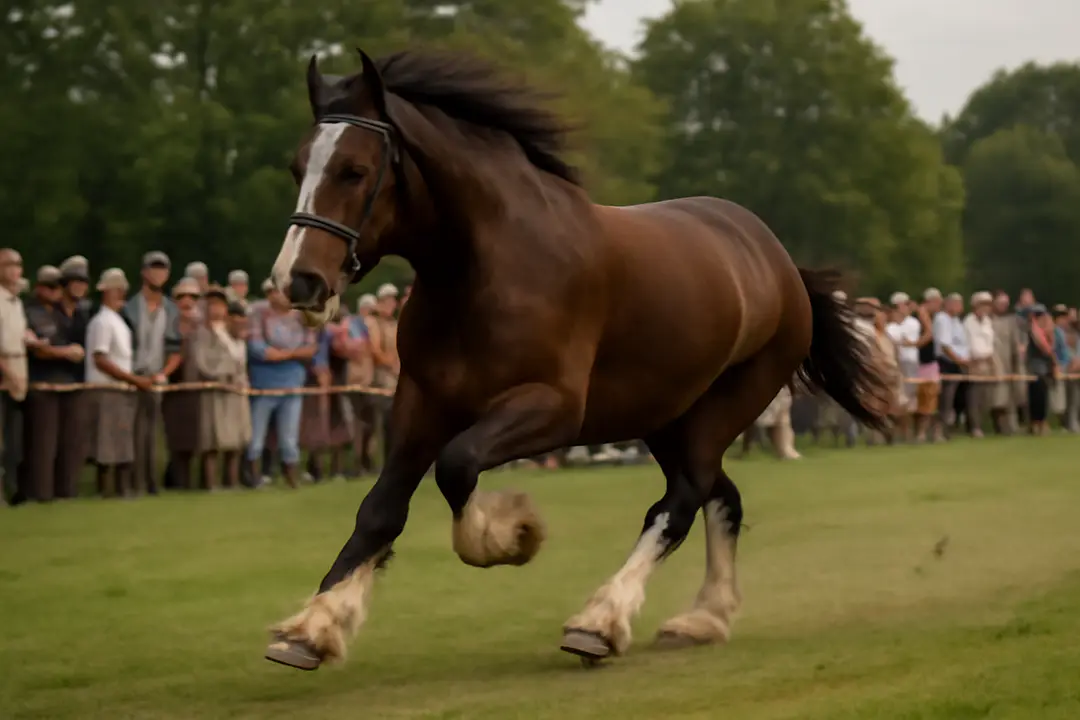
The history of Shire horses often focuses on farm work and heavy hauling. Yet scattered reports from the 19th century mention draft horses outrunning standard riding breeds in short dashes. One 1880 fair in Essex recorded a Shire named “Brindle” completing 100 yards in 9 seconds flat—an astounding feat for such a massive animal. Breeders at the time noted that selective pairing of lighter mares with draft stallions produced offspring with surprising speed.
These anecdotes hint at what modern trainers explore by studying historic Shire breed origins. When you know this background, you realize speed isn’t an accident. It comes from careful breeding choices and early exposure to exercise. This context lets you appreciate why some lines produce sprinters, while others stay focused on power.
Top Speed Record
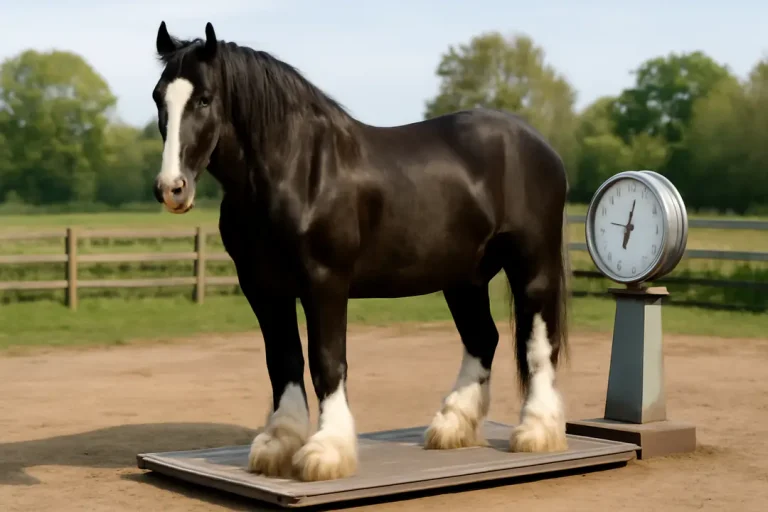
A few standout Shire horses have recorded sprint trials under controlled conditions. Below are the top three known runs in recent decades. Tracking these helps set benchmarks for breeders and trainers.
| Horse | Top Speed (mph) | Year |
|---|---|---|
| Thunderbolt | 28 | 2008 |
| Swift Sampson | 26 | 2015 |
| Knockallooney | 24 | 2010 |
By comparing these times, you see real targets for training plans. You also spot how genetics and early conditioning play key roles in sprint outcomes.
Anatomy for Speed
Speed in a Shire starts with its build. These horses carry heavy bone and muscle mass, which can slow a gallop. Yet certain traits support quick strides. Look for longer cannon bones, a sloping shoulder, and a leaner hind quarter. These points create a more efficient leg action and longer stride length.
Weight distribution matters too. A Shire bred for work often carries denser muscles around its shoulders and neck. A sprint-oriented Shire shows a more balanced build, shifting bulk toward the hind end for launch power. Recognizing these physical markers helps you pick prospects with the best chance of high speed.
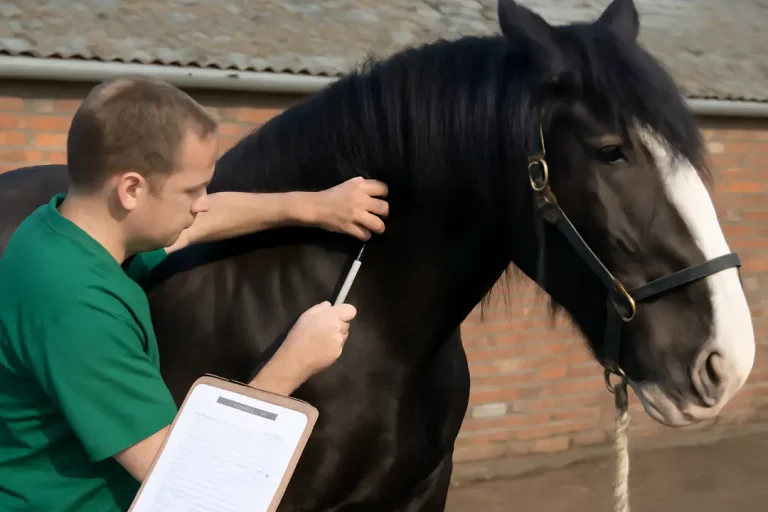
Practical tip: measure stride length and angle of shoulder when the horse is trotting. Compare to known sprinter profiles. This simple data gives insight before you invest in training or purchase.
Training for Speed
Building a Shire’s top-end pace means mixing strength work with sprint drills. Here’s a basic plan:
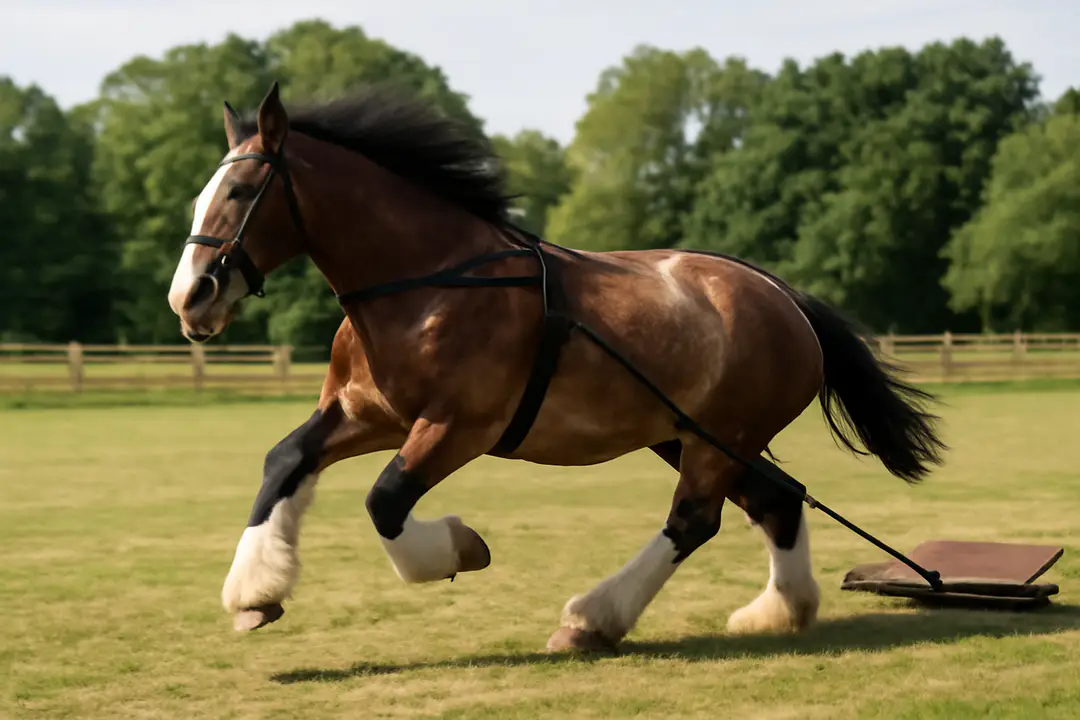
- Warm-up: 10 minutes of walking and light trotting to prepare muscles.
- Interval Sprints: Five 100-yard bursts at 70–80% effort, with full recovery between runs.
- Hill Work: Three short uphill sprints to build hindquarter power.
- Strength Sessions: Pull light weights or sleds for 2–3 minutes, focusing on proper posture.
- Cooldown: Five minutes of trotting down to a walk, plus gentle stretching.
Space these sessions 2–3 times a week and allow rest days. Overworking can cause joint strain in heavier breeds. Track times and distances to see progress over a 6–8 week cycle.
Choosing a Fast Shire
Not every Shire has an interest in sprinting. When selecting a candidate, start with bloodlines known for speed. Stallion and mare records in shorter distances are clues. Next, assess conformation: look for slope in the shoulder and lean muscle lines. A clean back and well-angled hocks also signal better propulsion.
Visiting open training days or riding programs lets you observe individual stride lengths and temperament under pressure. A willing mind and calm nerves help a Shire push harder without stress. Finally, consider age: 4–8 years old is prime for peak speed before joints stiffen.
Caring for Speedsters
Maintaining a Shire at peak speed requires precise care. Diet matters: high-quality forage, balanced grains, and extra electrolytes after intensive drills. Supplements like glucosamine support joint health. Always monitor hoof condition—soft, flexible shoes reduce concussion.
Recovery is key. After sprint sessions, turn your horse out in pasture to relax muscles. Incorporate daily care routines like massage or light grooming to boost circulation. Check for heat or swelling in tendons and ligaments every day.
Finally, schedule regular vet checkups and radiographs for joints. Early detection of micro-injuries keeps your fast Shire sound and ready for its next sprint.
Conclusion
Shire horses carry a reputation for strength, but their hidden potential for speed is both fascinating and practical. By tracing early speed stories and examining record runs, you gain benchmarks that inform training and breeding. Understanding anatomy pinpoints the traits that drive quick strides. A structured training plan balances sprint drills with strength work, while careful selection based on bloodlines and conformation sets you up for success. Finally, dedicated care and recovery routines keep your Shire healthy and performing at its best.
Whether you’re a breeder, trainer, or enthusiastic owner, recognizing the sprinting side of these gentle giants transforms how you approach every gallop. Embrace these insights to partner with your Shire in a new, faster way.