Shire Horse Pulling Competitions: History, Tips & Gear
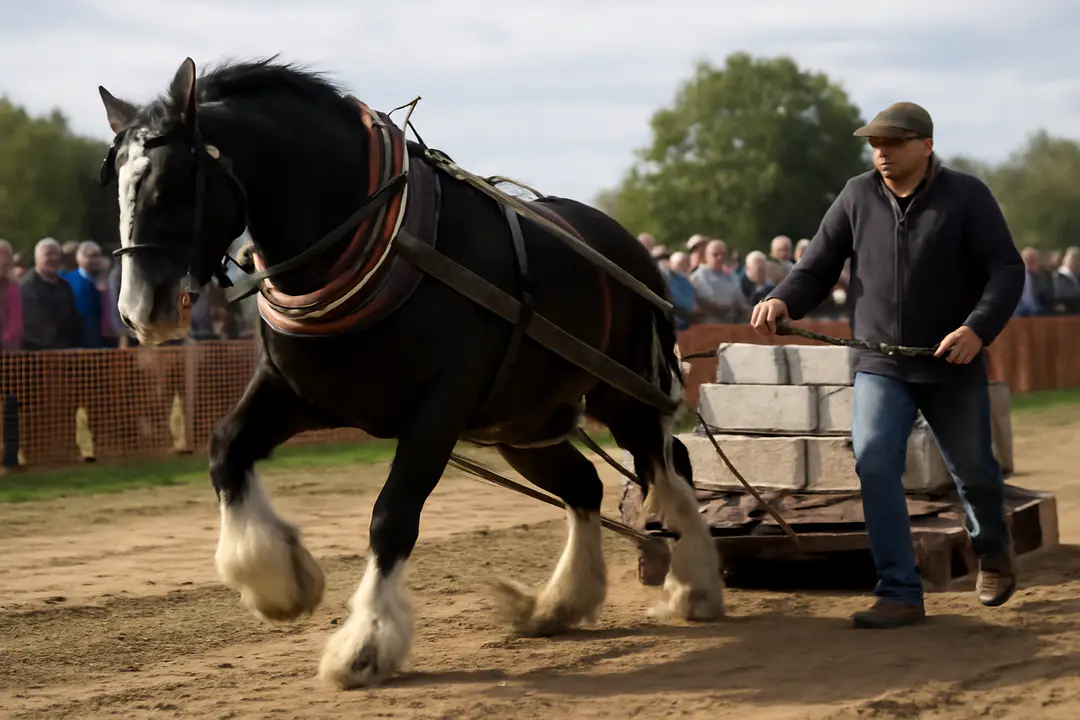
Shire horse pulling competitions bring together heritage, strength, and teamwork in a thrilling display. Yet beneath the roar of the crowd, many forget how crucial the judging criteria really are. We often focus on raw power and overlook the subtle role of teamwork and form. How exactly do judges balance brute force with elegance and coordination?
Judges use a detailed scoring system that weighs strength, style, and harmony within the team. Understanding these metrics helps handlers tailor their training and avoid sudden penalties. By grasping how each element is scored, you can prepare smarter, enter with confidence, and dodge surprises on contest day.
History and Heritage
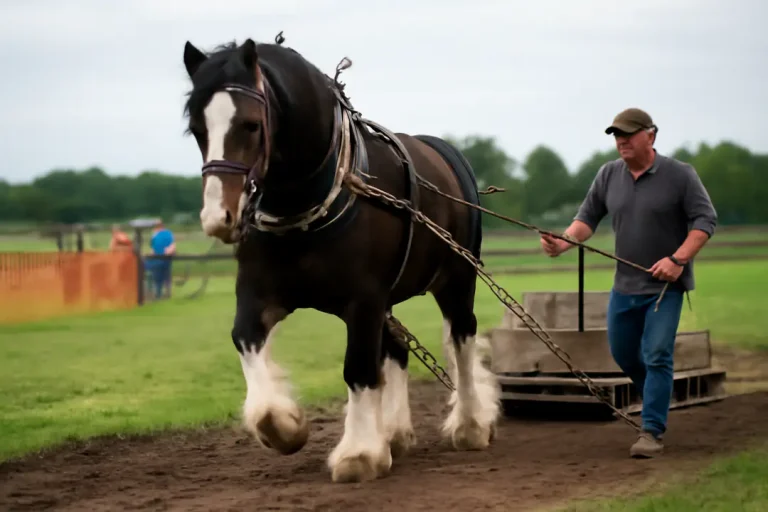
Shire horses trace back to medieval England, where they worked in farms and pulled heavy loads. By the 19th century, farmers held informal contests to see whose team could move the heaviest cart. These contests laid the groundwork for modern pulling competitions.
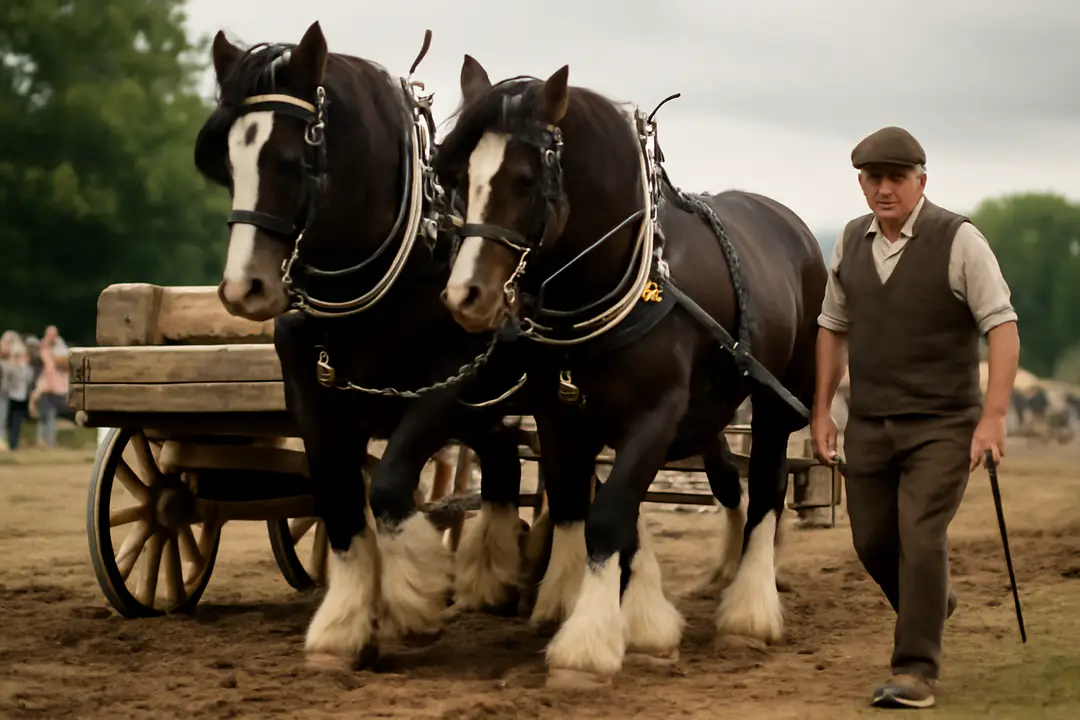
Today’s events still honor that legacy. Organizers often invite breeders to showcase top bloodlines. You’ll see teams hitched in polished harnesses, just as farmers did centuries ago. Understanding this heritage can deepen your appreciation. Visit classic fairs to watch early demonstrations and feel the tradition.
Practical Tip: If you’re new, start by attending local fairs. Talk with long-time handlers. They often share rules, tactics, and old stories.
Looking at old photos or manuscripts can also spark ideas for your own team’s presentation. By knowing where this sport began, you build respect in the community and set a strong foundation for your future entries.
Competition Structure
Most pulling events follow similar class rules based on team size and weight. Rookies may start in lighter classes, moving up as they gain experience. Here’s a quick view of common divisions:
| Class | Team Size | Weight Limit |
|---|---|---|
| Novice | 2 Horses | 2,000 lbs |
| Intermediate | 4 Horses | 4,500 lbs |
| Open | 6 Horses | 7,000 lbs |
Each class demands precise teamwork and pacing. Before you enter, check your team’s strength. Be sure you don’t exceed the maximum pulling capacity of your horses.
Practical Tip: Always weigh and record each tractor or sled load. Bring a proven scale or ask organizers for equipment. Weighing accurately prevents disqualification and keeps your horses safe.
Training and Preparation
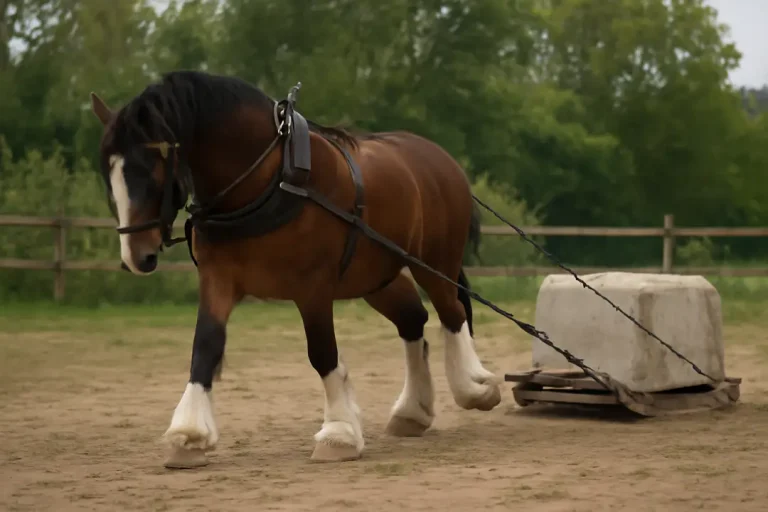
Effective training blends conditioning, skill work, and rest. Begin with short walks in harness, then slowly add weights. Over weeks, let your team pull heavier sleds for short distances. Pay attention to each horse’s gait and comfort.
Use a focused regimen that builds stamina without causing strain. Here’s a sample weekly plan:
- Monday: Warm-up, light harness walk, stretching
- Wednesday: Weight pull at half contest load, 100-yard distance
- Friday: Team coordination drills, obstacle navigation
- Sunday: Rest and light turnout
Always monitor hoof health and muscle soreness. Work with a farrier and vet to spot issues early. Adjust training intensity if you notice fatigue or stiffness.
Practical Tip: Keep a training journal. Note load weights, distances, weather conditions, and horse reactions. Reviewing this log helps you tweak workouts and peaks performance on contest day.
Gear and Equipment
Having the right harness, sled, and safety gear matters as much as horse power. You need well-fitting harnesses, a sturdy pulling sled, and protective boots for your horses. Poor gear can cost points or cause injuries.
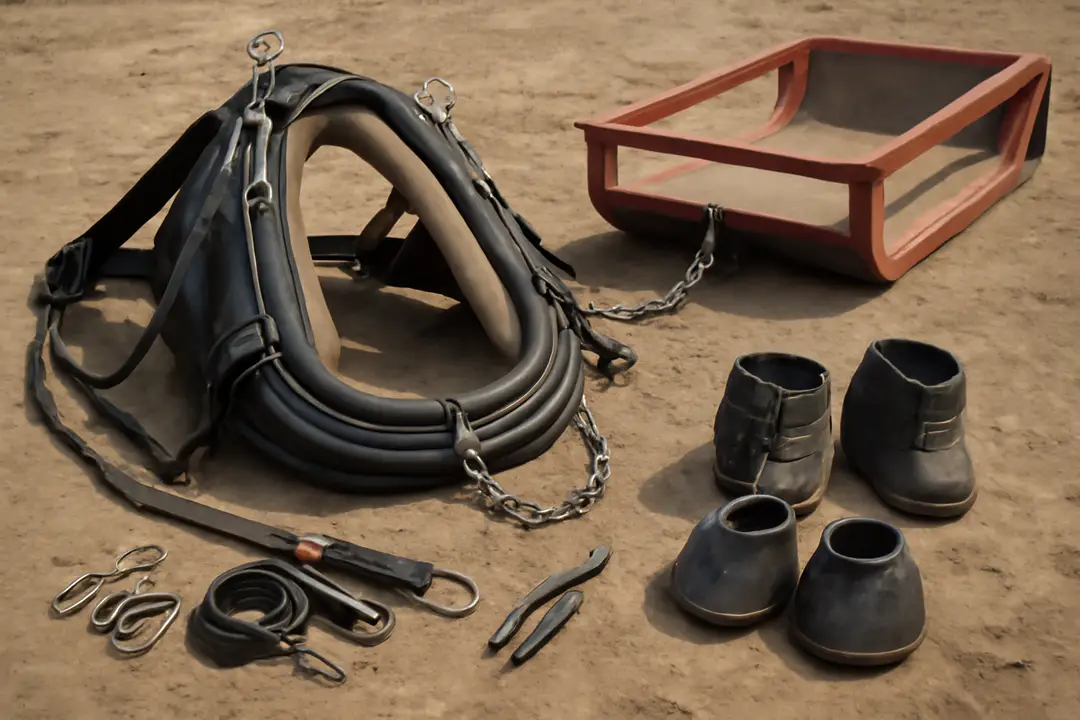
Essential items include:
- Quality leather harness with padded collars
- Adjustable traces and chains
- Reinforced pulling sled or cart
- Protective leg boots and bell boots
- Spare buckles, straps, and tools
Refer to the detailed breed care guide when selecting materials. Match gear weight to your event class and team size.
Practical Tip: Before each meet, inspect every buckle, strap, and stitch. A single broken trace can end your run. Pack spares for quick field repairs.
Always clean and oil leather parts after use. Dry harnesses properly to avoid cracks and ensure longevity.
Judging and Scoring
Judges assess both raw power and team harmony. Points are awarded for how far the sled moves and how smoothly horses pull. Form, harness fit, and breakaway recovery also count.
Common judging factors:
Strength: Distance moved under full load.
Form: Horses’ heads, neck carriage, and stride rhythm.
Teamwork: Synchronization and response to commands.
Equipment Fit: Proper harness tension and alignment.
Scores combine these elements to give a final mark out of 100. Missing unity or poor gear can lower scores even with top strength. Ask judges for feedback sheets to learn your weak spots.
Practical Tip: Watch a few teams before you compete. Note how high scorers move in unison. Pay attention to how judges comment on form in live events.
Understanding the scoring lets you prioritize training goals. You might focus more on coordination drills or harness adjustments based on past feedback.
Tips for Success
Success in pulling competitions isn’t just about horsepower—it’s about strategy. Scout the venue early to note ground conditions. Firmer turf offers less slip but demands more power. Soft ground cushions hooves but slows your run.
Nutrition also plays a key role. Feed quality hay and balanced grain. Provide electrolytes in hot weather. Monitor water intake closely during travel and competition days.
On event day, warm up slowly. A five-minute walk in harness followed by light stretching prepares muscles and joints. Keep horses calm with steady hand signals and minimal noise.
When lining up, recheck harness adjustments. An ounce of slack at the start can cause big delays once the sled moves.
Practical Tip: Build a small toolkit with hoof picks, hoof boots, extra lines, and a water spray bottle. Being prepared for mud or hoof chips can save precious time.
Stay flexible. If your team struggles under heavy loads, reduce weight and focus on a smooth clean pull. A flawless light run often beats a flawed heavy one.
Conclusion
Shire horse pulling competitions blend tradition, strength, and precision. From understanding heritage to mastering judging criteria, every step matters. Proper training, reliable gear, and strategic planning turn raw power into winning performances.
As you dive into this sport, always respect your horses’ well-being. Track conditioning, inspect equipment, and refine your teamwork. Over time, you’ll see improvement in scores and confidence on the line.
Whether you’re a newcomer or a seasoned handler, keeping an eye on details prevents surprises. Embrace the long history of these gentle giants and let their spirit guide your team forward. Get ready to pull together, learn from each show, and celebrate every success on this rewarding journey.