Shire Horse Origin: Medieval Roots & Modern Impact
We all marvel at the Shire horse’s massive stature and gentle nature. Yet most people overlook where this gentle giant first took shape. The real story of the Shire horse origin lies not in modern farms but in centuries-old English fields and monasteries. How did these horses grow so powerful and beloved in rural life?
The answer traces back to medieval England, when local mares were crossed with draft stock from Europe. Exploring these early breeding choices shows why Shires excelled at heavy work and won hearts worldwide. Understanding this origin helps owners choose the right care and appreciate the breed’s strengths, preventing surprises in their training and maintenance.
Medieval Shire Origins
In medieval England, monasteries and manors needed strong horses for plowing heavy clay soil. Breeders crossed native mares with larger stallions from Flanders and Normandy. This mix gave rise to tall, muscular horses that could pull big loads.
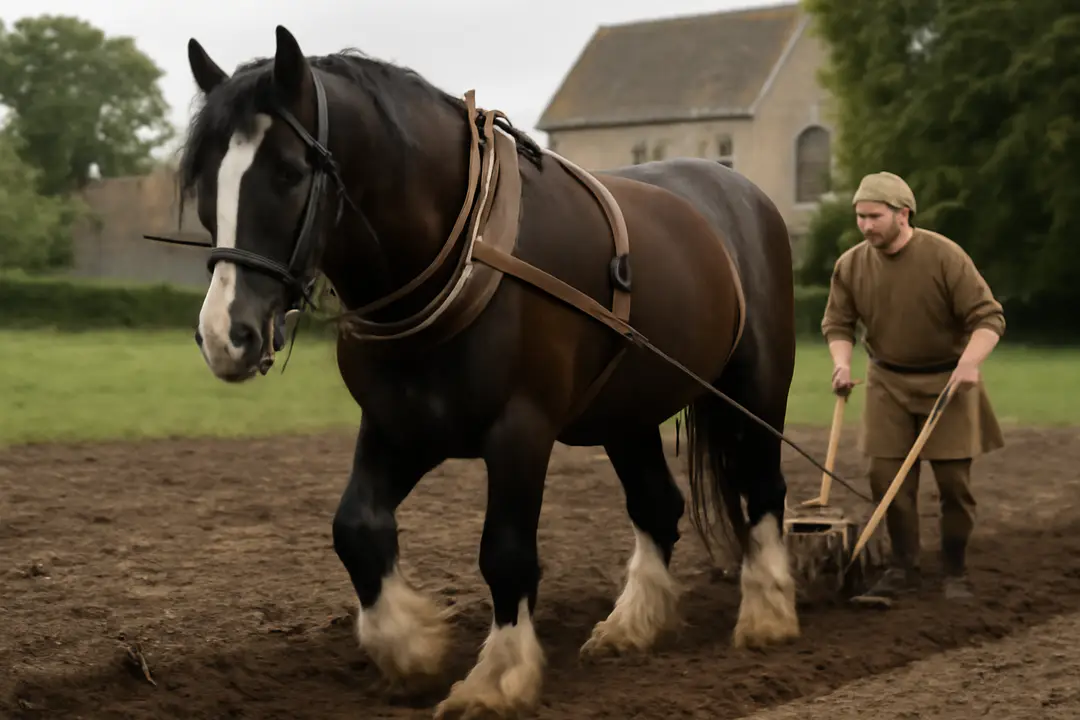
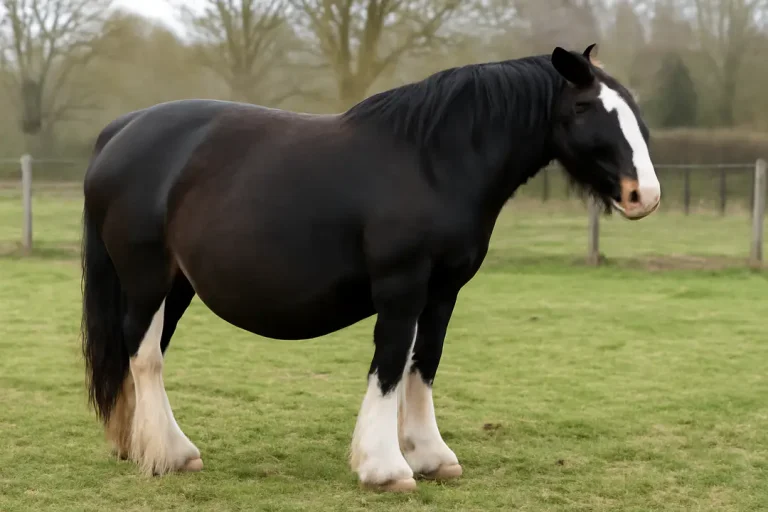
Records from the 13th century mention “great black horses” used in war and agriculture. These early Shires were often chestnut or black. A blend of stamina, calm temperament, and raw power set them apart from lighter riding horses.
Over time, English farmhands learned which bloodlines worked best in wet fields. They selected for broad chests and sturdy legs. This local selection drove the breed toward the modern Shire we know today.
By the 17th century, formal breeding records began. Stud books tracked mare-to-stallion pairings and noted offspring size and strength. Early breeders focused on hoof health and patience under harness.
Learning about this medieval background gives insight into why Shire horses thrive on steady routines. Their origin explains key traits: calm focus, muscle power, and a preference for cool, damp climates over hot arenas.
Working Farm Horses
During the Industrial Revolution, Shire horses were the main draft breed on English farms. Their strength let farmers move plows, pull wagons, and haul timber.
On smallholdings, one pair of Shires could plow acres in a day. They needed only oats, hay, and fresh water to maintain health. Their large hooves handled muddy ground without prone injuries.
Practical tip: modern owners should mimic field turnout to keep joints strong. Daily walking exercises on varied terrain help maintain hoof and muscle health. Fresh water and a balanced feed with quality forage support their big frames.
Data shows a mature Shire can pull over twice its body weight safely. Knowing this legacy helps trainers set realistic work goals. They avoid overloading or pushing Shires too fast.
Their farm background explains why these horses enjoy calm tasks over flashy performance. Today’s Shire enthusiasts should provide steady jobs—like pulling carriages or light plows—to meet the breed’s inherited drive and build confidence.
Famous Shires Through Time
Some Shire horses reached celebrity status thanks to their size and personality. These stories keep the breed’s heritage alive.
- Sampson: Born in 1846, he weighed over 3,300 pounds. His gentle temperament made him a crowd favorite in London shows. Sailors and farmers alike marveled at his size. Learn about Sampson.
- Goliath: Another heavyweight, Goliath broke records in the late 19th century. He stood nearly 20 hands high and drew royal carriages. Discover Goliath’s story.
- Modern Icons: Today, some show Shires perform in fairs and parades. Owners often share videos online, highlighting care techniques and training routines.
These famous examples inspire new breeders. They show what balanced diet, gentle training, and proper turnout can achieve. Practical tip: study these legends to set realistic goals for height, weight, and temperament in your own Shire foal.
Modern Breeding Impact
As agriculture mechanized, pure Shire numbers fell. Breeders teamed up across Europe to preserve the bloodlines. They emphasized health tests and temperament evaluations before breeding.

Today, Shire horse clubs maintain stud books and genetic records. They screen for inherited conditions like osteochondrosis. This care helps maintain the breed’s sturdy legs and calm mind.
Owners seeking a foal should ask for lineage certificates and health reports. Knowing a horse’s bloodline helps predict adult height and stamina. Choosing parents with proven hoof and joint health reduces vet visits.
Some breeders now cross Shires with lighter breeds to create versatile driving horses. These crosses often retain the Shire’s strength but add more agility. It’s a way to honor origin while meeting modern demand.
Practical tip: visit a reputable breeder and inspect mares and stallions in person. Look for clear eyes, sound hooves, and calm reactions to handling. Understanding breeding roots remains key to a happy, healthy horse.
Shire vs Clydesdale
Shires and Clydesdales share draft origins, but key differences matter if you plan to buy or train one. A quick comparison highlights size, markings, and work style.
| Feature | Shire | Clydesdale |
|---|---|---|
| Average Height | 17–18 hands | 16–17 hands |
| Average Weight | 1,800–2,400 lbs | 1,600–2,000 lbs |
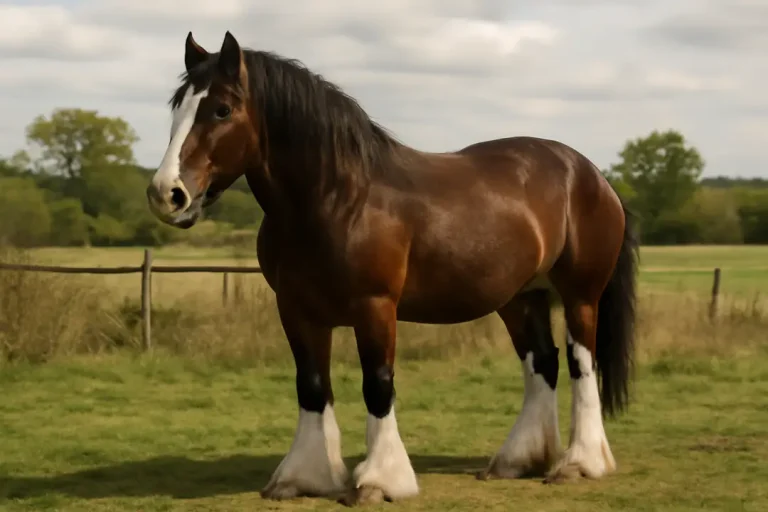
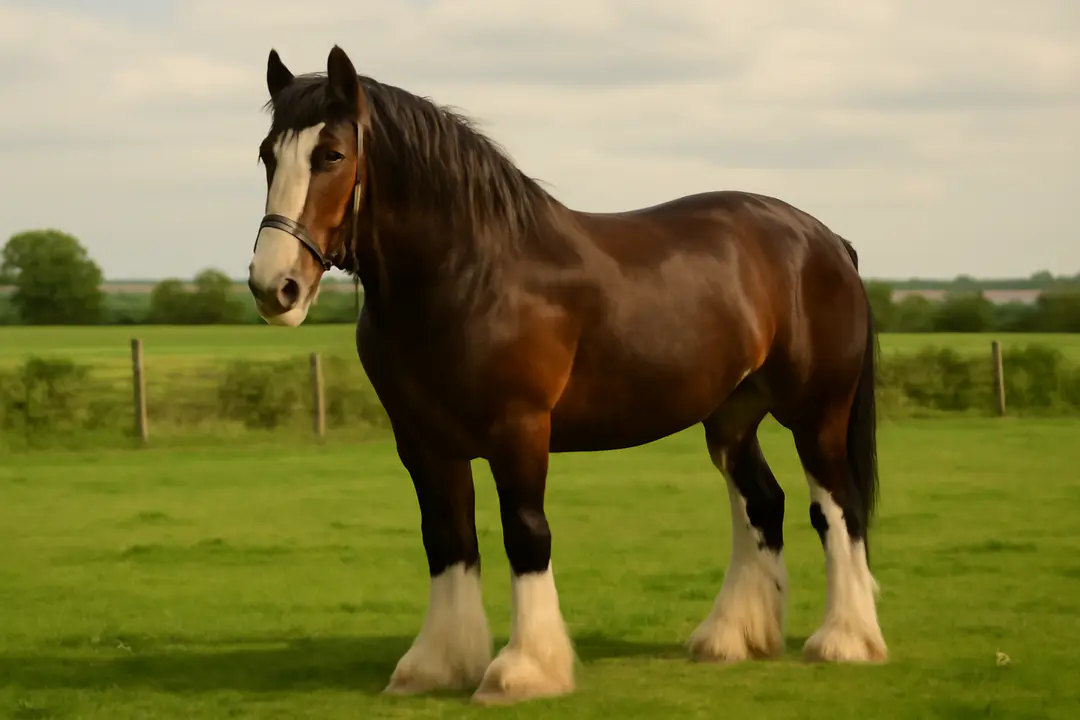
| Feathering | Heavy, silky | Moderate |
| Preferred Work | Heavy draft and farm | Show and light draft |
| Temperament | Calm, patient | Slightly lively |
Practical tip: if you prefer a calmer, more massive stance, a Shire fits. For flashy leg action in shows, consider Clydesdales. Your choice should match your goals—plowing fields or winning ribbons.
Care and Maintenance
Shire horses need regular routines that respect their draft heritage. Here’s a simple plan to keep them healthy:
- Daily turnout: 4–6 hours in a grassy paddock to build strong joints.
- Balanced diet: quality hay, measured grains, and a supplement for joint support.
- Hoof checks: clean and trim every 6–8 weeks to avoid cracks.
- Exercise sessions: light lunging or carriage walks 3–4 times a week.
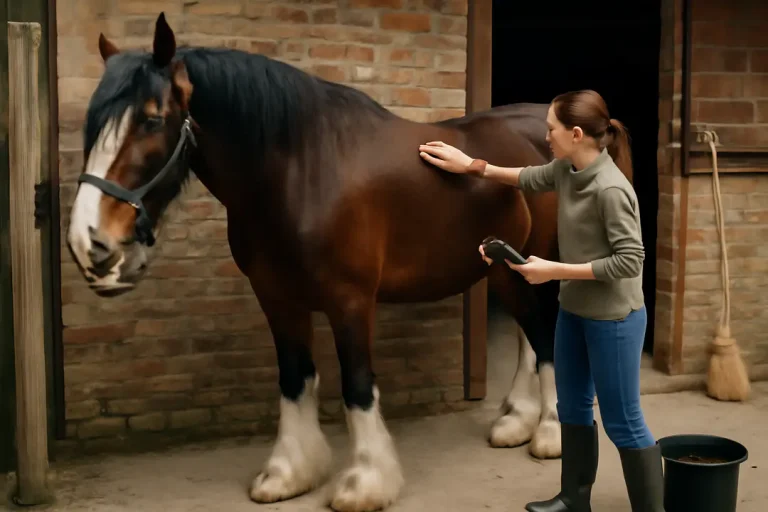
- Grooming: brush feathers gently to prevent skin issues under long hair.
Tip: monitor weight with a tape measure at the girth. Draft horses can gain kilos quickly if turnout is limited. Adjust feed levels seasonally, reducing grain when grass is lush.
Regular vet checks are vital. Ask your vet for osteoarthritis screenings as Shires age. Early detection helps manage discomfort and keeps your horse moving comfortably.
Conclusion
From medieval fields to modern stables, the Shire horse origin story reveals why this breed stands out. Understanding its beginnings in English monasteries and manor farms explains key traits like strength and calm demeanor. When you know how they were shaped by history, you can offer better care, choose the right breeding lines, and set goals that match their natural abilities.
Whether you aim to show, drive, or simply enjoy a friendly giant, remember the lessons of the past. Provide steady work, balanced nutrition, and attentive maintenance to honor the Shire’s heritage. By tracing their roots, you gain insights that prevent costly mistakes and deepen your bond with these gentle giants.
Let the medieval origins guide your modern choices. A well-bred, well-cared-for Shire horse reflects centuries of careful breeding and hard work. Now it’s your turn to continue that legacy with pride and respect.