Champion Shire Horses: Breed, Care, and Champions
As you admire a champion Shire horse’s impressive stature and gentle eyes, it’s easy to overlook the daily rituals that keep these giants healthy. We often celebrate their performance in shows, but the intricate grooming and feeding routines behind the scenes rarely get talked about. Without consistent care, their famous feathers, hooves, and overall health can suffer. What steps go into the day-to-day routines that turn a strong horse into a true champion?
By uncovering these key care practices, you can ensure your Shire horse stays fit, happy, and show-ready. A clear grooming plan and a balanced diet mean fewer surprises at the vet and smoother training sessions. Armed with this insight, you’ll make smarter choices for tack, turnout, and trainer support. Let’s explore how mastering these routines makes every Shire standout in the ring and on the farm.
Breed Roots and Legacy
Shire horses trace their lineage back to medieval England, where they served as heavy draft animals for knights and farmers. Their name likely comes from the “shire” counties that first bred them around the 1400s. Over centuries, breeders selected for extraordinary size, strength, and calm temperament. Today’s champions still carry the blood of those original giants.
In the 19th and early 20th centuries, Shires were central to agriculture and transport. They pulled plows, carts, and even beer wagons through narrow city streets. As machinery replaced draft animals, breed numbers declined sharply. Dedicated breeders stepped in to revive the line, focusing on show qualities.
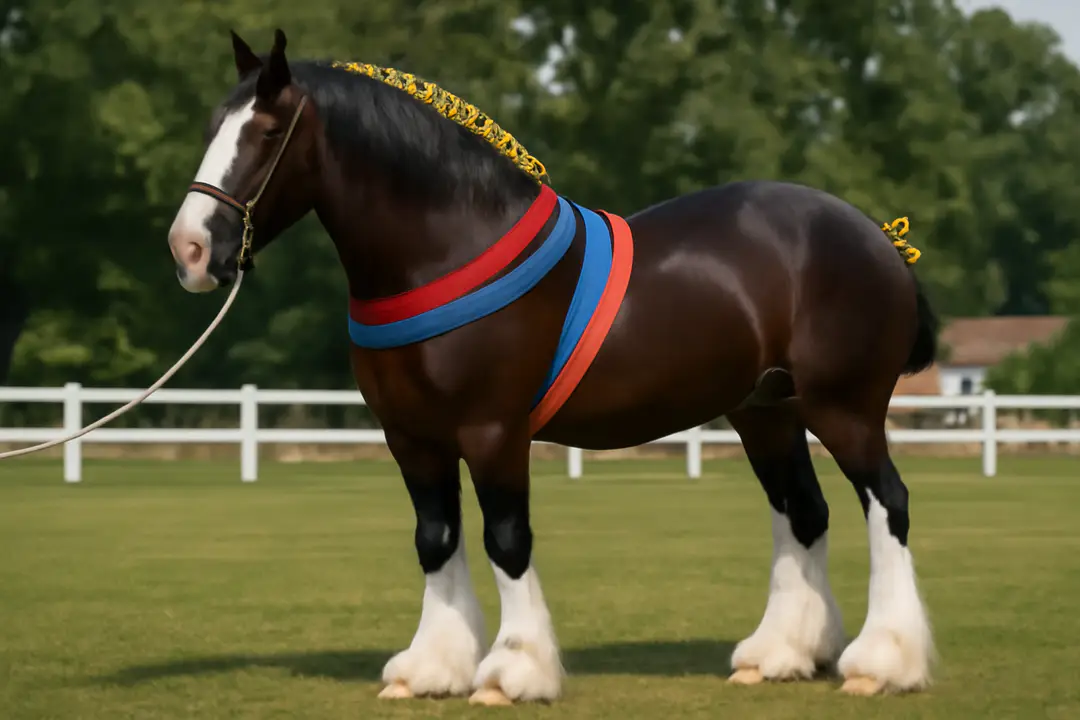
Modern associations track pedigrees and performance in competitions worldwide. Judges look for a well-proportioned body, powerful hindquarters, and that classic arched neck. Sound movement and a steady walk are prized in both pulling contests and halter classes. These standards honor the breed’s working roots while highlighting its grace.
Understanding this legacy gives owners a deeper appreciation of their horse’s place in history. When you walk into a barn full of Shires, you stand alongside centuries of careful breeding. That heritage fuels pride in showing or working these gentle giants.
Traits and Behavior
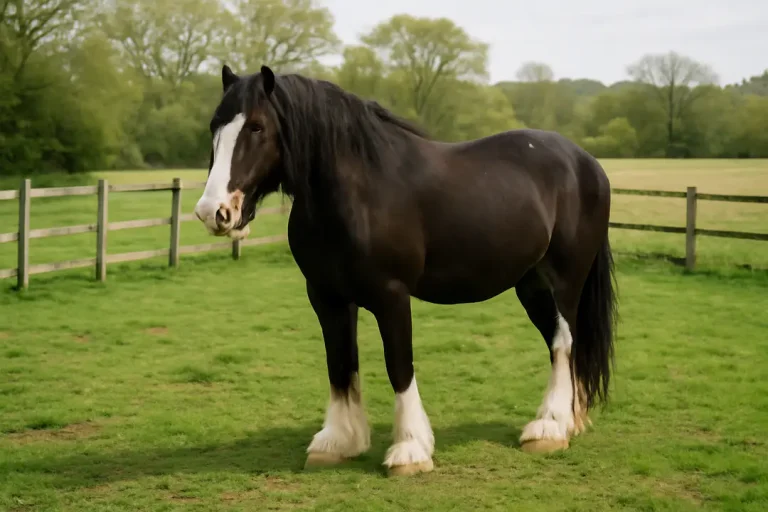
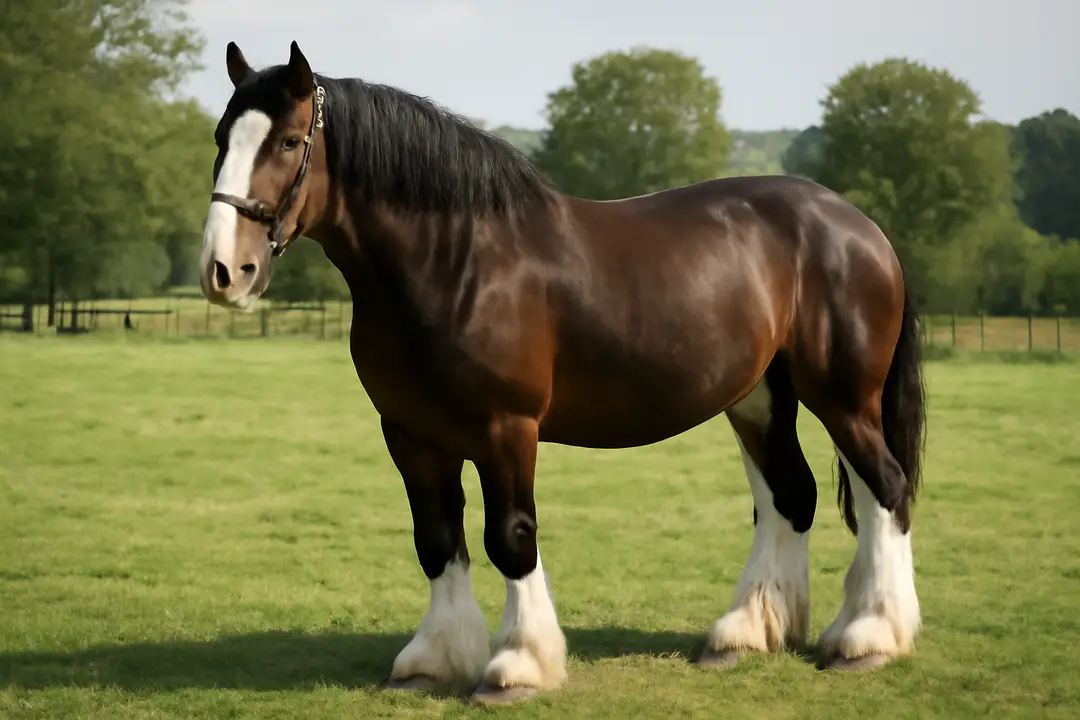
Champion Shire horses stand out with their calm nature and steady confidence. Their average height ranges from 16 to 18 hands, making them taller than most riding breeds. Despite their mass—often 1,800 to 2,400 pounds—they move with surprising ease. This blend of size and gentleness earns them the “gentle giant” nickname.
In terms of temperament, Shires score high on patience and willingness. They will calmly stand at the hitching post or wait for instruction in the arena. While they can learn quickly, their laid-back attitude means progress may seem gradual. Trainers advise consistent, gentle cues and plenty of positive reinforcement.
Social and intelligent, Shires thrive on interaction with humans and other horses. Many owners notice a strong desire to please, which helps in classes and on the farm. Their steady walk and broad, floating trot suit both novice and advanced riders. In driving events, their powerful stride and endurance shine.
However, their feathered legs and long manes require attention to prevent skin issues. This distinctive trait adds to their charm but can trap mud or debris if left unchecked. Regular checks and cleaning help maintain hoof health and skin condition. These small steps go a long way toward keeping a champion comfortable.
Daily Care Tips
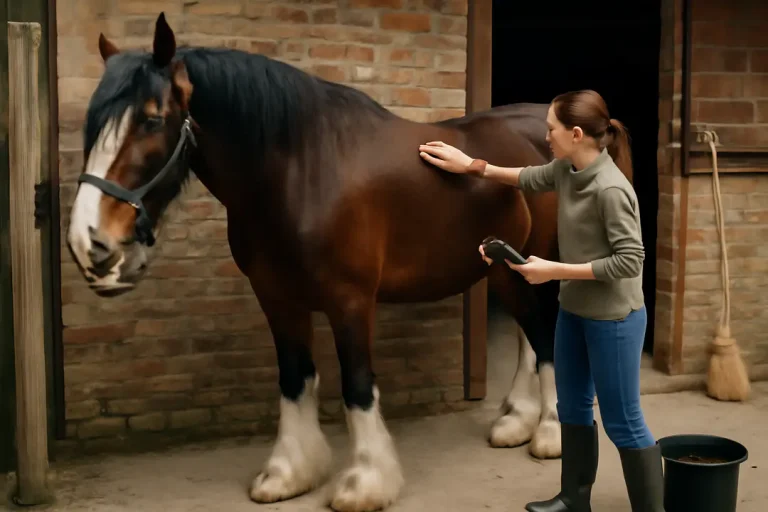
Keeping a Shire horse in top form starts with a consistent daily routine. Begin your morning by checking hooves and wiping down feathered legs. That fluffy hair near the hooves can hide debris, so a quick brush prevents skin irritations. Once your Shire is clean, move to grooming the mane and tail. Using detangler and a soft brush preserves that show-quality sheen.
Feeding is equally important. A large draft like this needs a diet high in fiber and controlled in sugar. Follow a structured feeding schedule to balance forage with grains or supplements. Fresh water should always be available—these horses can drink up to 15 gallons daily in warm weather.
Exercise rounds out the care plan. Even if your horse isn’t in active competition, daily turnout and light lunging promote muscle tone and mental health. Gentle stretching exercises before rides or driving sessions can help avoid stiffness. Rotating paddock time and arena work gives variety and keeps boredom at bay.
For deeper grooming advice, consult a detailed grooming guide that covers product recommendations and step-by-step techniques. Investing time in skin checks, feather care, and tack upkeep can prevent costly vet bills. With these habits in place, your Shire will look and feel its best year-round.
Training for Champions
Champion-level performance depends on patient, structured training. Start with groundwork—leading, yielding hindquarters, and standing quietly. These basics build trust and respect. As your horse matures, introduce long-lining or driving harness so it learns correct posture and muscle development.
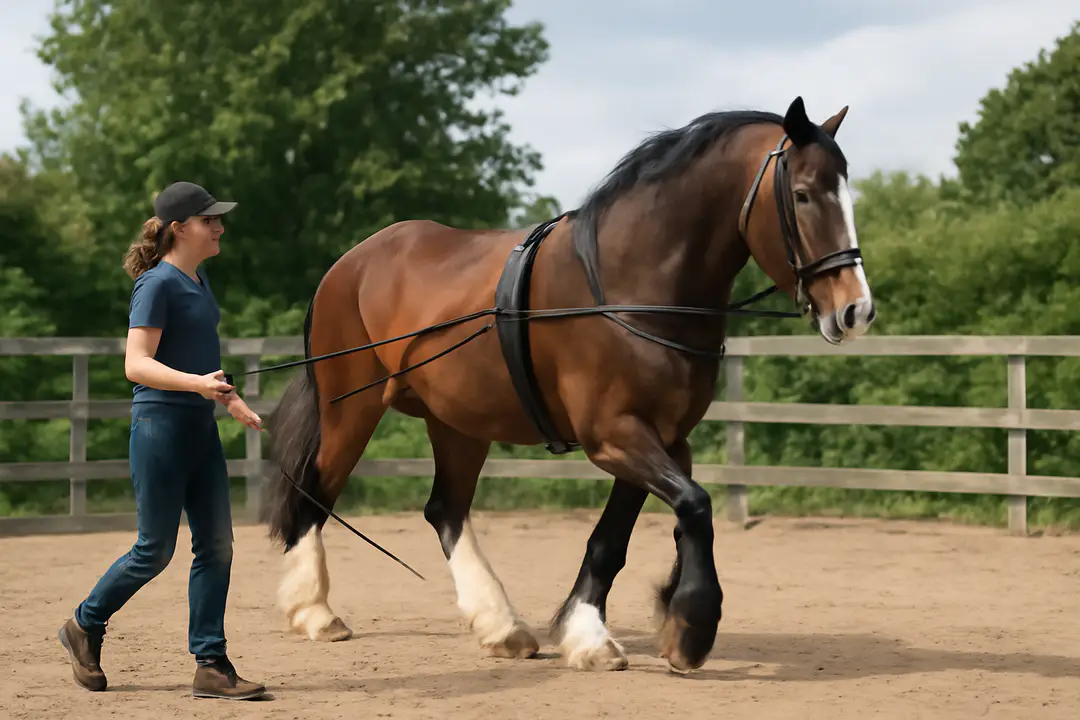
When under saddle or in a cart, focus on rhythm and responsiveness. Shires move best with light, consistent aids rather than heavy-handed cues. Keep sessions short and positive, mixing walk, trot, and gentle canter for balance. Over time, your horse will understand cues for collection and extension.
Key training steps include:
- Daily groundwork for communication
- Gradual weight or load introduction
- Regular lunging to build fitness
- Positive reinforcement with treats or praise
- Pattern work to sharpen focus
Entering friendly local shows can boost confidence and expose your Shire to new challenges. Always allow downtime between events to recover. With steady consistency and clear goals, you’ll see your draft horse grow into a champion both in performance and presence.
Buying and Costs
Selecting the right Shire horse involves more than just physique and pedigree. Prospective owners should visit several breeders and inspect horses in person. Look for sound legs, clear eyes, and a calm attitude. A pre-purchase exam by a vet can reveal hidden issues like joint stress or hoof cracks.
Prices for well-bred Shire horses typically range from $5,000 to $10,000, with top show prospects fetching higher amounts. Remember that ongoing expenses often exceed the initial purchase. Boarding, farrier visits, and specialized feed can add up quickly. Potential owners should research fees like hay, vet care, and insurance beyond just the sale price, as detailed in guides covering the full cost of owning a Shire Horse.
For those on a budget, consider adoption or lease options, which may include less experienced horses. This path often carries lower upfront fees and can work well for new owners. Always factor in travel expenses if the breeder is far away, plus trailer costs for safe transport. Proper planning ensures you’re ready for both the excitement of buying and the realities of lifelong care.
Uses on Farms
Shire horses once powered farms across England, pulling plows and wagons with ease. Today, they remain versatile workers, prized for light logging, carriage rides, and even orchard maintenance. Their strong build and calm temperament make them ideal for sustainable farming methods.
In forestry, Shires can extract logs from sensitive areas without heavy machinery damage. Skilled drivers guide them through tight paths, reducing soil compaction. On small farms, they pull trailers for hay, compost, or equipment. Many owners find this traditional work rewarding and eco-friendly.
Beyond chores, Shires add charm as therapy and demo horses at fairs. Their gentle nature suits equine-assisted learning and beginner riding lessons. Visitors marvel at their size and quiet confidence, making them great ambassadors for heritage breeds. Whether in a field or at a show, these horses connect people to living history.
Integrating a Shire into farm life calls for space, sturdy fencing, and proper equipment like padded harnesses. With the right setup, these gentle giants become trusted partners for decades, carrying on their legacy from medieval fields to modern sustainable agriculture.
Conclusion
Champion Shire horses combine a rich heritage, remarkable strength, and a patient nature that few breeds can match. By understanding their history, daily care, and training needs, owners can set the stage for outstanding performance. Whether you show your Shire in halter classes or use it for farm work, clear routines make a world of difference.
From a structured feeding schedule to careful grooming and steady training, each detail supports your horse’s well-being and abilities. Researching true costs, from purchase to pasture maintenance, ensures you’re fully prepared. When you work with these gentle giants, you’re not just raising a show pony—you’re stewarding a living legacy.
Embrace the full journey of Shire horsemanship, and you’ll enjoy a bond built on trust, respect, and shared history. With dedication and the right knowledge, your Shire horse will thrive, inspire others, and carry on a tradition that spans centuries.