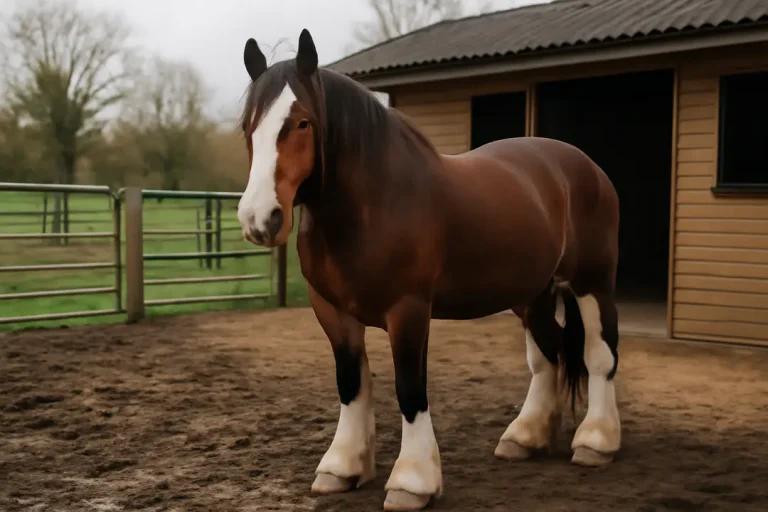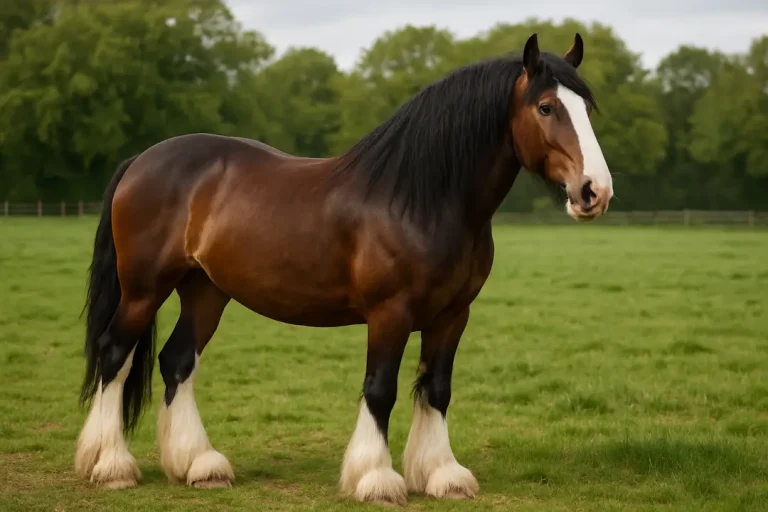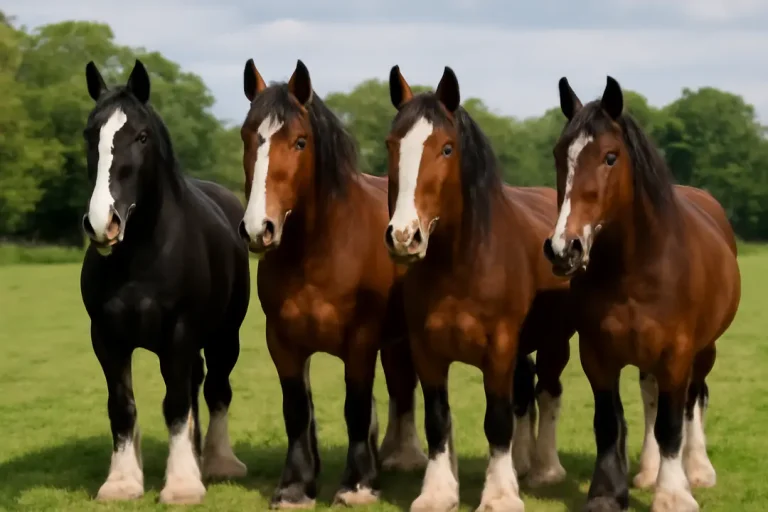
How Much Space Does a Shire Horse Need: Everything
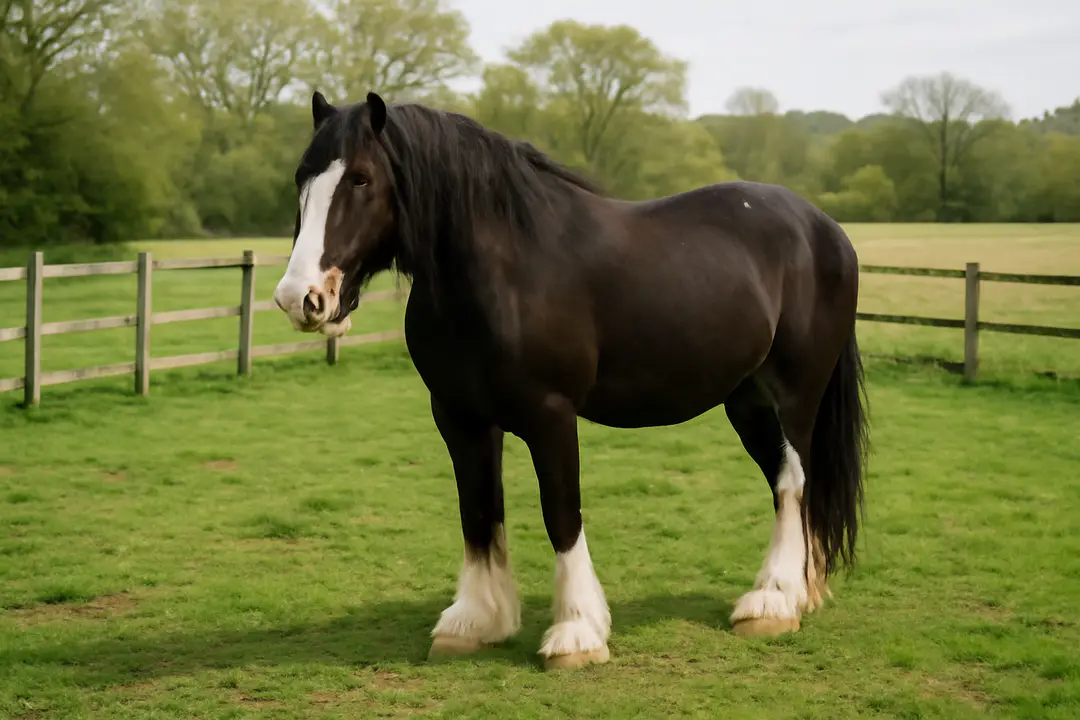
Whether you’re planning to welcome a gentle giant onto your property or already care for one, space shapes every aspect of a Shire horse’s life. Many horse owners focus on acreage but often overlook stall height, paddock rotation paths, and footing around feed stations. That extra few feet in the barn or a well‐drained corner of your pasture can make all the difference in their comfort and safety. Have you ever wondered exactly how much space does a Shire horse need to thrive?
Experts generally recommend a 12×12 foot stall with a 10-foot ceiling plus at least 1.5 acres of pasture per animal, but the real key lies in how you arrange and care for each area. By planning fence lines, rotating paddocks, and choosing the right footing, you’ll prevent muddy zones, hoof issues, and stress behaviors. Clear space guidelines help you budget wisely, design for efficiency, and avoid unwanted surprises. Understanding these needs early supports your horse’s health and keeps your land productive all year.
Stall Pasture Size
Your Shire horse requires a stall that feels like a personal docking bay, giving ample room for movement and rest. Experts recommend a minimum of 12 by 12 feet for each large draft horse to stand, turn around, and lie down without bumping into walls. Shires often reach heights of 17 to 18 hands, so a restrictive stall height can hinder proper breathing and posture. Walls should be built of sturdy materials that absorb impact but stand firm against their size. Proper stall design directly affects a Shire’s comfort, temperament, and long-term health.
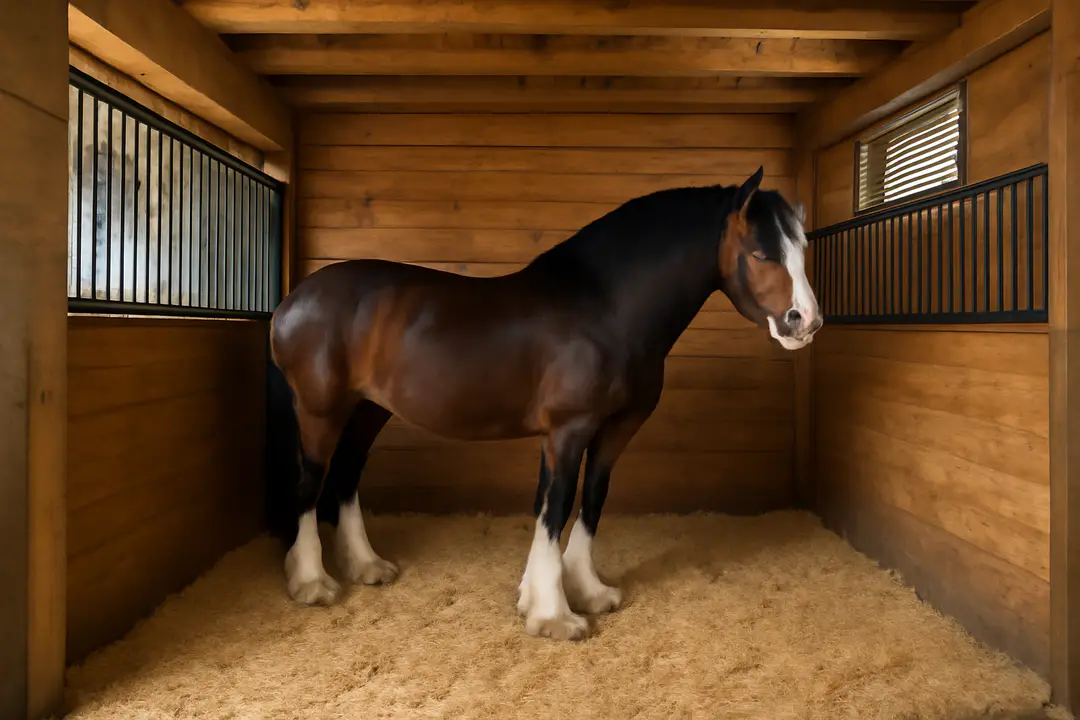
Ceiling height matters just as much as floor space in these grand animals’ quarters. Aim for a clearance of at least 10 feet to avoid hoof strikes when they shift or stretch taller. Installing a well-placed ventilation system near the roofline helps remove ammonia-rich air and dust particles. Fresh air controls humidity, reduces respiratory strain, and keeps bedding drier for longer. Monitoring temperature and airflow means fewer health problems and a happier horse.
Pasture planning should not fall to the bottom of your checklist either. Many owners overlook the impact of stocking density until mud and overgrazing set in. For a Shire, allocate at least 1.5 to 2 acres per horse for regular turnout. Rotating these paddocks seasonally helps grass regrow and prevents nutrient depletion in the soil. Understanding how size and grazing behavior differ by breed, as detailed in our guide on size traits, makes rotating pastures more intuitive.
Paddock Fencing Tips
Safely containing a Shire horse requires sturdy fencing and thoughtful gate placement throughout turnout areas. Standard wood or vinyl boards offer visibility and a courtesy barrier for their hooves and legs. A fence must hold up to a horse leaning, scratching, or rubbing after grooming sessions. When paddocks share boundaries, keep gates at least 10 feet apart to avoid high-traffic bottlenecks. Planning fence lines alongside natural barriers, like trees or slight hills, saves on materials and adds shelter.
- Use heavy-duty posts set at 8–10 foot intervals to resist leaning or impact.
- Install three-inch-wide, smooth rails or sturdy coated wire for safety and visibility.
- Maintain clear fence lines free of debris that could trap hooves.
- Check and tighten wires or replace boards every six months to prevent sagging.
- Include secure latches at shoulder height to prevent accidental openings.
- Consider an electric top strand for added training cues and deterrence.
Incorporate fencing advice from our care guide to blend space, security, and convenience for both you and your horse. High-quality fencing reduces injuries, keeps groups separated during rotation, and protects grass growth along boundaries. Well-designed paddocks also make feeding, watering, and mucking out far easier. Investing in reliable fencing prevents costly repairs and supports long-term pasture health.
Ground Footing Quality
Good footing lies at the heart of every healthy hoof and joint. Wet, muddy ground works against a horse’s natural gait and increases the risk of slips or thrush. Without firm, well-drained soil, Shires can struggle in turnout areas and around feed stations. Regular inspection of high-traffic spots like gateways, water bowls, and shelters helps catch erosion before it becomes a hazard. Investing time in ground maintenance pays off in fewer vet visits over the years.
Understanding your soil’s composition is the first step. Sandy soils drain quickly but may shift under heavy hooves and need occasional top dressing. Clay soils pack firm but hold water, so adding gravel or wood chips in wet zones helps prevent puddles. A layer of coarse sand, two to three inches deep, also improves grip and drainage in any pasture. Breaking up compacted areas with a tine rake once a season encourages grass roots and cuts down run-off.
In paddocks, consider installing a sacrifice lot—a small, well-drained zone that sees constant use. Cover it with crushed stone or stall mats to keep it dry and mud-free. This high-traffic stabilization area protects surrounding fields and gives horses reliable footing when entering at night. Lining drinking and feeding stations with washed gravel or sand reduces hoof damage and waste. Smart ground planning balances moisture control, durability, and hoof health for robust Shire movement.
Grazing Rotation Plans
Rotational grazing keeps pastures lush, prevents weeds, and lets soil recover. Rather than letting Shires roam the same spot every day, divide your acreage into smaller paddocks. Move horses through these sections on a regular schedule. This strategy spreads their impact evenly and cuts down fly-breeding spots. Grass has time to regrow, giving horses fresh forage and reducing feed costs.
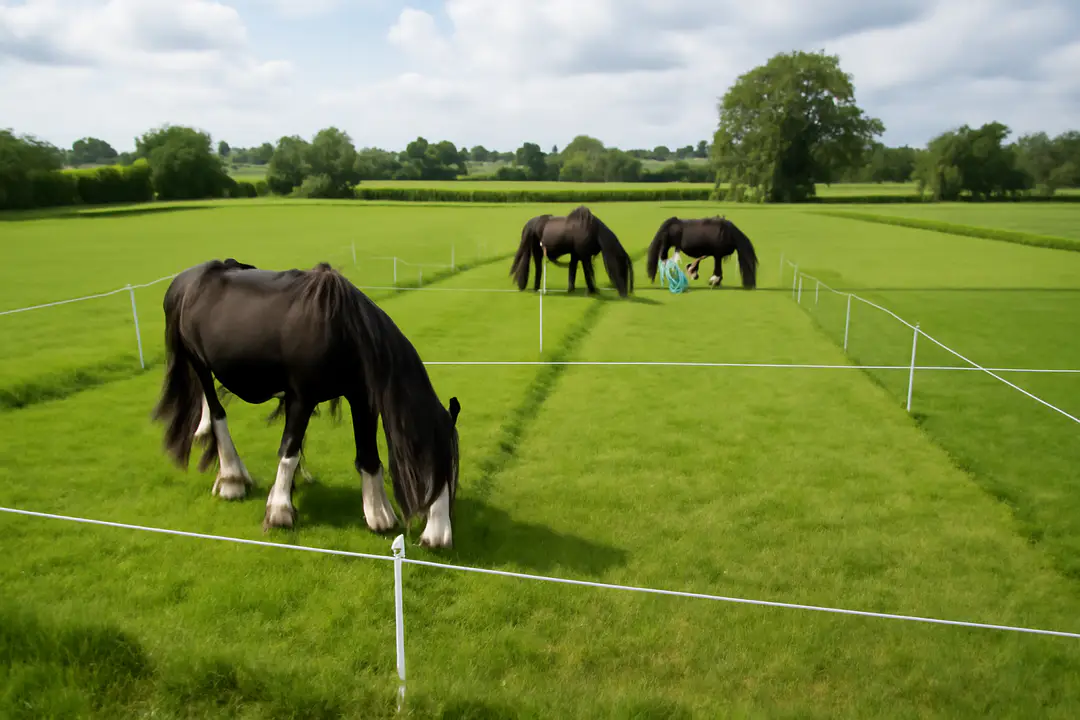
- Map out total acreage and divide it into equal paddocks (four to six is common).
- Rotate horses every five to seven days, depending on grass height and growth rate.
- Rest each paddock for three to four weeks before reintroducing horses, adjusting per season.
- Monitor grass density; switch more often in spring growth and less in slow autumn.
- Use portable waterers and temporary fencing to ease rotation without permanent structures.
Adding a catch pen or sacrifice lot near the barn helps when fields are too wet or overgrazed. Putting fresh hay or grain there keeps horses happy while pasture recovers. Always check new sections for toxic plants before moving animals. Rotate water and feed points to avoid soil compaction and uneven wear. With a clear rotation plan, your land stays healthy, and your Shire horses enjoy better nutrition and comfort.
Shelter Shade Options
Shire horses thrive with access to both shade in summer and shelter in winter. You can install run-in sheds—three-sided structures that protect from sun, wind, and rain. These shelters should be at least 12 by 12 feet per animal, with a solid floor to stay clean and dry. Orient the open side away from prevailing winds for better protection. Shade from mature trees also cools pastures, though roots and limbs need regular checks.
In hot months, a wooden or metal lean-to near the barn can lower stress and reduce bugs. Installing fans or misting systems inside larger barns drops heat and limits flies. In wet seasons, roofed shelters with raised floors or gravel beds keep bedding from turning to mud. Inside stalls, add extra bedding and ensure proper drainage for winter comfort. Heated waterers prevent freezing and reduce frostbite risk around metal troughs.
Combining natural and built shelters gives horses choice and freedom to manage comfort. For detailed design tips, our care resource outlines best practices for draft breeds. Good shelter prevents respiratory issues, keeps coats healthy, and supports well-being. Inspect shelter floors twice a season, replace worn mats, and level muddy patches. A well-maintained shelter is a reliable haven in any weather.
Farm Layout Example
Designing your farm layout with Shire horse needs in mind brings efficiency to daily routines. Whether you manage a small homestead or a larger operation, mapping stall, paddock, and shelter spots prevents wasted steps and land. The table below shows recommended stall sizes, pasture acreage, and paddock counts for different farm scales. Tweak these figures based on terrain, budget, and herd size.
| Farm Size | Stall Dimensions | Pasture/Acreage | Paddock Count |
|---|---|---|---|
| Small (1–2 horses) | 12×12 ft | 1.5 acres | 1 |
| Medium (3–5 horses) | 12×14 ft | 2–3 acres | 2–3 |
| Large (6+ horses) | 14×14 ft | 3–5 acres | 4+ |
Place the barn centrally, with paddocks fanning out for easy access. Run water lines and power underground to troughs and lighting in stalls. Site run-in sheds on higher ground to reduce mud. Include buffer zones along fences for maintenance paths or recovery grazing. Well-thought layouts make feeding, turnout, and cleaning faster and safer.
Leave space for hay, tools, and manure storage at least 50 feet from stalls to cut odors. Plant shade trees along northern fence lines to reduce sun exposure without blocking winter light. Access roads should accommodate large trailers and turning radii. A thoughtful design reflects your goals and supports your Shire’s comfort every season.
Conclusion
Planning space for a Shire horse is about more than square footage. It blends stall design, pasture management, footing quality, fencing, and shelter into a single living environment for your gentle giant. By following clear standards—12×12 foot stalls with 10-foot ceilings, at least 1.5 acres of pasture per horse, rotational grazing, sturdy fencing, and reliable shelters—you’ll avoid common pitfalls like mud, overgrazing, and stress injuries.
Understanding the finer points of space allocation, as explored in our sections on behavior and care, gives you the confidence to make decisions that benefit both horse and land. Whether you manage a compact homestead or a sprawling farm, thoughtful layouts keep chores smooth, pastures healthy, and horses content. Proper planning upfront reduces surprises, saves money on repairs, and builds a lasting partnership with your equine companion.
With a solid space plan in place, your Shire horse will have room to stretch, graze, and explore. That freedom leads to better health, calmer behavior, and a deeper bond between you and your draft horse. Start mapping your space today—and watch your farm thrive alongside your gentle giant.