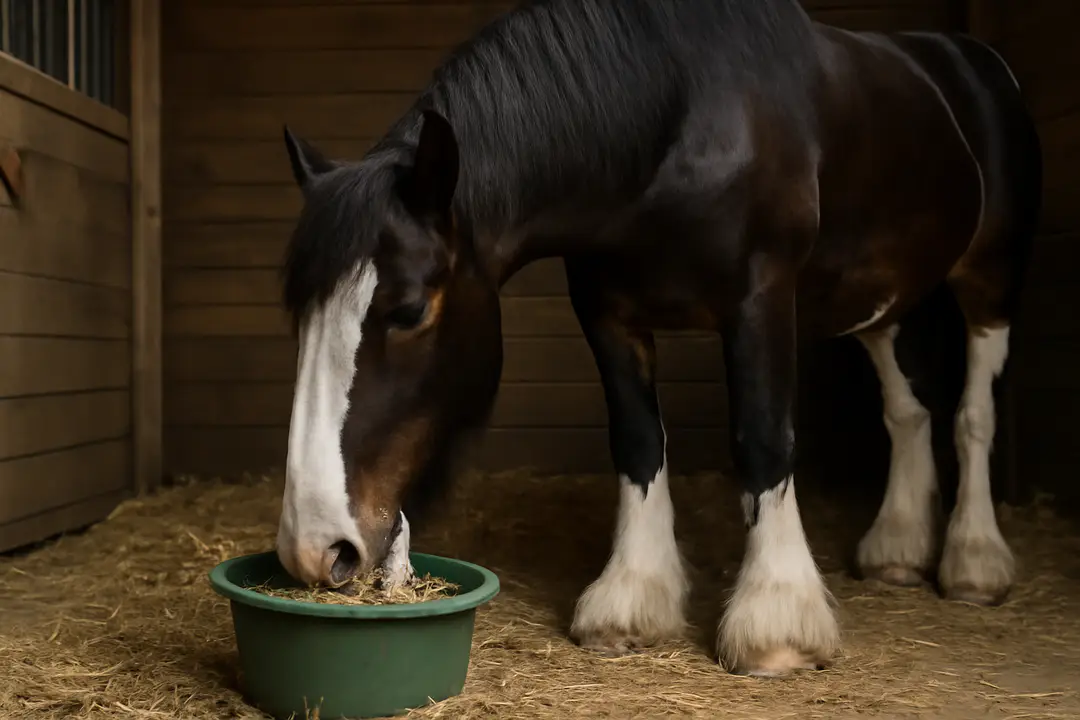
Shire Horse Feeding Schedule And Nutritional Guide
Meta description
Balance hay, grain, supplements, and water for your Shire horse with a tailored feeding schedule that supports health, growth, and consistent energy.
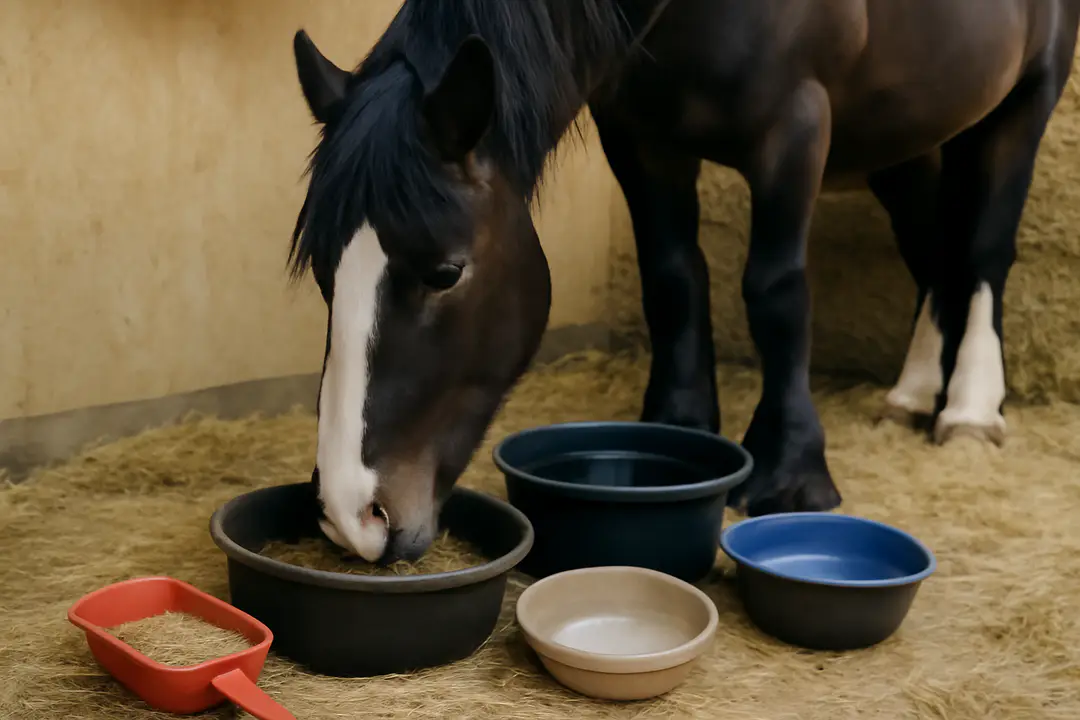
Having a Shire horse in the barn brings a sense of wonder and awe. These gentle giants thrive on a solid feeding plan, yet one key factor often goes unnoticed: how the timing of each meal affects their digestion and mood. Provide too much grain at once and you risk colic; feed too little hay and they can feel undernourished. This timing puzzle can leave owners scratching their heads. How do you balance quantity, quality, and schedule for a healthy, happy Shire?
By mapping out a clear daily and weekly feeding schedule that respects your horse’s natural grazing patterns, you can avoid digestive upsets and keep energy levels steady from dawn till dusk. When you learn to match hay, grain, and supplements to specific times of day, it becomes easier to spot appetite changes and tweak your plan before small issues become big problems. Mastering this feeding rhythm saves you guesswork, helps your Shire feel its best, and keeps your barn routine running smoothly.
Daily Feeding Routine
Shire horses have a natural grazing instinct, so spacing meals helps mimic pasture life and keeps digestion smooth. In a typical day, you want to distribute forage and grain across multiple feedings. This routine reduces the risk of colic and keeps your horse mentally satisfied.
Here is a sample daily routine that many owners find effective:
- 5:30 AM – 2 lbs of soaked hay cubes or fresh hay to kickstart digestion.
- 9:00 AM – 1.5 lbs of high-fat, low-starch grain mix for extra calories.
- 12:00 PM – Access to free-choice hay throughout the afternoon to support constant grazing.
- 4:00 PM – 1 lb of alfalfa pellets or legume mix to balance protein intake.
- 7:00 PM – 2 lbs of hay and a handful of supplements (salt block, minerals).
- Night – Fresh water and free access to a salt lick.
Always offer clean, fresh water at every feeding. Shires can drink up to 30 gallons per day, so check troughs often. In summer, you may add electrolytes to help replace minerals lost through sweat. In winter, ensure water doesn’t freeze, as reduced intake can upset digestion. A slightly warmed bucket can encourage sipping in the cold months.
This plan keeps stomach acid more stable by avoiding long gaps without forage. If your schedule shifts, adjust times by 30 to 60 minutes but hold feed volumes steady. Watching your Shire’s behavior after each feeding is key. A relaxed chewing motion and alert posture usually mean they are comfortable and well-fed.
Nutritional Needs
Shire horses require a balance of fiber, protein, fats, vitamins, and minerals. Fiber from hay supports healthy gut flora and helps wear down teeth. Protein builds muscle and supports growth, especially in younger or working horses. Fats provide concentrated energy without overloading on starch, which can upset digestion.
Start with high-quality grass hay that tests between 10 and 14 percent protein. For a bit of variety, mix in 1 part alfalfa hay. Alfalfa adds calcium, which supports bone health. Test your hay regularly to track nutrient levels.
Grain or pelleted feed fills remaining needs. Look for mixes designed for draft breeds, where starch stays below 10 percent. Too much quick energy can lead to fizziness or digestive issues. You might include oil supplements for coat shine and sustained calories.
Mineral blocks or loose mineral blends help fill gaps in copper, zinc, and selenium, which are often low in hay-only diets. Salt must be free-choice at all times. If you want step-by-step instructions for feeding and overall management, check out our guide to proper Shire horse care. This approach ensures your Shire has nutrients at every stage, whether resting or working.
Growth Stage Feeding
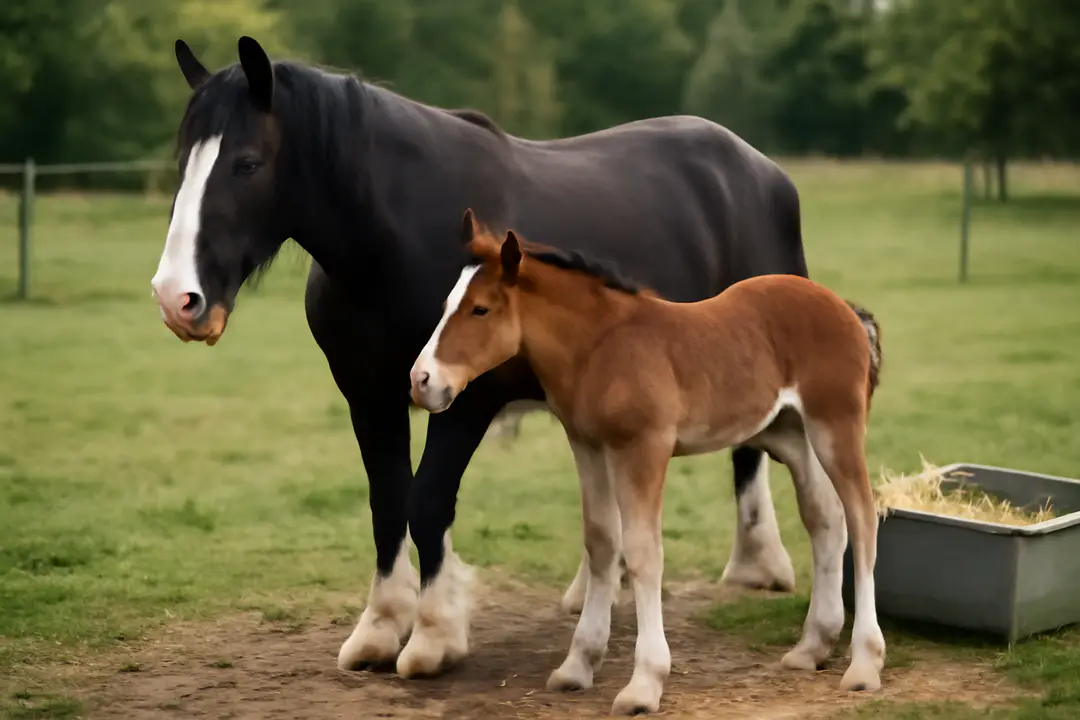
Young Shire foals have different needs than mature horses. In their first six months, foals should nurse on mare’s milk and gently nibble at hay and grain. Mare’s milk provides a perfect mix of fats, proteins, and immunity boosters. As the foal grows, introduce a creep-feeding area. This lets the young horse eat without competition from adults.
From six months to a year, gradually shift to a 14 to 16 percent protein feed designed for growing horses. Continue free-choice hay to support growing bones and teeth. Watch for signs of uneven growth or joint stiffness, which may mean you need to adjust calcium-to-phosphorus ratios. It is wise to work with an equine nutritionist during this rapid growth phase.
Yearlings and two-year-olds can eat slightly less protein—around 12 percent—but they still need high energy for proper development. Limit starch levels to avoid behavioral issues. Fat-based supplements help maintain condition, especially during training sessions. Avoid overfeeding to prevent excessive growth that can stress joints.
By three years old, your Shire should resemble an adult horse in both size and feeding needs. At this point, move to a maintenance or work-based diet depending on activity level. Always factor in work intensity when adding extra calories. Consistent body scoring and weight checks will keep you on track.
Seasonal Feeding Adjustments
Shire horses often need different feeding plans in summer and winter. Warm months increase sweat losses, so you may need extra water, electrolytes, and energy. Cooler weather slows forage growth, which can lower hay quality. Adapting your routine seasonally keeps your horse in top shape year-round.
In summer, check water troughs several times a day. If you do a lot of riding, offer electrolyte supplements after heavy work. Consider adding beet pulp soaked overnight; it provides digestible fiber without requiring too much grain. Keep a close eye on your horse’s coat and rib coverage. Loss of shine or weight can mean you need more calories.
Winter brings the challenge of frozen water and reduced pasture. Increase hay to about 2.5 percent of body weight per day. Adding chopped hay or forage cubes helps maintain body temperature because digestion itself creates heat. Use a heated water bucket or bucket heater to keep water moving and encourage drinking.
Monitor body condition as temperatures drop. If you see a drop of more than one body condition score, boost energy by adding oil or rice bran. Always introduce these feeds slowly in 1-pound increments over a week. This prevents digestive upset and lets the hindgut adjust to added fats.
Health Monitoring Tips
Regular health checks help spot feeding issues before they become serious problems. Daily observation of eating habits, manure quality, and overall mood offers clues about diet balance. If your Shire seems off, you can pin the cause to feed timing, quality, or quantity more quickly this way.
Weighing your horse every month tracks gains or losses over time. Shires often weigh between 1,800 and 2,400 pounds, so small changes are easy to miss without a scale or weight tape. Keep a record of your horse’s typical weight range and body condition scores. Aim for a consistent score of 5 or 6 out of 9 for most working or pasture horses.
Check manure for consistency. Loose or very dry droppings can signal dietary imbalances. Adding a handful of soaked beet pulp or a psyllium husk supplement often helps normalize gut function quickly. If problems persist, consult your vet to rule out ulcers or parasites.
Monitor coat and hoof health. A dull coat can point to vitamin or oil deficiencies, while brittle hooves signal imbalances in biotin or zinc. Introduce supplements one at a time and wait at least three weeks to see any improvement. That way, you know exactly which change made the difference.
Sample Weekly Schedule
Below is a sample week-long feeding schedule that balances forage, grain, and rest days. Use this as a template and tweak quantities based on your horse’s weight and workload. Always watch your Shire’s condition score and adjust as needed.
| Day | Hay (lbs) | Grain Mix (lbs) | Supplements |
|---|---|---|---|
| Monday | 25 | 5 | Mineral block |
| Tuesday | 25 | 5 | Oil supplement |
| Wednesday | 25 | 4 | Alfalfa pellets |
| Thursday | 26 | 5 | Salt lick |
| Friday | 25 | 5 | Beet pulp |
| Saturday | 27 | 4 | Vitamin E |
| Sunday | 28 | 0 | Pasture rest |
Notice how Sunday offers extra hay and zero grain on turnout days. Rest days need plenty of forage to keep the gut active. On training days, adding a bit more energy via grain or oil helps maintain performance. If you see energy dips, split the afternoon grain into two smaller feedings. This can help avoid spikes and crashes in blood sugar.
Ensure fresh water at each feeding and check troughs twice a day. Place salt licks in both stall and pasture for free choice. In hot weather, measure daily water intake to confirm it remains near 25–30 gallons. Tracking these metrics alongside feed records helps catch issues early.
Conclusion
Crafting a feeding schedule for your Shire takes time and observation. You learn patterns in appetite, energy, and health over weeks and months. This process builds confidence in your care decisions. As you refine hay amounts, grain mixes, and supplement timing, your horse will thank you with calm behavior, strong hooves, and a gleaming coat.
Remember to adjust for growth, workload, and season. Keep clear records of weight, body condition, and manure consistency. Small tweaks based on these data points help prevent big issues like colic or laminitis. When in doubt, reach out to a nutritionist or vet for a second opinion. With a solid schedule and proactive health monitoring, you can ensure your Shire lives a long, happy life. Take these guidelines, tailor them to your barn, and watch your gentle giant thrive.
Start today by mapping out your next week’s feedings. Note the timing, amounts, and any changes in behavior. Over time, you’ll build a routine that fits both you and your horse. That simple habit of planning ahead can make all the difference in keeping your Shire robust and content.