World Records Held by Shire Horses: Mighty Achievements
Shire horses have long been symbols of power and grace on farms and in shows. Yet, when we talk about their world records, we rarely consider how these feats were officially verified and documented. Who checks the measurements, weighs the loads, or times the sprints to make sure each record truly stands above the rest?
The answer lies with specialized registries and record authorities that use strict protocols, vet checks, and standardized equipment to confirm each achievement. By understanding their validation methods, readers can appreciate the precision behind each claim and avoid misconceptions about these gentle giants’ true capabilities.
Record Origins and Milestones
From medieval fairs in England to modern-day Guinness listings, the practice of recognizing exceptional horse achievements has evolved over centuries. Early farmers took pride in bragging rights when their draft horses moved heavier loads than neighbors’ teams, but these stories lacked a formal record-keeping system. It wasn’t until the late 19th century that breed societies and agricultural shows began measuring feats under standardized conditions.
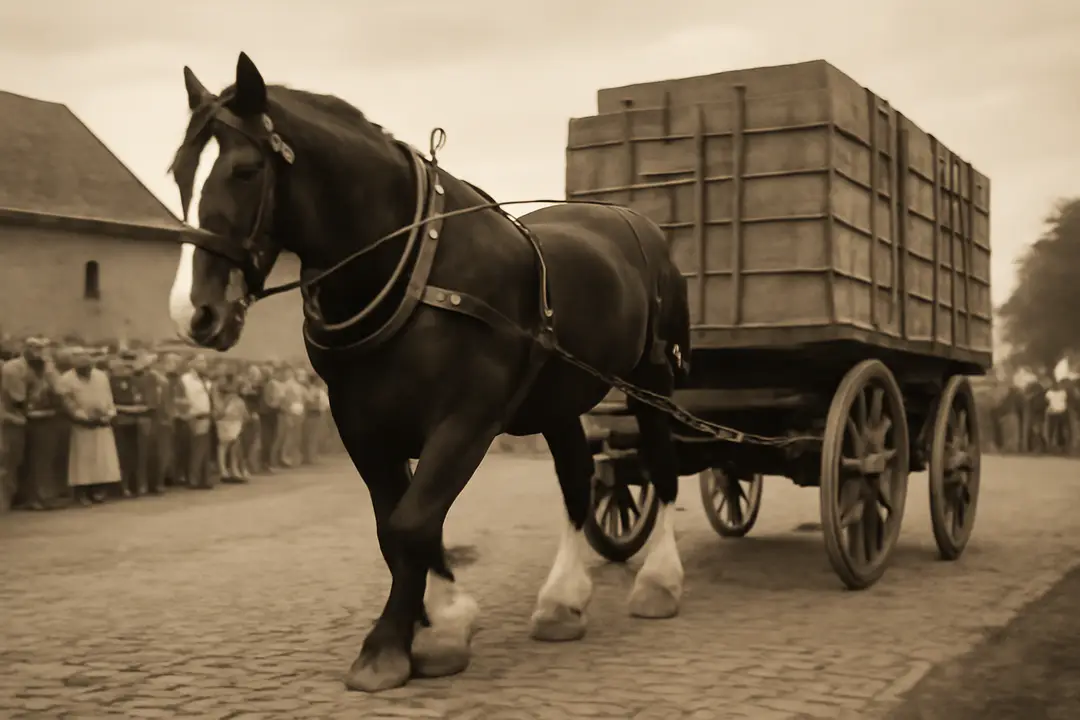
One of the earliest documented Shire records dates back to 1840, when a horse in Leicestershire pulled a 10,000-pound wagon hitched to a single harness. Over time, veterinary inspectors, official scales, and certified measuring sticks were introduced to ensure fairness. Today, organizations like the British Shire Horse Society and Guinness World Records oversee official submissions.
For owners aiming to set or verify a record, keeping detailed logs of training sessions, weight trials, and official measurements is key. Practical tip: Always invite an impartial third party—such as a vet or breed official—to witness and sign off on each attempt. This simple step can mean the difference between local bragging rights and a globally recognized world record.
Tallest Giants List
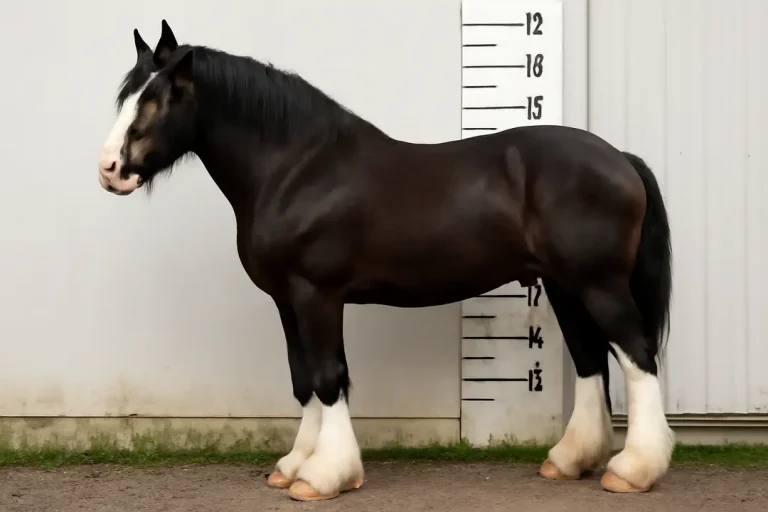
Height has always fascinated horse enthusiasts. On average, Shire horses stand around 17 to 18 hands high, but a select few have towered above these figures. Below is a list of the five tallest verified Shire horses in history, measured at the withers under strict guidelines.
- 1) Sampson – 21.2 hands
- 2) Goliath – 20.3 hands
- 3) King Bell – 19.3 hands
- 4) Great Britain – 19.1 hands
- 5) Braxton – 19.0 hands
Accurate height measurements require a certified measuring stick and a level surface. Animals must stand squarely, with legs aligned and head in a natural position. If you wish to confirm or challenge a record, enlist a certified equine professional, document each step with photos or video, and maintain those records.
Understanding the measurement protocol helps owners prepare their horses properly. For instance, trimming hooves evenly and ensuring the animal stands comfortably can influence final readings. Proper preparation not only boosts accuracy but also enhances the welfare of these majestic creatures.
Maximum Pulling Power
Shire horses are famous for their strength. Over the years, they’ve been called upon to pull heavy agricultural equipment, carriages, and even show wagons in competitions designed to highlight brute force. Below is a table of the top three officially recorded pulling feats:
| Horse | Weight Pulled (lbs) | Year |
|---|---|---|
| Ironclad | 14,000 | 1998 |
| Boldheart | 13,750 | 2007 |
| Magnus | 13,500 | 2015 |
To maximize a horse’s pulling capacity, handlers focus on balanced harness fit and gradual strength conditioning. Start with lighter loads and increase weight in small increments.
Practical tip: Regularly inspect harness straps and padding to avoid discomfort that could reduce performance. Well-maintained tack and a consistent training schedule are the cornerstones of achieving—and verifying—record-breaking pulls.
Speed and Agility
Contrary to their bulky frame, some Shire horses have displayed remarkable speed in short-distance trials. Sprint contests at county fairs often highlight these unexpected talents. The current 100-meter dash record for a Shire is 12.8 seconds, set by a horse named Flashpoint in 2012.
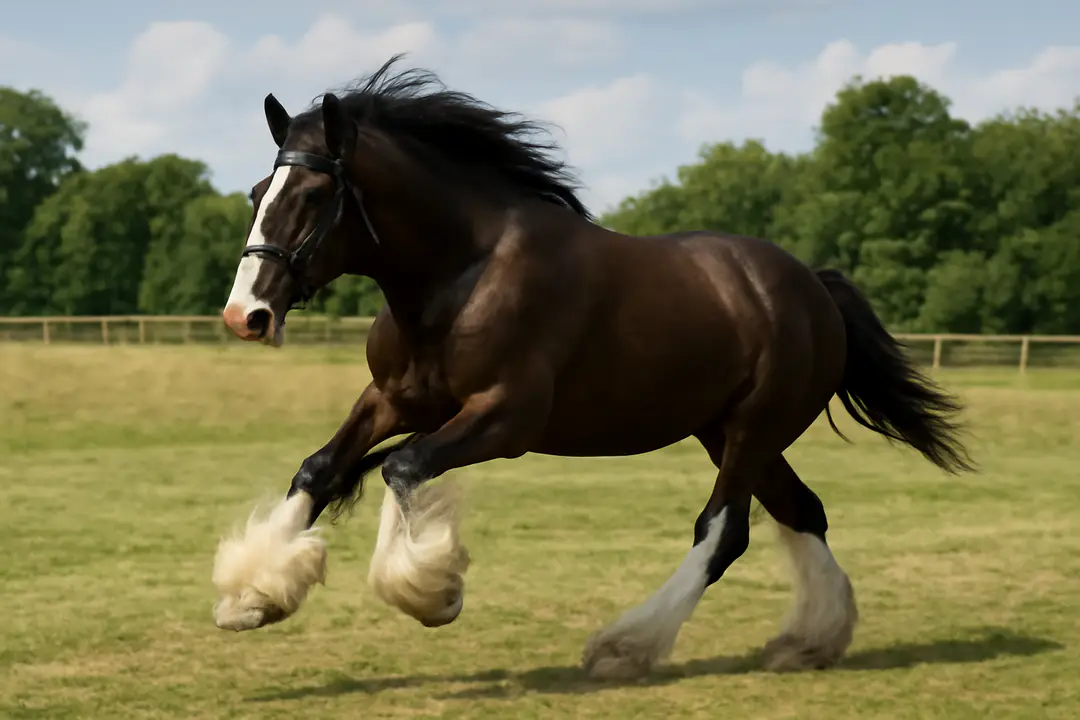
Training for speed involves a careful balance of cardiovascular conditioning and muscle strengthening. Handlers incorporate hill work, interval trotting, and light jumps to build agility. It’s crucial to monitor the horse’s joints and tendons, as these large breeds are prone to stress injuries.
Practical tip: Always warm up with 10 minutes of light walking or trotting, and cool down gradually after high-intensity work. Incorporate stretching exercises and massage therapy to maintain flexibility. These steps not only improve race times but also safeguard the horse’s long-term health.
Show and Novelty
Beyond height, weight, and speed, some Shire records fall into novelty categories. For example, the longest braided mane measured 14 feet on a horse named Seraphina in 2018. Another fun record is the largest single hitch of eight Shires pulling a ceremonial carriage at Windsor in 2019.
Documenting such achievements requires attention to detail. Take high-resolution photos with measurement markers or enlist a professional photographer familiar with equine events. Show judges often require proof of braid length or hitch formation standards, so prepare a portfolio in advance.
Practical tip: Use soft, elastic bands for braiding to protect the mane and schedule regular grooming to prevent tangles. When organizing a group hitch, plan harness placement to distribute weight evenly and ensure clear safety briefings for everyone involved.
Caring for Champions
World-record-holding Shires demand top-tier care. Their diet should be rich in fiber, with high-quality hay and controlled grain portions to maintain muscle condition without unnecessary bulk. Regular hoof trims and joint supplements can aid mobility, especially for older or heavily trained horses.
A consistent grooming routine is essential. Daily brushing removes dirt and stimulates circulation. Check for skin irritation or pressure sores where tack rests. Bathing should be gentle, using shampoos formulated for equine skin.
Practical tip: Schedule veterinary check-ups every six months to monitor weight, dental health, and overall fitness. Maintain a training log that tracks loads pulled, distances sprinted, and grooming notes. With meticulous care and documentation, you’ll be well on your way to supporting a record-worthy Shire horse.
Conclusion
Shire horses hold an extraordinary set of world records that celebrate their size, strength, and surprising athleticism. From the towering height of Sampson to the impressive 14,000-pound pulls by Ironclad, each record stands on a foundation of careful measurement and dedicated care. By understanding how these achievements are verified, enthusiasts can gain a deeper appreciation of the breeds’ capabilities and the standards behind each claim.
Whether you’re aiming to document a new record or simply marvel at past milestones, remember that accuracy and animal welfare go hand in hand. Keeping detailed logs, involving certified officials, and maintaining a consistent care routine are the keys to success. Celebrate these gentle giants responsibly, and you may find yourself contributing to the next chapter in Shire horse history.