
Shire Horse vs Clydesdale Size Comparison Guide
When it comes to draft horses, size often steals the show. We picture giants plowing fields or pulling floats in parades, but few people notice how subtle variations in height and mass affect daily care, handling, and performance. Have you ever wondered why a Shire might need different footing or handling than a Clydesdale, even if they look close in stature?
Understanding those small size differences can help you choose the right breed for your farm, stable, or hobby. By comparing height ranges, body mass, and build, you’ll see how each horse fits into tasks like logging, driving, or showing. This insight can save you time, money, and unexpected headaches down the road.
History and Origins
Both Shire and Clydesdale horses trace their roots to medieval Europe, where heavy equines powered farms and armies. The Shire evolved in England, famed for pulling brewer’s drays and barges on canals. Clydesdales come from Scotland’s River Clyde region, prized for hauling coal and timber. Over centuries, breeders focused on strength and temperament.

While both breeds share draft-horse heritage, their selection goals diverged. English farmers emphasized raw pulling power in Shires, leading to broader chests and heavier bones. Scottish breeders balanced strength with agility to handle steep, rocky terrain, giving Clydesdales a slightly leaner cut. This difference shows up even today in their gaits and endurance.
For modern owners, these origins matter. A Shire might thrive in a flat field pulling a cart but feel awkward on uneven ground. A Clydesdale may navigate hilly trails better but require more conditioning to match a Shire’s sheer power. Knowing each breed’s past helps you align tasks with abilities.
Height and Weight Range
One of the clearest distinctions between Shires and Clydesdales lies in recorded measurements. Typically, adult Shires stand 17 to 18 hands high (68–72 inches) and weigh between 1,900 and 2,400 pounds. Clydesdales usually measure 16.2 to 18 hands (65–72 inches) and weigh 1,600 to 2,000 pounds. While ranges overlap, averages show Shires edging out in weight and bulk.
Here’s a quick comparison table:
| Breed | Height (hands) | Weight (lbs) |
|---|---|---|
| Shire | 17–18 | 1,900–2,400 |
| Clydesdale | 16.2–18 | 1,600–2,000 |
Tip: Always measure at the withers on level ground. Small errors in posture or surface can skew readings by half a hand or more. Accurate measurements guide stall sizes, trailer fit, and nutrition planning.
Physical Build Differences
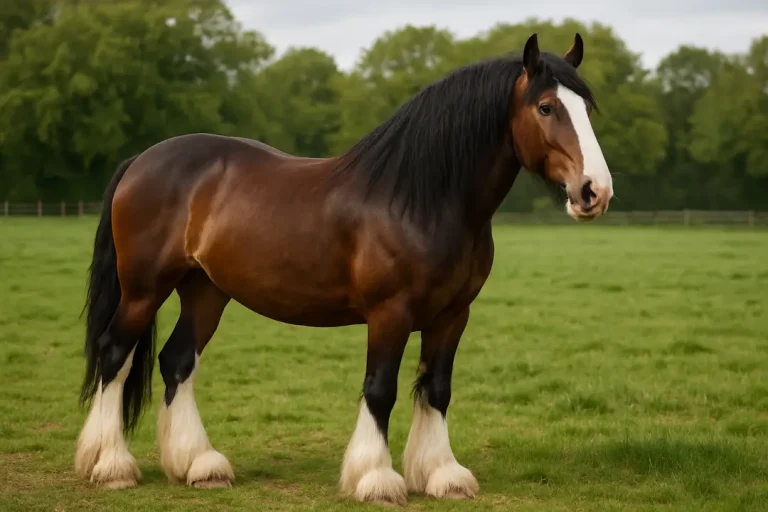
Beyond raw numbers, Shires and Clydesdales sport distinct body shapes. Shires often have broad shoulders, massive hindquarters, and a blockier frame. Their bones tend to be thicker, and their feather—long hair around the fetlocks—is dense and heavy. This gives them a “solid” look.
Clydesdales, in contrast, display longer legs relative to body depth, a more refined head, and lighter feather. Their muscling appears more defined, and their chest is narrower. Those factors make them look taller even at the same measured height. When you see a Clydesdale trotting, you’ll notice a spring in the step compared to a Shire’s powerful, ground-covering stride.
If you plan to show or ride, build matters. A Shire’s wide chest may require broader saddles, while a Clydesdale’s sloping shoulder can affect saddle fit and rider balance. Consult a saddler experienced with draft breeds. Proper tack ensures comfort and prevents back issues.
Daily Care and Space Needs
Size impacts everything from stall design to hoof care. A 2,000-pound Shire needs more stall space and heavier bedding than a 1,700-pound Clydesdale. Experts recommend stalls at least 14×14 feet for Shires, and 12×12 for most Clydesdales. If you run multiple horses, plan paddocks with strong fencing and wide gates to handle their width.
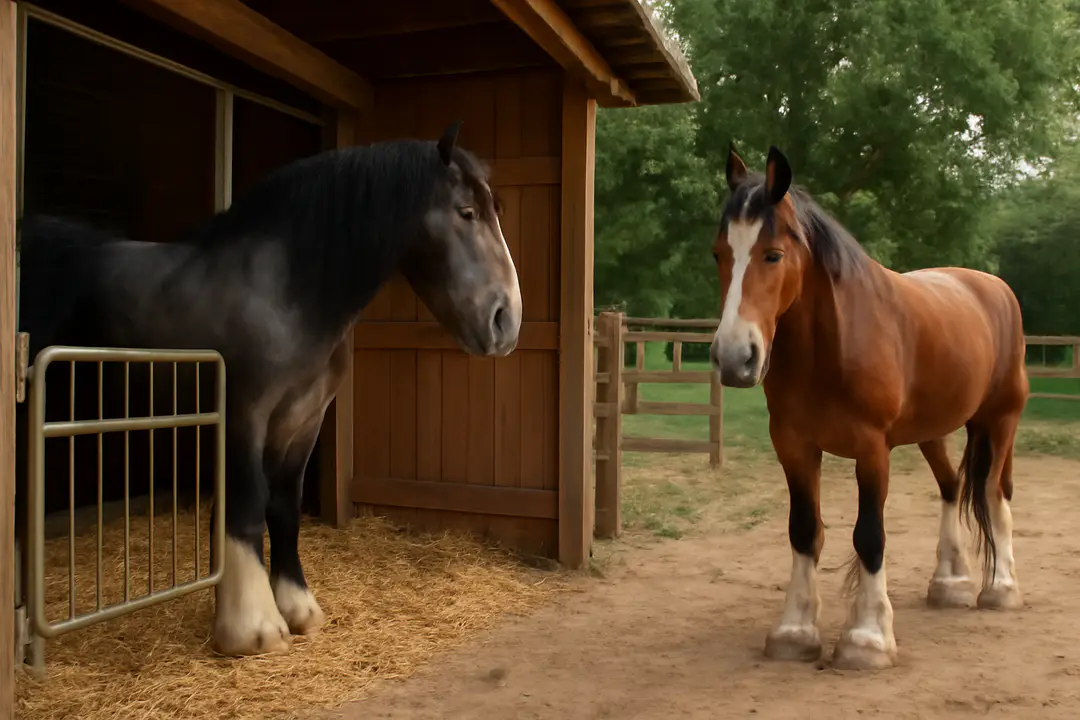
Hoof care also differs. Feathers trap moisture and debris, so Shires demand more grooming to prevent skin issues. Clydesdale legs are finer, requiring frequent checks for cuts or scrapes. Both breeds benefit from thrice-weekly brushing and regular picking out of hooves.
Feeding schedules must match size and workload. A heavy Shire in light work may need 20–25 pounds of hay daily, plus a balanced grain mix. A Clydesdale at similar work can stay fit on 15–20 pounds of forage. Monitor body condition weekly rather than by feel alone to adjust rations.
Performance and Use Cases
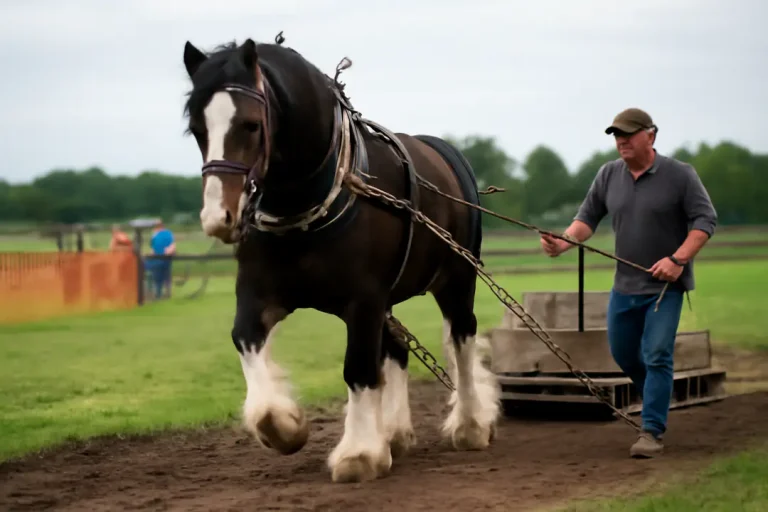
Shires and Clydesdales excel in draft roles but shine in different tasks. If you need raw pull—like high-capacity logging—you’ll find a Shire’s heavier mass invaluable. Their lower center of gravity increases traction on level surfaces. For parades or show driving, Clydesdales often take the limelight with flashy feather and distinctive knee action.
Here are three practical use cases:
- Farm Work: Shires pull plows and harrows with minimal fatigue, ideal for heavy-duty tasks.
- Parades & Shows: Clydesdales draw crowds, their arching neck and animated trot making a statement.
- Trail Riding: Clydesdales handle moderate terrain better, though both breeds need conditioning for long rides.
Pro Tip: Match the breed to your main task. If you rotate roles—farming one day, show the next—consider keeping one of each or ask your trainer about cross-training.
Choosing Between Breeds
Deciding on a Shire or a Clydesdale starts with your property and goals. Flat sites with heavy pulling work lean toward Shires. If you entertain or ride trails, a Clydesdale’s look and agility may suit you better. Budget for feed, fencing, and farrier bills—a heavier horse means slightly higher costs across the board.
Talk to local owners. Seeing these horses in person, perhaps at a draft-horse show, reveals nuances behind the numbers. When you compare size side by side—like in this guide to shire horses and clydesdales side by side—you’ll notice that a two-inch height difference can feel much larger when you’re handling them.
Finally, consider temperament. Both breeds are calm and trainable, but personality varies by individual. Spend time grooming and leading prospective horses. The right connection often outweighs small size differences.
Conclusion
Choosing between Shire and Clydesdale-size profiles isn’t just about numbers. It’s about how each breed’s height, weight, and build fit your daily routine, tasks, and space. When you grasp those differences—from broad, powerful Shires to athletic, refined Clydesdales—you’ll match your needs with the right draft partner.
Picture your work: farm chores, show events, or trail rides. Then weigh stall dimensions, feed costs, and grooming demands. Talk to breeders, measure horses yourself, and factor in personality. With these insights, you’re ready to avoid surprises and invest in a horse that complements your lifestyle. Whether you choose a hefty Shire or an elegant Clydesdale, understanding size nuances leads to a rewarding partnership.