Shire Horse Vaccination Schedule: A Complete Guide
Welcoming a gentle giant like the Shire horse into your stable is one of the most rewarding experiences a horse lover can enjoy. Yet amid the hay bales and grooming brushes, the vaccination schedule often slips under the radar, even though it’s vital for keeping your equine companion healthy. What happens if you miss a key booster or delay a shot because the timeline wasn’t clear?
By mapping out a clear Shire horse vaccination schedule, you gain confidence in each jab, avoid unexpected vet bills, and shield your horse from common and emerging diseases. A solid plan not only keeps your horse safe but also helps you make smarter care decisions that support long-term health and performance.
Why Vaccines Matter
Vaccines are your first line of defense against serious equine diseases. For a Shire horse, these big, sturdy animals carry great value—emotionally and financially—so preventing illness is critical. A regular daily care routine can highlight when your horse feels off, but only vaccines offer targeted protection.
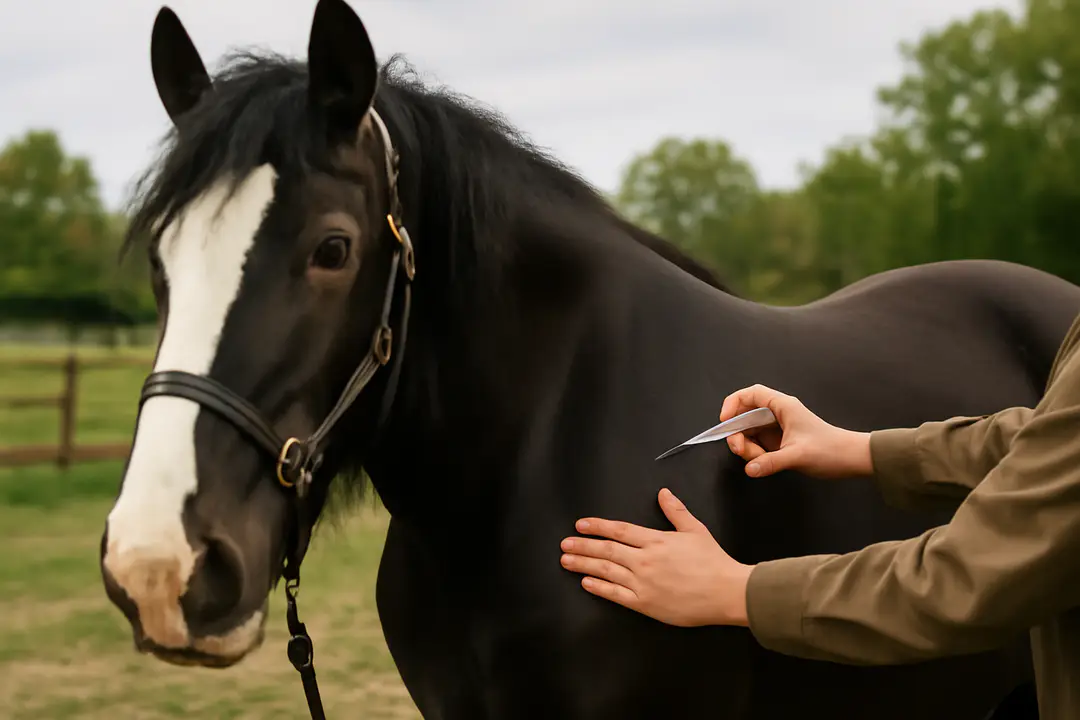
Unvaccinated horses risk contracting tetanus, rabies, and other infections that can be life-threatening. Beyond the horse’s welfare, preventing outbreaks safeguards neighboring animals and reduces herd-level risk. Setting up a clear schedule also gives you peace of mind. When you know exactly which shots are due and when, you avoid last-minute vet calls and emergency drives to the clinic.
Practical Tip: Keep a seasonal note—spring boosters often come with deworming, and fall shots may align with changes in turnout and feeding. This doubles your efficiency when managing a large Shire who thrives on routine.
Ultimately, a vaccine plan isn’t just a checklist. It’s an investment in your horse’s comfort, your budget, and the broader barn community.
Core Vaccines Overview
Core vaccines are those recommended for all horses, regardless of region or lifestyle. They protect against diseases with high risk or severity. For Shire horses, these are essential:
- Tetanus: Guards against the toxin that thrives in soil-borne wounds.
- Rabies: Prevents a fatal viral infection transmitted by wildlife bites.
- Eastern/Western Equine Encephalomyelitis (EEE/WEE): Protects the brain from mosquito-borne viruses.
- West Nile Virus: Another mosquito-spread disease that can cause paralysis.
- Equine Herpesvirus (EHV-1, EHV-4): Reduces respiratory issues and neurological outbreaks.
Most core vaccines require an initial series followed by annual boosters. For instance, tetanus often needs two shots four to six weeks apart, then yearly. EEE/WEE and West Nile usually come as a combined shot, boosted once a year.
Practical Tip: Coordinate your Shire’s core boosters with seasonal changes. Many owners schedule these in spring, just before mosquito season peaks, and again in the fall to carry protection through winter.
Risk-Based Vaccines
Risk-based vaccines depend on your horse’s lifestyle and local disease threats. Consult your veterinarian to decide which ones fit your Shire’s situation. Below is a comparison of common risk vaccines:
| Vaccine | When to Use | Frequency | Key Benefit |
|---|---|---|---|
| Strangles | High-density barns, shows | 6 months | Prevents painful lymph node abscesses |
| Botulism | Western states, feeding on poor hay | Annual | Protects against a deadly toxin |
| Potomac Horse Fever | Near rivers, ponds, farms | Annual | Reduces fatal colitis risk |
| Influenza | Show horses, heavy travel | 6–12 months | Lessens fever and cough outbreaks |
Practical Tip: If your Shire travels to fairs or clinics, keep a separate log of risk shots. Some may require boosters every six months, so syncing them with your core schedule improves compliance.
Planning Your Schedule
Creating a visual timeline helps you never miss a dose. Start by marking birth or arrival date as “day zero.” Then map out:

- Initial series: Dates for day 0, 4–6 weeks later, then booster at six months for select vaccines.
- Annual boosters: Align with seasonal peaks of specific diseases (e.g., spring for mosquito-borne).
- Risk shots: Slot in risk-based vaccines mid-year or as travel events arise.
For example, you might give EEE/WEE and West Nile in April, follow with tetanus and rabies in May, and then Strangles in October if you board. Linking your feeding schedule with shot days can also save time since you’re already handling supplements or dewormers.
Practical Tip: Use an online calendar or a barn chart. If you share care duties, a visible chart in the tack room ensures everyone knows what’s due next.
Managing Side Effects
Most horses tolerate vaccines well, but minor reactions can occur. These include soreness at the injection site, low-grade fever, or mild lethargy. For a Shire horse, keep an eye on them for 24–48 hours.
If you spot swelling larger than a half-dollar or see your horse off feed for more than a day, call your vet. To ease discomfort:
- Apply a cold pack to the injection area.
- Encourage light turnout or hand-walking to maintain circulation.
- Offer fresh hay and water to stimulate appetite.
Practical Tip: Record any reaction in your tracking log and discuss alternatives with your vet. Sometimes changing the injection site or spacing boosters differently can reduce discomfort.
Tracking Your Records
A clear record keeps you on top of past and upcoming shots. Use either a bound notebook, a digital spreadsheet, or a mobile app. Include:
- Vaccine name and brand
- Date administered
- Dosage and lot number
- Next due date
At each vet visit, review the log together to confirm you’re on track. If multiple caretakers handle your Shire, place a printed chart in the barn office. This reduces miscommunication and missed boosters.
Practical Tip: Back up digital records to the cloud. If your barn office computer crashes, you’ll still have access on your phone or tablet.
Conclusion
Mapping out a Shire horse vaccination schedule ensures your gentle giant stays healthy and thriving. By understanding core and risk-based vaccines, planning a clear timeline, and managing side effects, you set your horse up for fewer vet emergencies and more quality barn time. Keeping detailed records ties it all together—no more guessing what was done last year or scrambling for paperwork at show check-in.
Make vaccination planning part of your overall care routine. Coordinate shots with seasonal feeds, share the schedule with barn staff, and use digital tools or wall charts for quick reference. With a strong plan in place, you protect your Shire, support barn biosecurity, and enjoy peace of mind knowing you’ve covered every important detail.
Now is the time to draft your chart, schedule your vet, and keep your majestic Shire protected all year round.