
Shire Horse Temperament: Understanding Gentle Giants
We all admire shire horses for their strength and grand presence. Yet we often overlook the critical role of early handling on their lifelong temperament. A young colt’s first encounters with people and tasks can set the tone for its entire life. If initial training and social time go missing, even a gentle giant may become unpredictable. How much can a few hours of early care change their calm nature?
Focusing on early handling gives you a clear path to a well-mannered adult horse. When you understand this aspect, you can tailor your training and daily routine to build trust, prevent stress reactions, and enjoy a safe partnership.
Breed Origins Influence
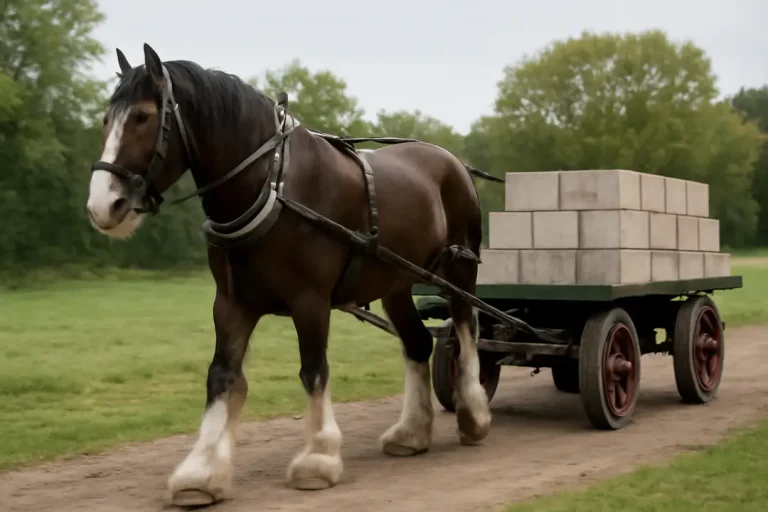
Shire horses trace back to medieval England, where they pulled plows and carts. Breeders favored animals that remained calm under stress. Early records describe stallions standing over 17 hands tall yet moving with steady, careful steps. Careful selection passed on a gentle nature as much as raw strength. Today’s shires still carry this legacy.
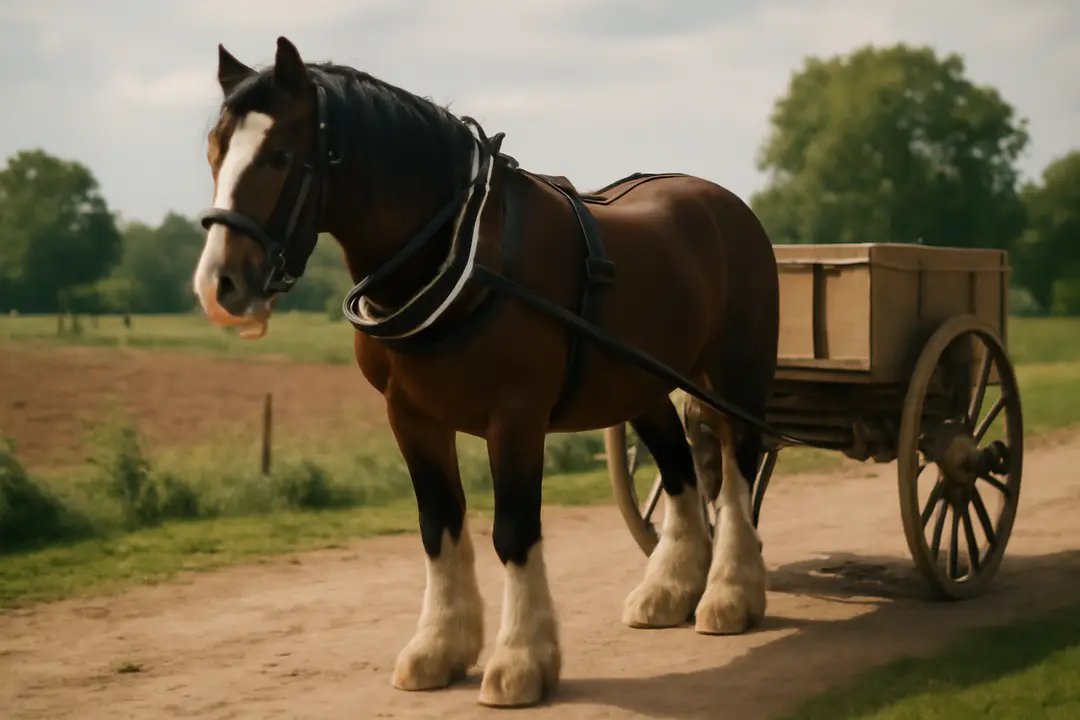
Their genes reflect decades of breeding for reliability. A modern shire averages 17 to 18 hands high and weighs around 2,000 pounds. Beyond size, stud books highlight temperament as a key trait. If you look at lineage charts, you will spot names repeated for their even temperament alongside strong working ability.
Tip: When choosing a foal or adult, ask for temperament evaluations in the lineage. Many breeders keep notes on how foals reacted to noise or new handlers. You can use that data to pick an animal likely to stay calm in busy events or farm work. A little extra research up front saves stress later.
Originally, shires thrived in damp, foggy regions of East Anglia. Handling work in low visibility meant horses had to stay focused and steady. A nervous horse could stumble in mud or spooky conditions. Generations of survival shaped a mind that stays relaxed in uncertain settings.
By understanding these roots, you connect the breed’s past to its present mind. That link helps you predict how a shire might adapt to tasks, weather, or new routines. It also underlines why they are prized for slow, steady jobs rather than quick bursts of energy. You get a horse built for a lifetime of consistent, reliable work.
Social Bonds Explained
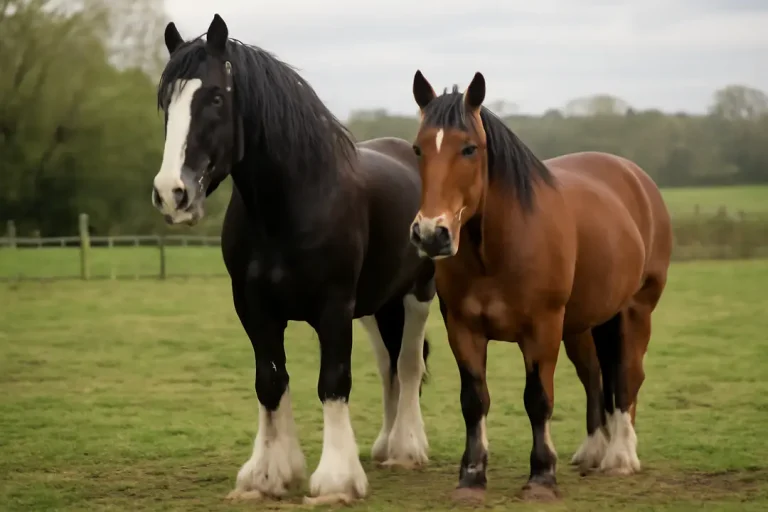
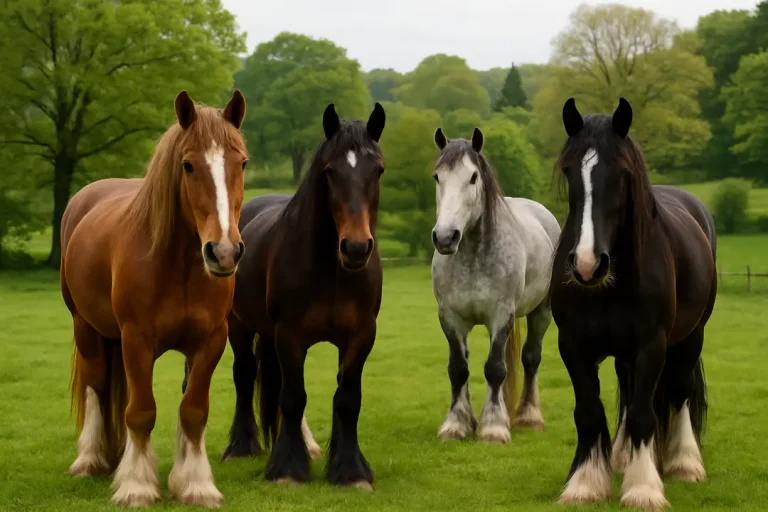
Shires are herd animals that form close social bonds with other horses and humans. They communicate through subtle body language: a raised head can signal alertness, while a relaxed jaw shows comfort. Observing these cues helps you read their mood before handling. Building trust in a calm setting makes both daily tasks and training smoother.
These giants thrive on consistency. A set feeding schedule, paired with regular grooming, signals safety. Once they know you will visit at the same time each day, their stress levels drop. They learn to approach gates and stalls happily rather than with caution or hesitation.
Your role as a handler mirrors a herd leader’s. Shires look for clear signals and predictable actions. If you move calmly and speak gently, they will follow. Practice simple exercises like walking side by side at a steady pace to reinforce your leadership role.
Feedback loops deepen bonds. When you reward calm behavior—such as backing up on command or standing still during shoeing—you reinforce trust. Ignoring minor missteps and focusing on correct responses prevents hard feelings. Over time, the horse learns that a steady approach leads to positive outcomes.
For more on how these horses express moods and reactions, you can explore their natural behavior patterns. That insight helps you spot subtle signs of fear or excitement before they turn into bigger issues. Understanding these patterns is key to nurturing a reliable equine partner.
Training for Calmness
Training a shire horse focuses on gradual exposure and clear communication. Their calm nature makes them quick to learn, but sudden changes can break trust. Start with basic ground work in a quiet area. Keep sessions short—10 to 15 minutes—to avoid overloading their brain.
Follow these steps to build calm responses:
- Introduce Halter and Lead: Let the foal sniff and examine equipment without pressure.
- Walk and Stop Drills: Teach forward and halt cues, praising each correct action with gentle pats.
- Desensitization Tasks: Present everyday objects—tarps, flags, or cones—and reward the horse for investigating.
- Backing Up Sessions: Ask the horse to step back; this builds respect and attention.
- Routine Grooming Practice: Combine grooming with commands so the horse learns to stand still.
This list gives structure, but flexibility matters too. Watch the horse’s ear and neck position. Adjust tasks if attention drifts. Always end on a positive note, even if it means going back to a simpler step. A calm horse learns better when it feels successful.
Tip: Keep a training log. Note how long each session lasted, which steps went smoothly, and any signs of stress. Over a few weeks, patterns emerge. You can then tweak the pace or repeat exercises to strengthen the bond. That record also helps other caregivers maintain consistency.
Care and Mood
Daily care has a direct impact on shire horse temperament. Their large size means they need more forage and turnout time than smaller breeds. A lack of exercise can lead to restlessness, even in these calm giants. Regular movement and grazing help manage energy and keep them relaxed.

Grooming does more than clean their long feathers; it builds trust. Run your hands along their legs and body, speaking softly throughout. For deeper insights on grooming routines and diet specifics, consult a detailed care guide. This will show you ideal feeding ratios, hoof care schedules, and shelter recommendations.
Hoof health is especially key. Shires carry extra weight on their feet, so neglecting thrice-daily cleanings can lead to discomfort. A horse in pain or with hot, tight hooves may become skittish or resistant. By staying on top of trims and checking for stones or cracks, you keep them calm under saddle or in harness.
Nutrition affects mood as well. Too much grain can spike energy and cause tension. Offer high-quality hay and pasture, with small amounts of concentrate if needed. Spread feed times into three to four smaller meals to avoid long gaps that can stress their digestive system.
Finally, pay attention to shelter and turnout. Shires enjoy open fields but need windbreaks in wet conditions. A comfortable environment reduces anxiety and supports steady behavior. Simple changes in care routines can make a dramatic difference in how your horse greets the day.
Drafts Compared
Comparing shire horses with other draft breeds helps highlight unique temperament traits. We’ll look at shire and clydesdale side by side. Shires tend to be more reserved and calmer, while clydesdales may show more animation in familiar settings. Seeing the data at a glance clarifies their differences.
| Trait | Shire | Clydesdale |
|---|---|---|
| Average Height | 17 to 18 hands | 16 to 17 hands |
| Average Weight | 1,800 – 2,400 lbs | 1,800 – 2,000 lbs |
| Temperament | Calm, patient | Friendly, a bit spirited |
| Common Use | Heavy hauling, farm work | Parades, lighter draft |
| Sensitivity | Low | Moderate |
This quick comparison shows why shires are chosen for tasks requiring steady endurance. Clydesdales often excel in show settings where a touch more flair is welcome. If you need a horse that stays steady under long hours of work, a shire’s relaxed temperament may suit you best.
Conclusion
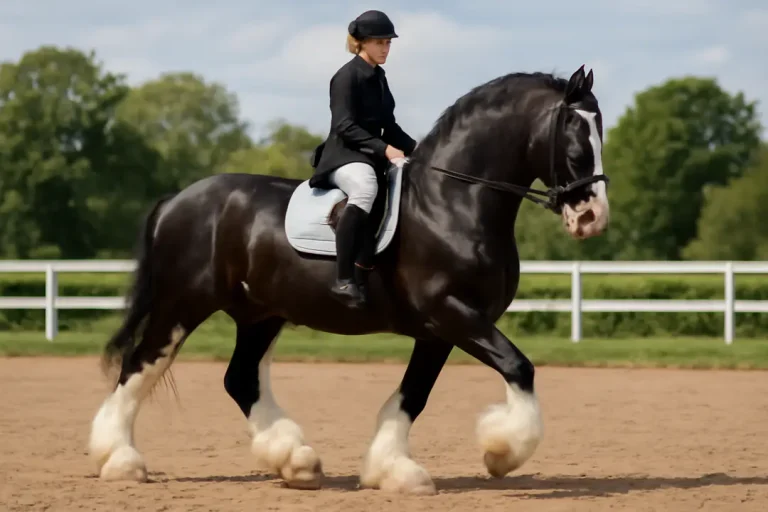
Understanding shire horse temperament gives you a strong foundation for a lasting partnership. From their deep roots in medieval England to the modern arenas where they still shine, these horses carry a calm, steady spirit. Proper social interaction and early handling shape that spirit, preventing surprises later. Training with clear steps and a consistent care routine keeps them focused and relaxed.
Whether you plan to work them on a farm, show them in parades, or simply enjoy their gentle company, you now have practical tips to guide your approach. Check a friendly shire horses guide if you want deeper insight into their social side. By tailoring your methods—slow exposure, structured grooming, balanced nutrition—you support their natural temperament and build trust. The result is a reliable, calm giant ready to work or walk by your side. Embrace their steady nature, and you’ll find a loyal companion in the grand shire horse.