
Spotted Horses and Different Spotted Horse Breeds: A Comprehensive Guide
Spotted horses have captured human fascination for centuries with their unique coat patterns and striking beauty. These horses are not just eye-catching; they have a rich history and are bred for their intelligence and versatility. From the majestic Appaloosa to the charming Knabstrupper, spotted horses have always stood out in the equestrian world.
These horses were once prized possessions of royal families and have played significant roles in various cultures and traditions. Breeders have been captivated by their colorful patterns which include variations like the leopard, blanket, and snowflake. Their diverse markings make each horse unique, leading to their popularity among riders and enthusiasts.
With a variety of breeds, each offering its own set of traits and temperaments, spotted horses remain a favorite in many equine sports and activities. Whether used for pleasure riding or performance, these horses continue to be celebrated for their distinctive appearance and ability.
Key Takeaways
- Spotted horses are known for their unique patterned coats.
- They have a rich history and cultural significance.
- These breeds are versatile and used in various activities.
Spotted Horse Names
Here are some great names for a spotted horse, inspired by their unique coat patterns:
Classic & Elegant Names
- Marbles
- Freckles
- Dapple
- Patches
- Speckles
- Pepper
- Pebbles
- Dotty
- Blotches
- Mosaic
Nature-Inspired Names
- Snowflake
- Stormy
- Willow
- Misty
- Meadow
- Riverstone
- Cloud
- Birch
- Thunder
- Eclipse
Unique & Fun Names
- Oreo
- Dalmatian
- Confetti
- Jigsaw
- Panda
- Sprinkles
- Checkers
- Polka
- Tuxedo
- Inky
Western & Cowboy-Style Names
- Apache
- Dakota
- Comanche
- Scout
- Cheyenne
- Sundance
- Bandit
- Outlaw
- Maverick
- Buckshot
Mythical & Fantasy Names
- Pegasus
- Orion
- Phantom
- Mystic
- Stardust
- Enigma
- Zephyr
- Avalon
- Valkyrie
- Artemis
History of Spotted Horses
Spotted horses have fascinated humans for thousands of years. Their unique coat patterns and rich history are reflected in art and culture around the globe. This section delves into their origins and their significant role throughout history.
Origins and Domestication
Spotted horses have been around for a very long time. Evidence of these horses appears in ancient cave paintings, suggesting that early humans noticed and valued their distinctive patterns.
These horses were likely among the first domesticated for their unique appearance and practical uses. Throughout Asia and Europe, ancient communities bred them for both their beauty and utility. The different patterns in their coats made them highly sought after, not just for work but also for status.
Historical Significance
Spotted horses appeared prominently in various civilizations, especially within royal circles. They were often exchanged as prestigious gifts among leaders and nobility.
Their roles were not limited to royal stables. Spotted horses also found their way into military ranks, performing loyally in many battles due to their strength and calm demeanor. They often served ceremonial purposes, celebrated in festivals and religious ceremonies, enhancing their reputation across cultures.
Characteristics of Spotted Horses
Spotted horses are known for their striking appearances and unique patterns. Their beauty lies in their color variations, while distinct genetics contribute to their spotted appearances. Besides their coats, these horses also share certain physical traits that differentiate them from other equine breeds.
Color Patterns
Spotted horses exhibit a range of patterns that make them stand out. Common patterns include leopard, with its white coat and dark spots distributed across the body, and blanket, characterized by a solid-colored body with a white patch over the rump, often with additional spots. Other patterns like snowflake, marble, and frost add more diversity, each with its own unique look and distribution of spots.
Color patterns can vary greatly. Leopards are often more pronounced, while the pattern in snowflakes can appear more subtle. The contrast between light and dark hues is a significant factor in their appeal. These variations are influenced by genetics and individual breed characteristics, as seen in breeds like the Appaloosa and Knabstrupper.
Genetics Behind Spots
The genetic factors contributing to spotted coats are fascinating. The leopard complex gene is chiefly responsible for the spots seen in breeds like the Appaloosa. This gene affects both coat color and pattern through various alleles that can result in different spotting patterns. Inheritance can be complex, with multiple genes influencing the expression and intensity of spots.
Spotted horses may also carry genes affecting their skin, eyes, and even hooves. The LP gene (leopard pattern) doesn’t always result in an obvious pattern but can lead to subtle coat changes or even solid colors in some cases. Each horse’s coat is a rich tapestry influenced by historical breeding and genetic diversity.
Physical Traits
In addition to their unique coat patterns, spotted horses often share certain physical traits that contribute to their mystique. They tend to have mottled skin, which can include spotted patterns around sensitive areas like the eyes and muzzle. This can add to their distinct look overall, enhancing the visual appeal of the spots on the coat.
Their eyes can be striking due to sclera visibility, where the white part surrounding the iris is noticeable. This gives them a more expressive appearance. Spotted horses often also have striped hooves, which are not common in solid-colored horses, offering further visual interest. These features contribute to the allure and distinct identity of spotted horses across different breeds.
Different Spotted Horse Breeds
Spotted horse breeds are admired for their striking appearance. Each breed’s unique patterns contribute to its charm and distinction. Among these breeds, the Appaloosa, Knabstrupper, Noriker, and British Spotted Pony stand out for their captivating spots.
Appaloosa
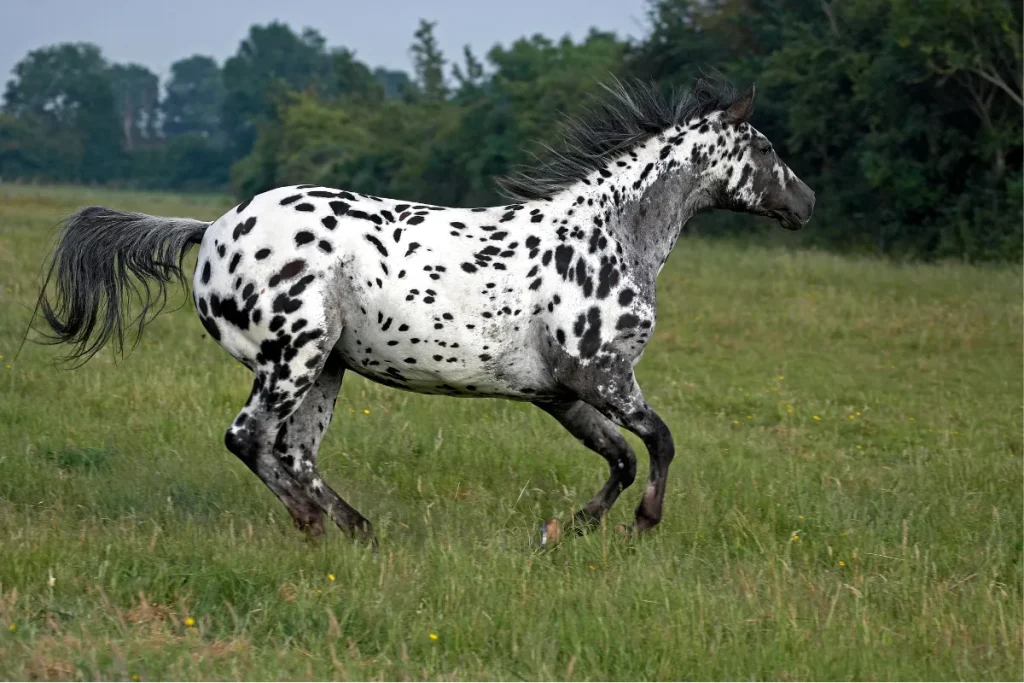
The Appaloosa is renowned for its vibrant spotted coat and has a rich history linked to the Nez Perce people in North America. This breed often displays distinct patterns like leopard spots, snowflake, and blanket.
They are versatile and used in various equestrian activities, from racing to trail riding. Their friendly nature and intelligence make them popular among riders of all ages. With a robust build, they are well-suited for diverse terrains and climates.
Knabstrupper
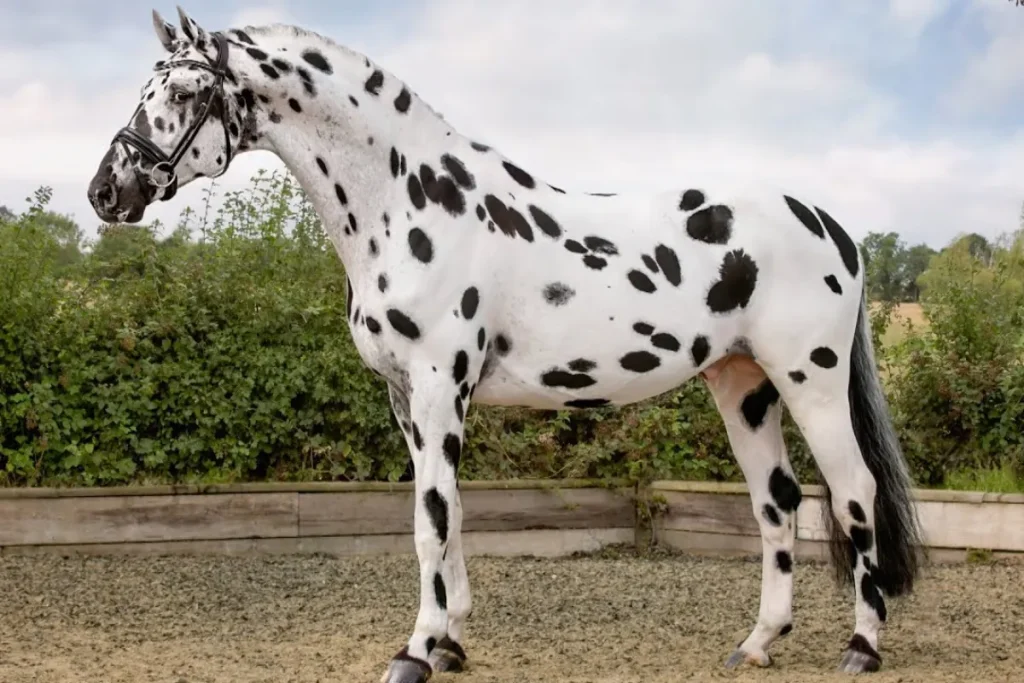
Known for their showy coats, Knabstruppers originate from Denmark. Their patterns can range from full leopard spots to solid colors with few markings. These horses are often used in dressage and show jumping due to their agility and grace.
Knabstruppers are prized for their calm temperament, making them excellent companions as well as performance horses. In the 19th century, they gained popularity across Europe for royal carriages and circuses because of their beauty and poise.
Noriker
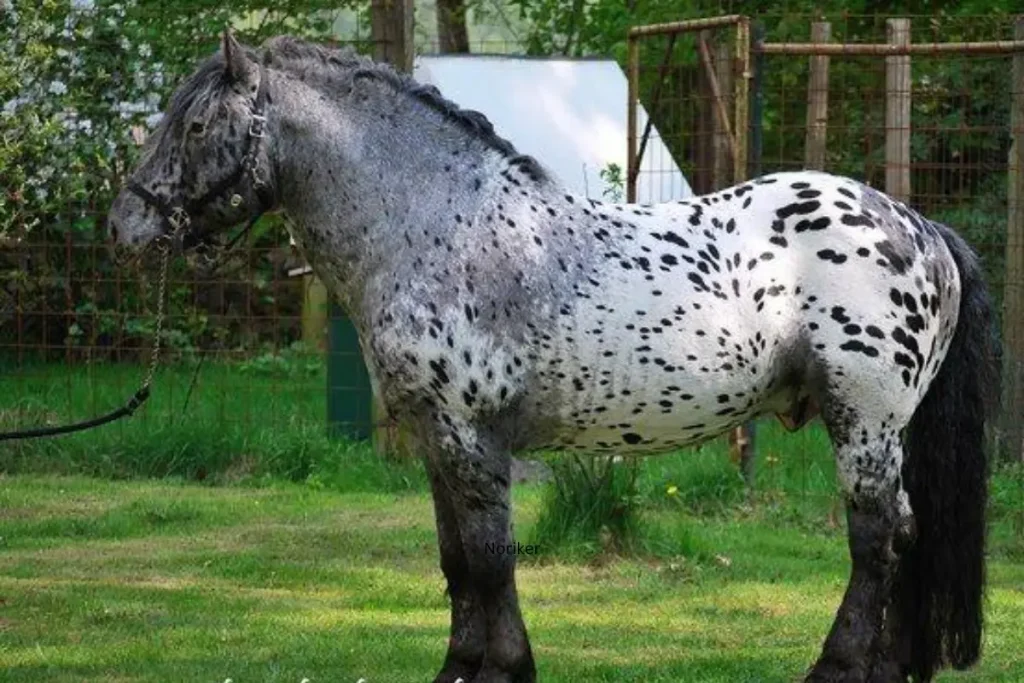
The Noriker, originally from Austria, is a strong horse often recognized by its bold spotted patterns. Developed as a draft horse, the Noriker combines power with a striking appearance. The breed has a history rooted in farm work and forestry.
This breed is known for its reliability and endurance. They are typically gentle giants, with a friendly demeanor that appeals to both newcomers and experienced equestrians. Norikers are also valued for their sure-footedness in mountainous regions.
British Spotted Pony
The British Spotted Pony is small in size but big in charm, boasting an array of leopard-like spots. It has been popular in the UK since the Middle Ages and used as a companion and light riding pony.
Their gentle yet lively nature makes them perfect for children and families. Despite their petite stature, they carry their riders confidently and respond well to training. These ponies are versatile, used in showing, driving, and as pets.
Spotted Horses in Culture and Art
Spotted horses have a rich presence in culture and art, symbolizing unique traits and appearing in various forms of media.
Symbolism of Spotted Horses
In many cultures, spotted horses are symbols of freedom and strength. Their unique patterns often represent individuality and distinction. Historically, these horses were considered gifts fit for royalty due to their striking appearance.
In Native American cultures, they are revered for their spiritual significance. They are sometimes believed to possess magical qualities or serve as spirit animals. Similarly, in European folklore, the presence of spotted horses often signifies good fortune or protection.
Representations in Media
Spotted horses frequently appear in media, from literature to film. They often play key roles in stories, celebrated for their beauty and unique traits.
Movies sometimes cast them as noble companions or symbols of adventure. In children’s books, their distinctive markings capture the imagination, making them memorable characters. Artistically, spotted horses are popular subjects in paintings and sculptures. They provide visual intrigue due to their distinct patterns, making them a favorite for artists showcasing beauty and movement.
Breeding and Conservation
Spotted horses, with their unique coats, require careful breeding to maintain their distinct appearance. Conservation efforts are necessary for certain rare breeds to ensure their survival for future generations.
Breeding Techniques
Breeding spotted horses involves selecting specific traits to achieve the desired coat patterns. The Leopard complex, or LP gene, plays a crucial role in determining these patterns. Breeders often focus on horses with the presence of this gene to enhance spotting.
To maintain genetic diversity, breeders may cross rare spotted horses like the Knabstrupper with other breeds. This helps prevent inbreeding problems while still producing the striking coat characteristics that are so valued. Artificial insemination and embryo transfer are modern techniques used to improve breeding results.
Conservation Efforts
Several spotted horse breeds, like the Knabstrupper, are rare and require ongoing conservation efforts. Organizations and breeders focus on maintaining these breeds by promoting responsible breeding practices that preserve genetic diversity.
Conservation groups often aim to increase the population while ensuring the health of the horses. Breed registries and conservation programs play a vital role in tracking genetic information and supporting rare breeds. Education about these horses is important in garnering support for their conservation, ensuring these beautiful animals continue to thrive.
Health and Care
Spotted horses often require special attention due to their unique coat patterns and skin sensitivities. Proper grooming and regular health checks are vital to ensure their well-being.
Common Health Issues
Spotted horses may have particular health concerns due to their pigmentation. Skin sensitivity is a common issue; horses with lighter coats might experience sunburn. Owners should provide shade or apply sunscreen to protect them.
Vision problems can also occur. Spotted patterns sometimes coincide with a condition called Congenital Stationary Night Blindness (CSNB). Regular eye exams from a veterinarian help in managing these potential issues.
Hoof care is crucial. Uneven patterns in some breeds may cause hoof growth irregularities. Regular trimming and care from a professional farrier can prevent issues related to this.
Maintenance and Grooming
Regular grooming is essential for spotted horses to maintain a healthy coat. This involves brushing to remove dirt and debris, which also helps in distributing natural oils for a shiny appearance. Pay attention to areas where color patterns change, as these might need extra care.
Frequent bathing is necessary, especially for horses prone to skin diseases. Use gentle, hypoallergenic shampoos to prevent skin irritations. Clipping long hair during warmer months can help in reducing skin problems.
It’s also important to regularly check for any skin lesions or irritations. Early detection and treatment can prevent more severe health concerns. Maintaining a clean living environment enhances their overall health and reduces the risk of infections.
Popular Uses for Spotted Horses
Spotted horses are not only admired for their striking coat patterns but also excel in various roles. They are popular in equestrian sports, leisure riding, and therapeutic programs.
Equestrian Sports
Spotted horses shine in various equestrian disciplines. Their agility and unique appearance make them favorites in both western and English competitions. In western sports, they participate in events like cutting and reining, where their quick reflexes are highly valued.
In English sports, they often compete in show jumping and dressage. Competitors and spectators alike admire their distinctive coats. The Appaloosa, in particular, is a common choice due to its natural athleticism.
Leisure Riding
Many people choose spotted horses for leisure riding. Their calm temperaments make them excellent companions for trail rides. Riders appreciate their ability to handle difficult terrains with ease.
These horses often serve in family settings, where their friendliness is a big asset. Their eye-catching patterns attract attention wherever they go. Breeds like the Pony of the Americas are especially suited for children due to their size and temperament.
Therapeutic Riding Programs
Spotted horses play important roles in therapeutic riding programs. Their gentle nature and ability to bond with riders make them ideal for assisting people with disabilities.
Participants in these programs often gain confidence and improve their balance and motor skills. The calm demeanor of spotted horses helps create a reassuring environment. Appaloosas are frequently used because of their patient and steady behavior.
These horses provide emotional support and physical benefits to program participants, creating positive experiences and aiding in personal development.
Frequently Asked Questions
Spotted horses have unique traits and patterns that capture attention. Some breeds, like the Knabstrupper and Appaloosa, are especially noted for their spots. Understanding these breeds and the genetics behind their markings can inform decisions about purchasing or valuing these horses.
What are the main characteristics of the Knabstrupper breed?
The Knabstrupper is known for its distinct leopard-like spots. An agile breed, it often participates in dressage and show jumping. It originated in Denmark and ranks high for its intelligence and friendly temperament.
How can one differentiate between an Appaloosa and a Pinto horse?
Appaloosas have distinct coat patterns with mottled skin, striped hooves, and white sclera around the eyes. Pintos, meanwhile, are defined by their coat color pattern characterized by large patches of different colors, rather than the spotted look of Appaloosas.
What is the name for a horse with grey spots on its coat?
A horse with grey spots can be called a “dapple grey.” Over time, their coats may develop an even greyer hue, accompanied by lighter or darker spots.
Are there any specific considerations when purchasing a spotted horse breed?
When buying a spotted horse, consider its genetics, as some patterns might be linked to certain health conditions. Additionally, look at its temperament, training, and intended use, whether for sport, breeding, or companionship.
What are the genetic factors leading to spots on horses?
Spots on horses are often influenced by the leopard complex gene, which plays a key role in creating the patterns seen in breeds like the Appaloosa. This gene can affect coat patterns, markings, and skin pigmentation.
How does the presence of spots affect the value of a horse?
Spots can increase a horse’s value due to their unique appearance and rarity in certain breeds. However, factors like lineage, health, training, and purpose play significant roles in determining the overall worth of a spotted horse.
FURTHER READING