Rarest Horse Breeds in the World
Horses have long been revered for their elegance, strength, and versatility. While many breeds are well-known worldwide, some exist in such limited numbers that they remain a mystery to most. These rare equines, often steeped in centuries of history, face the challenge of dwindling populations, making their preservation a priority for conservationists and enthusiasts alike.
List of Rarest Horse Breeds in the World
Here’s a list of some of the rarest horse breeds in the world—many of which have unique histories, characteristics, and limited populations:
1. Akhal-Teke
- Origin: Turkmenistan
- Known for: Its metallic, shimmering coat and exceptional endurance.
- Population: Estimated 6,000 – 7,000 worldwide.
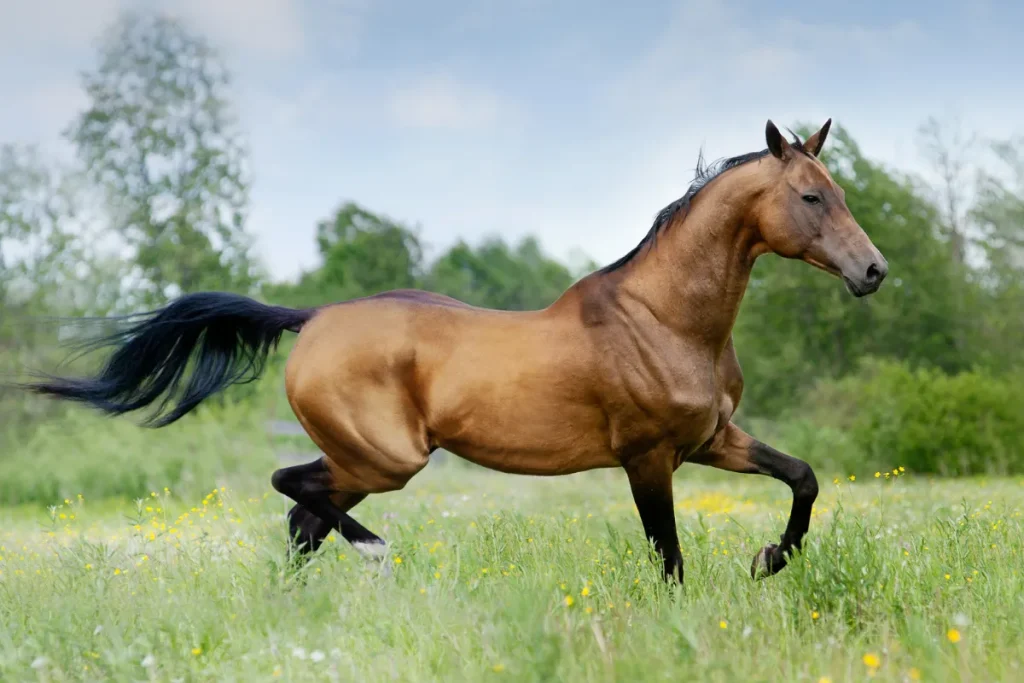
Akhal-Teke (Turkmenistan) Horse Names
- Günes (Sun in Turkmen)
- Shimmer
- Altun (Gold in Turkmen)
- Mirage
- Teke
- Sultan
- Samarkand (Ancient Silk Road city)
- Zarina (Golden in Persian)
- Ashgabat (Turkmenistan’s capital)
- Gilded Wind
2. Sorraia
- Origin: Portugal
- Known for: Primitive dun-colored coat, close relation to Iberian wild horses.
- Population: Fewer than 200 – 300.
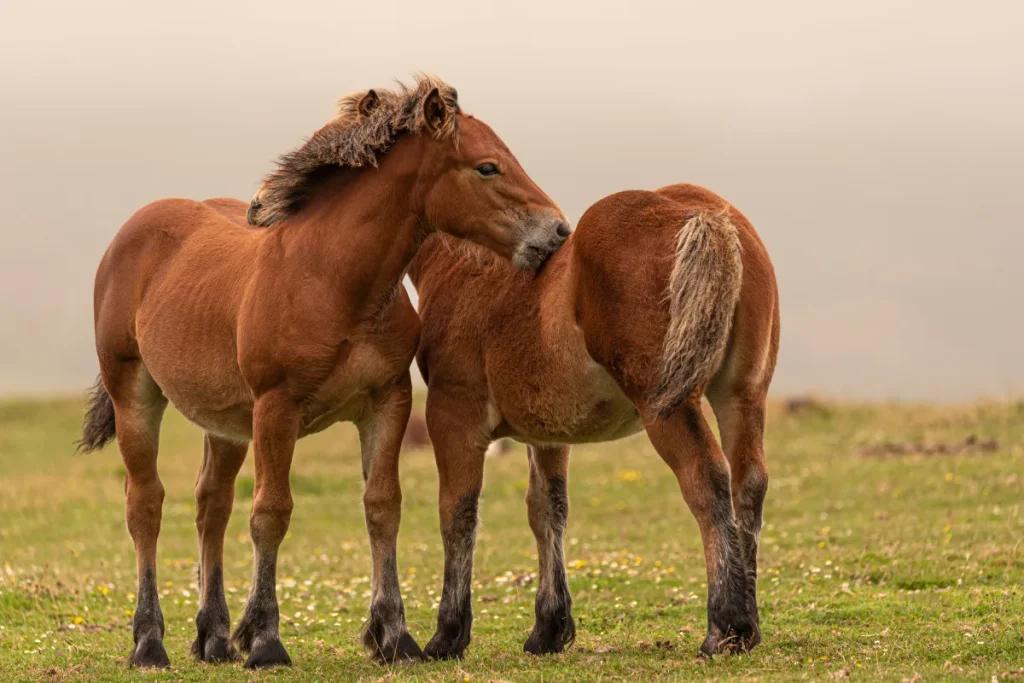
Sorraia (Portugal) Horse Names
- Fado (Traditional Portuguese music)
- Lusitano (Reference to Portugal’s Lusitania region)
- Dourado (Golden in Portuguese)
- Rio (River in Portuguese)
- Brisa (Breeze in Portuguese)
- Trovão (Thunder in Portuguese)
- Xico (Short for Francisco, a common Portuguese name)
- Azulejo (Portuguese ceramic tile)
- Serenata (Serenade in Portuguese)
- Tejo (Portugal’s famous river)
3. Galiceño
- Origin: Mexico
- Known for: Small but strong build, used by Spanish conquistadors.
- Population: Fewer than 100 in the U.S., and declining in Mexico.
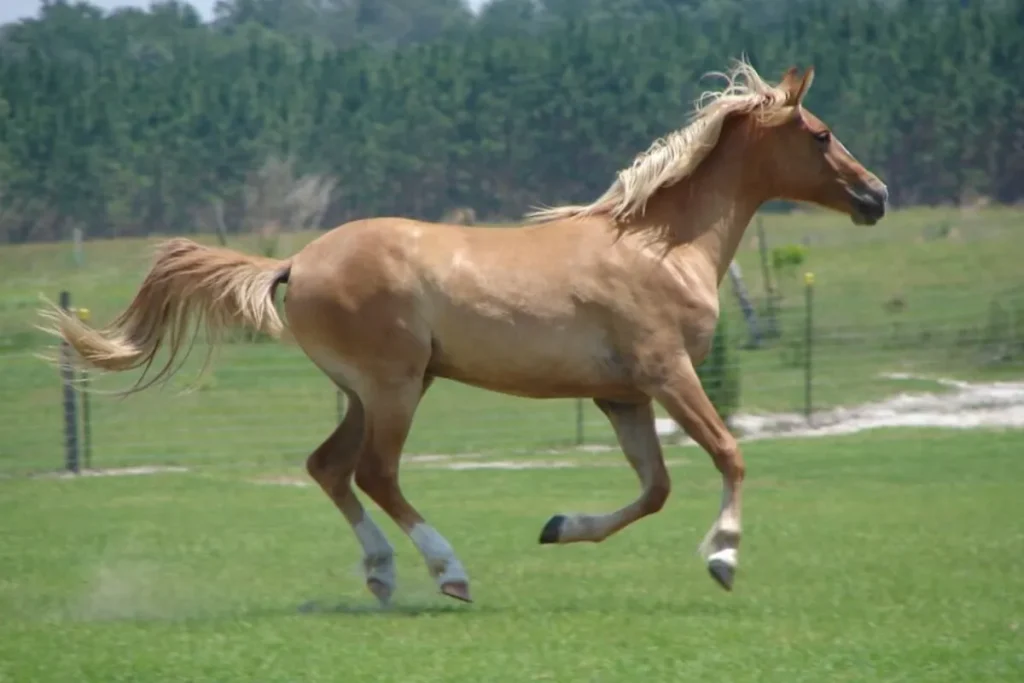
Galiceño (Mexico) Horse Names
- Azteca
- Tesoro (Treasure in Spanish)
- Chapulín (Grasshopper in Spanish, a common Mexican reference)
- Oro (Gold in Spanish)
- Soltero (Bachelor, a common Spanish horse name)
- Zorro (Fox in Spanish)
- Quetzal (Legendary Mesoamerican bird)
- Charro (Mexican cowboy)
- Canelo (Cinnamon in Spanish, a reddish color)
- Rio Bravo
Check out Nez Perce Horse Names: Native American heritage
4. Caspian Horse
- Origin: Iran
- Known for: Ancient Persian breed, small size, and agility.
- Population: Around 1,000 globally.
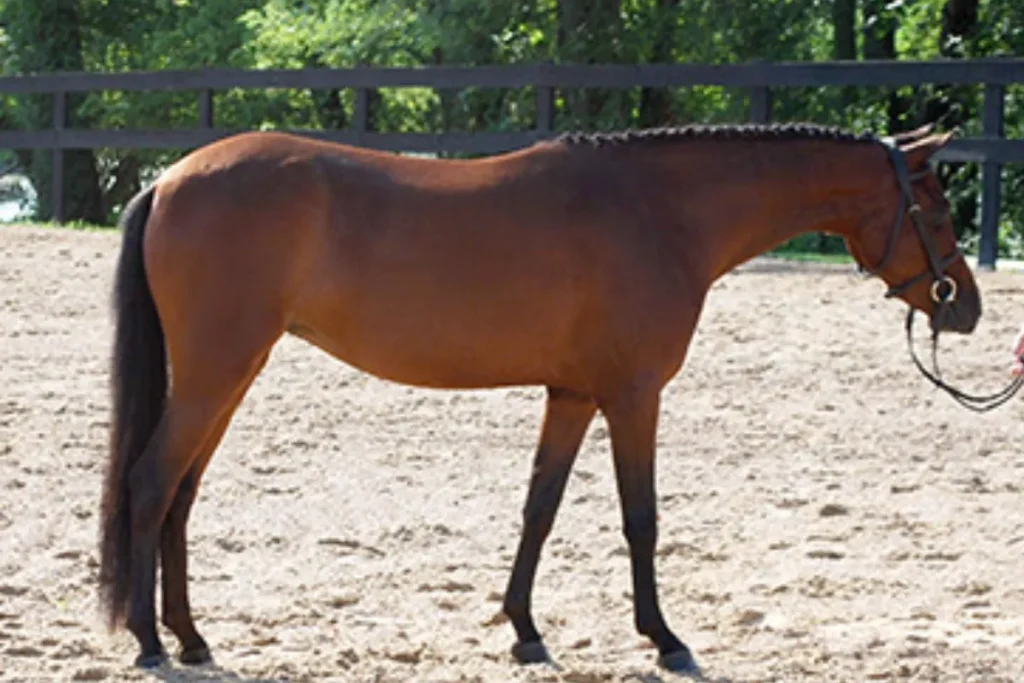
Caspian Horse (Iran) Horse Names
- Shah (Persian for king)
- Darya (Sea in Persian)
- Zar (Gold in Persian)
- Turan (Ancient Persian land)
- Feridun (Mythological Persian hero)
- Shirin (Sweet in Persian)
- Rostam (Legendary Persian warrior)
- Bamdad (Morning in Persian)
- Simorgh (Persian mythological bird)
- Mahin (Moon-like in Persian)
5. Marwari
- Origin: India
- Known for: Inward-curving ears and royal history in Rajasthan.
- Population: Fewer than 1,000 purebred individuals.
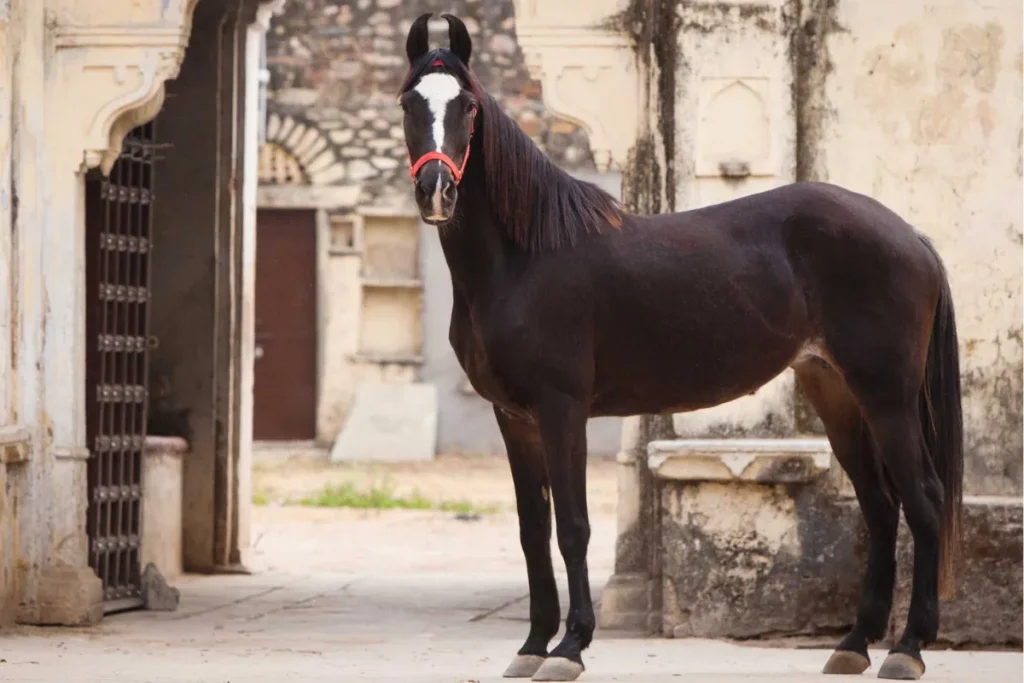
Marwari (India) Horse Names
- Raja (King in Hindi)
- Jodhana (After Jodhpur, Rajasthan)
- Manikya (Ruby in Sanskrit)
- Indra (King of Gods in Hindu mythology)
- Tara (Star in Sanskrit)
- Veer (Brave in Hindi)
- Padma (Lotus in Sanskrit)
- Rani (Queen in Hindi)
- Kesari (Saffron, also means lion)
- Surya (Sun in Sanskrit)
Check out Japanese Horse Names: A Guide to Unique and Meaningful Choices
6. Yonaguni
- Origin: Japan
- Known for: A rare Japanese island horse, small and hardy.
- Population: Around 100 – 200 left.
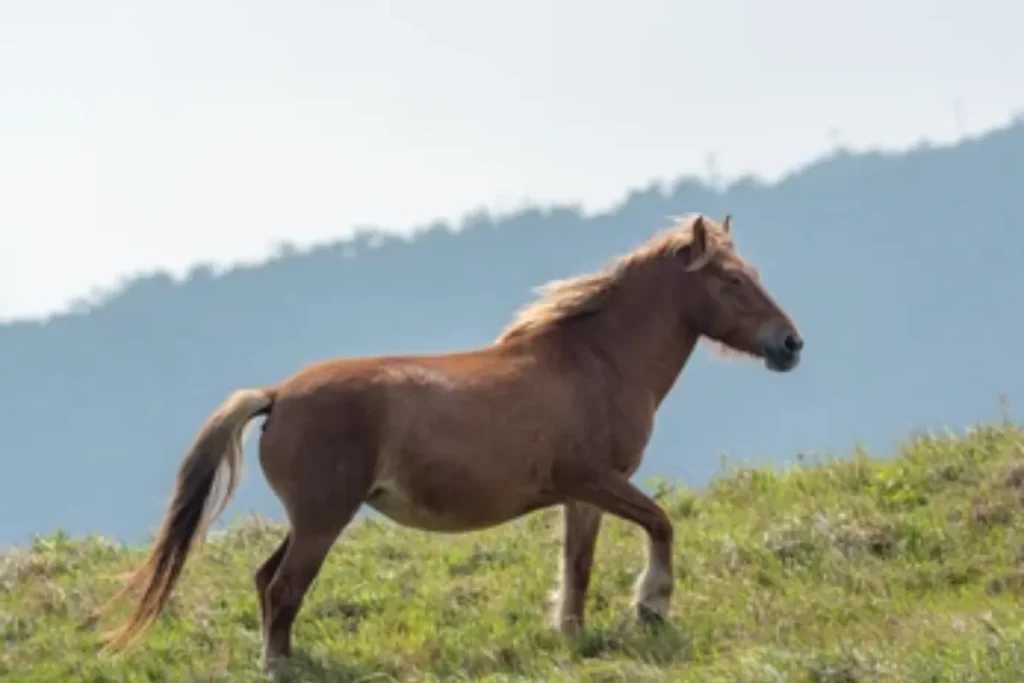
Yonaguni (Japan) Horse Names
- Hikari (Light in Japanese)
- Sakura (Cherry blossom)
- Taiyo (Sun in Japanese)
- Tora (Tiger in Japanese)
- Kaze (Wind in Japanese)
- Ryu (Dragon in Japanese)
- Hinata (Sunny place)
- Yuki (Snow in Japanese)
- Akari (Brightness)
- Samurai
7. Eriskay Pony
- Origin: Scotland
- Known for: Ancient Celtic pony, almost went extinct.
- Population: Around 300.

Eriskay Pony (Scotland) Horse Names
- Skye (After Isle of Skye)
- Haggis (Traditional Scottish dish, funny name for a pony)
- Firth (Scottish for an estuary)
- Heather (Scottish plant)
- Lochlan (Land of lakes)
- Bonnie (Beautiful in Scottish)
- Bran (Legendary Scottish warrior name)
- Fionn (Fair-haired)
- Thistle (Scotland’s national flower)
- MacDuff (Famous Scottish clan)
Check out Scottish Horse Names: A Guide to Unique and Traditional Selections
8. American Cream Draft
- Origin: United States
- Known for: Cream-colored coat and amber eyes.
- Population: Fewer than 500 worldwide.
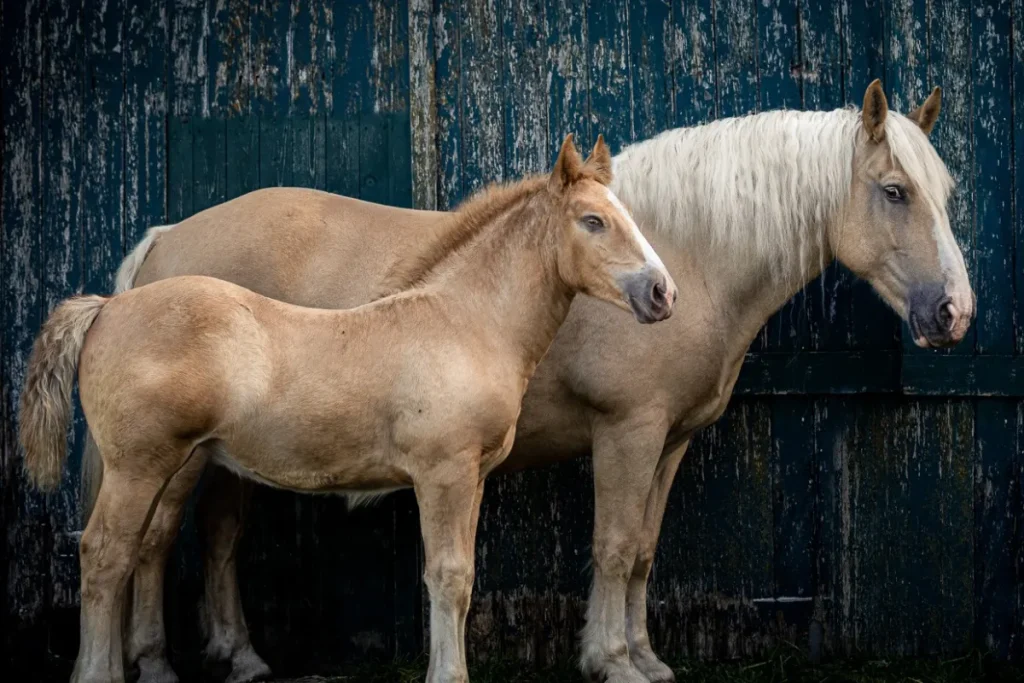
American Cream Draft (USA) Horse Names
- Buttercup
- Goldie
- Honeycomb
- Amber
- Vanilla
- Buck (After buckskin color)
- Dolly (Like Dolly Parton, fitting for a classic American horse)
- Maple (Golden autumn leaves)
- Dusty
- Champ (Short for Champagne)
9. Suffolk Punch
- Origin: England
- Known for: Oldest English draft horse breed, chestnut-colored.
- Population: Fewer than 600 worldwide.
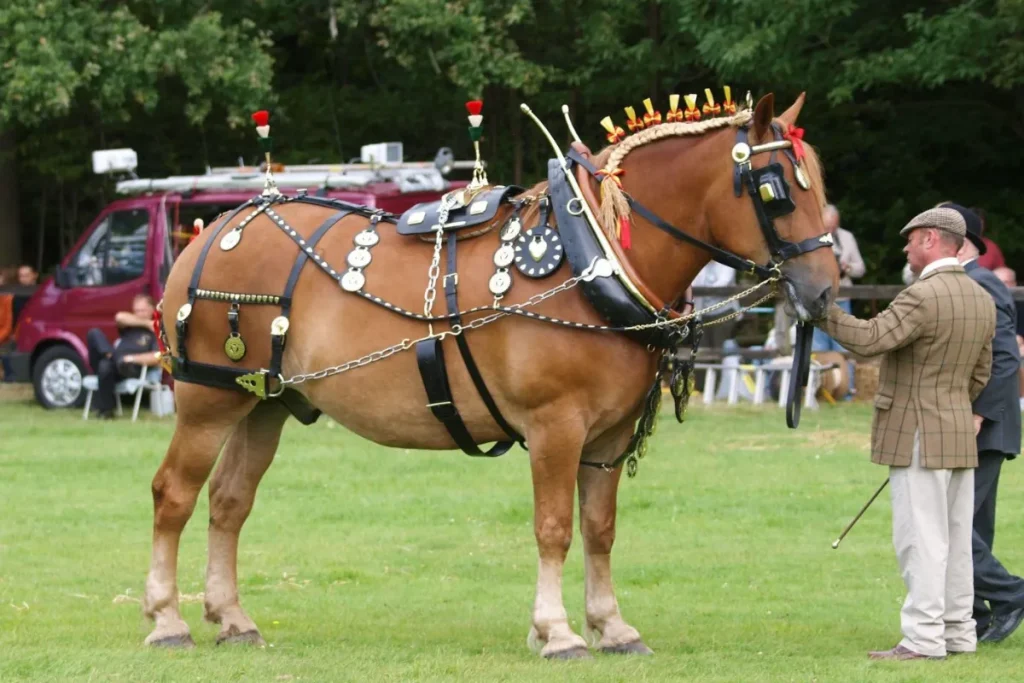
Suffolk Punch (England) Horse Names
- Brick (For their strong build)
- Biscuit
- Copper
- Fox
- Rusty
- Chester (Classic British name)
- Duke
- Oakley (Reference to oak trees)
- Cider (After Suffolk’s famous apples)
- Henley (Classic English name)
Check out Shire Horse Names: Unique Choices for Your Majestic Steed
10. Heck Horse
- Origin: Germany
- Known for: An attempt to recreate the extinct Tarpan horse.
- Population: Fewer than 1,000.
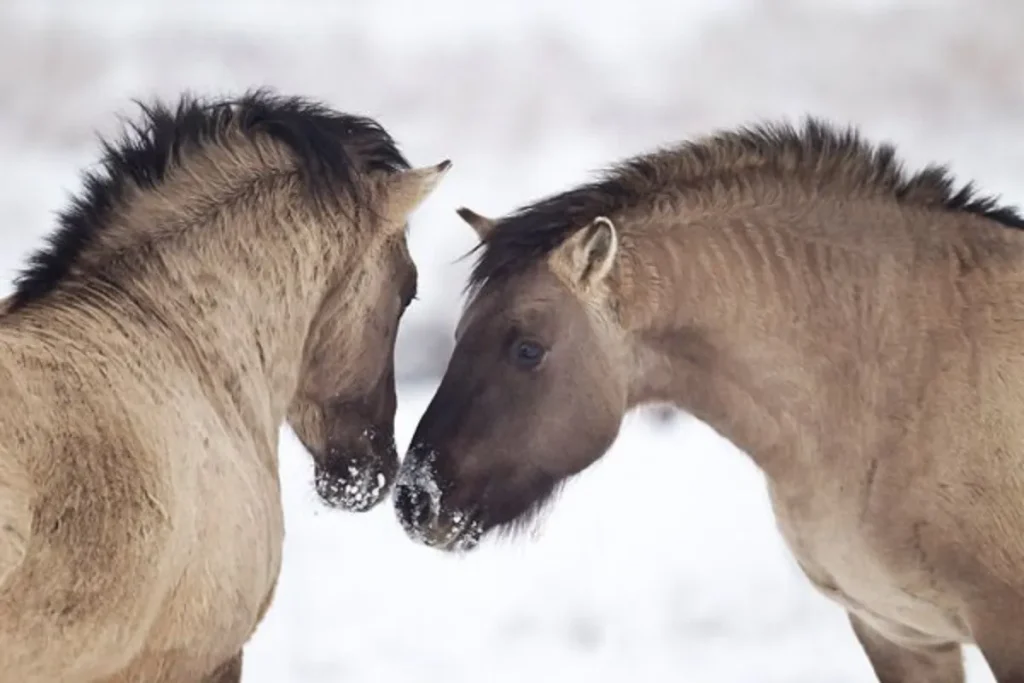
Heck Horse (Germany) Horse Names
- Tarpan (After their extinct ancestor)
- Sturm (Storm in German)
- Donner (Thunder in German)
- Blitz (Lightning in German)
- Jäger (Hunter in German)
- Graufell (Gray coat in German)
- Wotan (Norse/Germanic god)
- Berlin
- Bruno (Common German name)
- Freya (Norse goddess, fitting for a hardy breed)
Why Some Horse Breeds Are So Rare
Several factors contribute to a breed’s rarity, ranging from geographic isolation to selective breeding. Some breeds have remained largely unchanged for centuries due to their unique adaptations to specific environments, while others have suffered population declines due to shifts in agricultural practices, wars, or economic downturns.
The Impact of Rarity on Horse Conservation and Breeding
The dwindling numbers of certain horse breeds pose significant challenges. Conservation efforts, often led by breed registries and equine organizations, are crucial in ensuring the survival of these unique breeds. Preserving genetic diversity is not just about maintaining a breed’s aesthetic appeal; it is also vital for preventing inbreeding-related health issues and sustaining valuable traits that could otherwise be lost.
The Factors That Make a Horse Breed Rare
Low Population Numbers: A Vanishing Heritage
Some horse breeds have never had large populations, while others have seen dramatic declines over time. Whether due to changes in human needs or natural selection, these breeds now teeter on the brink of extinction. With fewer than a few hundred individuals in existence, some breeds require urgent intervention to remain viable.
Geographical Isolation: Hidden in Remote Corners of the World
Many rare breeds are found in remote or difficult-to-access regions, where they have remained relatively unchanged for centuries. Their isolation has both protected and hindered their development, making them fascinating examples of equine history preserved in time.
Selective Breeding: The Rarity of Pure Bloodlines
While selective breeding is essential for refining desirable traits, it can also lead to a bottleneck in genetic diversity. Some breeds have suffered due to strict breeding regulations that limit their numbers, making it difficult for populations to expand.
Historical Events: Wars, Disasters, and Declining Demand
Throughout history, wars and economic shifts have played a significant role in the decline of certain horse breeds. Horses that were once indispensable for transportation, agriculture, and warfare have seen their roles diminished, leading to population reductions and, in some cases, near extinction.
Check out 250+ White Horse Names
The Most Elusive and Rare Horse Breeds
Akhal-Teke – The Golden Horse of the Desert
Origins and History: The Ancient Turkmen Treasure
The Akhal-Teke, originating from Turkmenistan, is one of the oldest and most revered horse breeds in the world. Known for its endurance and resilience, this breed was historically prized by nomadic tribes and warriors.
Shimmering Coats: The Unique Metallic Sheen
What sets the Akhal-Teke apart is its stunning, metallic coat that glows under sunlight. This unique sheen, caused by the structure of its hair, makes it one of the most visually striking horse breeds.
Traits and Characteristics: Speed, Endurance, and Loyalty
Akhal-Tekes are celebrated for their athleticism, intelligence, and strong bond with their owners. These traits make them exceptional endurance racers and loyal companions.
Conservation Efforts: Preserving a National Treasure
With fewer than 7,000 Akhal-Tekes left worldwide, conservation efforts focus on responsible breeding programs and raising awareness about this extraordinary breed.
Sorraia – The Forgotten Wild Horse of Portugal
A Link to Prehistoric Horses?
Some researchers believe the Sorraia horse descends from the ancient wild horses of Europe. Their primitive appearance and resilient nature make them a fascinating breed.
Unique Dun Coloring and Zebra-Like Stripes
Sorraias are instantly recognizable due to their dun coloration and distinctive primitive markings, including dorsal stripes and zebra-like leg barring.
Surviving Against the Odds: From Extinction to Preservation
Once on the brink of extinction, dedicated conservationists have worked to restore Sorraia populations, though they remain critically rare.
Caspian Horse – The Rediscovered Ancient Persian Breed
A Breed Lost for Centuries
The Caspian horse was thought to be extinct until its rediscovery in the 1960s. This diminutive breed has deep roots in Persian history.
Small Yet Mighty: Strength Beyond Their Size
Despite their small stature, Caspians are incredibly strong and agile, making them valuable in equestrian sports and breeding programs.
Modern-Day Challenges and Conservation
Limited numbers and breeding challenges make conservation efforts for the Caspian horse crucial to ensure its survival.
The Challenges of Preserving Rare Horse Breeds
The Cost of Conservation and Selective Breeding
Maintaining rare horse breeds requires significant financial resources, as responsible breeding programs and conservation initiatives demand careful planning and funding.
The Role of Breed Registries and Preservation Groups
Breed registries play a vital role in documenting and protecting these rare breeds, ensuring their lineage remains pure and their numbers grow sustainably.
How Equestrian Enthusiasts Can Help Protect Rare Breeds
Supporting breed conservation efforts, promoting awareness, and encouraging responsible ownership are crucial steps in protecting these extraordinary horses.
Conclusion
The Importance of Celebrating and Preserving Rare Horse Breeds
Rare horse breeds embody history, culture, and genetic diversity. Protecting them ensures that future generations can appreciate their unique beauty and contributions.
How These Breeds Contribute to the World of Equine Diversity
From their remarkable endurance to their distinct physical traits, rare horse breeds offer a glimpse into the evolutionary and historical journey of equines.
Encouraging Awareness and Support for Rare Horse Conservation
By championing conservation efforts, spreading awareness, and supporting responsible breeding, equestrians and enthusiasts can help secure a future for these rare and remarkable horses.
FURTHER READING