Famous Shire Horses in History: Legendary Gentle Giants
Shire horses are often celebrated for their size and strength, but their real impact lies in the individual stories behind each legendary animal. We know they pulled plows and pulled artillery, yet we rarely pause to learn about the giants whose names echo through history. From awe-inspiring records to wartime bravery, each famous Shire horse carries a tale worth telling. How did these individual icons shape the breed’s reputation and inspire generations?
By uncovering the stories of these great animals, we gain insights that go beyond mere measurements. Understanding their achievements and challenges can guide today’s breeders, historians, and horse lovers. It helps us make informed choices in care, breeding, and preservation while preventing surprises about health or temperament. Ultimately, knowing these tales enriches our bond with the breed and keeps their memory alive.
Sampson the Titan
Few horses rival the legend of Sampson, once hailed as the tallest of all equines. Born in 1846 on William OFarrell’s farm in Toddington, England, he reached a staggering height of 21.2 hands (86.5 inches) and weighed over 3,360 pounds at maturity. His sheer scale made him a must-see attraction at fairs and agricultural shows.
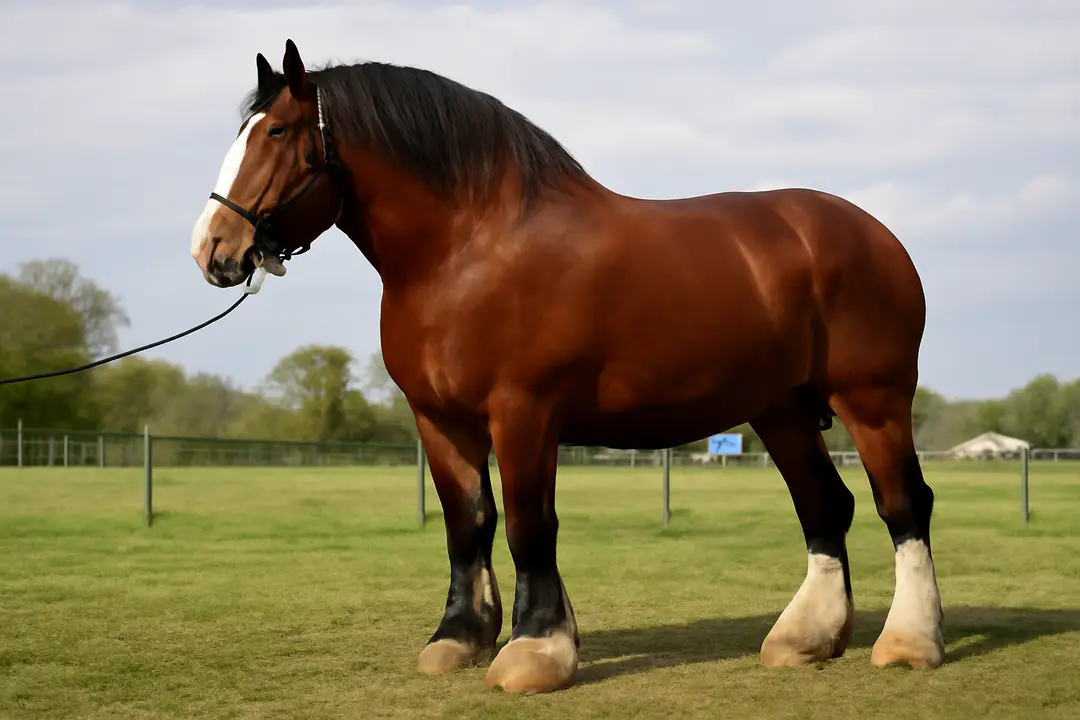
While his size stunned onlookers, breeders were more interested in his genetics. Sampson passed on sturdy legs, a broad chest, and calm temperament—traits still prized in Shires today. When evaluating a young Shire’s potential, measure leg bone circumference and shoulder width. Those proportional traits often hint at future strength and health.
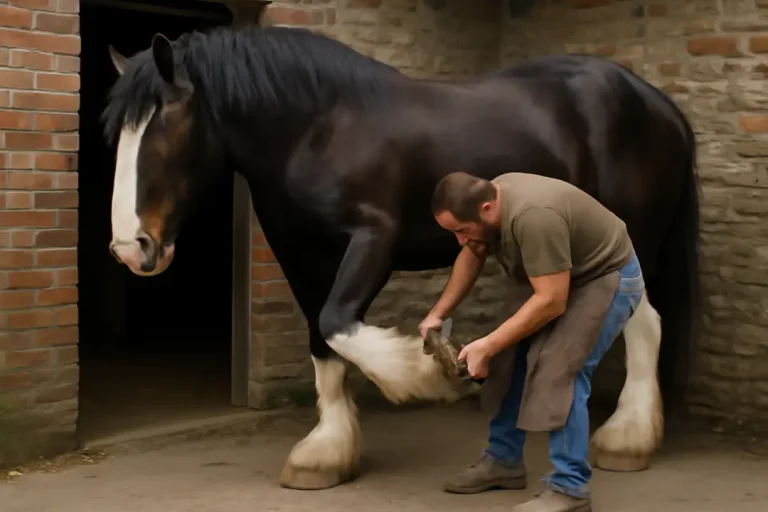
Managing a horse of Sampson’s stature required careful nutrition and regular farrier work. Owners balanced high-quality hay with fortified grains and monitored hoof growth every six weeks. These practical care insights remain valuable. For a deeper look at his life, read about the legendary giant Sampson and learn how his legacy shapes modern breeding decisions.
Goliath the Mighty
Standing just a hair shorter than Sampson, Goliath earned fame for his exceptional weight and build. Born in the early 20th century, he tipped scales at over 3,500 pounds and stood 20.3 hands high. His broad hindquarters and powerful shoulders made him an urban favorite, hauling heavy loads through city streets.
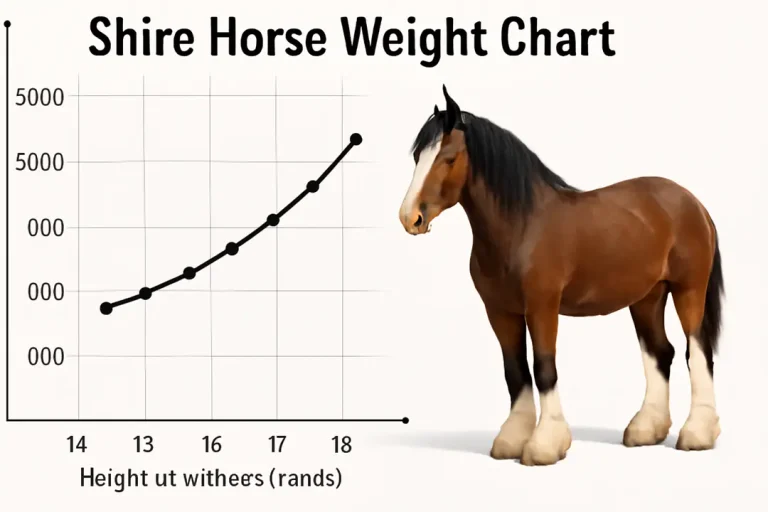
A key takeaway from Goliath’s example is the importance of monitoring body condition. Use a weight chart to track growth and avoid joint strain. For Shire foals, weigh monthly using a portable digital scale or a weight tape. Compare results to standard weight charts to ensure balanced development.
Horse enthusiasts can also learn from Goliath’s balanced diet. His trainer mixed oats, barley, and a vitamin-mineral supplement. They fed smaller meals five times daily to aid digestion. Study the story of the record-breaking Goliath for more on how strategic feeding supported peak performance without health setbacks.
War and Workhorses
During both World Wars, Shire horses proved invaluable on battlefields and farms. Known for gentle temperaments under stress, they hauled artillery pieces, ambulances, and supply wagons in muddy trenches and rural fields. Their endurance and strength meant fewer breakdowns and safer deliveries.
Farmers also relied on Shires for heavy plowing and logging well into the mid-20th century. Their broad hooves distributed weight and prevented soil compaction better than machines of the era. Handlers learned to keep them sound by rotating tasks daily and providing deep straw bedding to cushion joints after long days of labor.
Practical tip: when working a draft horse in wet or rough terrain, ensure footing is solid. Lay down sand or gravel tracks to reduce hoof damage. After heavy tasks, allow a cool-down period ending with a warm mash—rolled oats mixed with warm water—to aid muscle recovery. These lessons survive thanks to countless unsung wartime and farm champions.
Show Ring Legends
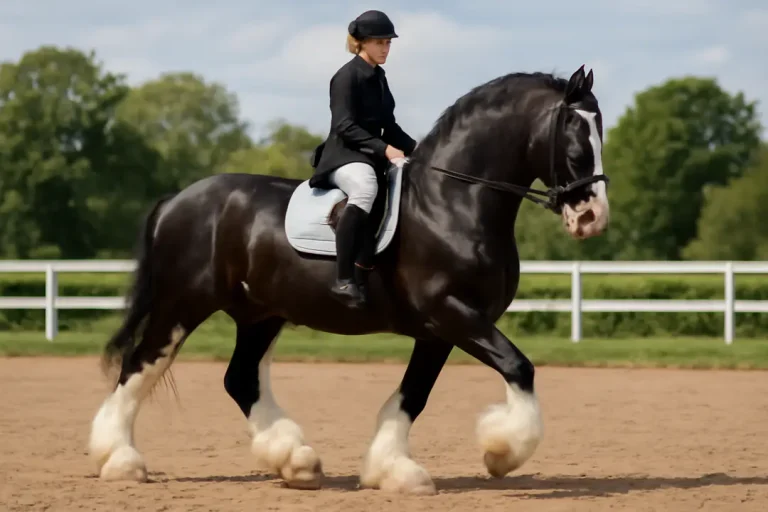
In modern times, Shires shine under arena lights. Breeders groom them meticulously, showcasing their glossy coats, full feathering, and even gaits in breed classes. Each champion sets a standard that others aspire to match.
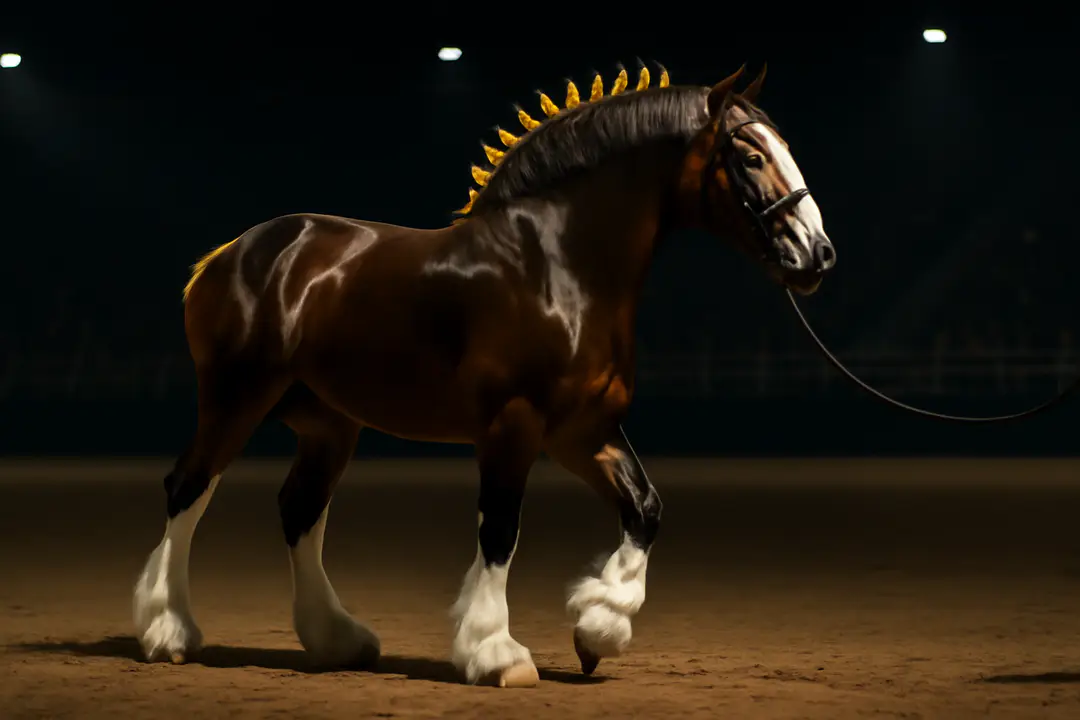
- Heartland Baron – Supreme Champion, Royal Winter Fair 2018
- Majestic Glory – Grand National Clydesdale & Shire Show 2019
- Valiant Thunder – National Shire Horse Society Show 2021
Top contenders follow strict routines: daily brushing to prevent mats, hoof cleaning twice daily, and a feeding schedule tailored to maintain a sleek show condition. Practical tip: use a silicone-based coat polish before the class for a reflection that highlights muscle tone. Remember to cool the horse slowly after the ring to avoid muscle tightening.
These champions not only earn ribbons, they inspire young handlers and draw crowds, ensuring the Shire’s continued popularity in equestrian sports.
Breed Revival Efforts
By mid-20th century, Shire numbers dwindled as machines replaced horses. Concerned breeders formed societies to save the breed. They documented pedigrees, encouraged careful mating, and promoted Shires in rural tourism and carriage services.
Population surveys today show steady growth, but the breed remains vulnerable. Conservationists stress genetic diversity—avoid overusing a single stallion even if he’s a champion. Practical steps include maintaining at least 30 breeding lines and rotating mares among studs.
A broader understanding of the history of the breed can guide future efforts. Educational programs at agricultural fairs and heritage farms help raise public interest. Donations to breed societies and volunteering at shows are simple ways to contribute. By supporting these revival efforts, enthusiasts help ensure that new generations will also marvel at these gentle giants.
Legacy and Lessons
Each famous Shire horse teaches us something about care, breeding, and character. From arena stars to battlefield heroes, they share traits of balance, gentleness, and resilience. Owners today can apply these lessons to improve horse welfare and breeding ethics.
Tip for trainers: develop groundwork exercises adapted from wartime handlers. Gentle pulling drills build muscle without stress. Tip for breeders: prioritize health records as much as appearance to prevent hereditary issues. Tip for owners: learn from the feeding regimens of past greats—small, frequent meals often work better for digestion in large breeds.
By studying their stories, we honor their memory and guide the next generation of Shire horses. Their legacy lives on in each hoofbeat and each carefully bred foal.
Conclusion
The giants of the Shire breed stand as monuments to strength, partnership, and compassion. Their achievements span farms, battlefields, and show rings, each story offering practical insights for today’s enthusiasts. When we look at Sampson or Goliath, we see more than size; we see how proper care, thoughtful breeding, and human-horse trust can create legends.
These tales remind us of the breed’s ongoing journey—from near-extinction to a vibrant future. By applying lessons in nutrition, training, and conservation, we can contribute to that story. Whether you’re a breeder aiming for balanced lineage, a rider seeking a gentle giant, or a historian preserving heritage, these horses offer inspiration and guidance.
Let their legacies guide your next step, ensuring that the gentle giants of history continue to leave hoofprints on our lives and hearts.