
Shire Horse Breeding Guide: Healthy Bloodline Tips
Breeding Shire horses is more than pairing a mare and a stallion and hoping for the best. These gentle giants need careful selection, planning, and ongoing care to thrive. Yet many breeders overlook the genetic health checks that underpin a strong, healthy foal crop. Why do so many well-intentioned programs hit unexpected bumps when genetics have been ignored?
Addressing genetics early means fewer surprises down the road. By understanding common hereditary conditions and planning matings with clear records, you safeguard your mares, stallions, and foals. This insight helps you make smarter breeding choices, reduce vet bills, and build a reputation for quality. In short, good genetics planning pays off in happier horses and more confident breeders.
Selecting Breeding Stock
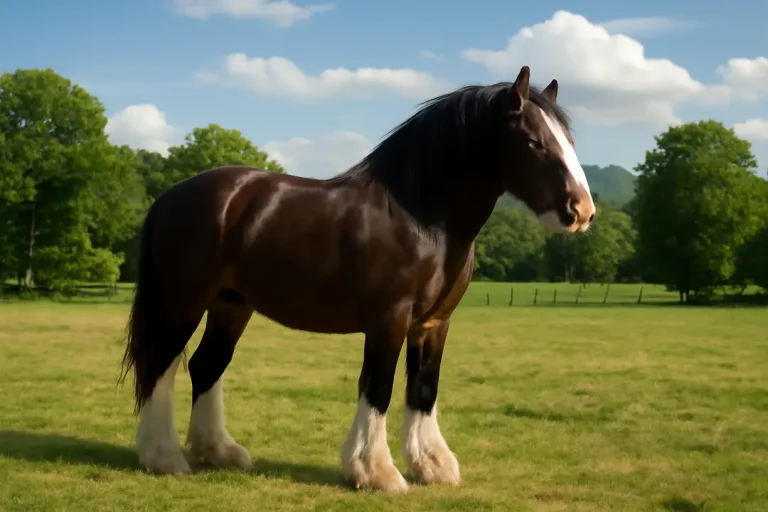
Choosing the right mare and stallion is the first big step. You want horses with sound feet, sturdy limbs, and a calm mind. Look for clear legs, good hoof shape, strong bone, and a broad chest. A mare aged between four and ten years often hits her breeding prime, while stallions are typically reliable from five onward.

Temperament matters just as much as physical traits. You need horses that stay calm under foot, handle farrier work well, and lead quietly. That steady attitude makes foaling easier and foal handling safer. For deeper insight into ideal build and temperament, you can explore the breed’s build and temperament in more detail.
Before committing, have both horses vetted by an experienced equine veterinarian. They will check reproductive health, joint condition, and overall soundness. A clear reproductive exam on the mare and semen analysis on the stallion ensure you’re not breeding on chance. Investing here can prevent wasted cycles and keep your farm running smoothly.
Preparing the Mare
A healthy mare is a successful breeding partner. Begin with gentle conditioning six months before the first cover. Keep her at a healthy weight—body condition score around 5 to 6 out of 9. Underweight mares may have trouble conceiving, while overweight ones can struggle in late pregnancy.
Nutrition is key. Provide high-quality hay or pasture, plus a balanced grain mix rich in protein, vitamins, and minerals. Support bone and joint health with calcium and phosphorus in the right ratio. Adding a quality vitamin E supplement can boost uterine health.
Regular dental checks are often overlooked. Sharp hooks or uneven wear interfere with chewing, which affects nutrition and body condition. Trim teeth every six months. Also vaccinate against tetanus, equine herpesvirus, and West Nile virus, ideally six weeks before breeding season. Strong immunity helps mare carry a healthy foal.
Stallion Management
A stallion’s job is demanding. He needs regular exercise to maintain muscle tone and circulation. Turnhim out for daily walks or light riding on soft ground. Avoid hard surfaces that stress joints.
Semen quality peaks in spring and fall. During mating season, collect and evaluate each sample before each cycle. A mobile semen test kit can flag low motility or abnormal cells quickly. Keep records of each collection date, volume, and motility rating.
Stallions also need proper nutrition: high-energy feeds with added amino acids support sperm production. Don’t skip electrolyte mixes during hot months. Good hydration keeps semen quality high. Finally, maintain hoof care and check for lameness issues. A sound stallion is more willing to breed and reduces the risk of injury during mating.
Foaling and Newborn Care
Welcoming a foal is thrilling, but it demands preparation. Set up a clean, well-bedded stall with neonatal care supplies within easy reach. Watch your mare closely as she nears full term. Signs of imminent labor include a softening udder, waxing of teats, and restlessness.

When labor begins, stay calm and observant. Most Shire mares foal quickly once active labor starts. After the foal arrives, ensure it nurses within two hours. If it doesn’t, assist gently or call your vet.
Key steps in foal care:
- Check the foal’s breathing and clear airways.
- Record time of birth and initial nursing.
- Ensure the umbilical stump is clean—dip in iodine.
- Monitor the mare’s behavior for milk let-down.
- Schedule a vet check within 24 hours for IgG levels.
Early bonding makes training and handling easier later on. Keep the stall quiet, minimize visitors, and allow mare and foal time together. A calm atmosphere builds trust and sets the foal up for confident handling.
Genetic Health Considerations
Understanding hereditary risks can save time, money, and heartbreak. Some conditions—like chronic progressive lymphedema—show up in later years. Others, like polysaccharide storage myopathy (PSSM) or junctional epidermolysis bullosa (JEB), affect foal viability.
Genetic testing is now affordable and widely available. A simple hair or blood sample can flag carriers. Plan matings to avoid breeding two carriers of the same recessive gene. This reduces likelihood of affected foals and keeps your program reputation strong.
For a solid foundation, pair genetic data with the breed’s breed history and performance records. Monitor trends in your herd over time: note any lameness patterns or skin issues. When a concern arises, consult a geneticist or specialist. Early intervention often means a healthier, more productive horse down the line.
Record Keeping and Planning
Good records are the backbone of any breeding program. Track every cover date, heat cycle, veterinary exam, and foaling outcome. Use a simple spreadsheet or dedicated breeding software—either works if you keep it up to date.
Develop a multi-year plan. Map out which mares you’ll breed, which stallions to use, and expected foaling windows. Space foalings across seasons to avoid crowded spring months and to stagger weaning and sales priorities.
Include vaccination schedules, dental checks, and farrier visits in your calendar. If you ever sell or lease horses, these records boost buyer confidence. They also help you review successes and challenges each year, so every season gets stronger than the last.
Conclusion
Breeding Shire horses successfully blends art and science. By choosing sound stock, tending to health and nutrition, and keeping thorough records, you build a program that produces healthy foals and satisfied owners.
Attention to genetic health and thoughtful planning prevents frustration and financial loss. Clear communication with vets, farriers, and even fellow breeders creates a support network you can rely on. Over time, you’ll refine your methods, learn from each season’s outcomes, and take pride in a growing legacy of quality Shire horses.
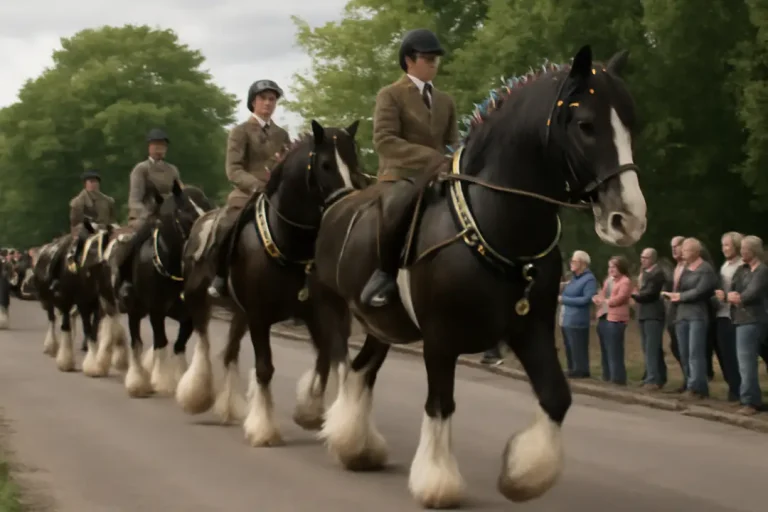
With solid foundations and ongoing care, your breeding efforts will yield strong, gentle giants that honor the pedigree and thrive in every role—from farm work to carriage rides. Here’s to your next generation of magnificent Shire foals!