Shire Horses for Adoption: Gentle Giants Await Homes
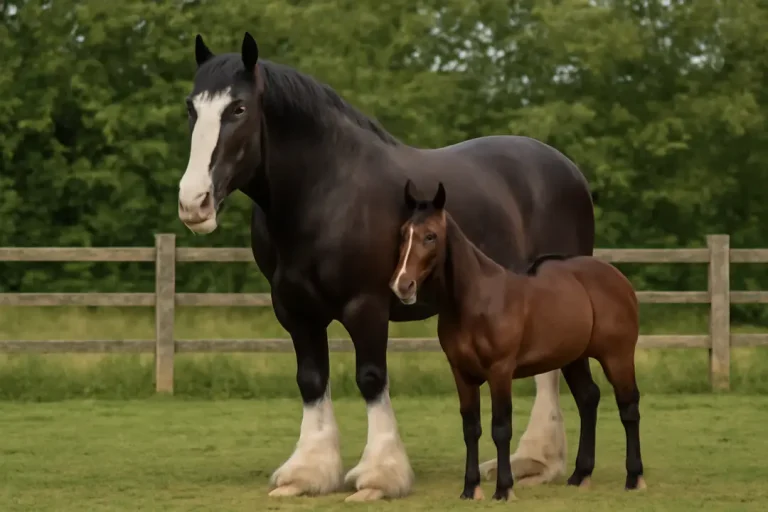
Shire horses bring a unique kind of warmth to the barn, blending strength with a calm presence. Many people admire these gentle giants but often overlook the yard adjustments needed for their large frames. From stall size to feeding patterns, practical details can get lost in the excitement. What happens when you find out late that your stable isn’t set up for a Shire?
The good news is that with clear guidelines on space, sturdy fencing, and a balanced feeding schedule, you can set up a Shire-ready environment. This insight helps you avoid costly last-minute adjustments and keeps your new horse healthy. By focusing on these key factors before adoption, you also show respect for the horse’s comfort and well-being. A little planning today can save stress for both you and your horse tomorrow.
Why Adopt Shires
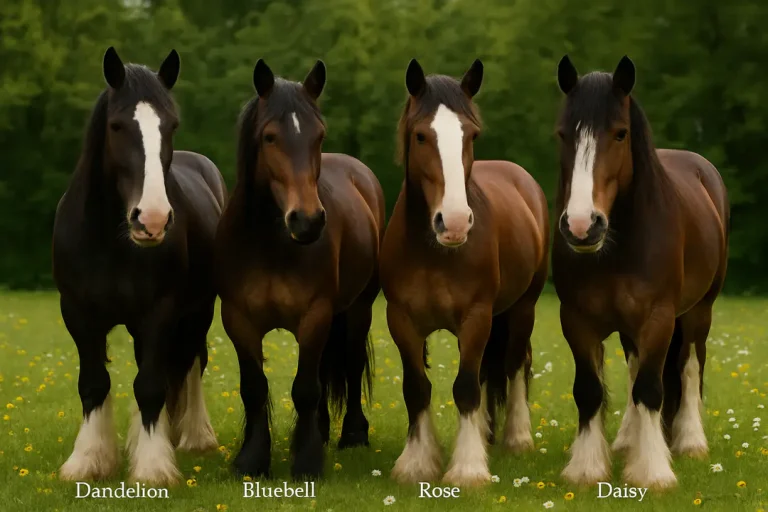
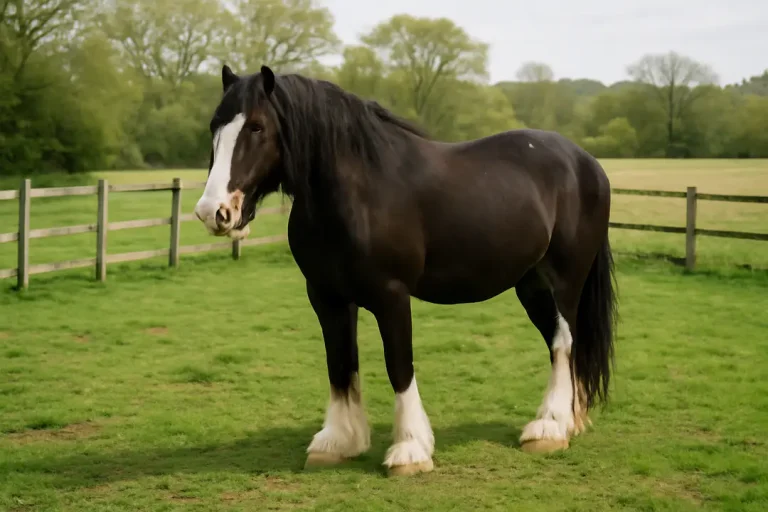
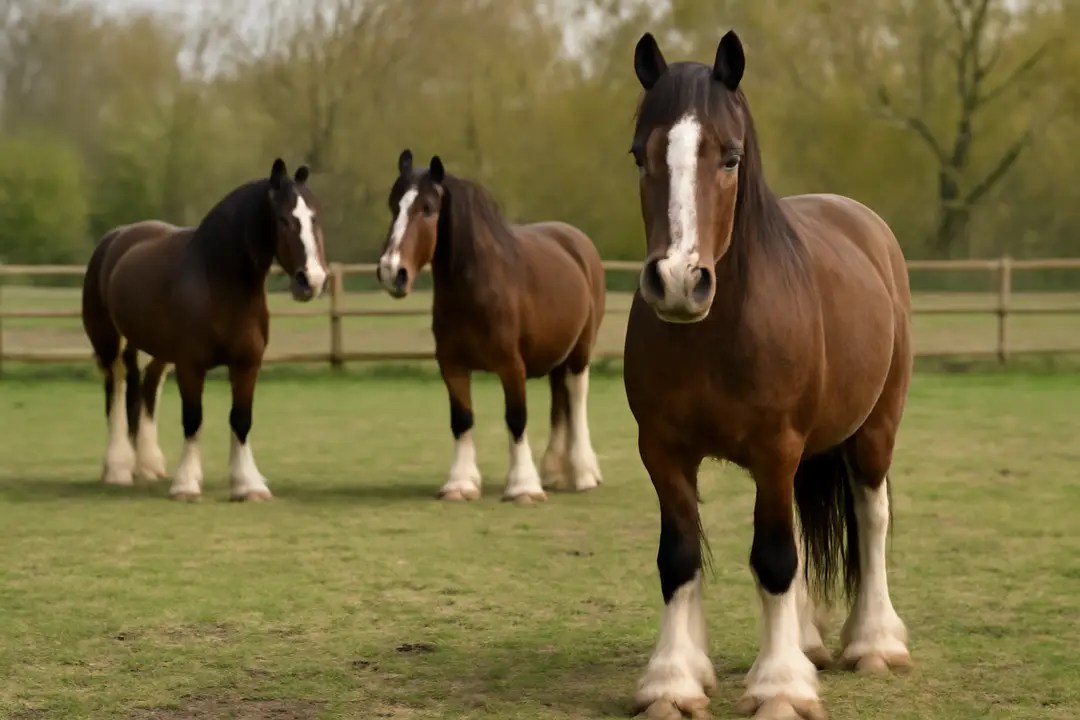
Bringing a Shire horse into your life through adoption can be deeply rewarding. These majestic creatures offer more than just awe-inspiring presence; they bring history, strength, and a gentle temperament to any barn. Choosing to adopt allows you to give a horse a safe haven and create a bond that lasts for years. Instead of purchasing a foal or fully trained animal, adoption often means you meet a horse with an unknown past, ready for a fresh start.
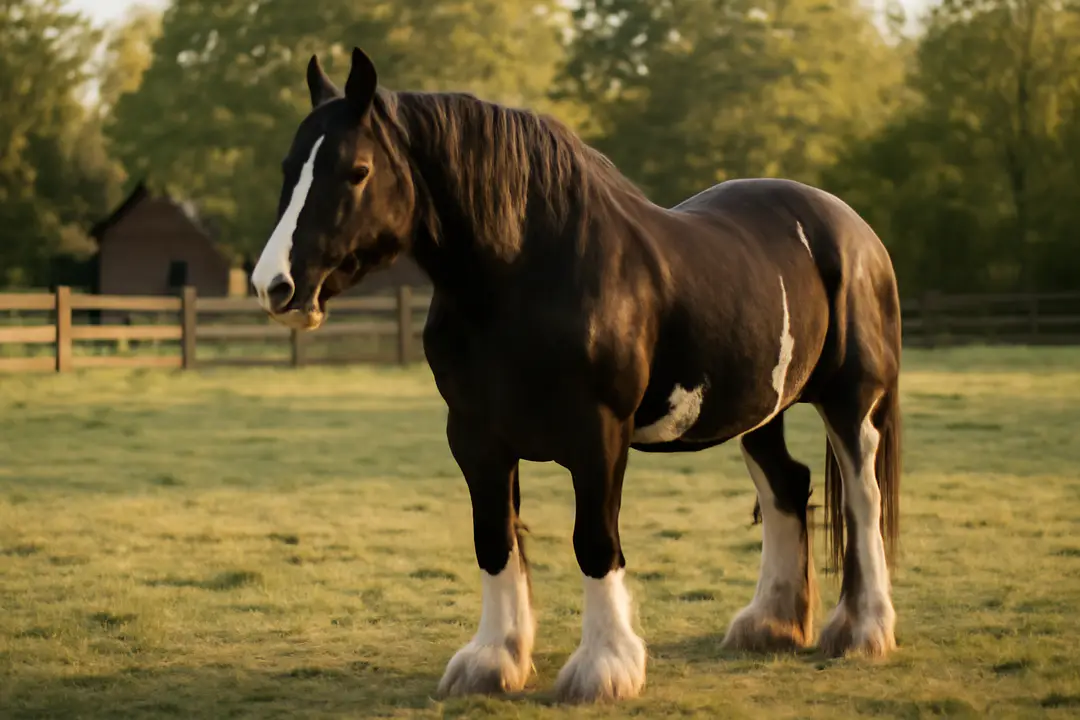
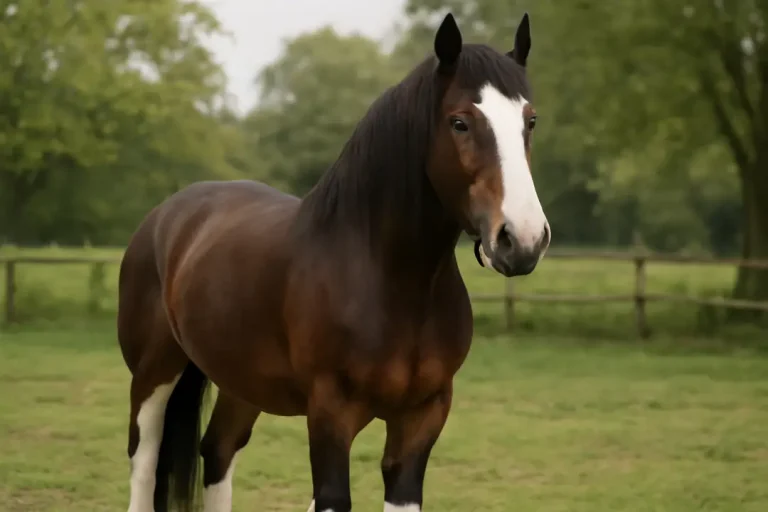
Adopting also means taking on real responsibilities. You gain a partner that can work fields, pull carts, or shine in parades and shows. Before clicking “apply,” take a moment to study a detailed temperament profile to understand how a horse handles new environments. That insight makes it easier to plan training and reduces the risk of stressful surprises.
Supporting a rescue team has its own intangible rewards. Rescue groups are often small, volunteer-driven operations that depend on each adoption to keep going. Your decision frees up a stall and funding to help more horses in need. Many programs include basic care like vaccinations and hoof trimming in the adoption fee, so you start with a clear health snapshot.
Here are some practical tips if you’re new to Shire adoption:
- Visit events or volunteer at rescue barns to meet horses face to face.
- Ask about past behavior around other animals and handlers.
- Request veterinary records or profiles to see any known health issues.
- Plan for a trial stay, if the program offers it, to check compatibility.
- Speak to other adopters to learn from their experiences.
These steps help ensure you and your new Shire start on the right foot, building trust and setting the stage for a happy life together.
Finding Adoption Sources
Knowing where to look is half the battle when you are ready to adopt a Shire horse. Unlike popular riding breeds, Shire adoption programs are fewer but often well organized. Start by checking regional rescue groups that focus on draft horses. These smaller operations usually have a range of horses from gentle retirees to younger adults needing new homes.
Here are some common places to search:
- National Draft Horse Rescue Network: A hub for certified rescue partners in several states.
- Local equine shelters: Many general shelters have draft horses on their farms or outreach events.
- Breed associations: Groups like the Shire Horse Society sometimes list horses available for adoption on their community pages.
- Online equine platforms: Websites dedicated to horse listings often include an “adoption” category; compare photos and profiles before visiting.
- Social media groups: Join draft horse forums and local riding clubs online to get tips and spot upcoming adoption events.
When you contact a program, ask about their adoption criteria. Some require proof of land or specific care facilities, while others focus on the adopter’s riding or handling experience. Gathering information at this stage cuts down on last-minute surprises and builds a foundation of trust between you and your future Shire.
Preparing Your Barn
Bringing a Shire horse home requires more than an open field. These draft horses need sturdy, well-planned facilities. Before signing adoption papers, walk through each area with a checklist in hand. Below are six key steps to ready your space:
- Measure Stall Dimensions
Shires can stand 17 to 19 hands high and weigh up to a ton. Make sure each stall is at least 14 feet by 14 feet to allow easy movement. Ceiling height should be no lower than 12 feet to prevent head injuries. - Check Flooring and Drainage
Strong horses often stay indoors during bad weather. Use compacted gravel under stall mats and slope floors toward a drain or gutter. Good footing minimizes slips and helps keep hooves dry. - Reinforce Fencing
A Shire’s size means fencing must withstand heavy weight. Opt for treated wood boards at least 2 inches thick or high-quality pipe rail. Test each post with a strong push before settlement. - Set Up a Feeding Station
Draft horses eat more than smaller breeds. Plan for multiple feeders placed to prevent competition and monitor intake. Feed tubs or hay nets at chest height reduce strain on the neck. - Install Water Access
Clean water supply is critical. Automatic waterers or two troughs help ensure constant hydration, especially in cold months when frozen buckets are a risk. - Create a Grooming Area
Shires have long feathering and thick manes. Provide a grooming stall with a rubber mat and proper tie rings. Include tools like stiff brushes, hoof picks, and detanglers within arm’s reach.
These steps cover the basics, but you should also tailor your barn to local weather and the individual horse. For example, colder climates may require insulation or draft-proof doors. A final walk-through on adoption day ensures you catch any loose boards or low beams that could cause injury. Taking these precautions keeps your new Shire safe and comfortable from day one.
Health and Care
Once your Shire arrives, daily attention to its health sets the stage for years of well-being. These horses have unique needs due to their size and breed traits. A structured routine helps you catch early warning signs of issues like joint stress or hoof problems.
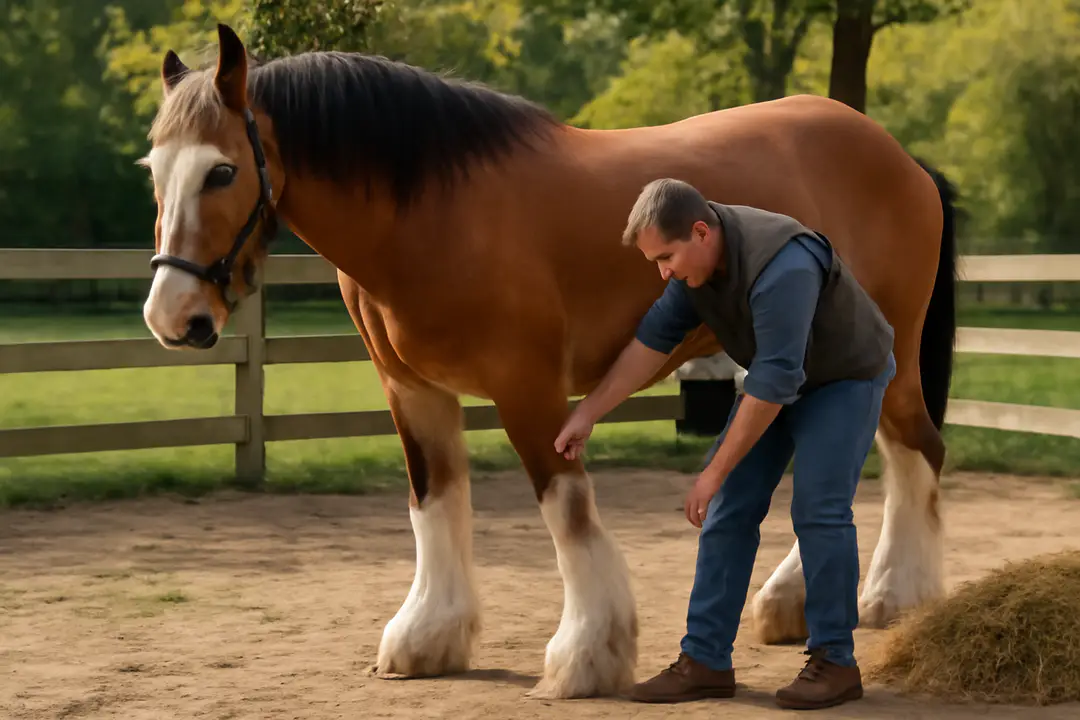
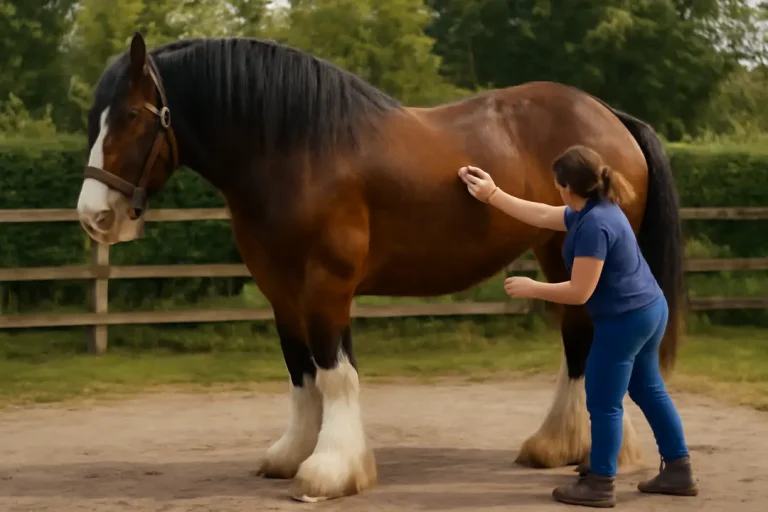
Begin with an inspect-and-greet each morning. Check legs for heat, cuts, or swelling. Look under the belly and between the feathers for trapped dirt or moisture. A consistent daily care routine keeps skin healthy and prevents hoof rot in damp weather.
Feed quality forage first, then add a grain mix if the horse’s energy level or work demands it. Adult Shires typically consume 2% of their body weight in forage each day. For an 1800-pound animal, that means at least 36 pounds of hay or pasture. Always weigh feed portions to maintain healthy weight and prevent metabolic issues.
Paste minerals and salt are important. Place a salt block within reach. Coordinate with your vet on supplements for joint support, especially if the horse has past suspensory or hock concerns. Schedule farrier visits every 6 to 8 weeks to trim and balance large hooves. Neglecting shoeing or trimming can lead to uneven wear and pain.
Regular veterinary checkups matter. Annual vaccinations, dental checks, and parasite management keep diseases at bay. Ask your vet about joint injections or nutritional changes if mobility seems reduced. Keeping clear records on all treatments helps you track patterns in health over time.
Small daily steps—like brushing away mud, stacking forage, and watching movement—can make a big difference in a Shire’s comfort. Consistency builds trust, so the horse learns to stand calmly for care. That cooperation makes hands-on tasks easier and strengthens your human-equine bond.
Training and Bonding
Building a strong relationship with a newly adopted Shire takes time and patience. These horses are smart but can be sensitive to rushed training. A gentle approach that respects their pace leads to better results in the long run. Start ground work before saddling up, focusing on basic cues like leading, stopping, and yielding.
Begin each session with a calm environment. No loud noises or sudden moves. Let the horse smell you and the equipment. Gradually introduce tools like halters, lead ropes, and eventually a saddle pad. Positive reinforcement—praise or a gentle scratch behind the ears—helps them associate training with good feelings.
Use consistent voice commands and body language. Keep your posture straight and your tone soft. Shires respond well to clear boundaries, so if they step forward without permission, pause and ask them to step back five steps. That simple “back and forth” game helps them learn respect without fear.
Here are three key training tips to remember:
- Short sessions work best. Aim for 15 to 20 minutes to keep their focus.
- Reward correct responses immediately. Quick feedback teaches the link between action and reward.
- Mix in fun tasks like stretching exercises or slow obstacle courses. Variety reduces boredom and builds confidence.
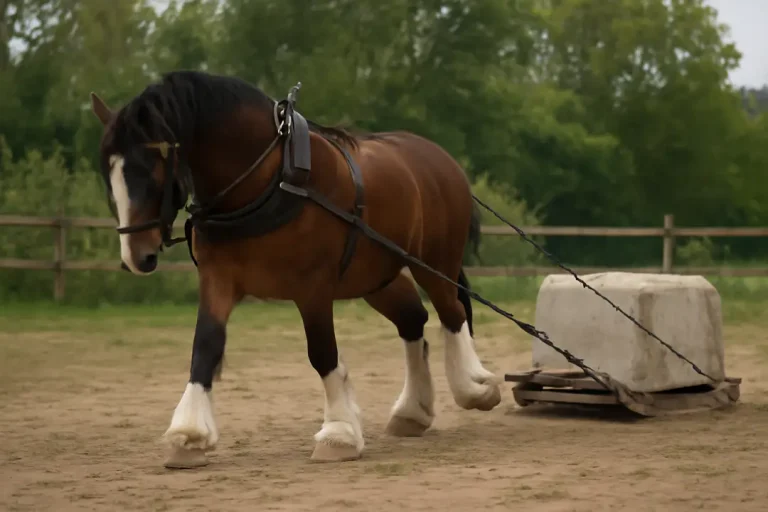
As trust grows, move to lightly weighted carts or gentle trail rides. Always check harness fit before hitching a draft horse to a cart. Some adopters find that keeping a training log helps track progress and adjust strategies. When both horse and handler feel in sync, you’ll see the true joy of working with a gentle giant.
Managing Costs
Adopting a Shire horse often comes with an upfront fee, but ongoing costs can add up. Planning your budget early ensures you can provide stable care without financial stress. Here’s a simple breakdown of monthly expenses you should consider:
| Expense Category | Estimated Cost | Notes |
|---|---|---|
| Feed and Hay | $200 – $350 | 2% of body weight daily; quality hay |
| Bedding | $50 – $100 | Shavings or straw for large stalls |
| Farrier | $60 – $100 | Every 6-8 weeks; heavier shoes may cost more |
| Veterinary | $50 – $75 | Routine care, vaccinations, deworming |
| Equipment | $25 – $50 | Saddles, bridles, grooming tools (amortized) |
Adoption fees for Shire horses range from $100 to $500, often covering initial health checks. Factor in extras like training sessions, special supplements, and emergency vet work. It’s wise to set aside an emergency fund equal to one month of care—around $500 to $800.
Practical tips for staying on budget:
- Buy hay in bulk during off-season to save up to 20%.
- Schedule combined farrier and vet visits on the same day to save travel fees.
- Shop around for quality secondhand tack; inspect carefully for wear.
By tracking all costs in a simple spreadsheet, you’ll spot patterns and adjust your plan. If feed costs spike, you can switch forage or seek co-op deals. Good financial planning ensures your Shire gets the care it needs without stretching your wallet too thin.
Conclusion
Adopting a Shire horse is a rewarding journey that brings a gentle giant into your life. By understanding why adoption matters, where to find reliable programs, and how to prepare your barn, you set the foundation for success. Daily health checks, structured training, and careful budgeting keep your new partner happy and thriving.
Every adopted Shire has its own story. Your role is to provide stability, safety, and clear communication. Small steps—like checking hoof health each morning or reinforcing basic groundwork—build trust over time. When you invest in these routines, adoption becomes more than a new addition; it becomes a partnership.
Remember, adoption fees often cover initial vet care and basic assessments, but real ownership means long-term commitment. Take the time to plan each detail, from stall size to feed schedules. With proper preparation, your Shire will reward you with loyalty, strength, and that calm presence these horses are known for. Open your heart and barn space, and get ready to welcome a gentle giant who will transform your equine experience forever.