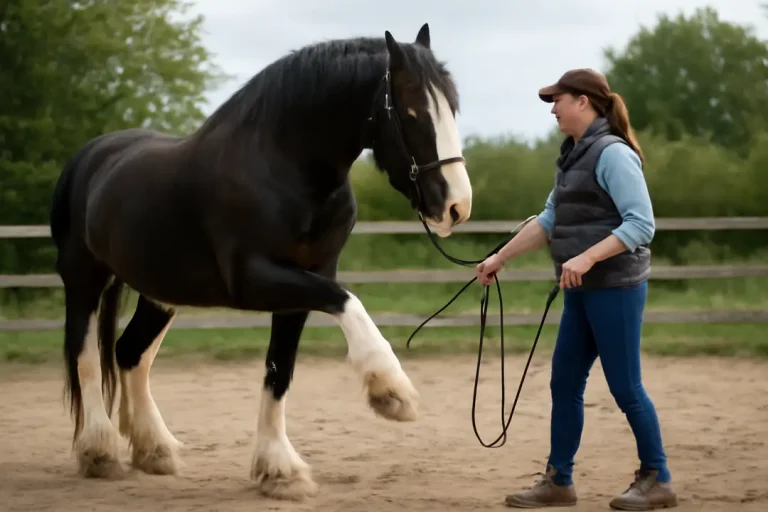

Shire Horse Weight Chart: Ideal Ranges and Insights
Knowing your shire’s weight is key to keeping it healthy and strong. But many owners miss one critical tool: a proper breed-specific chart. Have you ever wondered how to match your horse’s build to its ideal weight range?
That’s where a shire horse weight chart comes in. By learning to read these figures, you can adjust feed and care to suit your horse. This helps you catch issues early and make better choices for health and performance.
Basic Weight Ranges
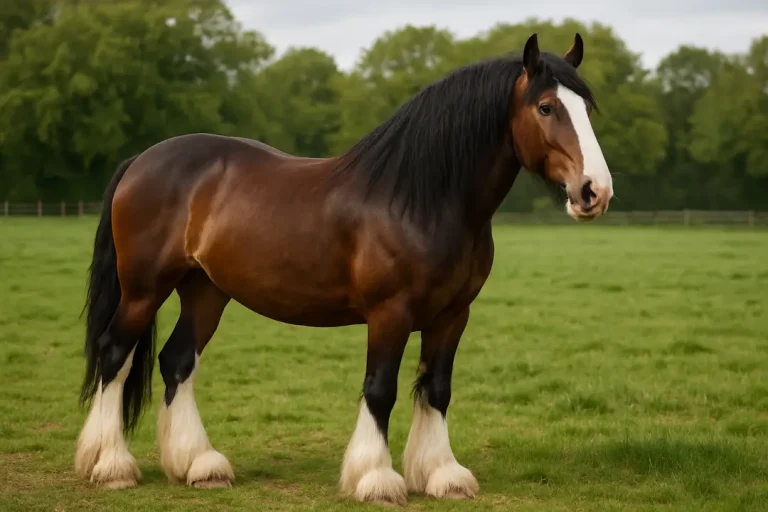
Shire horses are one of the largest draft breeds. Their weight can vary widely by age and gender. Foals start light and grow fast. Adults often top a ton in weight.

Generally, foals weigh 100–200 kg at birth. By one year, they may reach 400–500 kg. Adults often range from 800–1,100 kg. Stallions can tip the scale toward the higher end.
Knowing these ranges helps with feeding and vet checks. It keeps growth on track and avoids surprises. Compare your horse’s age and build to standard figures.
For a full size guide, check this handy shire horse size guide. It breaks down height, weight, and frame measurements in one place.
Adult Weight Chart
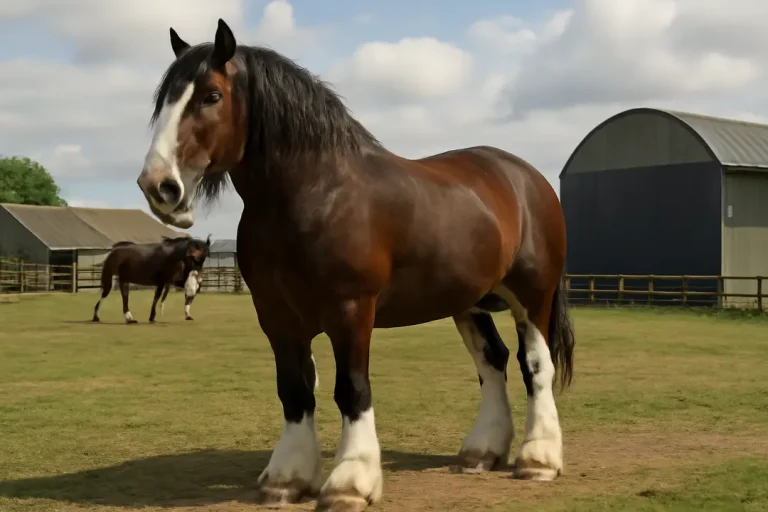
Adult shire horses vary in height from 16 to over 18 hands. Their weight climbs with height and muscle mass. Using a quick reference table can save time and guesswork.
| Height (hands) | Typical Weight (kg) |
|---|---|
| 16.0 – 16.3 | 800 – 900 |
| 17.0 – 17.3 | 900 – 1,000 |
| 18.0 – 18.3 | 1,000 – 1,100 |
| 19.0+ | 1,100+ |
This chart helps you see where your horse sits. If your horse measures 17.2 hands, you know to aim near 950 kg. Tracking height and weight side by side paints a clear picture.
Practical tip: measure height and weight at the same time for consistency. Record both values on your care sheet.
Growing Foals and Yearlings
Foals have rapid weight gains in their first year. They triple birth weight by six months. A steady rise is normal, but sudden skips or stalls call for action.
At one year, most foals weigh about 45–50 percent of adult weight. That means a 1,000 kg adult breed might see yearlings at 450–500 kg. Keep growth curves handy.
Feed plays a big role as young horses develop. A balanced diet rich in proteins and minerals fuels healthy bones and muscles. Follow a trusted feeding schedule to avoid gaps.
Regular checks help catch issues. Weigh foals monthly in the first year. Compare numbers against the chart. If you spot slow gains, adjust feed or call your vet.
Accurate Weight Measuring
Precision matters when you track a heavy horse. Guessing by eye can lead to overfeed or shortages. Two main methods work well.

- Weight tape around the girth gives a quick estimate.
- Platform scales deliver the most accurate results.
- Digital livestock scales show weight instantly.
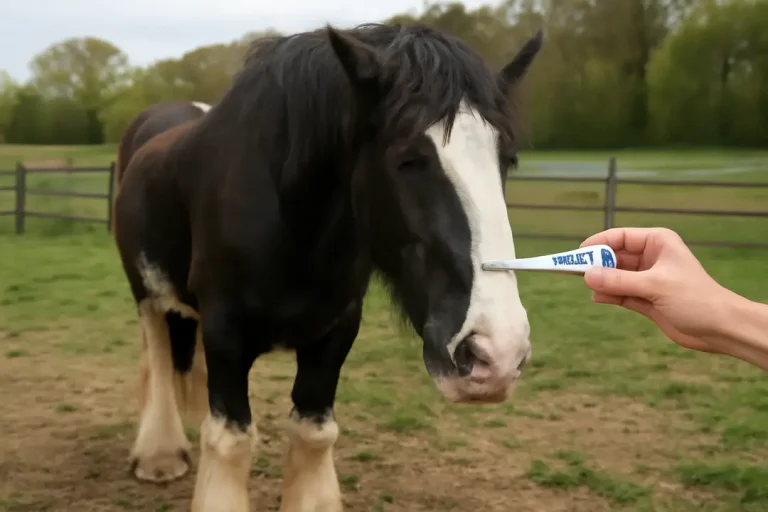
Start by cleaning and drying the tape or scale platform. Have the horse stand squarely on a flat area. Wrap the tape evenly around the girth, just behind the front legs.
For binary scales, guide the horse calmly onto it. Use treats or a calm voice to keep it steady. Read the display once the horse stands still.
Pair these measures with your daily care routine. Note both tape and scale numbers to track trends.
Applying the Weight Chart
Once you have weight data, the next step is tracking it over time. Use a simple spreadsheet or print out chart templates. Mark each reading with date and method used.
Plot your horse’s line on the chart. Steady, modest climbs are a good sign for growing horses. Flat or dropping lines can point to health or diet issues.
Review readings alongside height measurements. A horse that grows taller should also gain weight. If height rises but weight stalls, consider more energy-dense feed.
Share your chart data with your farrier and vet at checkups. They can use the trend details to suggest hoof or nutrition adjustments. A chart becomes your roadmap to better decisions.
Troubleshooting Weight Issues
Underweight signs include visible ribs, dull coat, and low energy. Overweight indicators show fat pads on the neck and tail head. Both scenarios need swift tweaks.
For thin horses, boost calories with high-fat supplements or oil. Increase quality forage and divide meals into smaller, frequent feeds. Check teeth to ensure proper chewing.
For heavy horses, reduce grains and focus on fiber. Introduce a low-calorie hay and add turnout time for exercise. Always cut back gradually to avoid metabolic shock.
If weight trends remain off-target, bring in a nutritionist or vet. They can run tests for metabolic issues. Early action prevents long-term damage and keeps your shire in peak condition.