How Strong Is a Shire Horse: Power, Weight, Strength
Have you ever watched a Shire horse at work and felt awed by its sheer presence? These gentle giants carry centuries of history in each powerful stride. Yet many overlook how their deep-chested build plays a critical role in their pulling ability. What makes that broad barrel so essential to the real strength of a Shire horse?
It comes down to understanding the mechanics of their body shape and how it translates into pulling power. Knowing this helps farmers, carriage drivers, and enthusiasts pick the right horse for heavy tasks. In turn, you’ll avoid surprises when that “big” horse struggles under too little chest room or poor harness fit.
Physical Strength Overview
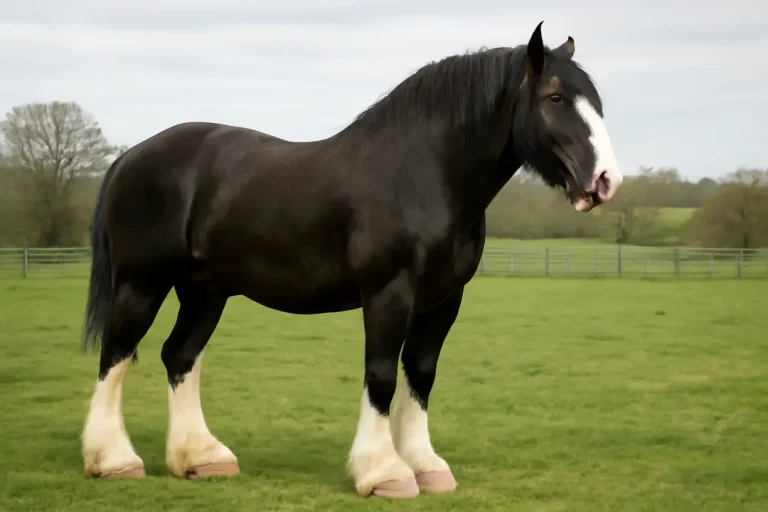
Shire horses rank among the world’s mightiest equines, thanks to a combination of size and muscle. On average, a mature Shire stands about 17 to 18 hands high. Their large frame supports heavy muscle mass along the shoulders, hindquarters, and back. That gives them sustained pulling power rather than just a quick burst of speed.
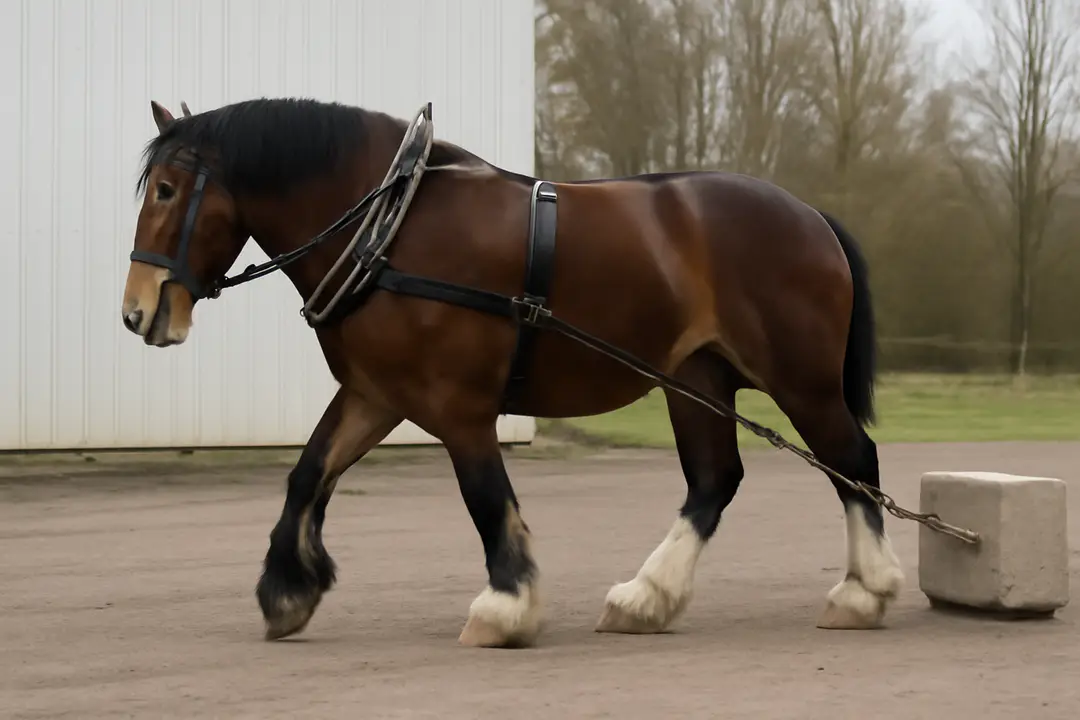
Researchers measure draft animal strength in body weight percent pulled over a set time and distance. A well-conditioned Shire can regularly pull 1.5 times its own weight for short hauls and up to its full weight in longer stints. For example, a 1,200-kg horse could drag 1,800 kg across level ground for several minutes without tiring.
Beyond raw numbers, posture and harnessing technique alter effectiveness. A high wither and broad back let the animal distribute the load evenly. Proper alignment of collar and breeching pads prevents muscle fatigue and directs force through the strongest areas. If you’re new to draft work, consider a lesson with an experienced handler.
Understanding these basics sets the stage for deeper insights. Next, we’ll examine how a Shire’s own body weight influences its load capacity and stamina in everyday farm or forestry work.
Weight and Load Capacity
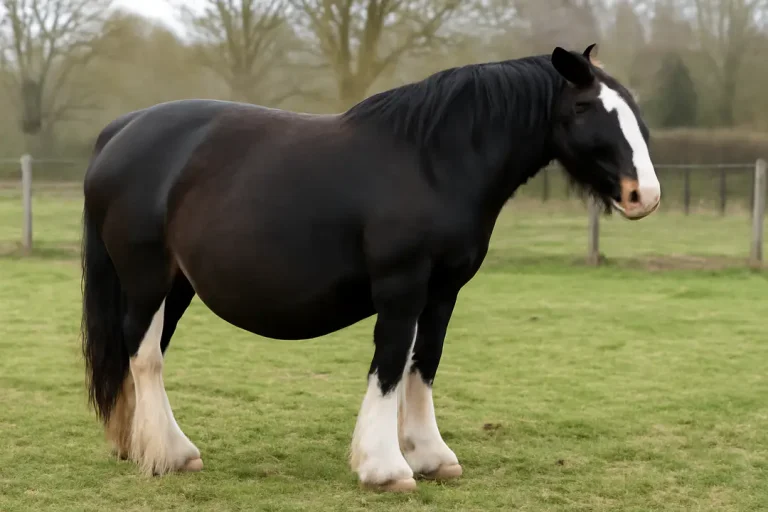
At the heart of any discussion around draft power lies the horse’s own weight. Adult Shires typically weigh between 900 and 1,200 kg. That mass not only adds momentum when they pull but also acts as an anchor against backward drag. In practical terms, this means more grip on soft soil or mud.
When hauling carts or logs, handlers refer to the “pulling ratio”—the weight they can move compared to body mass. For a Shire, that ratio ranges between 1.2:1 and 1.5:1 on good terrain. On harder ground, it can briefly exceed 2:1. Check details on proper harness fit and how weight distribution works on this Shire horse weight guide.
Load management matters too. Even the strongest draft horse needs rest intervals. For multi-hour tasks, break work into one-hour pulls max, then allow 10–15 minutes of walking or standing. That helps muscles flush out lactic acid and prevents soreness.
Finally, ground conditions and slope change the math. On a 5% incline, you’d reduce expected capacity by about 25%. Plan accordingly, especially in forestry or snow clearing tasks.
Muscular Anatomy Explained
Rich muscle tissue underpins the Shire’s reputation for might. Three muscle groups stand out: the shoulder (trapezius and deltoid), the loin and back (longissimus dorsi), and the hindquarters (gluteals and hamstrings). Together, they form a continuous chain that transfers leg drive into a steady pull.
In a healthy Shire, you’ll spot a smooth, rounded musculature above the shoulder blade. That bulge signifies well-developed fibers ready for torque. Along the spine, look for a firm topline—not sagging or hollow spots. That indicates good core strength to support harness loads.
Tendons and ligaments work like natural cables, storing energy as they stretch under load and then releasing it. A proper warm-up increases tendon elasticity, reducing injury risk. Focus on gradual walking routines that ramp up to gentle pulling before tackling full weight.
Maintaining muscle mass requires balanced nutrition—good-quality hay, a grain ration suited to workload, and minerals like magnesium for nerve and muscle function. Discuss feed plans with an equine nutritionist if you plan heavy draft schedules.
Training for Strength
Even the most robust Shire horse needs guided strength training. Start young horses with groundwork—long-lining and light harness drills at a walk. These build confidence in the collar and teach proper posture under pressure.
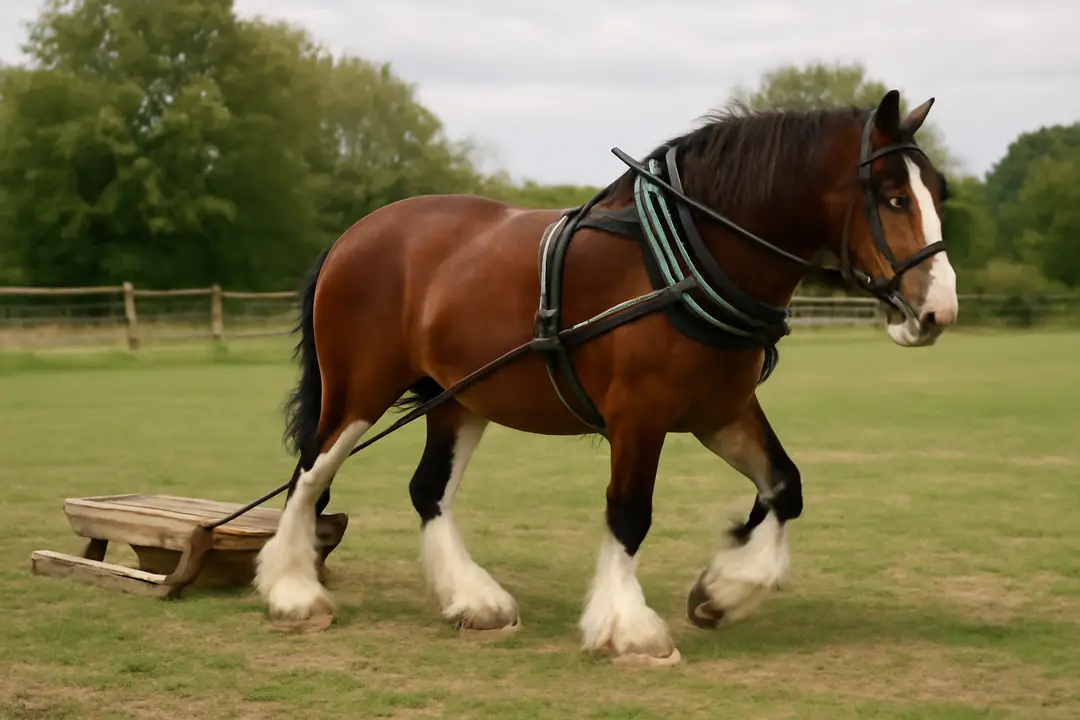
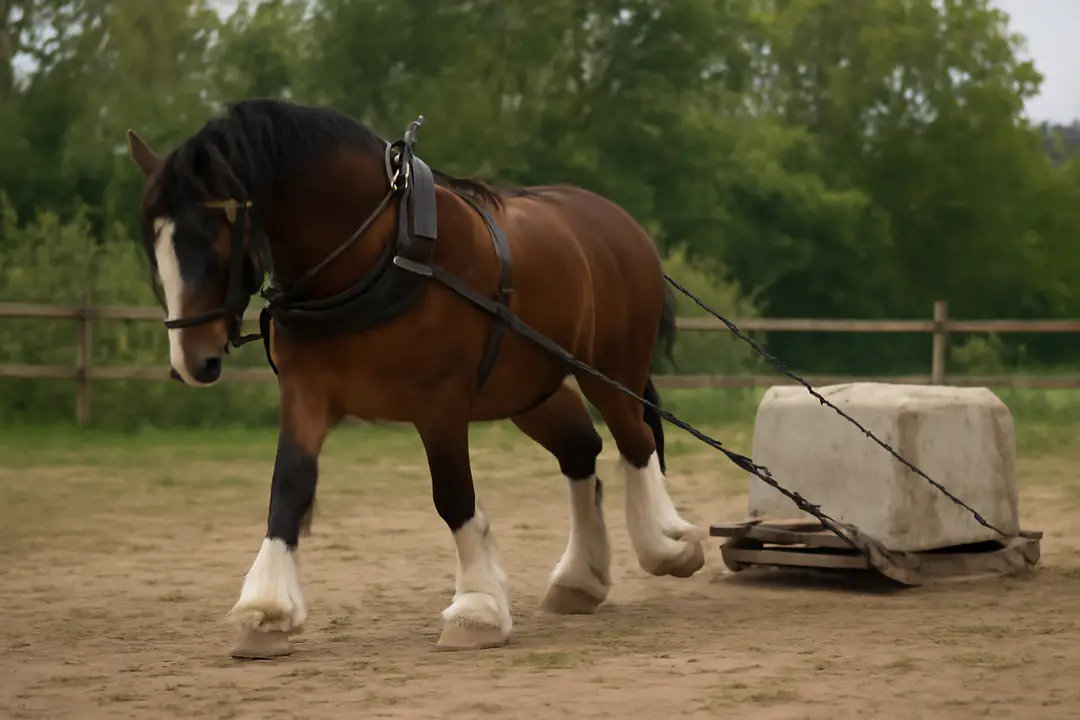
Next, introduce short pulling sessions with light loads. A wheelbarrow or shire-sized sled works well. Keep each interval under five minutes at first. Then rest until breathing returns to normal. Gradually increase weight by 10–15% each week.
Consistency is key. Two or three sessions weekly let muscles recover and strengthen. Throw in flat-ground hill work once a week. Uphill pulls target the glutes and hocks, while downhill helps tendon resilience.
Avoid overtraining. Watch for signs of stiffness or refusal to move forward. When in doubt, back off weight or frequency. A horse in peak condition shows a bright eye, steady gait, and eagerness for the collar.
Shire vs Clydesdale
Shire and Clydesdale horses share draft origins but differ in build and task focus. Below is a snapshot comparison:
| Feature | Shire | Clydesdale |
|---|---|---|
| Average Height | 17–18 hands | 16–17 hands |
| Average Weight | 900–1,200 kg | 700–900 kg |
| Pull Ratio | 1.5:1 | 1.3:1 |
| Build | Deep chest, broad back | Narrower with high knee action |
These differences make Shires ideal for raw power and sustained pulls, while Clydesdales excel in presentations and lighter farm work. Learn more about their distinct traits in a detailed breed comparison if you’re choosing between them.
Real World Tasks
Shire horses shine in forestry, carriage work, and heavy farm duties. Here are common tasks and tips:
- Log Skidding: Use double-tree harness. Keep spur straps snug to prevent swaying.
- Carriage Pulling: Ensure well-oiled traces. Practice smooth stops to protect joints.
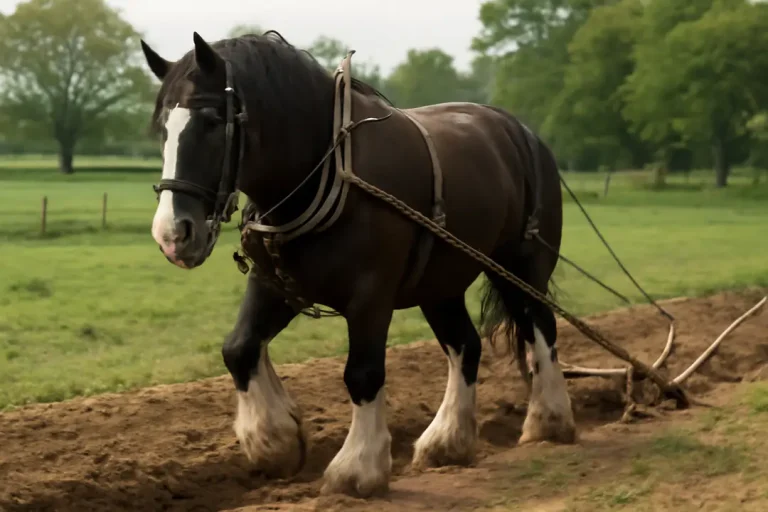
- Ploughing: Start with a lighter share and narrower furrow. Gradually widen as strength builds.
- Heavy Hauling: Attach to a wheeled cart. Use rubber wheels on hard ground to reduce shock.
Always inspect tack before work. Look for wear on leather collars and check tightness of buckles. Consistent hoof care and regular farrier visits keep your Shire sound under heavy loads.
Document each session—note weight, terrain, and rest intervals. Over time, you’ll find the sweet spot where your horse works efficiently without strain.
Conclusion
Shire horses marry bulk with remarkable muscle architecture and careful training to offer real draft power. Their deep-chested design, when paired with proper harnessing, turns raw mass into controlled strength. By understanding weight ratios, anatomy, and conditioning methods, you’ll maximize their potential and keep them sound.
Whether you draft logs, pull carriages, or simply admire their gentle might, knowing what makes a Shire strong helps you plan tasks wisely. Use progressive training, balanced feeding, and detailed records to match workload with capacity. That way, you’ll enjoy the unique partnership these equine giants provide—free from unexpected fatigue or injury.